
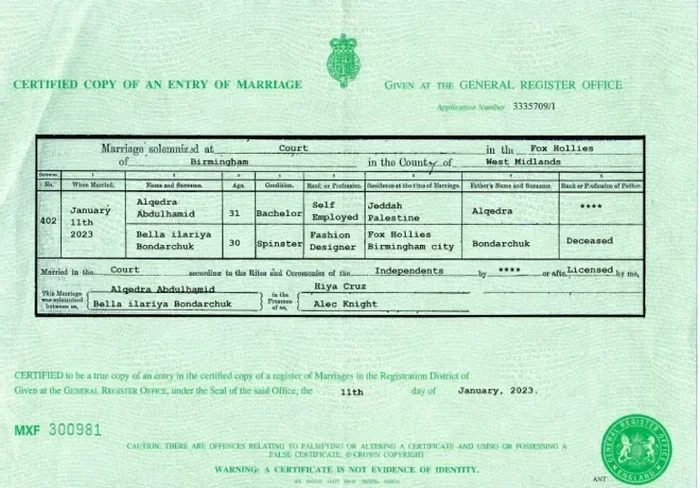
Marriage records in the UK are not always fully public. While historical records are often accessible, recent documents remain protected by privacy laws. You can search official archives, local registries, and trusted genealogy sites to find the information you need. Understanding the rules helps you avoid delays and access the right documents quickly.
If you are trying to trace family history or confirm a past wedding, you may wonder whether marriage records are public in the UK. The answer is not a simple yes or no. It depends on the age of the record, where it is stored, and who is asking for it. Some documents are easy to view, while others require a formal request or a valid reason.
This guide will walk you through the basics. You will learn how marriage records work in the UK, where to look, and what rules apply to recent and older documents. We will also share practical tips so you can search smarter and avoid common mistakes.
Key Takeaways
- Marriage records are not fully public: Recent records are protected, while older documents are often open to the public.
- Official registries hold the main data: Local register offices and national archives store certified marriage records.
- Genealogy websites can help: Many digital indexes and scanned certificates are available through trusted family history platforms.
- Privacy rules apply to recent marriages: Records under a certain age may require proof of relationship or a legal reason to access.
- Historical records are easier to find: Older marriage documents are usually public and available for research.
- You may need to pay a fee: Certified copies and official searches often cost a small administrative fee.
- Always use official sources: Verified government and archive channels reduce errors and protect your privacy.
📑 Table of Contents
- Understanding Marriage Records In The UK
- Are Marriage Records Public In The UK
- Where To Find Marriage Records
- How To Access Recent Marriage Records
- Privacy Rules And Public Access
- Using Marriage Records For Family History
- Comparison Table: Historical Vs Recent Marriage Records
- Final Thoughts On Marriage Record Access
Understanding Marriage Records In The UK
Marriage records are official documents that show when and where a couple married. They usually include names, dates, locations, and sometimes details about the groom and bride. In the UK, these records are kept by local register offices, national archives, and sometimes by religious or civil institutions.
There are two main types of marriage records you should know about. The first is the civil registration record. This is the official government record created when a marriage is registered. The second is the ecclesiastical or church record. These are older records kept by religious groups before civil registration became standard.
If you are researching family history, you will often start with indexes. Indexes are lists that help you find the exact record. They usually show names, dates, and reference numbers. Once you find the right entry, you can order a copy of the certificate or view the original register if it is available.
Are Marriage Records Public In The UK
The short answer is that many marriage records are public, but not all of them. Older records are usually open to the public because they are considered historical documents. Newer records are often restricted to protect privacy.
In general, the public can access records after a certain period of time. This is why genealogists can easily find marriages from the 1800s or early 1900s. These documents are part of the historical record and are often available in archives or online databases.
Recent marriage records are different. They may only be available to the people involved, their families, or someone with a legal reason to request them. This rule helps protect personal information and prevents misuse of private data.
If you are asking for a certified copy of a recent marriage certificate, you may need to prove your relationship to the people named on the record. In some cases, you may also need to show a legitimate purpose for the request.
Where To Find Marriage Records
There are several places where you can search for marriage records. The best option depends on the time period, location, and type of record you need.
Local Register Offices
Local register offices keep civil marriage records for the area they cover. If you know where the marriage took place, this is often the best place to start. You can contact the office directly and ask how to search their records or order a copy.
Many offices allow you to request a certificate by mail, phone, or online form. You will usually need the full names of the couple, the approximate date, and the place of marriage. Some offices also charge a small fee for searches and certified copies.
National Archives And Government Collections
National archives hold large collections of historical records. These include older marriage registers, census materials, and other documents that help build a family tree. If you are researching a marriage from many decades ago, this can be a valuable resource.
Government collections often provide online search tools. These tools let you browse indexes and locate reference numbers. Once you find the right entry, you can request the document through the archive or the appropriate registry.
Online Genealogy And Family History Sites
Many people start their search online because it is fast and convenient. Genealogy platforms often provide indexed records, scanned images, and helpful search filters. These sites can save time when you are looking for older marriages or trying to confirm family connections.
It is important to remember that not every record is available online. Some documents exist only in physical archives or local offices. Online tools are a great starting point, but they do not replace official records in every case.
Church And Religious Records
Before civil registration became widespread, many marriages were recorded by churches or other religious bodies. These records can include wedding dates, names, and sometimes additional details about the families involved.
If you are tracing an older marriage, religious records may be very useful. Some of these documents have been digitized, while others remain in local archives or church collections. If you know the denomination or parish, that can help narrow your search.
How To Access Recent Marriage Records
Accessing a recent marriage record is usually more complicated than looking up an old one. The process depends on who you are and why you need the document.
If you are one of the people named on the certificate, you can usually request a copy more easily. You may need to provide identification or proof of your connection to the marriage. The register office can explain exactly what documents they accept.
If you are a family member or researcher, the rules may be stricter. Some offices only release recent records to people with a lawful reason. This may include legal proceedings, inheritance matters, or other official needs.
It is also worth noting that not every office handles requests the same way. Some may offer online ordering, while others require written applications. Always check the official instructions before submitting your request.
Quick Tips For Requesting Records
- Gather the basics first: Full names, approximate date, and place of marriage make the search much easier.
- Use the correct office: Contact the register office for the area where the marriage happened.
- Ask about fees: Search fees and certificate copies often cost extra.
- Be precise with spelling: Small name variations can affect search results.
- Keep a record of reference numbers: These help if you need to follow up later.
Privacy Rules And Public Access
Privacy is one of the main reasons marriage records are not fully public. Personal details in recent records can be sensitive. That is why access is often limited for a period of time after the marriage.
Older records are usually less restricted because they are considered historical information. At that point, the people involved are often no longer living, and the document has more value for research and family history.
If you are planning to share marriage records online or in a family tree, it is smart to think about privacy. Living relatives may not want their personal details published. A careful approach helps you respect privacy while still preserving important family information.
Common Mistakes To Avoid
- Assuming all records are online: Many documents still exist only in physical form.
- Searching without enough details: Missing dates or places can make the search much harder.
- Confusing indexes with certificates: An index points you to the record, but it is not the full certificate.
- Requesting from the wrong office: Always confirm where the marriage was registered.
- Ignoring privacy rules: Recent records may require a valid reason or special permission.
Using Marriage Records For Family History
Marriage records are one of the most useful tools for building a family tree. They can confirm relationships, reveal locations, and help you estimate dates for other events. When combined with census data, birth records, and other documents, they create a clearer picture of a family’s story.
When using marriage records for research, it helps to keep a systematic approach. Write down every detail you find. Save source references. Compare information across multiple records when possible. This reduces errors and makes your research more reliable.
If you are exploring a family line, you may also find it useful to look at related topics. For example, understanding how relationships change over time can help you interpret family records more accurately. You may want to read about emotional needs you should never ignore in a relationship when thinking about how family bonds shape the way people document their lives. Some researchers also find it helpful to review relationship check in questions every couple should ask weekly as a way to reflect on how modern couples manage communication and commitment, which can be useful context when comparing older and newer marriage patterns.
Expert Insights For Better Searches
- Start broad, then narrow down: Begin with a general search and add details as you confirm them.
- Check multiple sources: One record may contain an error, so compare other documents when possible.
- Watch for name changes: People sometimes used different versions of their names in official records.
- Note the registration district: This can be just as important as the city or town.
- Keep expectations realistic: Some records are incomplete, damaged, or missing altogether.
Comparison Table: Historical Vs Recent Marriage Records
| Feature | Historical Marriage Records | Recent Marriage Records |
|---|---|---|
| Access | Usually public | Often restricted |
| Where stored | Archives, online indexes, church collections | Local register offices, official registries |
| Ease of search | Easier for research | May require proof or a valid reason |
| Typical use | Family history, genealogy, research | Legal matters, personal copies, official needs |
| Online availability | Often more available | Less likely to be fully public online |
Final Thoughts On Marriage Record Access
If you are trying to answer the question, are marriage records public in the UK, the best response is that it depends on the record’s age and the access rules that apply. Historical marriage records are often available to the public and can be a goldmine for family historians. Recent records are more protected, which makes sense because they contain sensitive personal details.
The easiest path is to start with the information you already have. Names, dates, and places matter a lot. Once you know where the marriage was registered, you can contact the right office or search the appropriate archive. If you are using online tools, treat them as a helpful guide rather than the final authority.
A careful, organized search will save you time and frustration. Keep notes, verify details, and use official sources whenever possible. That way, you can move confidently through the process and get the information you need.
Frequently Asked Questions
Are marriage records public in the UK for anyone to view?
Some marriage records are public, especially older historical documents, but recent records are often restricted. Access usually depends on the age of the record and the reason for the request.
Where can I search for marriage records in the UK?
You can start with local register offices, national archives, and trusted genealogy websites. The best source depends on whether the marriage is recent or historical.
Do I need permission to request a recent marriage certificate?
Often, yes. Recent records may require proof of relationship or a legitimate reason before a copy is released. The exact rules vary by office.
Can I find marriage records online?
Many older marriage indexes and some scanned records are available online, but not every document is digital. Some records still exist only in physical archives or local offices.
What information do I need to search for a marriage record?
You should have the full names of the couple, an approximate date, and the place where the marriage happened. The more accurate your details, the easier the search will be.
Why are some marriage records harder to access than others?
Privacy rules protect recent records, while older records are usually treated as historical documents. Incomplete records and local storage practices can also make some searches more difficult.
