
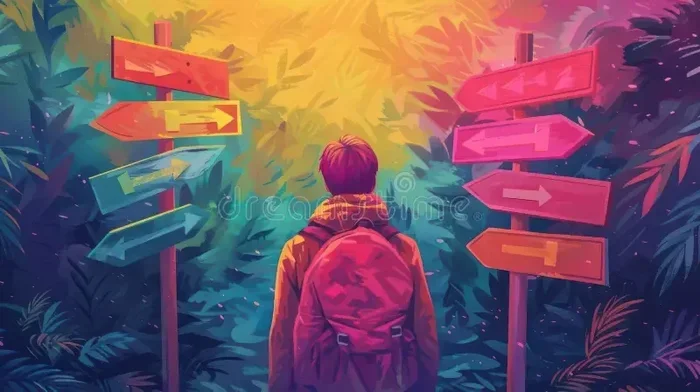
After being a vagabond for so long, finding your footing again can feel overwhelming. You might miss the freedom but crave the stability. This guide helps you navigate that shift with confidence. You will learn practical steps to rebuild your life and open your heart to new connections.
Life on the road offers a kind of freedom few people ever experience. You wake up wherever the wind takes you. You meet strangers who become friends for a night. You learn to survive with very little. But then something shifts. You decide to stop. You choose a place to stay. And suddenly, the silence feels loud. If you are dealing with after being a vagabond for so long, you know this feeling well.
The transition from constant movement to stationary life is not easy. Your body is used to packing up at a moment’s notice. Your mind is trained to scan for the next exit. Now you are asked to put down roots. This can feel like wearing shoes that are too tight. It takes time to stretch them out. You might feel restless. You might feel guilty for wanting to stay. All of these feelings are valid.
This article is here to help you navigate that change. We will talk about how to find your footing. We will discuss how to rebuild trust in yourself. We will also look at how this shift affects your relationships. You deserve a life that feels full. You deserve love and stability. Let’s walk through this together.
Key Takeaways
- Embrace the transition: Accept that feeling lost is normal after a life of movement.
- Rebuild self-trust: Start small to regain confidence in your decisions.
- Create routine: Structure helps ground you after years of unpredictability.
- Explore new connections: Opening up to love takes time after living as a lone wanderer.
- Process emotions: Acknowledge grief for the free life you left behind.
- Set new goals: Define what stability looks like for you personally.
- Seek support: You do not have to navigate this change alone.
📑 Table of Contents
- Understanding the Vagabond Mindset After Being a Vagabond for So Long
- Rebuilding Stability After Being a Vagabond for So Long
- Opening Your Heart to Connection
- Finding Purpose Beyond the Road
- Managing Emotional Turbulence
- Practical Steps for Moving Forward
- Comparison: Life on the Road vs. Settled Life
- Expert Insights on Transitioning
- Common Mistakes to Avoid
- Key Takeaways for Your Journey
Understanding the Vagabond Mindset After Being a Vagabond for So Long
Living as a wanderer changes you. It shapes how you see the world. It changes what you value. When you stop, those changes do not just vanish. You carry them with you. Understanding this is the first step toward healing.
The Freedom Trap
For years, freedom was your currency. You traded stability for adventure. You traded possessions for mobility. Now that you want stability, you might feel like you lost something precious. This is common. Many people feel a sense of grief when they stop moving. They miss the thrill of the unknown. They miss the simplicity of having nothing to lose.
But freedom looks different now. You are not free from responsibility. You are free to build something lasting. That is a different kind of power. It is quieter. It is deeper. Recognizing this shift helps you appreciate your new life.
The Fear of Settling
Settling down can feel like giving up. You might worry that you are boring now. You might worry that you missed your chance to be wild. These thoughts can keep you stuck. They prevent you from enjoying where you are. You need to challenge these ideas. Settling is not quitting. It is choosing.
Choice is powerful. When you choose a home, you choose a community. You choose a future. You choose people to share your life with. That is not a loss. That is a gain. If you struggle with this fear, you might find helpful insights in articles about how to restart your life after a terrible breakdown. Sometimes we need to reboot our thinking completely.
Identifying Your Triggers
Certain things might make you want to run. A broken appliance. A neighbor’s noise. A routine that feels too rigid. These triggers can spark anxiety. You might feel the urge to pack a bag and leave. Notice these moments. Write them down. Understanding your triggers helps you manage them.
When you feel the urge to flee, pause. Ask yourself what you are really running from. Is it the situation? Or is it the feeling of being trapped? Once you know the answer, you can address the real issue. You do not have to run to feel safe.
Rebuilding Stability After Being a Vagabond for So Long
Stability is a skill. You might not have practiced it in years. That is okay. You can learn it now. It starts with small steps. You do not need to build a fortress overnight. You just need a solid floor to stand on.
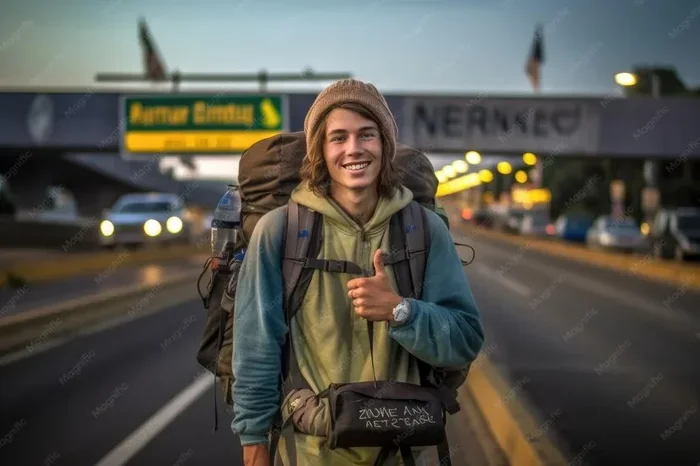
Visual guide about backpacker standing at crossroads
Image source: img.freepik.com
Creating a Routine That Works
Routines get a bad reputation. People think they are boring. But routines are actually freeing. They remove decision fatigue. You do not have to wonder what to do next. You just follow your plan. This saves energy for the things you love.
Start with a morning routine. Keep it simple. Drink water. Make your bed. Take a walk. These small acts ground you. They signal to your brain that you are home. For more ideas on structure, you can look at how to do a mid year reset for your life. Resets help you align your daily habits with your new goals.
Making Your Space Feel Like Home
A house is not a home until you fill it with meaning. As a vagabond, you likely owned very little. You might still prefer minimalism. That is fine. But you need items that anchor you. A favorite chair. A plant you water every week. Photos of people you love.
These objects tell a story. They say, “I am here.” “I plan to stay.” “This matters.” Surround yourself with things that bring you joy. Create a corner for reading. Set up a kitchen space for cooking. These spaces become your sanctuary. They protect you from the chaos of the outside world.
Managing the Restlessness
Restlessness will come in waves. It might hit you on a sunny Sunday. It might strike when you hear a train whistle. Do not fight it. Acknowledge it. Then channel it. Use that energy to clean a closet. Use it to start a new project. Use it to explore your own city like a tourist.
You can still have adventure without leaving home. Try a new restaurant. Visit a nearby town. Learn a new skill. The goal is to satisfy the itch without abandoning your life. Balance is key. You want excitement, but you also want peace.
Opening Your Heart to Connection
Loneliness is a common companion for wanderers. You meet many people, but few stay. When you settle down, you have the chance for deeper bonds. But this requires vulnerability. It requires letting people in. This can be scary after years of keeping your guard up.
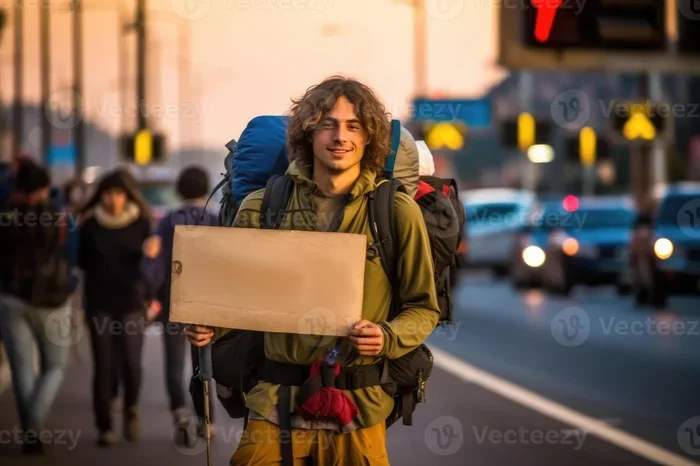
Visual guide about backpacker standing at crossroads
Image source: static.vecteezy.com
Learning to Trust Again
Trust is fragile. If you moved often, you might not have had time to build it. You might fear getting attached. You might fear being left behind. These fears are protective. They kept you safe on the road. But they can block love now.
Start by trusting yourself. You know how to take care of yourself. You know how to make decisions. Remind yourself of that strength. Then extend trust slowly to others. Share small secrets. See if they keep them. Let people show you they are reliable. For guidance on this, consider reading about how do you start trusting yourself after a midlife crisis. Self-trust is the foundation for trusting anyone else.
Navigating Romantic Relationships
Dating after a nomadic life can feel confusing. You might not know what you want. Do you want a partner to travel with? Or someone to stay home with? You need clarity before you commit. Think about your values. What matters most to you now?
Communication is essential. Be honest about your past. Explain that you are used to independence. Explain that you are learning to share space. A good partner will understand. They will not try to fix you. They will walk beside you. If you are unsure about signals from a new partner, you might wonder how do you know if a guy likes you after you have slept with him signs to look for and what it means. Clarity helps you avoid confusion.
Overcoming the Fear of Being Single
Some wanderers prefer being alone. It feels safer. It feels easier. But being single by choice is different from being single by fear. If you are afraid to commit, ask yourself why. Are you protecting your freedom? Or are you protecting your heart?
There is a middle ground. You can have a relationship and keep your identity. You can have partnership and still have space. Do not let fear decide your future. If you need help with this, check out strategies for overcoming the fear of being single. You deserve connection if you want it.
Finding Purpose Beyond the Road
When the road was your life, your purpose was clear. Survive. Move. Explore. Now you need a new purpose. This can feel like a void. You might wake up and wonder, “What now?” Filling that void takes time. It takes experimentation.
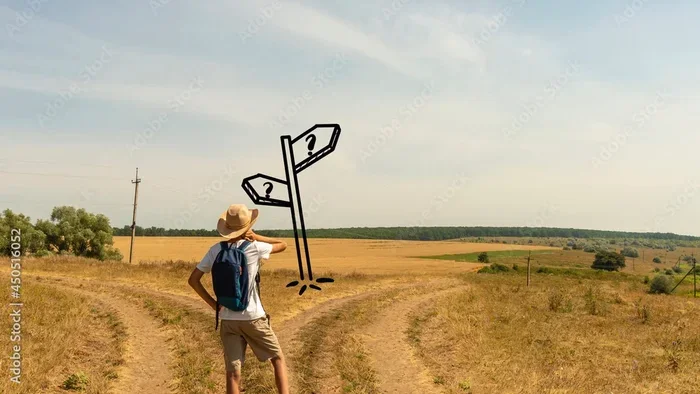
Visual guide about backpacker standing at crossroads
Image source: as1.ftcdn.net
Rediscovering Your Passions
You might have left hobbies behind. You could not carry a piano on your back. You could not keep a garden in a van. Now you have space. What did you love before you left? What did you dream of doing? Pick one thing. Try it.
Maybe you love painting. Buy some supplies. Set up a table. Maybe you love writing. Open a notebook. Write every day. Maybe you love cooking. Try new recipes. These activities are not just pastimes. They are anchors. They give you something to look forward to. They give you joy that is not tied to location.
Contributing to Your Community
Being a vagabond can feel isolating. You are often an observer. Settling down gives you a chance to participate. Join a local group. Volunteer at a shelter. Attend town meetings. Help a neighbor.
Contribution creates belonging. When you help others, you become part of the fabric of the place. You are no longer just passing through. You are a stakeholder. This sense of belonging heals the loneliness. It reminds you that you matter here.
Setting Long-Term Goals
Goals give you direction. Without them, you might drift even in one place. Think about where you want to be in five years. Do you want to own a home? Do you want to start a family? Do you want to build a career?
Write these goals down. Break them into steps. Celebrate the small wins. Each step forward proves that you are building a life. You are not just waiting for life to happen. You are making it happen. For more on personal growth, you can explore did you change a lot after graduating high school. Change is constant, and you are changing now too.
Managing Emotional Turbulence
Big life changes bring big emotions. You might feel joy one day and despair the next. This is normal. Your nervous system is adjusting. It is used to high alert. Now it is learning to relax. This process is not linear.
Processing the Grief
You lost a lifestyle. That is a real loss. You should mourn it. Cry if you need to. Write about what you miss. Acknowledge the beauty of your past life. Honoring the past helps you let it go. It stops haunting you.
Grief comes in waves. It might surprise you. You might be washing dishes and suddenly feel sad. Let the feeling pass through you. Do not suppress it. Suppressed emotions come back stronger. Feel them, name them, and let them go.
Dealing with Guilt
You might feel guilty for wanting stability. You might feel like you betrayed your free spirit. You might feel soft. You might feel like you gave up. These thoughts are lies. Wanting security is human. It is not a failure.
Forgive yourself for changing. You are allowed to evolve. The person who left on the road is not the same person sitting here now. That is growth. Embrace the new version of you. She is wiser. She is stronger. She knows what she needs.
Knowing When to Seek Help
Sometimes the weight is too heavy. If you feel stuck for a long time, seek support. Talk to a therapist. Join a support group. Talk to a trusted friend. There is no shame in asking for help. It is a sign of strength. If you are dealing with deep emotional pain, resources on steps for moving on from a toxic relationship might offer some parallel healing strategies. Healing is healing, no matter the source.
Practical Steps for Moving Forward
You need action items. Theory is good, but practice is better. Here are concrete steps you can take this week. These steps will help you ground yourself. They will help you build momentum.
Start a Journal
Write every day. Even if it is just three sentences. Write about how you feel. Write about what you see. Write about what you want. This clears your mind. It helps you track your progress. You will see how far you have come.
Declutter Your Space
Keep what serves you. Let go of what does not. As a vagabond, you held onto things for survival. Now you can be selective. Keep items that bring peace. Remove items that remind you of running away. Create a calm environment. A calm space supports a calm mind.
Connect with One Person
Reach out to one friend this week. Invite them for coffee. Call a family member. Join a local club. Connection breaks isolation. It reminds you that you are part of a network. You do not have to do this alone.
Plan a Staycation
You might miss travel. Plan a trip nearby. Explore your own region. Be a tourist in your own state. This satisfies the wanderlust without uprooting you. You get the adventure without the instability.
Practice Gratitude
List three things you love about your current life. Maybe it is hot water. Maybe it is a safe bed. Maybe it is a friend who checks on you. Gratitude shifts your focus. It helps you see the blessings of staying. It balances the longing for the road.
Comparison: Life on the Road vs. Settled Life
It helps to see the differences clearly. This comparison validates your experience. It shows you the trade-offs. Neither life is perfect. Both have value.
| Aspect | Life on the Road | Settled Life |
|---|---|---|
| Freedom | High mobility, go anywhere | Freedom to build deep roots |
| Community | Transient, fleeting connections | Stable, long-term relationships |
| Possessions | Minimal, easy to carry | Comfortable, meaningful items |
| Routine | Unpredictable, spontaneous | Structured, predictable |
| Growth | Survival skills, adaptability | Emotional depth, commitment |
| Challenge | Loneliness, uncertainty | Restlessness, settling fears |
Seeing this table helps you normalize your feelings. You are not losing everything. You are trading one set of challenges for another. The challenges of settled life are manageable. You have more resources now. You have more support.
Expert Insights on Transitioning
Experts agree that major lifestyle shifts require patience. You cannot rush the adjustment. Your brain needs time to rewire. It needs to learn that safety is consistent. It needs to learn that home is permanent.
Psychologists often suggest focusing on what you can control. You cannot control your restless thoughts. You can control your reaction to them. You can control your daily habits. Focus on the habits. The feelings will follow.
Also, remember that you are not starting from zero. You have skills. You are resilient. You are adaptable. These are superpowers in a settled life too. Use them to build something strong. Use them to create a life that withstands storms.
Common Mistakes to Avoid
There are pitfalls in this transition. Knowing them helps you avoid them. Do not make these errors during your adjustment period.
- Rushing the process: Do not force yourself to feel normal too soon. Give it time.
- Isolating completely: Do not hide away because you feel different. Reach out.
- Comparing everything to the past: Do not judge your new life by old standards. It is different.
- Ignoring your needs: Do not suppress your desire for adventure. Find healthy outlets.
- Expecting perfection: Your new life will have problems too. That is okay. It is still home.
Key Takeaways for Your Journey
You are in a unique position. You have seen the world. You have lived freely. Now you have the chance to live deeply. This is a gift. Treat it with care.
- Accept the mixed feelings: It is okay to miss the road and love home.
- Build slowly: Small habits create big stability over time.
- Stay open: Let people in, even if it feels risky.
- Honor your past: Your experiences make you who you are.
- Define your own stability: It does not have to look like anyone else’s.
After being a vagabond for so long, you know how to survive. Now you get to learn how to thrive. This is a beautiful next chapter. It is quiet, but it is rich. It is steady, but it is full. Trust yourself. You know how to find your way. You always have. Now you are just finding a new kind of way.
Frequently Asked Questions
How do I stop feeling restless after settling down?
Acknowledge the feeling without acting on it immediately. Channel that energy into local exploration or creative projects. Over time, your brain will learn that staying is safe.
Is it normal to miss the nomadic life after being a vagabond for so long?
Yes, it is completely normal. You are grieving a lifestyle that shaped your identity. Honor those feelings while you build appreciation for your new stability.
Can I still travel if I decide to settle down?
Absolutely. Settling down does not mean you are trapped. You can plan trips and vacations. The difference is you have a home base to return to.
How do I explain my past to a new partner?
Be honest and simple. Share that you lived a mobile life and are now choosing stability. Explain that you are learning to balance independence with connection.
What if I regret stopping my travels?
Regret is a common part of big changes. Focus on what you are gaining now. If you truly regret it, you can always adjust your life again. You have the power to choose.
How long does it take to feel at home after being a vagabond for so long?
It varies for everyone. Some feel settled in months, others take years. Be patient with yourself. Consistency and routine will speed up the feeling of belonging.
