
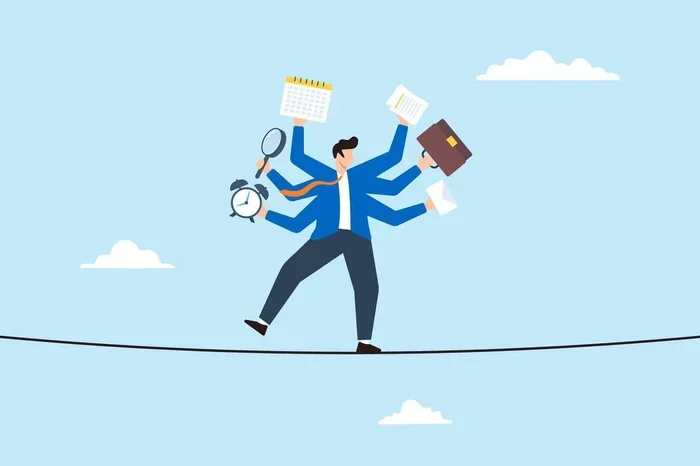
Role conflict and role strain are two distinct concepts that describe different types of tension we experience when navigating our social roles. Role conflict occurs when incompatible demands arise from two or more roles you occupy simultaneously—like when your job demands late-night work but your role as a parent requires you to attend your child’s school play. Role strain, on the other hand, happens within a single role when competing expectations create pressure, such as a manager trying to be both a supportive mentor and a strict supervisor to the same employee.
Role Conflict Vs Role Strain Key Differences Explained Simply
Key Takeaways
- Role conflict involves competing demands between two or more separate roles you occupy.
- Role strain happens when conflicting expectations exist within a single role.
- Identify the source of your stress first to apply the right coping strategy effectively.
- Set clear boundaries between work and personal roles to reduce role conflict.
- Prioritize expectations within one role to minimize role strain and prevent burnout.
- Communicate openly with supervisors and family to resolve role tensions early.
- Both conditions can lead to chronic stress, anxiety, and decreased performance if ignored.
📑 Table of Contents
- Meta Title
- Meta Description
- URL Slug
- What Is Role Conflict? A Clear Definition
- What Is Role Strain? Understanding the Pressure Within One Role
- Role Conflict Vs Role Strain: The Key Differences at a Glance
- How Role Conflict and Role Strain Show Up in Relationships
- The Psychological Impact: What Research Tells Us
- Practical Strategies to Manage Role Conflict
- Effective Strategies to Handle Role Strain
- When Role Conflict and Role Strain Happen Simultaneously
- Key Takeaways: Role Conflict Vs Role Strain
Meta Title
Role Conflict Vs Role Strain: Key Differences Explained Simply
Meta Description
Confused about role conflict vs role strain? Learn the key differences with real-life examples, practical tips, and simple explanations to manage both effectively.

Visual guide about juggling competing roles
Image source: certifiedsource.com
URL Slug
role-conflict-vs-role-strain
Ever felt torn between being a great partner and a dedicated employee? That’s role conflict vs role strain playing out in real life. These two concepts sound similar but affect your daily life in very different ways. Understanding the distinction can transform how you handle stress, relationships, and responsibilities. In this guide, you’ll discover the key differences between role conflict and role strain, practical examples you’ll immediately relate to, and actionable strategies to manage both. By the end, you’ll have a clear framework for navigating competing demands without burning out.

Visual guide about juggling competing roles
Image source: jesusgilhernandez.com
Life doesn’t come with a manual for juggling everything. You’re a partner, maybe a parent, a friend, an employee, and a daughter or son — all at once. Some days, these roles clash so hard you feel like you’re failing at everything. Other times, a single role demands so much that you crumble under its weight. Both experiences are deeply uncomfortable, but they stem from different sources. Recognizing whether you’re dealing with role conflict or role strain is the first step toward finding real relief. Most people use these terms interchangeably, which leads to applying the wrong solutions. Once you understand what’s actually happening beneath the surface, you can respond with precision instead of guesswork.
Think about the last time you felt overwhelmed by your responsibilities. Was it because two roles were pulling you in opposite directions? Or was it because one role simply asked too much of you? Your answer matters more than you think. Let’s break down both concepts clearly so you can finally make sense of the stress you’ve been carrying.
What Is Role Conflict? A Clear Definition
Role conflict occurs when the expectations of two or more of your social roles clash with each other. You’re essentially being pulled in different directions by roles that demand incompatible behaviors or time commitments. It’s the classic “I can’t be in two places at once” dilemma, but it goes deeper than scheduling.

Visual guide about juggling competing roles
Image source: images.sportsnhobbies.org
Imagine you’re a manager at work who needs to stay late for a critical deadline. At the same time, you promised your partner you’d attend their important event that same evening. Both roles — professional and romantic partner — are making legitimate demands on your time and energy. You literally cannot satisfy both simultaneously. That’s role conflict in its purest form.
What makes role conflict particularly stressful is that both roles usually matter deeply to you. It’s not a choice between something important and something trivial. It’s choosing between two things you value, and either choice comes with guilt, disappointment, or consequences.
The Three Main Types of Role Conflict
Understanding the different types helps you identify exactly what you’re experiencing:
- Inter-role conflict: This happens between two different roles. For example, being a dedicated employee conflicts with being a present parent. The demands of your job role clash with the demands of your parenting role.
- Intra-role conflict: This occurs within a single role when different people expect different things from you. For instance, your boss wants you to delegate more, but your team expects you to be hands-on with every project.
- Person-role conflict: This arises when a role demands behavior that conflicts with your personal values or identity. Think of being asked to do something at work that goes against your moral beliefs.
Quick Tip: When you feel torn between responsibilities, ask yourself: “Are two different roles competing for my time and energy?” If yes, you’re likely experiencing role conflict rather than role strain.
Real-Life Examples of Role Conflict
Here are scenarios that illustrate role conflict in everyday situations:
- A mother who is also a CEO must choose between her child’s school play and a board meeting
- A college student working part-time faces conflict between studying for exams and covering a shift at work
- A friend who is also a therapist struggles with maintaining professional boundaries while wanting to help personally
- A husband who is also a business owner can’t attend family dinners because of client obligations
- An adult child caring for aging parents while raising their own children experiences competing family demands
Each of these examples involves multiple roles making simultaneous demands that cannot all be satisfied at once. The stress comes from the incompatibility between roles, not from the difficulty of any single role.
What Is Role Strain? Understanding the Pressure Within One Role
Role strain is fundamentally different from role conflict. While role conflict involves tension between two or more roles, role strain happens within a single role. It occurs when the expectations within one particular role are too demanding, contradictory, or overwhelming for you to handle effectively.
Think of role strain as the pressure cooker inside a single hat you wear. You’re not juggling multiple hats — you’re struggling because one hat is simply too heavy. A teacher, for example, might experience role strain when expected to be a counselor, disciplinarian, entertainer, administrator, and subject expert all within the same job. No other role is competing; the problem is that this one role has become impossibly broad.
Role strain often develops gradually. Responsibilities pile up within a role until what was once manageable becomes overwhelming. You might not even notice it happening until you’re already exhausted and resentful.
The Two Dimensions of Role Strain
Role strain manifests in two primary ways:
- Role overload: There are simply too many expectations within a single role for one person to fulfill. A single mother managing childcare, household finances, emotional support, and cooking alone experiences role overload within the parenting role.
- Role ambiguity: The expectations within a role are unclear or contradictory. A new employee who receives conflicting instructions from different supervisors experiences ambiguity about what their role actually requires.
Everyday Examples of Role Strain
Here are common situations where role strain shows up:
- A nurse expected to provide compassionate emotional care while also completing excessive paperwork within shift hours
- A student overwhelmed by the demands of a single course that requires research, presentations, group work, and exams simultaneously
- A new parent struggling with the endless demands of infant care without adequate support or rest
- A remote worker whose job role has expanded to include tasks from three different positions after layoffs
- A caregiver for a spouse with dementia who faces relentless demands without respite
Notice that in each example, only one role is involved. The stress comes from the intensity, volume, or contradictions within that single role rather than from competing roles.
Expert Insight: Sociologist William Goode introduced the concept of “role strain” in 1960, arguing that individuals constantly negotiate and adjust their role performances to manage the total demands placed upon them. His work remains foundational in understanding how people cope with overwhelming role expectations.
Role Conflict Vs Role Strain: The Key Differences at a Glance
Now that you understand both concepts individually, let’s compare them side by side. This comparison table highlights the critical distinctions between role conflict and role strain:
| Aspect | Role Conflict | Role Strain |
|---|---|---|
| Definition | Tension between two or more different roles | Pressure within a single role |
| Source of Stress | Competing demands from multiple roles | Excessive or contradictory demands within one role |
| Number of Roles Involved | Two or more | One |
| Nature of Problem | Incompatibility between roles | Overload or ambiguity within a role |
| Typical Feeling | “I can’t be everywhere at once” | “This one thing is too much for me” |
| Example | Choosing between a work deadline and a family event | Being expected to do the work of three people in one job |
| Primary Emotion | Guilt and torn loyalty | Exhaustion and inadequacy |
The simplest way to remember the difference: role conflict is between roles, role strain is within a role. When you feel pulled apart, it’s conflict. When you feel crushed by weight, it’s strain.
How Role Conflict and Role Strain Show Up in Relationships
Relationships are where both role conflict and role strain hit hardest. Romantic partnerships, friendships, and family dynamics all involve multiple overlapping roles that can create intense pressure. Understanding how these concepts play out in your closest connections can help you communicate better and set healthier boundaries.
Role Conflict in Romantic Relationships
One of the most common forms of role conflict in dating and marriage is the tension between being a supportive partner and maintaining your individual identity. You might also experience conflict between your role as a partner and your role as a professional, parent, or caregiver.
For example, your partner needs emotional support during a difficult time at work. But you’re also dealing with your own career crisis and have no emotional bandwidth left. Both roles — supportive partner and self-preserving individual — are making legitimate demands. You feel guilty no matter which way you choose.
This type of conflict often leads to resentment if left unaddressed. One partner may feel neglected while the other feels unappreciated for everything they’re already doing. Learning about compromise vs sacrifice can be incredibly helpful here, because healthy relationships require both partners to navigate these competing demands without one person always giving up what they need.
Role Strain in Relationships
Role strain in a relationship happens when the expectations within your role as a partner become overwhelming. Perhaps you’re expected to be the sole emotional caretaker, financial provider, social planner, and household manager all at once. No other role is competing — the problem is that your partner role has expanded beyond what’s sustainable.
Many people experience role strain when they take on too much within a relationship without realizing it. They say yes to every request, manage every detail, and suppress their own needs to keep the peace. Over time, this creates a version of the partner role that no human being could fulfill.
The Connection to Communication Breakdown
Both role conflict and role strain can cause people to shut down during important conversations. When you’re overwhelmed by competing demands or crushed by a single role’s expectations, your capacity for patient, empathetic communication shrinks dramatically. This often leads to withdrawal, defensiveness, or explosive reactions that damage relationships further.
If you find yourself shutting down during conflict, understanding the underlying role dynamics can help you articulate what’s really happening. Instead of “I don’t want to talk about this,” you can say “I’m feeling pulled in too many directions right now and I need help prioritizing.” This shift in language transforms the conversation from avoidance to problem-solving.
Common Mistake: Many people try to solve role strain strategies for role conflict, and vice versa. If you’re experiencing role strain (one role is too demanding) but you try to resolve it by dropping another role entirely, you haven’t addressed the real problem. Match your solution to the actual issue.
The Psychological Impact: What Research Tells Us
The effects of role conflict and role strain on mental health are well-documented in sociological and psychological research. Understanding the science behind these experiences can normalize what you’re going through and point you toward evidence-based solutions.
Stress and Burnout Connection
Research consistently shows that both role conflict and role strain are significant predictors of chronic stress and burnout. However, they contribute to burnout in different ways:
- Role conflict leads to burnout through the emotional toll of constant decision-making and guilt. Every choice feels like a betrayal of something important.
- Role strain leads to burnout through sheer exhaustion. The relentless demands within a single role deplete your physical and emotional resources without relief.
A landmark study published in the Journal of Applied Psychology found that inter-role conflict was particularly strongly associated with emotional exhaustion and depersonalization — two core components of burnout. Meanwhile, role overload (a form of strain) was most strongly linked to reduced personal accomplishment.
Impact on Relationship Satisfaction
Studies on work-family conflict — a specific type of role conflict — show that it significantly reduces both job satisfaction and relationship satisfaction. When people can’t reconcile the demands of their professional and personal roles, both areas of life suffer simultaneously.
Role strain within a relationship similarly erodes satisfaction. When one partner feels overwhelmed by the expectations placed upon them, they become less emotionally available, less patient, and less engaged. The relationship itself becomes a source of stress rather than a buffer against it.
Gender Differences in Role Stress
Research has historically shown that women experience higher levels of role conflict due to societal expectations around caregiving and professional achievement. However, recent studies suggest that men are increasingly experiencing similar pressures as gender roles evolve. Both men and women report significant role strain when expected to fulfill multiple demanding roles simultaneously.
These findings highlight that role conflict and role strain are universal human experiences — not personal failures. The structures and expectations of modern society create conditions where these forms of stress are almost inevitable.
Practical Strategies to Manage Role Conflict
Now let’s get practical. Managing role conflict requires strategies that address the tension between competing roles. Here are proven approaches that actually work:
1. Prioritize and Sequence Your Roles
Not every role demands equal attention at all times. Some seasons of life require more from your professional role; others demand more from your family role. Instead of trying to give 100% to everything simultaneously, try sequencing your priorities.
For example, during a major work project, you might temporarily scale back on social commitments. During a family crisis, you might reduce your professional ambitions temporarily. This isn’t failure — it’s strategic allocation of your limited energy.
2. Set Clear Boundaries Between Roles
One of the most effective ways to reduce role conflict is to create clear boundaries. This means:
- Defining specific work hours and protecting personal time
- Not checking work emails during family dinners
- Being fully present in whatever role you’re currently occupying
- Communicating your boundaries clearly to others
Boundaries don’t eliminate role conflict, but they reduce the frequency and intensity of clashes. They create protected space for each role to breathe.
3. Learn to Negotiate Role Expectations
Many role conflicts arise from unrealistic expectations — either from others or from yourself. Learning to negotiate these expectations can dramatically reduce conflict. This might mean:
- Asking your employer for flexible scheduling
- Having honest conversations with your partner about dividing responsibilities
- Letting go of perfectionism in certain roles
- Accepting that “good enough” is often truly good enough
Negotiation requires vulnerability and clear communication. It also requires understanding the difference between compromise and sacrifice in relationships — compromise involves both people adjusting, while sacrifice often means one person consistently giving up more than they should.
4. Develop a Support Network
You weren’t meant to fulfill every role in isolation. Building a support network — whether through friends, family, professional services, or community resources — can help distribute the load. Childcare cooperatives, meal-sharing with neighbors, mentorship at work, and therapy are all forms of support that reduce role conflict.
5. Practice Strategic Delegation
Delegation isn’t just for the workplace. In every role, there are tasks that others can handle. Letting go of the need to do everything yourself is a powerful antidote to role conflict. Identify what only you can do and delegate or outsource the rest.
Quick Tip: Create a “role map” by listing all your current roles and the top three demands of each. Seeing everything on paper makes it easier to identify where conflicts arise and where you can create better balance.
Effective Strategies to Handle Role Strain
Role strain requires a different set of solutions because the problem isn’t competing roles — it’s a single role that’s become too demanding. Here’s how to address it:
1. Redefine the Role’s Boundaries
When one role becomes overwhelming, the first step is to examine its boundaries. Has your role expanded beyond its original scope? Are you doing things that aren’t actually part of your responsibility? Many people absorb additional tasks within a role without anyone explicitly asking them to.
Go back to basics: What is this role actually supposed to involve? What did you sign up for, and what has been added over time? Identifying the gap between expected and actual responsibilities is crucial.
2. Break Down Overwhelming Demands
Role strain often feels insurmountable because you’re looking at everything at once. Breaking down the demands of a role into smaller, manageable components can make them feel less overwhelming. This might involve:
- Creating a prioritized task list instead of trying to do everything
- Focusing on one aspect of the role at a time
- Setting realistic daily goals rather than perfectionist standards
- Using time-blocking to dedicate focused attention to specific responsibilities
3. Seek Role Clarification
If ambiguity is contributing to your role strain, seek clarity. Ask specific questions about what’s expected of you, what success looks like, and where your responsibilities end. Many people suffer in silence with unclear expectations that could be resolved with a single conversation.
4. Build Recovery Time Into Your Schedule
Role strain depletes your resources faster than you realize. Building intentional recovery time — rest, hobbies, social connection, solitude — helps you replenish what the demanding role takes from you. Recovery isn’t a luxury; it’s a necessity for sustaining performance in any demanding role.
5. Know When to Step Back
Sometimes the healthiest response to role strain is to step back from the role entirely, even temporarily. This might mean taking a leave of absence, reducing your hours, or renegotiating your responsibilities. Stepping back isn’t failure — it’s self-preservation.
Understanding why you shut down during conflict can also help here, because role strain often causes emotional withdrawal that mimics conflict avoidance. Recognizing the difference helps you respond appropriately.
When Role Conflict and Role Strain Happen Simultaneously
Here’s where things get really challenging: role conflict and role strain often occur at the same time. You might be experiencing tension between your work and family roles (conflict) while also feeling overwhelmed by excessive demands within your work role alone (strain). This combination is especially common among working parents, caregivers, and people in demanding professions.
The Compounding Effect
When both occur simultaneously, they create a compounding effect that’s greater than either alone. Role conflict drains your emotional energy through guilt and difficult choices. Role strain drains your physical energy through relentless demands. Together, they can push you toward complete burnout faster than you’d expect.
Recognizing when you’re dealing with both is important because it requires a combined approach. You can’t just set boundaries between roles if one role is also impossibly demanding. You can’t just reduce demands within a role if you’re also being pulled in multiple directions.
A Combined Strategy
When facing both simultaneously:
- Assess the full picture: Map out all your roles and their demands to see where conflict and strain overlap
- Address the strain first: Reduce the overwhelming demands within your most strained role before trying to balance multiple roles
- Then manage the conflict: With one role more manageable, you’ll have more capacity to negotiate boundaries between roles
- Seek external support: Professional help, whether through therapy, coaching, or community resources, can provide objective perspective
- Recommit to self-care: When everything demands your attention, caring for yourself becomes both hardest and most essential
Key Takeaways: Role Conflict Vs Role Strain
Let’s bring everything together with the essential points to remember:
- Role conflict happens between two or more roles — you’re pulled in different directions
- Role strain happens within a single role — one role is too demanding
- Both cause significant stress but require different solutions
- Role conflict is managed through prioritization, boundaries, and negotiation
- Role strain is managed through redefinition, delegation, and recovery
- They often occur simultaneously, especially for working parents and caregivers
- Neither is a personal failure — they’re structural features of modern life
- Self-awareness about which one you’re experiencing is the first step toward relief
- Support systems are essential for managing both forms of role stress
- Sometimes the healthiest choice is to step back from a role or renegotiate its demands
Understanding role conflict vs role strain isn’t just an academic exercise — it’s a practical tool for navigating the complexity of modern life. When you can name what you’re experiencing, you can respond with intention instead of just reacting to overwhelm. Whether you’re torn between competing roles or crushed by the weight of a single one, the strategies in this guide can help you find breathing room.
Start by identifying which form of stress is showing up in your life right now. Then apply the specific strategies that match your situation. Remember that managing role conflict and role strain is an ongoing process, not a one-time fix. Your roles will shift, demands will change, and new challenges will emerge. But with a clear understanding of these concepts and practical tools to address them, you can move through life’s competing demands with greater ease, less guilt, and more genuine presence in every role that matters to you.
The goal isn’t to eliminate all role tension — that’s impossible in a full, meaningful life. The goal is to understand it, manage it skillfully, and ensure that no single role or combination of roles consumes everything you are.
Frequently Asked Questions
What is the main difference between role conflict and role strain?
Role conflict occurs when incompatible demands arise from different roles you hold, while role strain happens when incompatible demands arise within a single role. In short, conflict is between multiple roles, whereas strain is the tension inside one role.
Can you give a real-life example of role conflict?
A classic example is a working parent who is expected to stay late at the office but also needs to pick up their child from daycare. The demands of being a dedicated employee clash directly with the demands of being a caregiver.
What is a common example of role strain?
A manager often experiences role strain when they are expected to be both a strict enforcer of company rules and a supportive friend to their employees. Trying to fulfill these conflicting expectations within the same job creates significant internal tension.
How do role conflict and role strain affect mental health?
Both can lead to high levels of stress, anxiety, and burnout if left unmanaged. However, role conflict typically causes exhaustion from juggling multiple commitments, while role strain often leads to frustration from feeling inadequate in a single position.
Is role conflict vs role strain something sociologists study?
Yes, both are fundamental concepts in sociology used to understand how social structures impact individual behavior. Sociologists study these phenomena to see how people navigate the competing expectations of modern society.
How can you manage role conflict and role strain effectively?
Setting clear boundaries and prioritizing tasks are the best ways to manage both. For conflict, you might negotiate flexible hours, while for strain, you can delegate responsibilities or redefine what success looks like in that role.
