
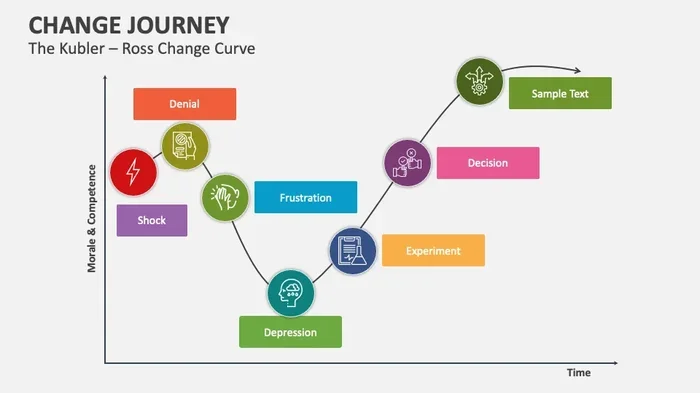
The transtheoretical model stages of change offer a powerful framework for understanding how people transform behaviors. This guide breaks down each stage with practical, real-world examples you can apply to relationships, habits, and personal growth starting today.
Have you ever wondered why some people transform their lives overnight while others struggle for years? The answer lies in understanding the transtheoretical model stages of change. This psychology framework explains exactly how humans shift from old habits to new behaviors. It applies to everything from quitting unhealthy patterns to building better relationships. Whether you want to change yourself or support someone you love, these stages give you a roadmap that actually works.
The transtheoretical model was developed by James Prochaska and Carlo DiClemente in the late 1970s. They studied people who successfully quit smoking on their own. What they discovered changed psychology forever. Change does not happen in one dramatic moment. It unfolds across predictable stages. Once you understand these stages, you stop fighting against human nature and start working with it.
Key Takeaways
- The transtheoretical model includes six stages: precontemplation, contemplation, preparation, action, maintenance, and termination.
- Change is not linear: People often cycle through stages multiple times before achieving lasting transformation.
- Each stage requires different strategies: What works in contemplation won’t work in action. Matching your approach to your stage is critical.
- Relapse is normal: Setbacks are part of the process, not a sign of failure.
- The model applies broadly: From quitting smoking to leaving a toxic relationship, these stages explain behavior change across contexts.
- Self-efficacy grows through stages: Your confidence builds as you progress from one stage to the next.
- Understanding someone else’s stage helps: You can support loved ones better when you know where they sit in the change process.
📑 Table of Contents
- What Is The Transtheoretical Model?
- Stage One: Precontemplation Examples
- Stage Two: Contemplation Examples
- Stage Three: Preparation Examples
- Stage Four: Action Examples
- Stage Five: Maintenance Examples
- Stage Six: Termination Examples
- How Relapse Fits Into The Model
- Applying The Model To Relationships
- Practical Tips For Using The Stages Of Change
- Common Mistakes When Applying The Model
- Comparison Table: Stages And Strategies
- Expert Insights On Lasting Change
- Conclusion
What Is The Transtheoretical Model?
The transtheoretical model of behavior change is one of the most widely used frameworks in psychology, counseling, and health coaching. It identifies six distinct stages that people move through when modifying behavior. Unlike other models that treat change as a single event, this approach recognizes change as a gradual, cyclical process.
The Six Stages At A Glance
Here is a quick overview of each stage:
- Precontemplation: Not yet acknowledging the problem
- Contemplation: Recognizing the problem and considering change
- Preparation: Getting ready to take action soon
- Action: Actively modifying behavior
- Maintenance: Sustaining the new behavior over time
- Termination: The change is permanent with zero temptation to relapse
What makes this model so powerful is its non-linear nature. People rarely move straight from stage one to stage six. They spiral, skip, and revisit stages. This is completely normal. Understanding this removes the shame that comes with setbacks.
Stage One: Precontemplation Examples
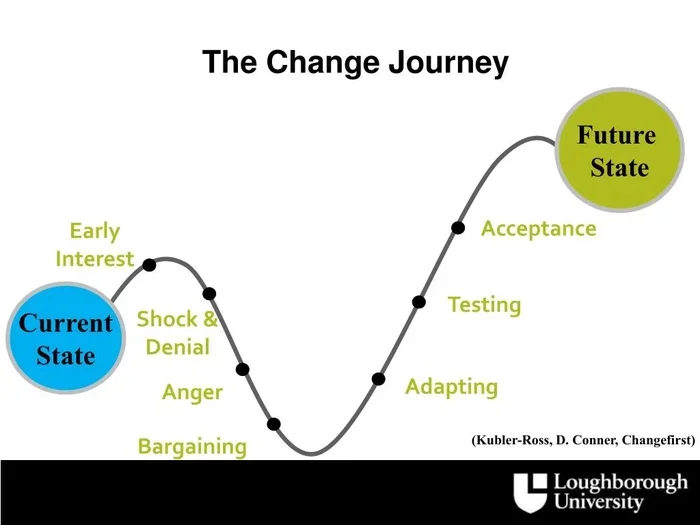
Visual guide about change journey
Image source: image3.slideserve.com
In the precontemplation stage, a person does not believe they have a problem. They may be unaware of their behavior’s consequences. Or they may have tried to change before and given up. Defensiveness is common here.
Real-World Precontemplation Examples
Example 1: The Unaware Partner
Sarah’s husband tells her she drinks too much at social events. Sarah insists she is just “having fun” and that everyone drinks at parties. She does not see her behavior as problematic. She may even blame others for being too sensitive.
Example 2: The Defensive Smoker
Mark has smoked for fifteen years. His doctor warns him about lung damage. Mark responds by pointing out his grandfather who smoked until ninety. He rationalizes his habit and resists any suggestion to quit.
Example 3: The Stuck Employee
Jessica complains constantly about her job but refuses to update her resume. When friends suggest she look for something new, she lists all the reasons staying is safer. She is not yet ready to consider change.
How To Help Someone In Precontemplation
You cannot force someone out of this stage. But you can plant seeds:
- Ask open-ended questions instead of giving advice
- Share observations without judgment (“I’ve noticed you seem tired lately”)
- Avoid ultimatums which often increase resistance
- Model healthy behavior consistently in your own life
Stage Two: Contemplation Examples
Visual guide about change journey
Image source: cdn.shopify.com
The contemplation stage is where awareness meets ambivalence. The person knows something needs to change. But they are not ready to act yet. They weigh the pros and cons heavily. This stage can last months or even years.
Real-World Contemplation Examples
Example 1: The Relationship Evaluator
David knows his relationship is unhealthy. He reads articles about signs of a dying relationship and sees his situation clearly. But he is torn. He loves his partner and fears being alone. He sits with the decision, going back and forth daily.
Example 2: The Fitness Dreamer
Maria wants to start exercising. She has gym memberships she never uses. She researches workout plans and reads fitness blogs. But she has not laced up her sneakers yet. She is stuck thinking about it rather than doing it.
Example 3: The Career Shifter
Tom hates his accounting job. He dreams of opening a restaurant. He reads cookbooks and watches chef videos after work. But he has not taken a single concrete step toward his dream. He is still contemplating.
Moving From Contemplation Forward
If you are stuck in contemplation, try these strategies:
- Write out a decisional balance sheet listing pros and cons of changing versus staying the same
- Visualize your future self both with and without the change
- Set a deadline for making a decision to prevent endless rumination
- Talk to someone who has made a similar change for real perspective
Stage Three: Preparation Examples
Visual guide about change journey
Image source: image4.slideserve.com
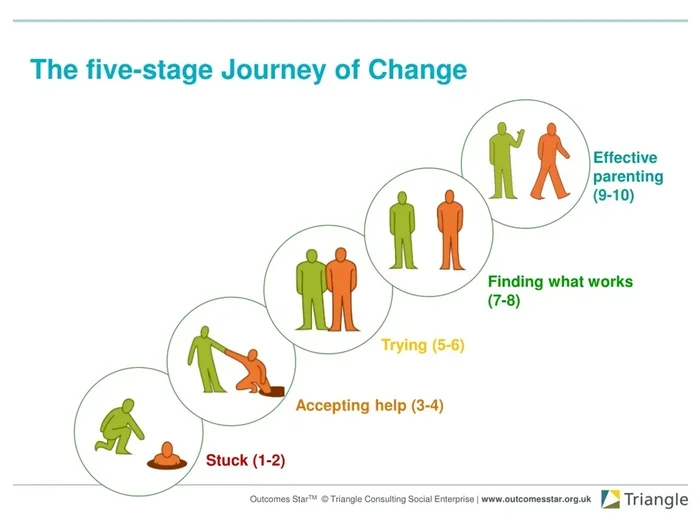
The preparation stage bridges thinking and doing. The person has decided to change and begins taking small steps. They research options, tell friends about their intentions, and set concrete goals. This stage is short but crucial.
Real-World Preparation Examples
Example 1: The Quitting Smoker
Lisa has decided to quit smoking. She sets a quit date two weeks away. She throws away her ashtrays. She tells her family about her plan. She buys nicotine patches and downloads a quit-smoking app. She is getting ready.
Example 2: The Relationship Leaver
Amanda knows she needs to leave her unhealthy relationship. She opens a separate bank account. She researches apartments in her price range. She confides in a trusted friend who offers to help her move. She is preparing her exit strategy.
Example 3: The Health Transformer
James wants to lose weight and get healthy. He cleans out his pantry of junk food. He schedules a physical with his doctor. He signs up for a beginner’s yoga class starting next month. He is laying the groundwork.
Keys To Effective Preparation
- Set specific, measurable goals (“I will walk 20 minutes daily” not “I will exercise more”)
- Identify potential obstacles and plan how to handle them
- Build a support system before you need it
- Start small to build momentum and confidence
Stage Four: Action Examples
The action stage is where visible change happens. The person actively modifies their behavior, environment, or experiences. This stage requires significant commitment and energy. It is also where people are most visible to others.
Real-World Action Examples
Example 1: The Active Quitter
Lisa has now been smoke-free for three weeks. She uses her nicotine patches daily. She avoids coffee breaks with smoking colleagues. She chews gum when cravings hit. She is actively doing things differently.
Example 2: The Boundary Setter
Rachel has decided to stop tolerating disrespectful behavior from her partner. When he raises his voice, she calmly leaves the room. She communicates her boundaries clearly. She attends therapy weekly. She is actively changing her relationship dynamics.
Example 3: The New Habit Builder
Kevin wakes up at 6 AM every day to meditate. He has not missed a session in 45 days. He tracks his streak on an app. He has created a dedicated meditation corner in his bedroom. He is actively building a new routine.
Staying Strong During Action
- Celebrate small wins to maintain motivation
- Track your progress visually so you see how far you have come
- Have accountability partners who check in regularly
- Expect discomfort and plan for it rather than being surprised
Stage Five: Maintenance Examples
The maintenance stage focuses on sustaining change long-term. The new behavior becomes more natural. But the risk of relapse remains real. This stage typically lasts from six months to several years.
Real-World Maintenance Examples
Example 1: The Long-Term Quitter
Lisa has been smoke-free for two years. She no longer thinks about cigarettes daily. But she still avoids situations where others smoke heavily. She has a plan if she ever feels the urge again. She is maintaining her change.
Example 2: The Healthy Relationship Builder
Rachel has maintained her boundaries for eight months. Her relationship has improved significantly. She still attends monthly therapy as a precaution. She practices self-care routines that keep her grounded. She is maintaining her growth.
Example 3: The Consistent Exerciser
Kevin has meditated daily for over a year. It feels as natural as brushing his teeth. He has weathered stressful periods without abandoning his practice. He has built resilience through consistency. He is maintaining his habit.
Maintenance Strategies That Work
- Create lifestyle compatibility so the change fits naturally into your life
- Develop coping strategies for high-risk situations before they arise
- Continue self-monitoring even when things feel easy
- Reward yourself periodically for staying on track
Stage Six: Termination Examples
The termination stage represents complete integration of the new behavior. The old temptation is gone. The person has total self-efficacy. Not every change reaches this stage, but when it does, the transformation is permanent.
Real-World Termination Examples
Example 1: The Former Smoker
Lisa has been smoke-free for ten years. The thought of smoking repulses her. She has zero desire to light up even at parties or during stress. The behavior is completely terminated from her life.
Example 2: The Fully Healed Person
After years of work, someone who once struggled with toxic relationship patterns now naturally chooses healthy partners. They do not need to think about it. The old patterns hold no appeal. The change is complete.
How Relapse Fits Into The Model
Here is something important most people miss. Relapse is not failure. It is a normal part of the change process. Most people cycle through the stages several times before achieving lasting results. Understanding this removes shame and encourages persistence.
The Spiral Of Change
Research shows that people typically move through the stages in a spiral pattern:
- They start in precontemplation
- Move to contemplation and preparation
- Take action
- May relapse back to an earlier stage
- Begin the cycle again with more knowledge
- Eventually progress further than before
Each cycle teaches something valuable. Each attempt builds skills and self-awareness. This is why “failed” attempts are actually stepping stones.
Applying The Model To Relationships
The transtheoretical model applies beautifully to relationship dynamics. Whether you want to improve your relationship or leave one, understanding these stages helps.
Relationship Improvement Examples
Contemplation Stage in Relationships:
You know your communication needs work. You read articles about healthy relationships. You consider couples therapy but have not booked a session yet.
Action Stage in Relationships:
You and your partner attend therapy weekly. You practice active listening exercises. You implement a nightly check-in routine. You are actively working on your relationship.
Relationship Transition Examples
Sometimes change means letting go. If you have been holding on to something that no longer serves you, understanding the impact of not letting go can motivate movement through the stages. The preparation stage might involve gathering support and resources. The action stage might involve having difficult conversations. The maintenance stage involves building your new single life.
Practical Tips For Using The Stages Of Change
Identify Your Current Stage
Be honest about where you are. Ask yourself:
- Do I acknowledge there is a problem?
- Am I thinking about changing?
- Am I preparing to change?
- Am I actively changing?
- Am I maintaining my change?
Match Strategies To Your Stage
If you are in precontemplation: Focus on awareness and education. Do not push for action yet.
If you are in contemplation: Explore ambivalence. Weigh pros and cons. Talk to others who have changed.
If you are in preparation: Make concrete plans. Set dates. Gather resources. Tell someone your intentions.
If you are in action: Focus on implementation. Remove obstacles. Reward progress. Stay accountable.
If you are in maintenance: Focus on sustainability. Build lifestyle integration. Plan for high-risk situations.
Support Others Where They Are
When someone you love is struggling, resist the urge to push them faster than they are ready to go. Instead:
- Listen without judgment
- Validate their feelings at whatever stage they occupy
- Offer information when they seem receptive
- Respect their autonomy to make their own choices
Common Mistakes When Applying The Model
Even with a great framework, people make errors. Here are the most frequent ones:
Mistake 1: Skipping Preparation
Many people jump from contemplation straight to action without preparing. This leads to failed attempts. Preparation builds the foundation for lasting change.
Mistake 2: Treating Relapse As Failure
When someone relapses, they often feel ashamed and give up entirely. Instead, treat relapse as data. What triggered it? What can you learn? How can you prepare better next time?
Mistake 3: One-Size-Fits-All Approach
Different people need different strategies at different stages. What motivates someone in contemplation will not work for someone in maintenance. Customize your approach.
Mistake 4: Ignoring Emotional Readiness
Change is not just logical. Emotional readiness matters enormously. Someone can know intellectually that they need to change but not feel ready emotionally. Both aspects need attention.
Comparison Table: Stages And Strategies
| Stage | Mindset | Best Strategy | Common Challenge |
|---|---|---|---|
| Precontemplation | “I don’t have a problem” | Raise awareness gently | Defensiveness |
| Contemplation | “I might need to change” | Explore ambivalence | Chronic indecision |
| Preparation | “I’m getting ready” | Make concrete plans | Procrastination |
| Action | “I’m doing it” | Implement and adjust | Burnout |
| Maintenance | “I need to keep this up” | Build sustainability | Complacency |
| Termination | “This is just who I am now” | Live fully integrated | N/A |
Expert Insights On Lasting Change
Psychologists emphasize that self-efficacy is the engine of change. Self-efficacy is your belief in your ability to succeed. It grows as you accumulate small wins. This is why starting small matters so much.
Dr. James Prochaska himself noted that people who succeed at change do not rely on willpower alone. They use specific processes of change appropriate to their stage. These include:
- Consciousness raising: Learning new information
- Emotional arousal: Feeling the emotions connected to change
- Self-reevaluation: Seeing yourself as a changed person
- Commitment: Choosing to change freely
- Countering: Substituting healthy behaviors for unhealthy ones
- Environment control: Restructuring your surroundings
- Reward: Reinforcing positive changes
- Helping relationships: Getting support from others
Conclusion
The transtheoretical model stages of change provide a compassionate, realistic framework for transformation. Change is not about flipping a switch. It is a journey through predictable stages, each with its own challenges and opportunities.
Whether you want to quit a bad habit, start a healthy routine, improve a relationship, or make any other significant change, understanding these stages gives you power. You stop judging yourself for not being “there” yet. You start meeting yourself where you are.
Remember that relapse is part of the process, not the end of it. Each cycle through the stages teaches you something valuable. Each attempt builds your skills and resilience.
Start by identifying your current stage honestly. Then choose strategies that match that stage. Be patient with yourself and others. Lasting change takes time, but it is absolutely possible. You have everything you need to begin right now.
Frequently Asked Questions
What are the 6 stages of the transtheoretical model?
The six stages are precontemplation, contemplation, preparation, action, maintenance, and termination. Each stage represents a different readiness level for behavior change, and people cycle through them in a spiral rather than linear pattern.
Can someone skip stages in the transtheoretical model?
While people can move quickly through stages, completely skipping one is rare. Most people revisit stages multiple times. The model is designed to be flexible and non-linear, allowing for individual variation in the change process.
How long does each stage of change last?
Stage duration varies enormously between individuals and behaviors. Contemplation can last years while preparation might last only weeks. Maintenance typically lasts six months to several years before termination is possible.
Is relapse a stage in the transtheoretical model?
Relapse is not a separate stage but a normal part of the change process. Most people relapse and return to an earlier stage before achieving lasting change. It is considered a learning opportunity rather than a failure.
How can I apply this model to relationship problems?
Identify which stage you or your partner occupies regarding the relationship issue. Use stage-appropriate strategies such as awareness-building in precontemplation or concrete action planning in preparation. Understanding each other’s stage reduces conflict and increases empathy.
What is the difference between action and maintenance stages?
The action stage involves actively modifying behavior, typically the first six months. Maintenance focuses on sustaining that change long-term and preventing relapse. Action requires intense effort while maintenance requires consistent vigilance.
