

How many nerves are in the brain? The answer is more complex than you might think. Your brain contains approximately 86 billion neurons connected by trillions of synapses, along with 12 pairs of cranial nerves that emerge directly from the brain. This article breaks down the fascinating neuroscience behind your nervous system and explains what these numbers actually mean for your daily life.
Have you ever stopped to wonder just how many nerves are hiding inside your skull? It’s one of those questions that seems simple at first but quickly opens up a rabbit hole of fascinating neuroscience. The truth is, the answer depends on how you define “nerves” — and once you understand the distinction, you’ll never look at your brain the same way again.
Your brain is the command center of your entire body. It controls your thoughts, emotions, movements, memories, and even the rhythm of your heartbeat. But the way it accomplishes all of this involves a network so complex that scientists are still uncovering its secrets. Let’s dive into the real numbers, the science behind them, and why understanding your nervous system matters more than you might realize.
- The brain contains about 86 billion neurons, not “nerves” in the traditional sense — neurons are the primary signaling cells of the brain.
- There are 12 pairs of cranial nerves that originate directly from the brain and control essential functions like vision, smell, and facial movement.
- The human nervous system includes both the central nervous system (brain and spinal cord) and the peripheral nervous system (nerves throughout the body).
- Neurons communicate through synapses — tiny gaps where neurotransmitters pass signals from one cell to another.
- The brain’s neural network contains an estimated 100 trillion synaptic connections, making it the most complex structure in the known universe.
- Glial cells outnumber neurons and play crucial supporting roles in brain function, protection, and maintenance.
- Understanding brain anatomy helps explain everything from memory formation to emotional processing and relationship bonding.
📑 Table of Contents
- How Many Nerves Are In The Brain: Breaking Down The Numbers
- The 12 Cranial Nerves: The Brain’s Direct Connections
- The Central Nervous System: Brain and Spinal Cord Together
- How Neurons Communicate: The Real Magic
- Glial Cells: The Unsung Heroes of the Brain
- Brain Plasticity: Your Neural Network Is Always Changing
- Quick Tips: Supporting Your Brain’s Nervous System
- Common Mistakes People Make About Brain Nerves
- Expert Insight: What Neuroscience Tells Us About Connection
- The Bigger Picture: Nervous System and Emotional Health
- Conclusion: The Incredible Network Inside Your Head
How Many Nerves Are In The Brain: Breaking Down The Numbers
When most people ask about nerves in the brain, they’re usually thinking about individual nerve fibers similar to what runs through their arms and legs. But the brain doesn’t work quite like that. Instead, the brain contains neurons — specialized cells that process and transmit information through electrical and chemical signals.
The average human brain contains approximately 86 billion neurons. That’s billion with a “B.” To put that into perspective, that’s more than 10 times the world’s population packed into a three-pound organ sitting inside your skull.
But here’s where it gets even more mind-blowing. Each neuron doesn’t work alone. They connect to each other through structures called synapses, and the total number of synaptic connections in your brain is estimated at a staggering 100 trillion. That means the communication network inside your head contains more connections than there are stars in the Milky Way galaxy.
The Difference Between Neurons and Nerves
This is where confusion typically arises. A neuron is a single cell. A nerve, on the other hand, is a bundle of axons — the long projections that neurons use to send signals over distances. Nerves are primarily found in the peripheral nervous system, which includes everything outside the brain and spinal cord.
Inside the brain itself, you won’t find nerves in the traditional sense. Instead, you’ll find neurons organized into intricate circuits and networks. The brain’s internal communication system relies on these neurons connecting directly to each other rather than bundling into nerves like they do in the rest of the body.
Think of it this way: neurons are individual workers, and nerves are the cables that bundle workers together for long-distance communication. Inside the brain, workers are so densely packed that they can communicate directly without needing bundled cables.
The 12 Cranial Nerves: The Brain’s Direct Connections
Visual guide about brain neural network
Image source: images.fineartamerica.com
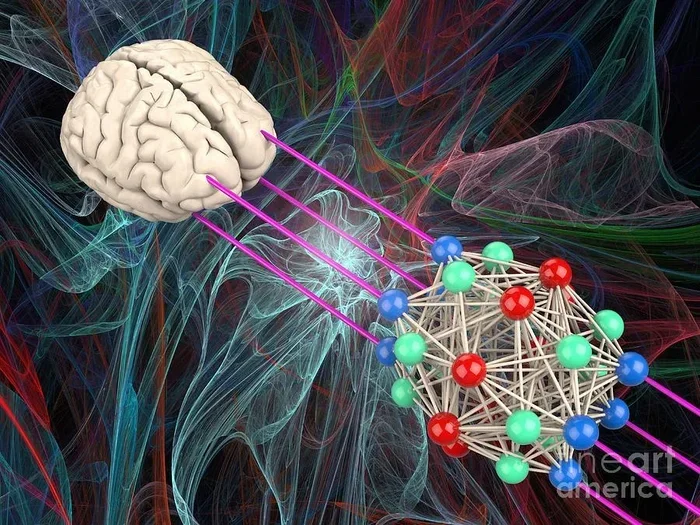
Now, if we want to talk about actual nerves connected to the brain, we need to look at the cranial nerves. These are 12 pairs of nerves that emerge directly from the brain and brainstem, bypassing the spinal cord entirely. They’re the brain’s direct lines of communication to your head, neck, and several vital organs.
Here’s a quick overview of what each cranial nerve pair does:
- Olfactory nerve (I): Controls your sense of smell
- Optic nerve (II): Handles vision
- Oculomotor nerve (III): Controls most eye movements
- Trochlear nerve (IV): Helps with downward eye movement
- Trigeminal nerve (V): Provides facial sensation and chewing function
- Abducens nerve (VI): Controls outward eye movement
- Facial nerve (VII): Manages facial expressions and taste
- Vestibulocochlear nerve (VIII): Handles hearing and balance
- Glossopharyngeal nerve (IX): Controls taste and swallowing
- Vagus nerve (X): Connects to major organs and regulates parasympathetic functions
- Accessory nerve (XI): Controls shoulder and neck muscles
- Hypoglossal nerve (XII): Manages tongue movements
These 24 individual nerves (12 pairs) serve as the critical communication bridge between your brain and the outside world. They’re why you can see a beautiful sunset, smell fresh coffee, smile at someone you love, and hear your favorite song.
Why Cranial Nerves Matter
The cranial nerves are essential for everyday functioning. Without them, your brain would be isolated — unable to receive sensory information or control basic functions. The vagus nerve, in particular, has gained significant attention in recent years because of its role in the gut-brain connection and its influence on emotional regulation.
Research has shown that the vagus nerve plays a key role in how we process emotions and respond to stress. This is particularly relevant when considering how our nervous system affects our relationships and emotional well-being. The way your brain processes feelings of love, anxiety, or excitement is deeply connected to how these cranial nerves transmit information between your brain and body.
The Central Nervous System: Brain and Spinal Cord Together
Visual guide about brain neural network
Image source: t3.ftcdn.net
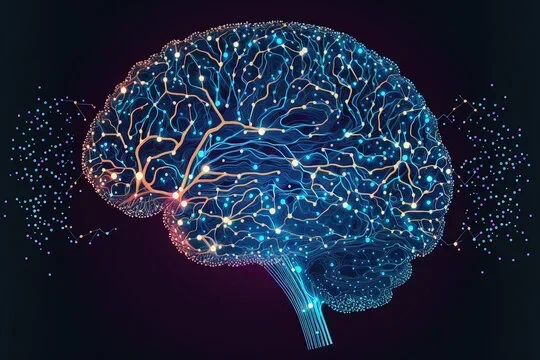
To fully understand how nerves work in the brain, you need to zoom out and look at the bigger picture: the central nervous system (CNS). The CNS consists of the brain and the spinal cord, and it works in tandem with the peripheral nervous system (PNS) to control everything your body does.
The brain itself is divided into several major regions, each with distinct functions:
The Cerebrum
The cerebrum is the largest part of the brain and is responsible for higher-order functions like reasoning, problem-solving, emotions, and voluntary movement. It’s divided into two hemispheres, each containing four lobes: frontal, parietal, temporal, and occipital. The cerebral cortex — the outer layer of the cerebrum — contains the highest concentration of neurons and is where most complex processing occurs.
The Cerebellum
Located at the back of the brain, the cerebellum contains more neurons than the rest of the brain combined. Despite being only about 10% of the brain’s total volume, it houses roughly 50 billion neurons. Its primary role is coordinating movement, balance, and motor learning.
The Brainstem
The brainstem connects the brain to the spinal cord and controls automatic functions like breathing, heart rate, and sleep cycles. This is where most of the cranial nerves originate, making it a critical hub for communication between the brain and the rest of the body.
How Neurons Communicate: The Real Magic
Visual guide about brain neural network
Image source: thumbs.dreamstime.com
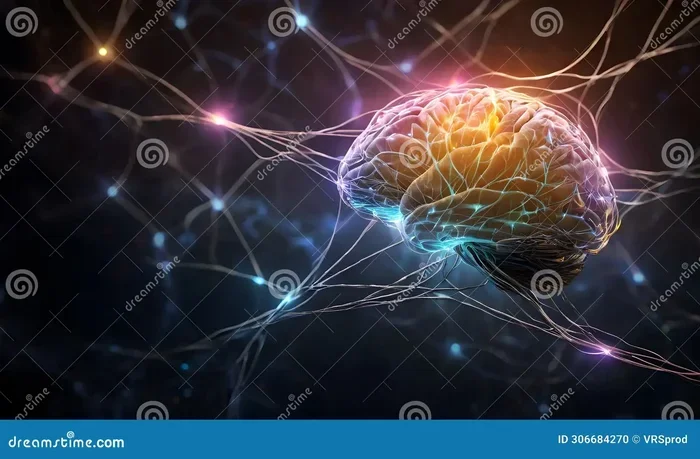
Understanding how many neurons are in the brain is fascinating, but the real wonder lies in how they communicate. Neurons don’t actually touch each other. Instead, they communicate across tiny gaps called synapses using chemical messengers called neurotransmitters.
Here’s how the process works:
- An electrical signal travels down the axon of a neuron
- When it reaches the end, it triggers the release of neurotransmitters
- These chemicals cross the synapse and bind to receptors on the next neuron
- The receiving neuron either fires its own signal or is inhibited from firing
- The neurotransmitters are then reabsorbed or broken down, clearing the synapse
This process happens millions of times every second in your brain. It’s the foundation of every thought, feeling, memory, and action you experience. When you feel a rush of excitement seeing someone you’re attracted to, that’s dopamine flooding your synapses. When you feel calm and content, that’s serotonin doing its work.
The connection between brain chemistry and emotional experience is profound. Understanding how your nervous system processes emotions can actually help you navigate relationships more effectively. Just as you might learn to recognize the signs you are in love, understanding the neuroscience behind those feelings can give you deeper insight into your emotional patterns.
Glial Cells: The Unsung Heroes of the Brain
When discussing how many nerves are in the brain, most people focus exclusively on neurons. But there’s another type of cell that’s equally important: glial cells. In fact, glial cells outnumber neurons by a ratio of roughly 1.5 to 1, meaning there are approximately 130 billion glial cells in the human brain.
Glial cells were once thought to be mere “glue” holding neurons together, but we now know they play critical roles in:
- Myelination: Oligodendrocytes produce myelin, the fatty sheath that insulates axons and speeds up signal transmission
- Immune defense: Microglia act as the brain’s immune cells, protecting against pathogens and clearing debris
- Homeostasis: Astrocytes help maintain the chemical environment neurons need to function properly
- Nutrient delivery: Glial cells help transport nutrients from blood vessels to neurons
Without glial cells, neurons couldn’t function. They’re the support staff that keeps the entire system running smoothly.
Brain Plasticity: Your Neural Network Is Always Changing
One of the most remarkable discoveries in modern neuroscience is the concept of neuroplasticity — the brain’s ability to reorganize itself by forming new neural connections throughout life. This means the 86 billion neurons in your brain aren’t fixed in their patterns. They’re constantly adapting based on your experiences, learning, and environment.
Every time you learn something new, practice a skill, or form a memory, your brain physically changes. New synapses form, existing ones strengthen or weaken, and in some cases, entirely new neurons are generated through a process called neurogenesis.
This has profound implications for personal growth and emotional resilience. Your brain is not hardwired to respond to situations in a fixed way. You can literally rewire your neural pathways through consistent practice and intentional effort. This is why therapy, mindfulness, and new experiences can be so transformative — they’re physically reshaping your brain.
The same principle applies to emotional well-being. Research shows that practices like gratitude, meditation, and positive social connection can strengthen neural pathways associated with happiness and reduce activity in stress-related circuits. It’s a powerful reminder that your brain is a dynamic, adaptable organ that responds to how you live your life.
Quick Tips: Supporting Your Brain’s Nervous System
Now that you understand how many nerves and neurons are in your brain, here are some practical ways to support your nervous system:
- Get quality sleep: Your brain consolidates memories and clears waste products during sleep
- Exercise regularly: Physical activity increases blood flow to the brain and promotes neurogenesis
- Eat brain-healthy foods: Omega-3 fatty acids, antioxidants, and B vitamins support neuronal health
- Manage stress: Chronic stress damages neurons and shrinks the hippocampus
- Stay mentally active: Learning new skills builds new neural connections
- Socialize: Meaningful social connection stimulates brain activity and emotional processing
- Practice mindfulness: Meditation has been shown to increase gray matter density in brain regions associated with emotional regulation
Common Mistakes People Make About Brain Nerves
Let’s clear up some common misconceptions:
- Mistake 1: Thinking the brain contains “nerves” like the rest of the body. The brain contains neurons and glial cells, not nerves in the peripheral sense.
- Mistake 2: Believing we only use 10% of our brain. We use virtually every part of the brain, and most of the brain is active almost all the time.
- Mistake 3: Assuming brain cells can’t regenerate. While most neurons aren’t replaced, neurogenesis does occur in specific brain regions throughout life.
- Mistake 4: Ignoring the role of glial cells. These cells are essential for brain function, not just passive support structures.
- Mistake 5: Thinking brain development stops in childhood. The brain continues developing into your mid-20s and remains plastic throughout life.
Expert Insight: What Neuroscience Tells Us About Connection
Neuroscience has revealed something beautiful about human connection. When we form close relationships, our brains release oxytocin — often called the “bonding hormone.” This neuropeptide strengthens social bonds, increases trust, and reduces fear responses in the brain.
The prefrontal cortex, located in the frontal lobe, plays a crucial role in evaluating partners, making relationship decisions, and regulating emotional responses. Meanwhile, the limbic system — including the amygdala and hippocampus — processes emotional memories and attaches feelings to experiences.
This means that every meaningful relationship you’ve ever had has literally shaped your brain’s architecture. The love you feel, the trust you build, and even the heartbreak you endure all leave neural signatures that influence how you connect with others in the future.
Understanding this can be incredibly empowering. It means that past relationship patterns aren’t permanent — your brain’s plasticity allows you to form new patterns, heal old wounds, and build healthier connections. Just as you might explore how happiness can be found even in the darkest of times, neuroscience shows us that our brains are wired for resilience and growth.
The Bigger Picture: Nervous System and Emotional Health
Your nervous system doesn’t operate in isolation. It’s intimately connected to your emotional health, your relationships, and your overall well-being. The autonomic nervous system — which controls involuntary functions like heart rate, digestion, and breathing — has two main branches:
- Sympathetic nervous system: Activates the “fight or flight” response during stress
- Parasympathetic nervous system: Promotes “rest and digest” functions and recovery
When these systems are balanced, you feel calm, present, and capable of handling life’s challenges. When they’re out of balance — often due to chronic stress, trauma, or unresolved emotional issues — it can affect everything from your sleep quality to your ability to connect with others.
This is why understanding your nervous system is so important for emotional well-being. By learning to recognize when your body is in a stress response and practicing techniques to activate the parasympathetic system, you can improve your emotional regulation and build stronger, healthier relationships.
Your emotional needs are just as important as your physical ones. Learning to identify and communicate emotional needs you should never ignore in a relationship starts with understanding how your brain processes and responds to emotional signals.
Conclusion: The Incredible Network Inside Your Head
So, how many nerves are in the brain? The answer is multifaceted. While there are 12 pairs of cranial nerves that emerge directly from the brain, the real magic lies in the approximately 86 billion neurons and 100 trillion synaptic connections that make up your brain’s internal communication network. Add in roughly 130 billion glial cells supporting the system, and you have the most complex structure known to science sitting right inside your skull.
Understanding the neuroscience behind your brain isn’t just an academic exercise. It has real implications for how you live, love, and connect with others. Your brain is constantly adapting, rewiring, and responding to your experiences. Every relationship you build, every challenge you overcome, and every moment of joy you experience shapes your neural architecture.
The takeaway is simple but profound: your brain is not fixed. It’s a living, breathing, constantly evolving organ that has the capacity to grow and change throughout your entire life. By supporting your nervous system through healthy habits, meaningful connections, and intentional emotional work, you’re not just improving your brain health — you’re building the foundation for a richer, more fulfilling life.
Frequently Asked Questions
How many neurons are in the human brain?
The average human brain contains approximately 86 billion neurons. These specialized cells process and transmit information through electrical and chemical signals, forming the basis of all brain function. Each neuron can connect to thousands of others, creating an incredibly complex network.
What are cranial nerves and how many are there?
There are 12 pairs of cranial nerves that emerge directly from the brain and brainstem. These nerves control essential functions like vision, smell, hearing, facial movement, and organ regulation. They serve as the brain’s direct communication lines to the head, neck, and several vital organs.
Are neurons the same as nerves?
No, neurons and nerves are different. A neuron is a single cell that processes information, while a nerve is a bundle of axons found primarily in the peripheral nervous system. The brain contains neurons and glial cells rather than nerves in the traditional sense.
How many synaptic connections are in the brain?
The human brain contains an estimated 100 trillion synaptic connections. These are the tiny gaps between neurons where chemical neurotransmitters pass signals from one cell to another, enabling all brain communication and function.
Can the brain grow new neurons?
Yes, through a process called neurogenesis, the brain can generate new neurons in specific regions throughout life. This discovery overturned the old belief that adults couldn’t produce new brain cells. Learning, exercise, and enriched environments all support neurogenesis.
What are glial cells and why are they important?
Glial cells are non-neuronal cells that outnumber neurons roughly 1.5 to 1 in the brain. They provide essential support functions including myelination, immune defense, nutrient delivery, and maintaining the chemical environment neurons need to survive and function properly.
