

When a narcissist loses control, their carefully constructed facade crumbles, revealing explosive and manipulative behaviors. Understanding how narcissists react when they aren’t in control is crucial for protecting your mental health. They often resort to rage, gaslighting, and smear campaigns to regain dominance over you.
Have you ever wondered what happens when you stop playing by a narcissist’s rules? Understanding how narcissists react when they aren’t in control can be a shocking but necessary awakening. When their power is threatened, they don’t just get upset—they unravel. Their extreme reactions are a desperate attempt to regain dominance and protect their fragile ego. In this guide, we will explore the volatile behaviors that emerge when a narcissist loses their grip and how you can safeguard your peace.
Dealing with a narcissist is like walking on eggshells. You constantly monitor your words and actions to avoid setting them off. But what happens when you decide to step off that tightrope? What happens when you assert your independence, set a boundary, or simply refuse to comply? The reaction is often swift, severe, and deeply unsettling. By learning to recognize these reactions, you can better prepare yourself and protect your emotional well-being.
Key Takeaways
- Narcissistic Injury: Losing control triggers a deep psychological wound called a narcissistic injury, threatening their fragile ego.
- Explosive Rage: They often react with intense, disproportionate anger known as narcissistic rage to intimidate you back into submission.
- Manipulation Tactics: Gaslighting and rewriting reality are common tools used to confuse you and regain the upper hand.
- The Silent Treatment: Withholding affection and communication is a punishing tactic designed to make you feel guilty and compliant.
- Smear Campaigns: They will ruin your reputation to isolate you and secure narcissistic supply from others.
- Boundary Setting: Establishing firm boundaries is essential, though it may escalate their behavior before it gets better.
- Self-Protection: Prioritizing your safety and mental well-being is the most important step when dealing with a narcissist’s loss of control.
📑 Table of Contents
- The Root of the Reaction: Narcissistic Injury
- Explosive Anger and Narcissistic Rage
- Manipulation Tactics: Gaslighting and Rewriting Reality
- The Silent Treatment and Withdrawal
- Social Warfare: Smear Campaigns and Flying Monkeys
- Protecting Yourself When They Lose Control
- Common Mistakes to Avoid
- Healthy Reaction vs. Narcissistic Reaction to Losing Control
- Expert Insight
- Quick Tips for Handling a Narcissist’s Loss of Control
The Root of the Reaction: Narcissistic Injury
To understand how narcissists react when they aren’t in control, you first need to understand their fragile self-esteem. Beneath the surface of confidence and grandiosity lies a deeply insecure individual. Their entire identity is built on a false self—a perfect, superior image they project to the world.
When you challenge their control, you aren’t just disagreeing with them. You are shattering their illusion. This psychological wound is known as a narcissistic injury. It is a devastating blow to their ego that they cannot process in a healthy way. Instead of feeling sadness or embarrassment, they feel intense shame and rage.
Why Control Equals Survival
For a narcissist, control is not just a preference; it is a survival mechanism. They need to dictate the narrative, the environment, and the people around them to feel safe. When they lose control, they feel an overwhelming sense of vulnerability. This vulnerability is so threatening that they will do anything to eliminate it. Their reaction is a defense mechanism designed to protect their fragile ego from collapsing entirely.
Explosive Anger and Narcissistic Rage
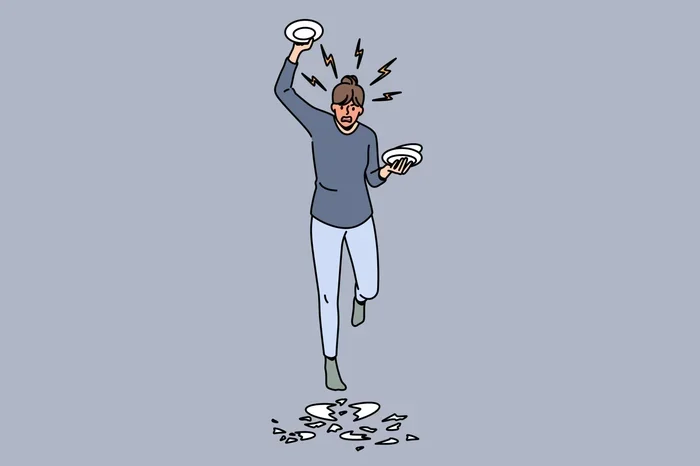
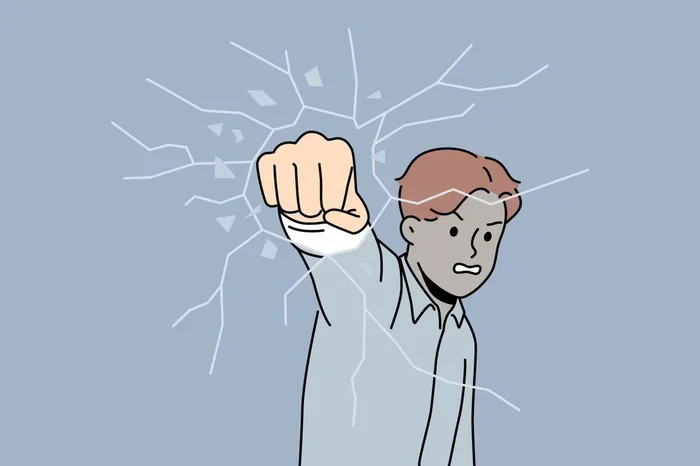
The most immediate and visible reaction to a loss of control is narcissistic rage. This is not ordinary anger. It is a disproportionate, explosive reaction to a perceived threat. The rage can be physical, verbal, or emotional, but its purpose is always the same: to intimidate you back into submission.
Verbal Outbursts and Intimidation
When a narcissist feels their control slipping, they often resort to screaming, yelling, and harsh criticism. They will attack your deepest insecurities and use your own vulnerabilities against you. The goal is to make you feel small, scared, and compliant. They want you to associate standing up for yourself with pain and humiliation.
Passive-Aggressive Rage
Not all rage is loud. Some narcissists react with cold, calculated passive aggression. They might make sarcastic comments, give you the silent treatment, or deliberately sabotage your efforts. This covert rage is just as damaging as explosive anger. It creates an environment of constant tension and anxiety, leaving you feeling like you are always on edge.
Manipulation Tactics: Gaslighting and Rewriting Reality
When direct anger doesn’t work, a narcissist will often turn to psychological manipulation. One of the most common tactics is gaslighting. Gaslighting is a form of psychological abuse that makes you question your own memory, perception, and sanity.
How Gaslighting Works
Imagine you confront a narcissist about a broken promise. Instead of admitting fault, they might say, “I never promised that. You must be imagining things.” Over time, these constant denials make you doubt your own reality. You start to believe that you are the problem. This confusion gives the narcissist the upper hand. If you cannot trust your own mind, you are much easier to control.
Playing the Victim
Another common manipulation tactic is playing the victim. When a narcissist loses control, they will often twist the narrative to make themselves the injured party. They might tell friends and family that you are abusive or unstable. By playing the victim, they gain sympathy and narcissistic supply from others, while isolating you from your support network.
The Silent Treatment and Withdrawal
The silent treatment is a powerful weapon in a narcissist’s arsenal. When they feel they aren’t getting the admiration or obedience they demand, they may completely shut down communication. This is not a healthy cooling-off period. It is a calculated punishment designed to make you feel anxious, guilty, and desperate for their approval.
The Psychological Impact of Silence
Being ignored by someone you care about is incredibly painful. The narcissist knows this. They use your emotional attachment against you. The silence creates a void that you feel compelled to fill. You might find yourself apologizing for things you didn’t do, just to get them to speak to you again. This dynamic reinforces their control over you.
Hoovering: The Sudden Return
Just when you think the relationship is over, the narcissist might suddenly reappear with affection and apologies. This tactic is known as hoovering. They suck you back in with love bombing and false promises of change. However, once they feel secure in your compliance, the controlling behaviors return. It is a vicious cycle that keeps you trapped in their web.
Social Warfare: Smear Campaigns and Flying Monkeys
When a narcissist can no longer control you directly, they will try to control how others perceive you. A smear campaign is a deliberate attempt to ruin your reputation. They will spread lies, exaggerate truths, and manipulate mutual friends or family members to turn against you.
Recruiting Flying Monkeys
In psychology, the term “flying monkeys” refers to people who do a narcissist’s bidding. These are often unwitting friends or family members who believe the narcissist’s lies. The narcissist will use these people to spy on you, spread rumors, or pressure you into returning to the relationship. It is a deeply isolating experience, but it is a testament to the narcissist’s desperation to regain control.
Preemptive Strikes
Often, a narcissist will launch a smear campaign before you even realize you are being abused. By discrediting you early on, they ensure that if you ever speak out about their behavior, no one will believe you. This preemptive strike is a calculated move to maintain their power and protect their public image.
Protecting Yourself When They Lose Control
Understanding how narcissists react when they aren’t in control is only half the battle. The other half is knowing how to protect yourself. Dealing with a narcissist’s extreme reactions requires careful planning, firm boundaries, and a strong support system.
Setting Firm Boundaries
Setting boundaries is essential, but it is not always easy. When you set a boundary, you are essentially telling the narcissist that their behavior is unacceptable. This will likely trigger a narcissistic injury and an explosive reaction. Stand your ground. Be clear, concise, and consistent. Remember, you are not responsible for their emotional reaction. Learning to protect your emotional needs is vital for your mental health.
The Grey Rock Method
The Grey Rock Method is a technique used to make yourself as uninteresting and unresponsive as possible. When a narcissist tries to provoke you, you respond with short, boring answers. You show no emotion. By becoming a “grey rock,” you stop providing the narcissistic supply they crave. Without supply, they may lose interest in controlling you.
Creating a Safety Plan
If you are dealing with a physically or severely emotionally abusive narcissist, safety must be your top priority. Create a safety plan that includes a safe place to go, important documents, and a trusted friend or family member to contact. If you are leaving a toxic relationship, do so carefully and discreetly. Narcissists are most dangerous when they feel they are losing their grip.
Seeking Professional Support
Dealing with a narcissist can leave deep psychological scars. A therapist who specializes in narcissistic abuse can help you heal, rebuild your self-esteem, and develop strategies for moving forward. You do not have to navigate this difficult journey alone.
Common Mistakes to Avoid
When you first start standing up to a narcissist, it is common to make mistakes. Here are a few pitfalls to avoid:
- JADEing: Do not Justify, Argue, Defend, or Explain your boundaries. Narcissists use your words as ammunition against you. State your boundary and stick to it.
- Expecting Empathy: Do not expect a narcissist to understand your feelings or show empathy. They are incapable of genuine emotional connection.
- Engaging in Their Games: Do not try to outsmart a narcissist at their own game. They have been manipulating people their whole lives. Focus on your own well-being instead.
- Ignoring the Lack of Gratitude: Accepting that a narcissist will never appreciate your sacrifices is crucial. Recognizing their lack of gratitude can help you let go of the need for their validation.
Healthy Reaction vs. Narcissistic Reaction to Losing Control
It is helpful to contrast how a healthy individual handles a loss of control versus how a narcissist reacts. This comparison highlights the stark difference in emotional maturity and coping mechanisms.
| Scenario | Healthy Reaction | Narcissistic Reaction |
|---|---|---|
| A partner sets a boundary | Respects the boundary and communicates openly about feelings. | Explodes in rage, calls the partner selfish, or gives the silent treatment. |
| Losing an argument | Accepts the loss gracefully and looks for a compromise. | Gaslights, rewrites history, or launches a personal attack. |
| Being criticized | Listens to the feedback and reflects on their behavior. | Plays the victim, counter-attacks, or starts a smear campaign. |
| Being left by a partner | Feels sad but respects the partner’s decision and seeks closure. | Hoovering, threatening, or spreading vicious rumors about the ex-partner. |
Expert Insight
According to experts in narcissistic personality disorder, the extreme reactions to losing control stem from a profound inability to regulate self-esteem. A narcissist’s sense of self is entirely dependent on external validation. When that validation is threatened, they experience a psychological collapse. Their rage and manipulation are not signs of strength, but rather desperate attempts to stabilize a crumbling ego. Recognizing this can help victims depersonalize the abuse and focus on their own recovery.
Visual guide about angry person breaking object
Image source: static.vecteezy.com
Visual guide about angry person breaking object
Image source: shutterstock.com
Visual guide about angry person breaking object
Image source: static.vecteezy.com
Quick Tips for Handling a Narcissist’s Loss of Control
- Stay Calm: Do not match their emotional intensity. Your calmness can de-escalate the situation.
- Document Everything: Keep a record of abusive incidents, especially if a smear campaign is likely.
- Limit Contact: If possible, reduce your interactions with the narcissist to protect your peace.
- Build a Support Network: Surround yourself with people who believe and support you.
- Trust Your Instincts: If a situation feels unsafe, remove yourself immediately.
Frequently Asked Questions
Why do narcissists need to be in control?
Narcissists need to be in control to protect their fragile self-esteem and maintain their grandiose self-image. When they control their environment and the people in it, they feel safe and superior. Losing control triggers a narcissistic injury, making them feel vulnerable and ashamed.
What is narcissistic injury?
Narcissistic injury is the psychological wound a narcissist experiences when their ego is threatened. This can happen through criticism, rejection, or a loss of control. Because they cannot process healthily, this injury often results in narcissistic rage, gaslighting, or withdrawal.
Can a narcissist change when they lose control?
While anyone can theoretically change, narcissists rarely do because they lack the self-awareness and empathy required for genuine introspection. Their extreme reactions to losing control are deeply ingrained defense mechanisms. Long-term therapy is the only path to change, but most narcissists do not seek it.
Is it safe to argue with a narcissist?
Arguing with a narcissist is generally unproductive and can be unsafe. They do not argue in good faith; they argue to win and to dominate. If you must engage, keep your emotions in check and be prepared to walk away if the situation escalates.
How do I set boundaries with a narcissist?
Setting boundaries with a narcissist requires clarity, consistency, and firmness. State your boundary simply without over-explaining. Be prepared for them to push back or punish you for it. Remember, a boundary is not about controlling their behavior; it is about protecting your own well-being.
What should I do if a narcissist starts a smear campaign?
If a narcissist starts a smear campaign, the best reaction is often no reaction. Do not try to defend yourself to people who believe the lies, as this often adds fuel to the fire. Instead, rely on your trusted support system and maintain your dignity. The truth usually reveals itself over time.
