

Dreaming of someone dying who is still alive is more common than you might think. These vivid dreams rarely predict actual death. Instead, they often symbolize major life transitions, emotional shifts, or the end of a relationship dynamic. Understanding the meaning behind these dreams can bring clarity to your waking life and help you process hidden emotions.
Have you ever woken up in a cold sweat after dreaming that someone you love died? Maybe it was your partner, a parent, a close friend, or even a coworker. The dream felt so real that the anxiety lingered for hours. Then you checked your phone, saw they were fine, and felt confused. What did it mean?
Dream of someone dying who is still alive is one of the most unsettling dream experiences people report. The good news? These dreams almost never predict actual death. Instead, they carry powerful symbolic meaning about your emotional world, your relationships, and the changes happening inside you.
In this comprehensive guide, we will explore why these dreams happen, what they really mean, and how you can use their messages to grow. Whether you had this dream once or keep having it repeatedly, understanding the deeper meaning can bring real peace of mind.
Key Takeaways
- Death dreams rarely predict real death. They typically symbolize transformation, change, or emotional transitions in your life.
- Your subconscious processes emotions through symbols. Death in dreams often represents the end of a phase, habit, or relationship dynamic.
- The person in your dream matters. Who dies in your dream can reveal which relationship or aspect of yourself needs attention.
- These dreams often reflect anxiety or loss of control. Stress, major life changes, and unresolved feelings frequently trigger death-related dreams.
- Recurring death dreams deserve attention. If these dreams keep happening, your subconscious is urgently trying to communicate something important.
- You can take action after these dreams. Journaling, reflection, and addressing unresolved emotions can reduce their frequency and intensity.
- Cultural and spiritual perspectives offer additional insight. Many traditions view death dreams as messages of renewal rather than literal warnings.
📑 Table of Contents
- Why Do We Dream Of Someone Dying Who Is Still Alive?
- Common Meanings Behind Dreams Of Someone Dying
- What Your Subconscious Is Really Telling You
- Spiritual And Cultural Perspectives On Death Dreams
- How To Respond When You Have This Dream
- Understanding Dream Symbolism: A Comparison
- Common Mistakes People Make With Death Dreams
- How Death Dreams Connect To Your Waking Relationships
- Practical Tips For Processing Death Dreams
- When Recurring Death Dreams Signal Something Deeper
- Conclusion: Embracing The Message Behind Death Dreams
Why Do We Dream Of Someone Dying Who Is Still Alive?
Dreams about death disturb us more than almost any other dream type. But understanding why they happen takes away much of their power to frighten us.
Your subconscious mind communicates through symbols. It does not speak in literal language. When your brain needs to process complex emotions like fear, change, loss, or transformation, it uses death as a powerful metaphor.
Think of it this way. When something ends in your life, a part of your old reality “dies.” A relationship dynamic shifts. A job changes. A belief system evolves. Your subconscious captures this internal transformation and presents it as death in your dreams.
Several psychological factors commonly trigger these dreams:
- Major life transitions: Moving, changing jobs, getting married, or having a baby can all spark death dreams.
- Relationship changes: When a relationship evolves or deteriorates, your subconscious may process this as a form of death.
- Unresolved conflict: Arguments, tension, or unspoken feelings toward someone can manifest as death imagery.
- Anxiety and stress: High stress levels make your brain more likely to produce intense, dramatic dream content.
- Fear of loss: Sometimes you dream about losing someone simply because you love them and fear that loss deeply.
- Personal growth: As you evolve, old versions of yourself must “die” to make room for who you are becoming.
The Science Behind Death Dreams
Research in sleep psychology shows that death dreams peak during periods of significant change and emotional processing. Your brain consolidates memories and processes emotions during REM sleep. When you are going through intense experiences, your dreaming mind works overtime.
Studies have found that people experiencing grief, major transitions, or high anxiety report death-themed dreams far more frequently than those in stable periods. This confirms that these dreams reflect your internal state rather than external predictions.
Common Meanings Behind Dreams Of Someone Dying
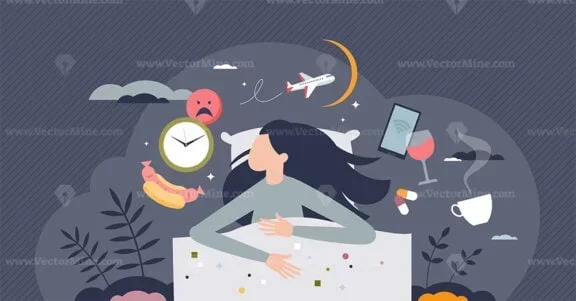
Visual guide about troubled sleep concept
Image source: bunny-wp-pullzone-lcnorhfy96.b-cdn.net
Now let us dig into the specific meanings. The interpretation depends heavily on who died in your dream and your relationship with that person.
Dreaming Of A Partner Dying
When your significant other dies in a dream, it rarely means you want them gone. More commonly, it signals anxiety about the relationship or fear of losing the connection you share.
Perhaps you have noticed growing distance. Maybe trust has been shaken. Or maybe you are simply afraid of how much you depend on them emotionally. If you have been experiencing signs of a dying relationship, your subconscious may be processing those fears through death symbolism.
Common interpretations include:
- Fear of abandonment or rejection
- Unresolved conflicts creating emotional distance
- Major changes in the relationship dynamic
- Anxiety about commitment or vulnerability
- Feeling like you are losing yourself in the relationship
Dreaming Of A Parent Dying
Parent death dreams are among the most emotionally intense. These often reflect your evolving relationship with authority, security, or your own independence.
If you are going through a period of becoming more independent, your subconscious may process this separation as a symbolic death. Alternatively, these dreams can reflect genuine concern about an aging parent or fear of losing their support.
Dreaming Of A Friend Dying
When a friend dies in your dream, consider whether that friendship has been changing or fading. Perhaps you have grown apart. Maybe there is unspoken tension or jealousy affecting the connection. Sometimes these dreams surface when we recognize that a friendship has run its course, even if we have not acknowledged it consciously.
Dreaming Of Yourself Watching Someone Die
This variation often points to feelings of helplessness in your waking life. You may feel unable to help someone who is struggling, or powerless to prevent a situation from deteriorating. This dream highlights your desire to protect others and your frustration when you cannot.
What Your Subconscious Is Really Telling You

Visual guide about troubled sleep concept
Image source: thumbs.dreamstime.com
Every dream of someone dying who is still alive carries a personal message. To decode yours, ask yourself these questions:
- What was I feeling in the dream? Fear, relief, sadness, or numbness all point to different meanings.
- What is currently changing in my relationship with this person? Look for shifts in communication, closeness, or dynamics.
- What part of myself does this person represent? Sometimes people in dreams symbolize aspects of our own personality.
- What am I afraid of losing? The dream may highlight something you value but feel is slipping away.
- What needs to end or transform in my life? Death dreams often point to necessary endings.
Emotional Processing Through Dreams
Your dreaming mind does something remarkable. It processes emotions that your waking mind avoids. If you have been suppressing fear, grief, anger, or anxiety, your dreams give those feelings a stage to play out.
This is actually a healthy function. Your brain is trying to help you work through difficult emotions in a safe space. When you wake up feeling disturbed, that discomfort is an invitation to explore what you have been avoiding.
Spiritual And Cultural Perspectives On Death Dreams
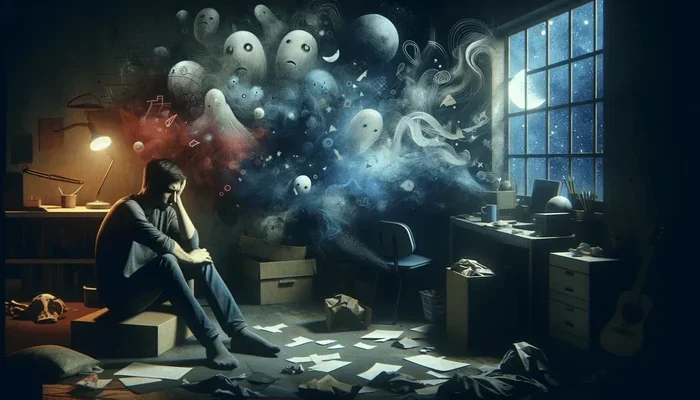
Visual guide about troubled sleep concept
Image source: easysleepguide.com
Across cultures and spiritual traditions, death in dreams carries rich symbolic meaning that goes far beyond literal interpretation.
Symbolism Of Rebirth And Renewal
Many spiritual traditions view death dreams as powerful symbols of transformation and new beginnings. Just as seasons die in winter and are reborn in spring, your dream may signal that one chapter of your life is ending so a better one can begin.
In this context, dreaming of someone dying who is still alive could mean that a significant positive change is approaching. The death represents the clearing away of old patterns, beliefs, or situations that no longer serve you.
Messages From The Divine
Some spiritual practitioners believe that death dreams can carry divine messages or warnings. These are not predictions of physical death but rather urgent calls to pay attention to something important in your life.
Perhaps you need to repair a relationship. Maybe you need to change a harmful habit. Or perhaps you need to trust a new direction even though it feels uncomfortable. If you are spiritually inclined, you might find it helpful to explore signs God is showing you someone is not right for you as part of your broader spiritual discernment.
Ancestral And Intuitive Connections
Some belief systems suggest that death dreams reflect intuitive connections with others. You may be picking up on someone’s emotional state, spiritual struggle, or need for support without realizing it consciously. This does not mean the person is actually dying. It means they may need your love, attention, or prayers.
How To Respond When You Have This Dream
Waking up from a death dream can leave you shaken. Here is how to respond in healthy, productive ways.
Immediate Steps After Waking
- Breathe and ground yourself. Remind yourself that you are safe and the dream was symbolic.
- Write down everything you remember. Details fade quickly, so capture them immediately.
- Note your emotions. What did you feel during and after the dream?
- Do not panic or make drastic decisions. One dream does not require immediate action.
- Reach out if needed. If the dream involved someone you love, a simple text to check on them can ease your anxiety.
Deeper Reflection Practices
Once the initial shock fades, engage in thoughtful reflection to extract the dream’s message:
- Journal about the dream. Write freely about what the dream brought up for you emotionally.
- Identify current life changes. What is shifting in your world right now?
- Examine your relationship with the person. Is there something unspoken or unresolved?
- Look for patterns. Do you have recurring themes in your dreams?
- Consider talking to someone. A trusted friend, counselor, or spiritual advisor can offer valuable perspective.
When To Seek Professional Support
Most death dreams are normal and healthy. However, consider seeking professional help if:
- The dreams are recurring and causing significant distress
- You are experiencing anxiety or depression alongside the dreams
- The dreams are disrupting your sleep regularly
- They are connected to past trauma that needs processing
- You feel unable to function normally due to dream-related fear
Understanding Dream Symbolism: A Comparison
Not all death dreams carry the same weight or meaning. Here is a quick reference to help you understand different scenarios:
| Dream Scenario | Common Meaning | Action Step |
|---|---|---|
| Partner dies | Relationship anxiety or dynamic shift | Communicate openly about feelings |
| Parent dies | Fear of losing security or independence growth | Reflect on changing family dynamics |
| Friend dies | Friendship evolving or fading | Reach out or accept the change |
| Stranger dies | Unknown aspect of self transforming | Explore personal growth opportunities |
| Child dies | Fear of failure as a parent or protector | Address parenting anxieties |
| You cause the death | Guilt or feeling responsible for change | Practice self-compassion and forgiveness |
| Peaceful death | Acceptance of necessary change | Embrace the transition ahead |
| Violent death | Resistance to change or intense conflict | Address anger or fear directly |
Common Mistakes People Make With Death Dreams
How you interpret and respond to these dreams matters enormously. Avoid these common mistakes:
Mistake 1: Taking Dreams Literally
The biggest error is believing the dream predicts actual death. This almost never happens. Dreams speak in metaphor and symbol. Treating them as literal predictions creates unnecessary fear and panic.
Mistake 2: Ignoring The Message
On the flip side, dismissing the dream entirely means missing valuable insight. Your subconscious chose death imagery for a reason. That reason deserves your attention.
Mistake 3: Blaming Yourself
Some people feel guilty after dreaming of someone’s death, as if the dream revealed a hidden wish. This is not how dreams work. Having this dream does not mean you want harm to come to anyone.
Mistake 4: Making Major Life Decisions Based On One Dream
Never end a relationship, quit a job, or make a dramatic change because of a single dream. Dreams provide insight, not instructions. Use them as one piece of information among many.
Mistake 5: Not Tracking Patterns
If death dreams happen repeatedly, there is an important pattern to recognize. Keeping a dream journal helps you identify triggers and themes over time.
How Death Dreams Connect To Your Waking Relationships
Your dreams about someone dying often mirror the real state of that relationship. This connection is powerful and worth exploring.
Relationships In Transition
When a relationship is going through a major shift, your subconscious processes this as a kind of death. The old version of the relationship is ending. Something new is trying to emerge. This can feel threatening even when the change is ultimately positive.
For example, if you and a friend have been growing apart due to different life paths, your dream might dramatize this distance as death. The dream is not predicting the friendship’s end. It is acknowledging that the friendship as you knew it is transforming.
Unspoken Emotions
Sometimes death dreams surface because you are carrying emotions you have not expressed. Anger, resentment, disappointment, or fear toward someone can build up unconsciously. Your dreaming mind releases this pressure through dramatic imagery.
If you have been dealing with someone who expresses intense emotions, your dreams might process the stress of that dynamic. The death symbolizes your desire for the emotional intensity to end or change.
Fear Of Vulnerability
Deep relationships require vulnerability. When you love someone deeply, you also open yourself to potential loss. Death dreams can reflect this fundamental tension between the desire for connection and the fear of being hurt.
Practical Tips For Processing Death Dreams
Here are actionable strategies to help you work with these dreams constructively:
- Start a dream journal. Keep it by your bed and write immediately upon waking.
- Practice stress reduction. Lower overall anxiety reduces intense dream frequency.
- Address relationship issues directly. If the dream points to a real problem, take steps to resolve it.
- Create a calming bedtime routine. Reduce stimulation before sleep to promote gentler dreams.
- Talk about your dreams. Sharing with trusted people provides new perspectives.
- Practice meditation or prayer. These practices help process emotions before they reach dream state.
- Consider therapy for recurring dreams. A professional can help you uncover deeper patterns.
Building Emotional Awareness
The more attuned you are to your waking emotions, the less dramatically your subconscious needs to communicate. When you acknowledge and process feelings during the day, your dreams often become less intense.
Practice checking in with yourself regularly. Ask: What am I feeling right now? What am I avoiding? What needs attention? This simple habit can transform your dream life.
When Recurring Death Dreams Signal Something Deeper
If you keep dreaming about the same person dying, your subconscious is trying hard to get your attention. Recurring dreams indicate unresolved issues that need conscious engagement.
Possible Reasons For Recurring Death Dreams
- Unresolved grief: Past losses that were never fully processed
- Chronic anxiety: Ongoing stress that your mind keeps trying to resolve
- Trauma responses: Past traumatic experiences affecting your dream content
- Suppressed emotions: Feelings you consistently avoid during waking hours
- Major unresolved relationship issues: Conflicts or tensions that remain unaddressed
Breaking The Cycle
To reduce recurring death dreams, address the underlying issue directly. This might mean having a difficult conversation, setting a boundary, processing old grief, or making a change you have been avoiding.
If you notice that your dreams frequently involve people from your past, you might benefit from exploring what it means when you dream about someone more broadly. Understanding your personal dream language takes time but brings tremendous clarity.
Conclusion: Embracing The Message Behind Death Dreams
Dream of someone dying who is still alive experiences are powerful, unsettling, and deeply meaningful. They are not predictions of doom. They are invitations to pay attention to your emotional world.
Your subconscious uses the most dramatic imagery possible because it wants you to wake up and take notice. Something in your life needs acknowledgment, processing, or transformation. The death in your dream represents the ending that makes new beginnings possible.
The next time you have this dream, resist the urge to panic. Instead, get curious. Ask yourself what is changing, what you fear losing, and what your heart needs you to address. Write down the details. Reflect honestly. And if the message still feels unclear, seek support from someone you trust.
Dreams are one of the most personal forms of guidance available to you. They know things about your inner world that your conscious mind has not yet recognized. By learning to listen to them without fear, you open yourself to deeper self-awareness and more authentic living.
Your dreams are not your enemies. They are messengers. And sometimes the most important messages arrive wrapped in the most unexpected packages.
Frequently Asked Questions
What is Dream Of Someone Dying Who Is Still Alive?
Dream Of Someone Dying Who Is Still Alive is an important topic with many practical applications.
