
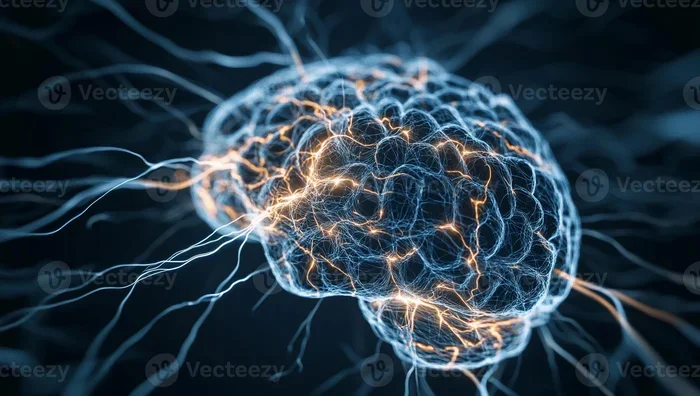
Have you ever wondered what happens in the final moments of life? The idea that when a person dies they have 7 minutes of brain activity is a fascinating scientific discovery. This phenomenon reveals a sudden surge of brain waves after the heart stops. In this article, we will explore the science behind these final moments and discuss how this knowledge can transform your relationships, helping you cherish every second with the people you love.
Death is the greatest mystery of human existence. For centuries, we have wondered what happens when we take our final breath. Does everything just go black? Or is there something more? Recent scientific discoveries have shed light on this profound question. Researchers have found that when a person dies they have 7 minutes of brain activity. This is not just a random firing of neurons. It is a highly organized, intense surge of brain waves. What does this mean for us? How does it change the way we view life, death, and love? In this article, we will dive deep into the science of the dying brain. We will also explore the emotional and relational lessons we can take away from this incredible discovery. Understanding this phenomenon can help you appreciate your partner more and live a life with zero regrets.
Key Takeaways
- Brain Surge: When a person dies, they experience a sudden surge of brain activity, often lasting around 7 minutes after the heart stops.
- Gamma Waves: This activity is primarily linked to gamma waves, which are associated with high-level consciousness, memory recall, and dreaming.
- Life Review: Many experts believe this 7-minute window facilitates a “life review,” where a person relives key memories and emotional connections.
- Consciousness: The brain may remain partially aware for several minutes after clinical death, challenging our traditional understanding of the dying process.
- Relationship Impact: Understanding the brain’s final moments highlights the importance of building strong, loving relationships while we are alive.
- Emotional Needs: This phenomenon reminds us to never ignore the emotional needs of our partners, as our connections define our life’s meaning.
- Living Fully: Knowing our time is finite encourages us to live fully, love deeply, and avoid taking our loved ones for granted.
📑 Table of Contents
The Science Behind the 7 Minutes
When we talk about death, we usually think of a single moment. The heart stops, and life ends. But science tells us a different story. The process of dying is a complex biological event. It takes time for the body to shut down completely. The brain, in particular, does not just turn off like a light switch. Instead, it goes through a series of dramatic changes.
What Happens to the Brain at Death?
When the heart stops beating, the brain is immediately deprived of oxygen. This state is known as anoxia. Without oxygen, brain cells begin to die. However, this process is not instant. The brain has a small reserve of oxygen and glucose. It uses this reserve to keep functioning for a few extra minutes. During these final minutes, the brain enters a hyperactive state. Neurons fire rapidly, creating a massive spike in electrical activity. This is the 7-minute window that scientists have observed.
The Surge of Gamma Waves
The most fascinating part of this 7-minute window is the type of brain waves produced. The brain generates several types of waves. Beta waves occur when we are awake and alert. Alpha waves happen when we are relaxed. But during these final minutes, the brain produces gamma waves. Gamma waves are the fastest brain waves in the human body. They are associated with high-level information processing, memory recall, and intense dreaming. When a person dies, their brain essentially enters a state of hyper-consciousness. It is as if the brain is working overtime to process a lifetime of experiences in just a few minutes.
The Dying Brain Hypothesis
Scientists call this the “dying brain hypothesis.” This theory suggests that the brain has a built-in mechanism to help us cope with the trauma of death. As oxygen levels drop, the brain releases a flood of neurochemicals. These chemicals act as a protective mechanism. They trigger vivid hallucinations, memories, and a sense of peace. This explains why so many people who have had near-death experiences report seeing bright lights, deceased loved ones, or reliving their lives. The brain is essentially creating a final, comforting reality for the dying person.
What Does This Mean for Consciousness After Death?
The discovery that when a person dies they have 7 minutes of brain activity raises a huge question. Are we conscious during this time? Can we think, feel, and remember? The answer is complicated, but the evidence points to yes. The brain is clearly processing information. It is pulling up deep memories. It is generating vivid internal experiences. This suggests that consciousness does not simply vanish the moment the heart stops. Instead, it lingers for a brief period.
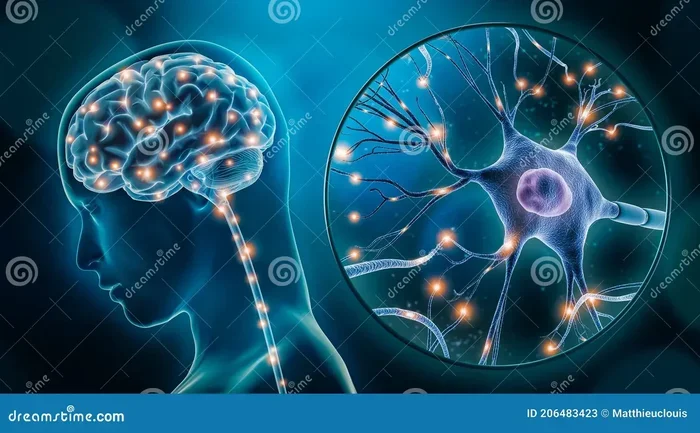
Visual guide about brain neural activity
Image source: thumbs.dreamstime.com
Are We Aware During Those 7 Minutes?
We cannot ask a deceased person what they felt. However, we can look at the experiences of cardiac arrest survivors. Many people who have been revived after their hearts stopped report being aware of their surroundings. They describe hearing doctors speak or seeing family members crying. Others report a profound internal journey. They feel a sense of detachment from their bodies. They experience a deep peace. This suggests that some level of awareness persists even after clinical death occurs. The 7-minute window may be a state of heightened, altered consciousness.
Life Review and Near-Death Experiences
One of the most common reports from near-death experiences is the “life review.” People describe watching their lives flash before their eyes. But it is not just a movie. They feel the emotions of every person they have ever interacted with. They feel the joy they brought to others. They also feel the pain they caused. This intense emotional experience aligns perfectly with the surge of gamma waves. The brain is essentially downloading a lifetime of emotional data. It is processing the sum total of a person’s existence. This life review happens in an instant, yet it feels like an eternity to the person experiencing it.
The Emotional Impact: Why This Matters in Relationships
You might be wondering why we are discussing the science of death on a site about dating and relationships. The answer is simple. Understanding death teaches us how to live. It teaches us how to love. If the brain spends its final moments reliving our most important memories, then our relationships are the most valuable thing we have. Every interaction we have with our partner is being recorded. It becomes a part of our life’s tapestry.
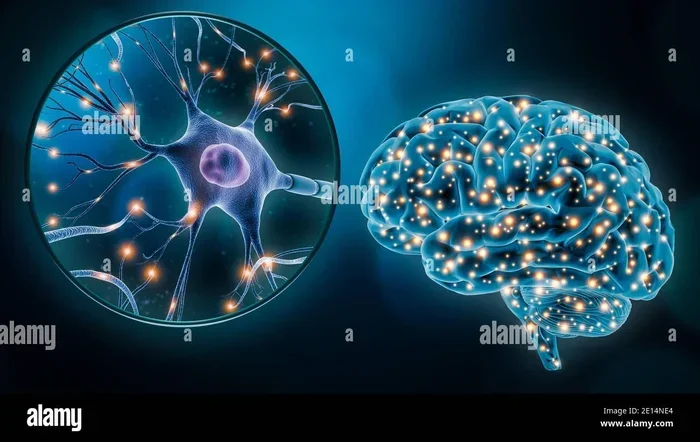
Visual guide about brain neural activity
Image source: c8.alamy.com
Cherishing Every Moment With Loved Ones
When we realize that our time is finite, we stop sweating the small stuff. That argument about whose turn it is to do the dishes suddenly seems trivial. The brain does not care about the dishes. It cares about the love you share. It cares about the laughter, the hugs, and the quiet moments of connection. Knowing that when a person dies they have 7 minutes of brain activity should inspire us to be present. Put down your phone. Look into your partner’s eyes. Listen to them. These are the moments that will make up your life review.
Addressing Unresolved Conflicts
If the brain processes our emotional interactions at the end of life, then unresolved conflicts become a heavy burden. Holding onto anger or resentment is like drinking poison and expecting the other person to die. At the end of your life, you will not remember the argument. You will remember the pain it caused. It is crucial to resolve conflicts in your relationships now. Learn to forgive. Learn to communicate. If you are struggling to connect with your partner, you must address the emotional needs you should never ignore in a relationship. Ignoring these needs creates emotional distance. That distance will only cause regret in the end.
The Danger of Taking People for Granted
We often assume our partners will always be there. We take their presence for granted. We assume we can apologize tomorrow, express our love next week, or spend quality time together next month. But life is unpredictable. Death can happen at any moment. If you are not nurturing your relationship, you are letting it die a slow death. Do not wait until the 7-minute window to realize you should have been more affectionate. If your partner is failing to appreciate you, you may need to teach him a lesson when he takes you for granted. Value yourself enough to demand the love you deserve. And make sure you are giving that same love in return.
Finding Peace at the End of Life
The ultimate goal of life is to find peace. We all want to look back on our lives with a sense of fulfillment. We want to know that we loved well and lived authentically. The 7-minute brain activity window shows us that our final moments are deeply tied to our emotional state. People who die with a clear conscience and a full heart are more likely to experience a peaceful transition. Those who die with regret and unresolved trauma may struggle.
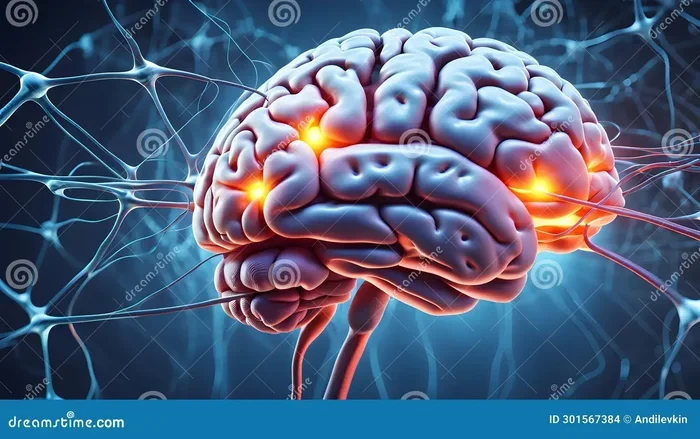
Visual guide about brain neural activity
Image source: thumbs.dreamstime.com
How to Make Peace With Yourself
Finding peace is not something that happens overnight. It is a daily practice. It requires you to forgive yourself for past mistakes. It requires you to accept your flaws and the flaws of others. You must learn to let go of the things you cannot control. If you want to experience a peaceful end, you must cultivate peace in your heart today. Learn how it feels to finally have peace with yourself. When you make peace with who you are, you stop seeking validation from others. You can love your partner without needing them to fix you. This creates a healthy, balanced relationship.
Letting Go of Regrets
Regrets are heavy. They weigh down the soul. At the end of your life, your brain will process every regret you have. Do you really want to spend your final minutes reliving missed opportunities? Do you want to feel the pain of words left unspoken? The best way to avoid regret is to take action now. Tell people you love them. Chase your dreams. Take risks. Live boldly. If you are in a relationship, give it your all. Do not hold back your love out of fear of getting hurt. The only true regret is not trying at all.
Common Myths About the Dying Brain
There is a lot of misinformation about what happens when we die. Movies and television shows often depict death as a sudden, dramatic event where the person simply closes their eyes and goes to sleep. The reality is much more complex. Let us debunk some common myths.
| Myth | Fact |
|---|---|
| The brain shuts down instantly when the heart stops. | The brain remains active for several minutes after cardiac arrest, experiencing a surge of gamma waves. |
| Death is a painful, terrifying process. | The brain releases protective neurochemicals that often induce a sense of peace and euphoria. |
| You are completely unconscious during the 7-minute window. | The surge in gamma waves suggests a state of heightened consciousness and memory recall. |
| Only people who have near-death experiences have brain surges. | Brain surges have been observed in dying patients who do not survive, indicating it is a universal biological process. |
Quick Tips for Understanding the Dying Process
- Read the research: Look up studies on gamma waves and cardiac arrest to understand the science.
- Talk to survivors: Listen to the stories of people who have had near-death experiences.
- Stay grounded: Remember that death is a natural part of the life cycle.
- Focus on the present: Use this knowledge to appreciate the time you have right now.
Common Mistakes People Make
- Ignoring the signs: Dismissing a partner’s emotional needs because you are too busy.
- Avoiding the topic: Being afraid to talk about death with your loved ones.
- Living in denial: Pretending you will live forever and wasting time on trivial matters.
- Holding grudges: Letting anger fester instead of resolving conflicts.
Expert Insights
Dr. Sam Parnia, a leading researcher in near-death experiences, has found that consciousness may continue for some time after clinical death. He emphasizes that the brain’s final surge is not random noise. It is a highly structured event. This suggests that the dying process is biologically designed to ease the transition out of life. Understanding this can reduce our fear of death and help us focus on what truly matters: love and connection.
How to Apply This Wisdom to Your Daily Life
Knowing that when a person dies they have 7 minutes of brain activity is a powerful motivator. It forces you to reevaluate your priorities. Are you spending your time on things that actually matter? Or are you getting bogged down by stress, anger, and superficial concerns? Here are some practical ways to apply this wisdom to your daily life and your relationships.
Practice Daily Gratitude
Gratitude is the antidote to taking things for granted. Every day, take a moment to appreciate your partner. Thank them for the small things they do. Thank them for simply being in your life. This simple practice shifts your focus from what is lacking to what is abundant. When you are grateful, you emit positive energy. This energy strengthens your bond and creates a loving environment.
Communicate Openly and Honestly
Communication is the foundation of any healthy relationship. Do not make your partner guess what you are thinking or feeling. Express your needs clearly. Listen to their needs without judgment. If you have a problem, address it immediately. Do not let resentment build up. Remember, your brain will process every emotional interaction at the end of your life. Make sure those interactions are positive and loving.
Be Fully Present
When you are with your partner, be with them. Do not think about work. Do not scroll through social media. Give them your full attention. Eye contact is incredibly powerful. It creates a deep sense of connection and intimacy. When you are fully present, you create meaningful memories. These memories will sustain you both in your final moments.
Forgive Freely
No one is perfect. We all make mistakes. Your partner will hurt you, and you will hurt them. Forgiveness is not about excusing bad behavior. It is about freeing yourself from the burden of anger. When you forgive, you release negative energy. You make room for love to flow back into your relationship. Do not wait until you are on your deathbed to forgive. Do it now.
Prioritize Quality Time
Life gets busy. It is easy to get caught up in the daily grind. But quality time is essential for a thriving relationship. Schedule regular date nights. Go for walks together. Cook a meal together. These shared experiences build a reservoir of positive memories. They create a strong bond that can withstand any storm. At the end of your life, you will not remember the extra hours you worked. You will remember the moments you shared with the one you love.
Frequently Asked Questions
Is it true that when a person dies they have 7 minutes of brain activity?
Yes, scientific research has shown that the brain can remain active for several minutes after the heart stops. During this time, there is often a surge of gamma waves, which are associated with memory recall and high-level consciousness.
What are gamma waves?
Gamma waves are the fastest type of brain wave in the human body. They are associated with states of heightened perception, learning, and consciousness. In the dying brain, they are thought to facilitate the “life review” process.
Can a person hear you after they die?
Some researchers believe that hearing may be the last sense to go. While the brain is still active during those final minutes, it is possible that a dying person can still perceive sounds and voices around them, even if they cannot respond.
What is a life review?
A life review is a phenomenon often reported by people who have had near-death experiences. It involves reliving key moments from your life, often feeling the emotional impact of your actions on other people.
How does this research help us in our relationships?
Understanding that our brain relives our most important memories at the end of life highlights the value of our relationships. It encourages us to be more present, loving, and forgiving with our partners while we are still alive.
Does this mean consciousness survives death?
The research shows that brain activity continues for a short time after clinical death. However, whether consciousness survives permanently after those 7 minutes remains a mystery and a matter of ongoing scientific and philosophical debate.
