
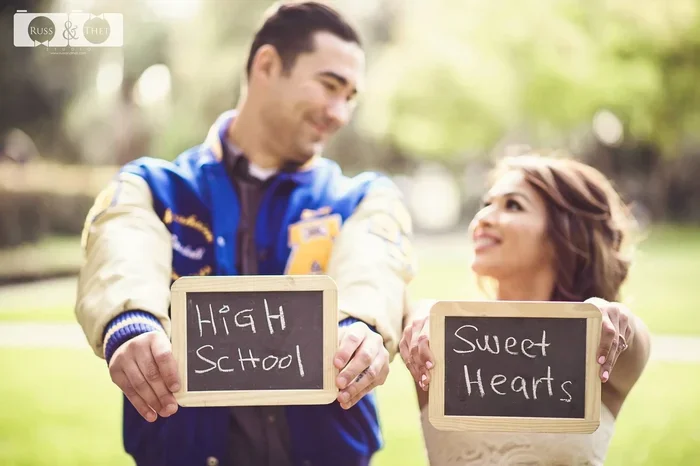
High school dating etiquette is about learning to treat your partner with respect while navigating your first serious relationships. This guide covers everything from communication basics to handling rejection gracefully, helping teens build healthy relationship habits that last a lifetime. Whether it’s your first date or you’re already dating someone, these tips will set you up for success.
[FEATURED IMAGE_PLACEHOLDER]
High school dating etiquette can feel like navigating a maze without a map. You’re dealing with new emotions, first experiences, and the pressure of doing everything right. The truth is, nobody is born knowing how to date. It’s a learning process, and the habits you build now will shape how you approach relationships for years to come.
The good news? Dating in high school doesn’t have to be complicated or stressful. With a few core principles in mind, you can enjoy getting to know someone while maintaining your dignity, confidence, and self-respect. This guide breaks down everything you need to know about teen dating rules, from asking someone out to handling your first breakup.
Let’s dive into the essential etiquette every teenager should understand before jumping into the dating world.
Key Takeaways
- Respect is the foundation: Every healthy high school relationship starts with mutual respect for boundaries, feelings, and personal space.
- Communication matters most: Being honest about your feelings and listening to your partner prevents most common dating problems.
- Stay true to yourself: Don’t change who you are just to impress someone — authenticity builds stronger connections.
- Handle rejection gracefully: Not every crush will like you back, and learning to accept that with dignity is a life skill.
- Balance is essential: Dating should enhance your life, not take over your friendships, grades, or activities.
- Digital etiquette counts: How you communicate through texts and social media matters just as much as face-to-face interactions.
- It’s okay to be inexperienced: Everyone starts somewhere, and good partners will respect where you are in your journey.
📑 Table of Contents
- What High School Dating Etiquette Really Means
- How to Ask Someone Out the Right Way
- Communication Etiquette for Teen Couples
- Boundaries and Consent in High School Relationships
- Balancing Dating with School, Friends, and Life
- How to Handle Breakups with Maturity
- Digital Dating Etiquette for Teens
- Common High School Dating Mistakes to Avoid
- Building Confidence for Healthy Teen Dating
- Final Thoughts on High School Dating Etiquette
What High School Dating Etiquette Really Means
When people talk about dating etiquette for teens, they’re really talking about respect. It’s about treating the person you’re dating with kindness, honesty, and consideration. Think of it as the unwritten rules that help both people feel comfortable and valued.
High school dating etiquette isn’t about following stiff rules or pretending to be someone you’re not. It’s about understanding that the person on the other side of the table has feelings, insecurities, and boundaries just like you do.
The Core Principles of Teen Dating
Every successful young relationship is built on a few foundational ideas:
- Mutual respect: You both deserve to feel heard and valued.
- Honesty: Being truthful about your intentions and feelings prevents misunderstandings.
- Consent and boundaries: Both people should feel comfortable saying yes or no to anything.
- Kindness: How you treat someone matters more than how “cool” you appear to others.
- Accountability: Owning your mistakes and apologizing sincerely when you mess up.
These principles apply whether you’re going on your first date or you’ve been dating someone for months. They’re the backbone of healthy adolescent relationships.
Why Dating Etiquette Matters More Than You Think
You might be thinking, “It’s just high school — why does it matter?” Here’s the thing: the patterns you develop now tend to follow you into adulthood. Teens who learn to communicate openly, respect boundaries, and handle conflict maturely are far more likely to have healthy adult relationships.
On the flip side, ignoring basic dating manners can lead to hurt feelings, damaged reputations, and toxic patterns that are hard to break later. Learning proper dating etiquette for teenagers is really an investment in your future happiness.
How to Ask Someone Out the Right Way

Visual guide about high school sweethearts
Image source: smchseagleeye.com
Asking someone out is nerve-wracking, but doing it well sets the tone for everything that follows. The way you approach someone shows them how you’ll treat them throughout the relationship.
Choosing the Right Moment and Setting
Timing and environment matter more than you might think. Here are some tips:
- Pick a private or semi-private moment. Asking someone in front of a huge crowd puts unfair pressure on them.
- Make sure you’ve had some basic interaction first. A simple “hey” or brief conversation gives you a foundation.
- Avoid asking right before a test or stressful event. Give them space to actually think about your offer.
- Be direct but casual. “Would you want to grab coffee this weekend?” works better than a grand gesture.
What to Say When You Ask
Keep it simple and genuine. You don’t need a rehearsed speech. Something like: “I really enjoy talking with you. Would you like to go see a movie this Friday?” is perfect. It’s clear, it gives them a specific plan, and it doesn’t put them on the spot.
The most important part? Be prepared for any answer. If they say yes, great — confirm the details and move forward. If they say no, smile, say “no problem,” and walk away with your head up. How you handle rejection says more about your character than how you handle acceptance.
If you’re nervous about making that first move, check out these dating tips for starting a conversation that can help you build confidence before asking someone out.
Communication Etiquette for Teen Couples

Visual guide about high school sweethearts
Image source: i.ytimg.com
Communication is where most high school relationships succeed or fail. Learning to express yourself clearly and listen actively is a skill that will serve you for life.
Texting Dos and Don’ts
Texting is the primary way most teens communicate with their partners, but it comes with its own set of rules:
Do:
- Respond within a reasonable timeframe (a few hours, not days)
- Use texts to share positive things, not just complaints
- Ask about their day and actually listen to the answer
- Keep things light and fun — save serious conversations for in-person talks
Don’t:
- Blow up their phone if they don’t reply immediately
- Use texting to have serious relationship discussions
- Send passive-aggressive messages when you’re upset
- Monitor their online activity or demand passwords
Having Difficult Conversations
Not every conversation will be fun. Sometimes you need to talk about boundaries, jealousy, or things that are bothering you. Here’s how to handle those moments:
- Choose the right time. Don’t bring up serious topics late at night or right before school.
- Use “I” statements. Say “I feel hurt when…” instead of “You always…”
- Stay calm. If you’re too angry or upset, take a breath and revisit the conversation later.
- Listen more than you talk. Try to understand their perspective before responding.
Good communication isn’t about never disagreeing — it’s about disagreeing respectfully. This is one of the most important teen dating rules you’ll ever learn.
Boundaries and Consent in High School Relationships

Visual guide about high school sweethearts
Image source: musicalhow.com
This section might be the most important one in this entire guide. Understanding and respecting boundaries is non-negotiable in any relationship, regardless of age.
Understanding Personal Boundaries
Boundaries are the limits each person sets for what they’re comfortable with. These can be physical, emotional, or digital. Here are some examples:
- Physical boundaries: What kind of physical affection are you comfortable with? Holding hands? Hugging? Kissing?
- Emotional boundaries: How much emotional support can you provide without losing yourself?
- Social boundaries: How much time do you want to spend together versus with friends?
- Digital boundaries: Are you okay with sharing passwords or location?
The Importance of Enthusiastic Consent
Consent isn’t just about saying “no.” It’s about both people enthusiastically saying “yes” to every step of physical intimacy. Here’s what proper consent looks like:
- It’s verbal. “Is this okay?” is always an appropriate question.
- It’s ongoing. Just because someone said yes once doesn’t mean they’ll say yes again.
- It’s reversible. Anyone can change their mind at any time, and that should be respected immediately.
- It’s specific. Saying yes to one thing doesn’t mean yes to everything.
If your partner ever pressures you to do something you’re not ready for, that’s a major red flag. A respectful partner will always honor your boundaries without making you feel guilty.
Balancing Dating with School, Friends, and Life
One of the biggest mistakes teens make when they start dating is letting the relationship consume their entire world. Here’s how to keep things in perspective.
Don’t Abandon Your Friendships
It’s easy to get swept up in a new relationship and forget about your friends. But your friendships matter — often more than you realize right now. Here’s how to maintain balance:
- Keep your regular plans with friends. Don’t cancel every time your partner wants to hang out.
- Maintain one-on-one time with close friends. You still need that individual connection.
- Watch for isolation. If your partner wants ALL your time, that’s a warning sign.
Introduce your partner to your friend group. This helps everyone feel included.
Keeping Your Priorities Straight
Dating is one part of your life, not your entire life. School, extracurricular activities, family time, and personal growth should still be priorities. A healthy relationship should motivate you to be your best self, not distract you from your goals.
Think of it this way: the best version of you is the most attractive version of you. When you’re pursuing your passions, doing well in school, and maintaining strong friendships, you bring more to the relationship.
How to Handle Breakups with Maturity
Not every high school relationship lasts forever, and that’s completely okay. How you handle a breakup says a lot about your character and emotional maturity.
Breaking Up Respectfully
If you’re the one ending things, do it with kindness:
- Do it in person. Breaking up over text is cowardly and hurtful.
- Be honest but gentle. You don’t need to list every flaw — just be clear about your feelings.
- Choose a private setting. Don’t embarrass them in front of others.
- Don’t drag it out. Once you’ve decided, follow through rather than stringing them along.
Getting Dumped with Grace
If you’re the one being broken up with, it will hurt. That’s normal. But here’s how to handle it well:
- Let yourself feel the emotions. Don’t pretend you’re fine if you’re not.
- Don’t beg or bargain. If they’ve made their decision, respect it.
- Avoid revenge or gossip. Spreading rumors about your ex only hurts you in the long run.
- Lean on your support system. Friends and family can help you through this.
- Give yourself time to heal. There’s no timeline for getting over someone.
Remember that a breakup doesn’t define your worth. Everyone experiences rejection at some point. What matters is how you grow from it.
Digital Dating Etiquette for Teens
In today’s world, a lot of dating happens online. Social media, texting, and dating apps (though most require users to be 18+) all play a role in how teens connect. Here’s how to navigate the digital side of dating.
Social Media and Your Relationship
Social media etiquette for teen couples includes:
- Don’t overshare. Keep intimate details of your relationship offline.
- Think before you post. Would your partner be comfortable with that photo or caption?
- Don’t use social media to communicate anger. Passive-aggressive posts are immature and damaging.
- Respect their privacy. Don’t tag them in things without asking or demand to see their DMs.
Red Flags in Digital Communication
Watch out for these warning signs:
- Demanding to know your passwords or read your messages
- Getting angry when you don’t respond to texts immediately
- Posting private information or photos without your permission
- Using social media to monitor your location or activities
- Threatening to share private content if you break up
Any of these behaviors is a sign of controlling tendencies. A healthy partner trusts you and respects your privacy.
Common High School Dating Mistakes to Avoid
Everyone makes mistakes when they’re learning to date. But some mistakes are more common — and more damaging — than others. Here’s what to watch out for.
Trying to Be Someone You’re Not
The fastest way to an unhappy relationship is pretending to be someone else. If you hate football but claim to love it because your crush plays, you’re setting yourself up for exhaustion and disappointment. Authenticity is always more attractive than a fake persona.
Jealousy and Possessiveness
A little jealousy is normal — it shows you care. But when jealousy turns into controlling behavior, it’s toxic. Trust is the foundation of any healthy relationship. If you can’t trust your partner to talk to other people, you don’t have a relationship — you have a cage.
Moving Too Fast
There’s no rush. You don’t need to say “I love you” after two weeks. You don’t need to become physically intimate before you’re ready. Take things at a pace that feels comfortable for BOTH of you. Anyone who pressures you to move faster isn’t respecting your boundaries.
Comparing Your Relationship to Others
Social media makes it look like everyone else has a perfect relationship. They don’t. Every couple has their own timeline and their own challenges. Focus on what works for you and your partner, not on what looks good in an Instagram post.
Building Confidence for Healthy Teen Dating
Confidence isn’t about being the most popular or attractive person in school. It’s about knowing your worth and not settling for less than you deserve.
Developing Self-Esteem Before Dating
The best relationships happen when two whole people come together — not when two incomplete people try to complete each other. Work on loving yourself first. Pursue your interests, build your skills, and surround yourself with people who lift you up. When you’re confident in who you are, dating becomes less about validation and more about connection.
Understanding what healthy self-esteem looks like can make a huge difference in your dating life. Learning to recognize signs of strong self-worth helps you bring your best self into any relationship.
Being Comfortable with Your Own Company
You don’t need a relationship to be happy. Some of the best high school experiences happen when you’re single and free to focus on yourself. Being okay with being alone means you date because you want to, not because you feel like you have to.
Final Thoughts on High School Dating Etiquette
High school dating etiquette boils down to one simple idea: treat others the way you want to be treated. Be kind. Be honest. Respect boundaries. Communicate openly. And never lose yourself in the process of being with someone else.
Dating in high school should be a fun, growth-filled experience. It’s a time to learn about yourself, discover what you want in a partner, and develop the relationship skills that will serve you for the rest of your life.
Don’t stress about getting everything perfect. Nobody does. What matters is that you’re trying, learning, and treating people with respect along the way. If you keep that mindset, you’ll do just fine.
And if you’re ever unsure about a situation, ask yourself: “Would I want someone to treat me this way?” If the answer is no, adjust your behavior accordingly. That simple question will guide you through almost any dating scenario you encounter.
Frequently Asked Questions
What is proper high school dating etiquette?
Proper high school dating etiquette means treating your partner with respect, communicating honestly, honoring boundaries, and maintaining your own identity. It includes being punctual for dates, listening when they speak, and handling disagreements maturely. The golden rule applies — treat them the way you’d want to be treated.
How do I know if I’m ready to start dating in high school?
You’re ready to date when you feel comfortable being yourself around someone, can communicate your feelings openly, and are okay with the possibility of rejection. You don’t need to be perfect — you just need to be emotionally prepared to treat someone else with kindness and respect. If you’re doing it because you genuinely want to, not because of peer pressure, you’re probably ready.
Is it normal to be nervous before a first date in high school?
Absolutely. Nervousness before a first date is completely normal, even for adults. It shows you care about making a good impression. The key is not letting the nerves stop you from being yourself. Take a few deep breaths, remember that your date is probably nervous too, and focus on having a genuine conversation rather than trying to be perfect.
How should I handle it if my crush doesn’t like me back?
If your crush doesn’t return your feelings, the best response is a simple “no problem” and moving on gracefully. Don’t take it personally — attraction isn’t something anyone controls. Avoid begging, gossiping, or trying to change their mind. Respect their feelings, give yourself time to feel disappointed, and remember that rejection is a normal part of life that everyone experiences.
What are red flags to watch for in a high school relationship?
Major red flags include controlling behavior, jealousy that leads to monitoring your phone or social media, pressuring you to move faster than you’re comfortable with, isolating you from friends and family, and disrespecting your boundaries. If your partner makes you feel small, anxious, or like you’re walking on eggshells, those are serious warning signs that shouldn’t be ignored.
How much time should I spend with my high school boyfriend or girlfriend?
There’s no magic number, but a good rule of thumb is to spend enough time together to build a connection while still maintaining your friendships, hobbies, and schoolwork. If you’re canceling plans with friends every weekend or your grades are slipping, it might be time to rebalance. A healthy relationship adds to your life — it shouldn’t replace everything else in it.