

Lack of empathy characteristics can silently damage relationships, leaving partners feeling unheard and emotionally drained. This guide reveals the warning signs, explains why empathy matters, and offers practical steps to protect your emotional well-being. Understanding these traits helps you make healthier relationship choices.
Imagine pouring your heart out to someone you love, only to receive a blank stare or a dismissive shrug. That sinking feeling in your chest is not just disappointment. It is a signal. When someone consistently fails to understand or care about your emotions, you may be facing lack of empathy characteristics in your relationship. This pattern can erode trust, destroy intimacy, and leave you feeling profoundly alone even when you are together.
Empathy is the invisible thread that holds relationships together. It allows us to feel seen, heard, and valued by the people we care about most. Without it, communication breaks down. Emotional distance grows. And over time, the relationship can become a source of pain rather than comfort. Recognizing these signs early gives you the power to make informed decisions about your emotional future.
In this article, we explore the most important lack of empathy characteristics to watch for. We explain why empathy matters so much in relationships. And we share practical strategies for protecting your heart while maintaining your emotional health.
Key Takeaways
- Empathy is essential: It forms the foundation of emotional connection and mutual understanding in healthy relationships.
- Warning signs matter: Recognizing lack of empathy characteristics early prevents long-term emotional harm and relationship damage.
- Emotional invalidation is common: Partners with low empathy often dismiss, minimize, or ignore your feelings entirely.
- It is not always intentional: Some people struggle with empathy due to upbringing, trauma, or personality disorders.
- Boundaries protect you: Setting clear limits is crucial when dealing with someone who lacks empathic concern.
- Self-reflection helps: Understanding your own emotional needs empowers you to choose partners who truly care.
- Seek support when needed: Professional guidance can help you navigate relationships with emotionally unavailable partners.
📑 Table of Contents
- What Does Lack Of Empathy Actually Mean
- Top Lack Of Empathy Characteristics To Watch For
- How Lack Of Empathy Damages Relationships
- Is It A Personality Disorder Or Something Else
- How To Respond When Someone Lacks Empathy
- When To Walk Away From An Unempathetic Relationship
- Developing Your Own Empathy Skills
- Comparison Table: Empathy Vs. Lack Of Empathy In Relationships
- Conclusion
What Does Lack Of Empathy Actually Mean
Empathy is the ability to understand and share the feelings of another person. It goes beyond simply hearing words. It involves emotional attunement, compassion, and genuine concern for someone else’s experience. When a person lacks empathy, they struggle to connect with the emotions of those around them.
This does not mean they are evil or intentionally cruel. Many people with low empathy simply never learned how to recognize or respond to emotional cues. Others may have developed emotional detachment as a defense mechanism during childhood. Understanding the root cause can help you approach the situation with clarity rather than anger.
The Difference Between Sympathy And Empathy
People often confuse sympathy with empathy, but they are quite different. Sympathy involves feeling pity or sorrow for someone’s situation. Empathy goes deeper. It means actually stepping into their shoes and feeling what they feel. A sympathetic person might say, “I am sorry you are going through that.” An empathetic person says, “I can feel how painful this must be for you.”
When someone displays lack of empathy characteristics, they often default to sympathy or completely bypass emotional acknowledgment altogether. They may offer solutions when you need validation. Or they may change the subject entirely because your emotions make them uncomfortable.
Why Some People Struggle With Empathy
Several factors contribute to low empathy. Childhood trauma, neglect, or growing up in an emotionally invalidating environment can stunt emotional development. Certain personality disorders, including narcissistic personality disorder, feature reduced empathy as a core trait. Additionally, chronic stress, burnout, or social media fatigue can temporarily reduce a person’s capacity for empathic concern.
It is important to note that empathy is not fixed. Some people can develop greater emotional awareness through therapy, self-reflection, and intentional practice. However, this requires willingness and effort from the person who struggles with empathy.
Top Lack Of Empathy Characteristics To Watch For
Recognizing these patterns early can save you months or even years of emotional confusion. Here are the most common signs that someone lacks empathy in a relationship.
1. They Dismiss Or Minimize Your Feelings
One of the most painful lack of empathy characteristics is emotional invalidation. When you share something vulnerable, they might respond with phrases like, “You are overreacting,” “It is not that big of a deal,” or “Why are you always so sensitive?” These responses signal that your emotions do not matter to them.
Over time, this pattern teaches you to suppress your feelings. You start questioning your own emotional reality. This gaslighting effect can seriously damage your self-esteem and emotional health.
2. They Turn Every Conversation Back To Themselves
Have you ever shared exciting news only to have the other person immediately pivot to their own experience? While sharing related stories can build connection, consistently hijacking conversations shows a lack of genuine interest in your world.
A person with strong empathy listens first. They ask follow-up questions. They celebrate your wins and sit with you in your struggles. Without empathy, conversations become one-sided performances rather than meaningful exchanges.
3. They Show No Remorse After Hurting You
Everyone makes mistakes in relationships. But the response to causing harm reveals everything. An empathetic person feels genuine remorse when they hurt someone they care about. They apologize sincerely and take steps to avoid repeating the behavior.
Someone lacking empathy, however, may refuse to apologize. Or they might offer a hollow “sorry” without any real understanding of why their actions were hurtful. They may even blame you for being upset, turning the situation around so you end up comforting them.
Quick Tip
Pay attention to how someone responds after a conflict. Their repair attempts reveal their true empathic capacity far more than their words during calm moments.

Visual guide about cold expression portrait
Image source: static.vecteezy.com
4. They Struggle To Read Emotional Cues
Some people genuinely cannot pick up on nonverbal signals. They miss facial expressions, tone shifts, and body language that indicate emotional distress. This is particularly common in individuals with certain neurodivergent conditions.
However, there is an important distinction. Some people can read emotional cues perfectly well but simply do not care enough to respond. This intentional disregard is a more concerning sign than genuine difficulty with emotional awareness.
5. They Use Your Vulnerabilities Against You
Sharing personal information requires trust. When someone uses your deepest fears, insecurities, or past traumas as ammunition during arguments, it represents a profound lack of empathy. This betrayal of trust is one of the most destructive behaviors in any relationship.
This pattern often appears alongside other toxic behaviors. If you notice this dynamic, it may be time to evaluate whether this relationship is safe for your emotional well-being.
6. They Lack Curiosity About Your Inner World
Healthy relationships thrive on mutual curiosity. Partners ask about each other’s dreams, fears, and daily experiences. They remember important details. They show genuine interest in understanding who you are as a person.
A person with low empathy rarely asks meaningful questions. They may forget important events or details you have shared. Your inner world simply does not register as important to them.
How Lack Of Empathy Damages Relationships
The effects of living with an unempathetic partner extend far beyond occasional frustration. Over time, this dynamic creates deep emotional wounds that can take years to heal.
Emotional Loneliness And Isolation
Nothing feels lonelier than being with someone who does not truly see you. When your emotional needs go consistently unmet, you begin to feel invisible. This emotional loneliness often leads to withdrawal, depression, and a sense of hopelessness about the relationship.
Many people in these relationships describe feeling like roommates rather than romantic partners. The emotional connection that once brought you together slowly evaporates, leaving only routine and obligation.
Erosion Of Trust And Intimacy
Trust builds when we feel safe being vulnerable. Every time your emotions are dismissed or used against you, that safety erodes a little more. Eventually, you stop sharing altogether. You build walls to protect yourself. And the relationship loses its intimacy.
This pattern often correlates with what experts describe as signs of a dying relationship. When emotional connection fades, the relationship loses its foundation. Without intentional intervention, the partnership may eventually collapse entirely.
Impact On Mental Health
Living with someone who lacks empathy takes a serious toll on your mental health. Studies show that emotional invalidation contributes to anxiety, depression, and diminished self-worth. You may begin to doubt your own perceptions and feelings, a phenomenon sometimes called “gaslighting gaslighting” when you gaslight yourself into believing your emotions do not matter.
Children raised by emotionally unavailable parents often carry these wounds into adulthood. They may struggle with emotional regulation, form insecure attachments, or repeat unhealthy relationship patterns. Understanding the impact of childhood mental health helps explain why empathy deficits often span generations.
Is It A Personality Disorder Or Something Else
Not everyone who lacks empathy has a personality disorder. However, certain conditions feature reduced empathy as a central characteristic. Understanding these distinctions can help you respond appropriately.
Narcissistic Personality Traits
Narcissism exists on a spectrum. Some people display occasional self-centered behaviors without meeting the criteria for a disorder. Others have narcissistic personality disorder, which involves a pervasive pattern of grandiosity, need for admiration, and lack of empathy.
Key narcissistic traits include:
- Exaggerated sense of self-importance
- Preoccupation with fantasies of success or power
- Belief that they are special or unique
- Requirement for excessive admiration
- Exploitation of others for personal gain
- Lack of empathic concern for others’ feelings
- Envy of others or belief that others envy them
- Arrogant, haughty behaviors
If you recognize these patterns in your partner, it is important to understand that change requires professional intervention. Narcissistic traits rarely improve without dedicated therapeutic work.
Other Factors That Reduce Empathy
Beyond personality disorders, several situations can temporarily reduce empathy:
- Chronic stress: When overwhelmed, people often retreat into self-preservation mode.
- Burnout: Emotional exhaustion leaves little energy for others’ feelings.
- Substance use: Alcohol and drugs can impair emotional processing and empathy.
- Trauma responses: Some trauma survivors develop emotional numbness as protection.
- Cultural factors: Some environments discourage emotional expression and empathy.
Understanding the root cause matters because it determines whether change is possible and what kind of support might help.
How To Respond When Someone Lacks Empathy
Discovering that someone you care about struggles with empathy can be devastating. However, there are constructive ways to respond that protect both your emotional health and the relationship.
Set Clear Emotional Boundaries
Boundaries are not walls. They are guidelines that protect your emotional well-being while allowing connection. When dealing with someone who lacks empathy, boundaries become essential.
Examples of healthy boundaries include:
- Limiting how much vulnerable information you share with them
- Refusing to engage in conversations where your feelings are dismissed
- Taking space when interactions become emotionally harmful
- Clearly stating your needs and expectations
- Following through with consequences when boundaries are violated
Setting boundaries may feel uncomfortable at first, especially if you are used to prioritizing others’ needs above your own. However, clear boundaries actually improve relationships by establishing mutual respect.
Communicate Your Needs Directly
Some people with low empathy genuinely do not understand what you need from them. Rather than expecting them to read your mind, try expressing your needs in clear, specific terms.
Instead of saying, “You never care about my feelings,” try: “When I share something difficult, I need you to listen without offering solutions. Just saying ‘that sounds really hard’ would mean a lot to me.”
This approach removes guesswork and gives the other person a concrete action they can take. Some people respond well to this direct communication. Others continue to struggle regardless of how clearly you express yourself.
Evaluate Their Willingness To Change
The most important factor in determining whether a relationship can improve is the other person’s willingness to grow. Change requires acknowledging the problem, showing genuine remorse, and putting in consistent effort.
Ask yourself these questions:
- Do they acknowledge that their behavior affects me negatively?
- Are they willing to learn about empathy and practice new skills?
- Do they follow through on commitments to change?
- Am I seeing genuine improvement over time?
- Do I feel emotionally safe in this relationship?
If the answer to most of these questions is no, it may be time to seriously evaluate whether this relationship serves your well-being.
Common Mistake
Many people stay in relationships hoping their partner will eventually “wake up” and become more empathetic. While change is possible, waiting indefinitely often leads to more emotional damage. Set a reasonable timeframe for observing change, and honor your own needs if that change does not materialize.
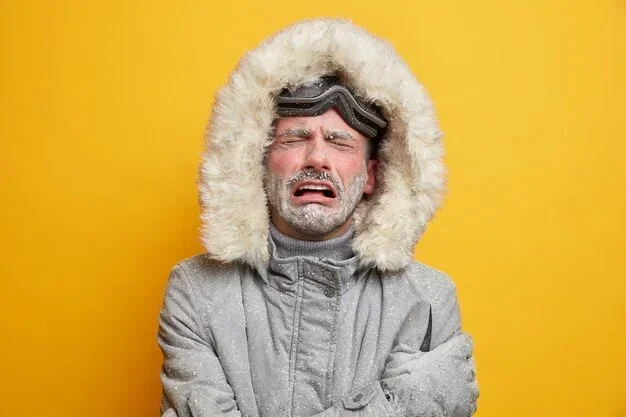
Visual guide about cold expression portrait
Image source: img.freepik.com

Visual guide about cold expression portrait
Image source: shutterstock.com
When To Walk Away From An Unempathetic Relationship
Sometimes the healthiest choice is to leave. This decision is never easy, especially when you still care about the person. However, staying in a relationship that consistently harms your emotional health is not sustainable.
Signs It Is Time To Move On
Consider ending the relationship if you notice:
- Your mental health has significantly declined since the relationship began
- You feel more alone when you are with them than when you are apart
- They refuse to acknowledge any responsibility for relationship problems
- Your attempts to communicate needs are consistently met with hostility
- You have lost touch with your own identity and emotional truth
- The relationship feels more like emotional labor than partnership
Leaving an unempathetic partner can trigger intense grief, even when you know it is the right decision. Understanding how not letting go affects yourself can motivate you to prioritize your own healing.
Healing After An Empathy-Deficient Relationship
Recovery takes time. After leaving a relationship where your emotions were consistently invalidated, you may need to rebuild trust in your own feelings. Therapy, journaling, and supportive friendships can all help restore your emotional awareness.
Remember that experiencing lack of empathy characteristics in a partner does not reflect your worth. You deserve a relationship where your emotions are valued, your vulnerabilities are protected, and your inner world matters to someone.
Developing Your Own Empathy Skills
While you cannot force someone else to develop empathy, you can cultivate these skills within yourself. Building your own emotional intelligence helps you choose healthier partners and create more fulfilling connections.
Practice Active Listening
Active listening means giving your full attention to the speaker without planning your response. It involves maintaining eye contact, nodding to show understanding, and reflecting back what you heard. This skill deepens connections and models healthy communication for others.
Cultivate Curiosity About Others
Make a habit of asking open-ended questions about people’s experiences and feelings. Genuine curiosity about others’ inner worlds strengthens your empathic muscles and enriches your relationships.
Read Fiction And Watch Character-Driven Stories
Research shows that reading literary fiction actually improves empathy. Stories allow us to experience different perspectives and emotional landscapes, expanding our capacity for understanding others.
Expert Insight
Dr. Helen Riess, a psychiatrist at Harvard Medical School, emphasizes that empathy is not a fixed trait. She developed the EMPATHY program to teach healthcare professionals empathic skills. Her research shows that intentional practice can significantly improve empathic accuracy and emotional responsiveness in both personal and professional relationships.
Comparison Table: Empathy Vs. Lack Of Empathy In Relationships
| Situation | Empathetic Response | Lack Of Empathy Response |
|---|---|---|
| Partner shares a bad day | “That sounds really exhausting. Do you want to talk about it?” | “Well, my day was worse.” |
| Conflict about hurt feelings | “I understand why you feel that way. Let me make it right.” | “You are too sensitive. Get over it.” |
| Sharing exciting news | “That is amazing! Tell me everything!” | “Cool. Anyway, did you see what happened to me today?” |
| Partner expresses a need | “I hear you. Let me see how I can support you.” | “Why do you always need so much attention?” |
| Vulnerable moment | Sits quietly, offers physical comfort, validates feelings | Uncomfortable silence or immediate topic change |
Conclusion
Recognizing lack of empathy characteristics is one of the most important skills you can develop for your emotional well-being. These signs often appear subtly at first. But over time, they create patterns that damage trust, intimacy, and mental health.
You deserve a partner who genuinely cares about your emotional world. Someone who listens without judgment. Someone who celebrates your joys and sits with you in your pain. Do not settle for less because you fear being alone.
Pay attention to how people respond to your emotions. Notice whether conversations feel balanced. Trust your instincts when something feels off. And remember that setting boundaries is not selfish. It is an act of self-respect.
Empathy forms the heartbeat of every healthy relationship. When it is missing, everything else eventually crumbles. Choose partners who see you, hear you, and value your emotional truth. Your heart will thank you for it.
Frequently Asked Questions
Can a person with no empathy change?
Yes, change is possible but requires genuine willingness and professional support. People can develop greater emotional awareness through therapy, empathy training, and consistent practice. However, change takes time and dedication, and not everyone is willing to put in the effort required.
Is lack of empathy always a sign of narcissism?
No, lack of empathy appears in many contexts beyond narcissism. It can result from childhood trauma, chronic stress, burnout, certain neurological conditions, or simply never learning emotional skills. While narcissistic personality disorder features low empathy prominently, many other factors can cause empathic deficits.
How do I set boundaries with someone who lacks empathy?
Start by clearly stating your emotional needs in specific terms. Follow through with consequences when boundaries are crossed. Limit how much vulnerable information you share. And prioritize your own emotional well-being even if they do not understand your boundaries.
Why do I feel so lonely in my relationship?
Emotional loneliness often occurs when your feelings are consistently dismissed or ignored. If your partner displays lack of empathy characteristics, you may feel unseen and unheard despite being physically together. This disconnect between emotional needs and relationship reality creates profound loneliness.
Should I stay with someone who lacks empathy?
This depends on their willingness to change and the overall health of the relationship. If they acknowledge the problem, seek help, and show genuine improvement, the relationship may be salvageable. However, if patterns persist despite your efforts, leaving may be the healthiest choice for your emotional well-being.
How does lack of empathy affect children in a family?
Children raised by emotionally unavailable parents often struggle with emotional regulation and self-worth. They may develop insecure attachment styles, have difficulty trusting others, or repeat unhealthy relationship patterns in adulthood. Early intervention and supportive relationships can help mitigate these effects.
