
How long should you stay in an ice bath? For most people, 10–15 minutes is the sweet spot—long enough to reduce inflammation but short enough to avoid tissue damage. Beginners should start with shorter sessions (5–7 minutes) and gradually increase time as tolerance improves. Always prioritize safety: exit immediately if you feel dizzy, numbness spreads beyond your feet, or shivering becomes uncontrollable. Ice baths aren’t for everyone—those with heart conditions, Raynaud’s syndrome, or cold urticaria should consult a doctor first. Proper technique matters just as much as duration: use water between 50–59°F (10–15°C), cool gradually, and warm up slowly afterward. With consistency, ice baths can boost recovery, improve circulation, and even enhance mental resilience—but only when practiced wisely.
Have you ever wondered, “How long should you stay in an ice bath?” Whether you’re an athlete chasing faster recovery, someone exploring cold therapy for general wellness, or just curious about cryotherapy trends, knowing the right duration is crucial. Ice baths—also called cold-water immersion—have surged in popularity thanks to their potential to reduce muscle soreness, speed up recovery, and even support mental clarity. But here’s the catch: staying in too long can do more harm than good. Too short, and you might miss out on real benefits.
So where’s the sweet spot? The answer isn’t one-size-fits-all, but science and experience point strongly toward **10–15 minutes** as the ideal window for most healthy adults. In this deep dive, we’ll break down exactly why that timeframe works best, who should avoid ice baths altogether, and how to maximize results safely. Plus, we’ll share practical tips so you can tailor your routine to your goals—whether you’re recovering from a tough workout or simply trying to build mental toughness.
Before we get into the nitty-gritty, let’s clarify what an ice bath actually is. Unlike contrast showers (alternating hot and cold) or whole-body cryotherapy chambers, an ice bath involves submerging your body up to the neck in cold water infused with ice. The goal is to trigger physiological responses like vasoconstriction (narrowing of blood vessels), which helps flush metabolic waste from muscles while reducing swelling. This process can accelerate recovery—especially after intense exercise—by minimizing delayed onset muscle soreness (DOMS).
But again, timing is everything. Let’s explore why.
Key Takeaways
- Ideal Duration: Most adults benefit from 10–15 minutes in an ice bath, balancing therapeutic effects with safety.
- Start Slowly: Beginners should begin with 5–7 minutes and increase by 1–2 minutes weekly as acclimated.
- Water Temperature Matters: Maintain water between 50–59°F (10–15°C)—too cold risks injury; too warm reduces benefits.
- Listen to Your Body: Exit immediately if you experience numbness beyond toes, uncontrollable shivering, dizziness, or shortness of breath.
- Post-Bath Recovery: Warm up gradually with light movement and hydration within 30 minutes after exiting the ice bath.
- Not Universal: Athletes, recovery-seekers, and wellness enthusiasts often use ice baths—but they’re not suitable for those with circulatory or cardiovascular issues.
- Consistency > Intensity: Regular short sessions yield better results than occasional long ones—quality over quantity wins in cold therapy.
📑 Table of Contents
- The Science Behind Cold-Water Immersion
- Who Should Avoid Ice Baths—and Why
- How Long Is Too Long? Recognizing Warning Signs
- Practical Tips for Optimizing Your Ice Bath Routine
- Ice Baths vs. Other Recovery Methods: Where Do They Fit?
- Building Mental Toughness Through Controlled Discomfort
- Common Misconceptions About Ice Baths
- Final Thoughts: Listen to Your Body, Stay Consistent
The Science Behind Cold-Water Immersion
When you jump into an ice bath, your body reacts almost instantly. Blood rushes to your core to protect vital organs from the cold, causing peripheral vasoconstriction—your hands and feet may go numb temporarily. After about 5–10 minutes, your body adapts slightly, allowing some blood flow back to extremities—a phenomenon known as “habituation.” This adaptive response is key to reaping benefits without overexposure.
Research published in the *Journal of Athletic Training* found that athletes who used cold-water immersion for 10–15 minutes post-exercise reported significantly less DOMS compared to those who skipped it or used heat therapy. Another study in *Medicine & Science in Sports & Exercise* showed that even just 8 minutes of cold immersion could reduce perceived soreness by nearly 30%. So yes—there’s real merit to sticking around long enough for your body to respond meaningfully.
However, beyond 20 minutes, risks begin to outweigh rewards. Prolonged exposure increases the chance of tissue damage, frostnip (non-freezing cold injury), or even cardiac stress due to sudden shifts in heart rate and blood pressure. That’s why experts consistently recommend capping sessions at 15 minutes max.
Who Should Avoid Ice Baths—and Why
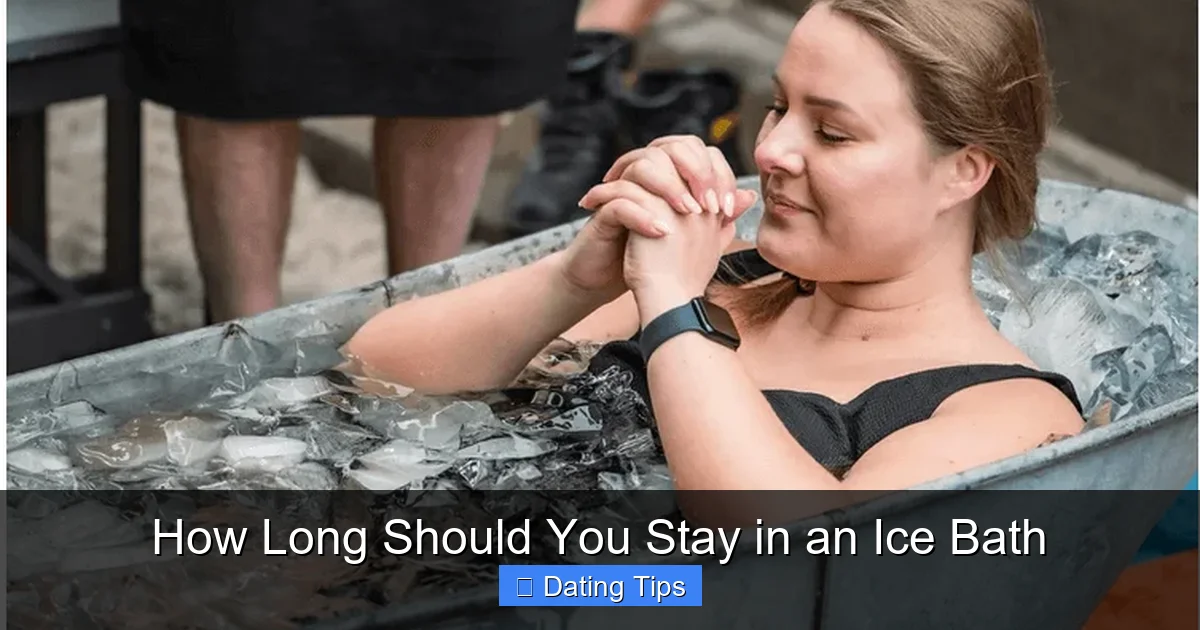
Visual guide about How Long Should You Stay in an Ice Bath
Image source: coldshowersuccess.com
While ice baths offer compelling perks, they’re not universally safe. Certain medical conditions make cold immersion risky:
– People with Raynaud’s disease (where fingers/toes turn white-blue in response to cold)
– Those with uncontrolled hypertension or heart disease
– Individuals prone to fainting or vasovagal syncope
– Anyone with cold urticaria (hives triggered by cold)
If any of these apply to you, **consult a healthcare provider before attempting an ice bath**. Safety always comes first.
That said, many everyday folks—from weekend warriors to elite athletes—benefit immensely from cold therapy. Marathon runners, CrossFitters, and even office workers dealing with chronic lower back pain often incorporate ice baths into their routines. The trick is personalization. What works for a pro triathlete might be too intense for someone new to fitness.
How Long Is Too Long? Recognizing Warning Signs
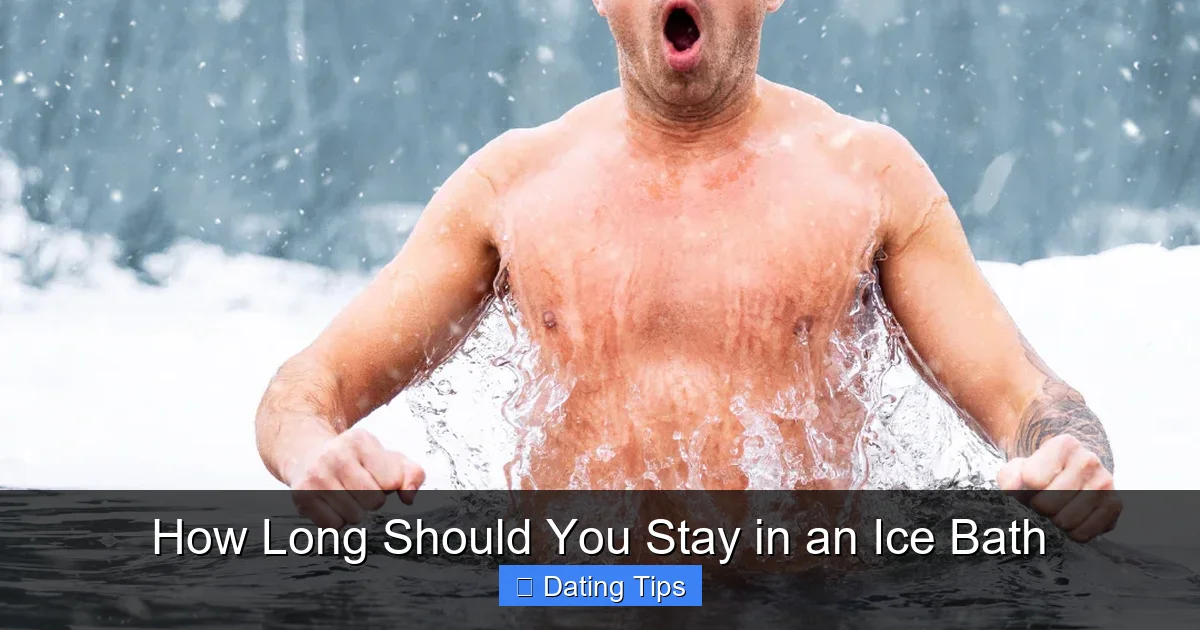
Visual guide about How Long Should You Stay in an Ice Bath
Image source: submergeicebaths.com
Knowing how long to stay in an ice bath also means recognizing when it’s time to get out. Here are red flags:
– Numbness that extends past your ankles or wrists
– Shivering so intense it feels painful or uncontrollable
– Dizziness, nausea, or feeling lightheaded
– Rapid heartbeat or chest tightness
– Blue-tinged skin (cyanosis)
If you notice any of these, exit the bath immediately and warm up gradually. Never force yourself to endure discomfort—your body is telling you something important.
On the flip side, if you finish your session feeling alert, energized, and only mildly chilly, you’ve likely hit the mark. Many users report a mental clarity boost post-ice bath, often described as similar to a post-run endorphin high—but without the crash.
Practical Tips for Optimizing Your Ice Bath Routine
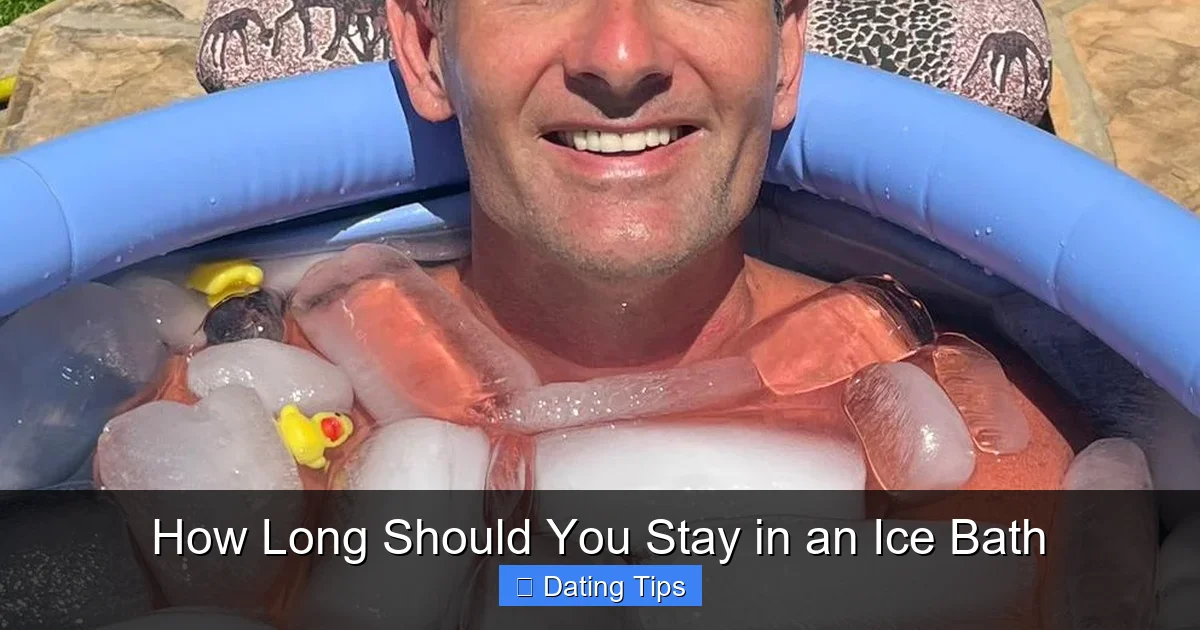
Visual guide about How Long Should You Stay in an Ice Bath
Image source: bedouinroots.com
Ready to give it a try? Follow these steps for a safe, effective experience:
Prepare Gradually
Don’t go from zero to full submersion overnight. Start with lukewarm water (around 65°F/18°C) and add ice incrementally over several days until you reach your target temperature. This builds tolerance and reduces shock.
Use a Timer—Seriously
Set a timer on your phone or smartwatch. It’s easy to lose track when you’re focused on breathing through the cold! Aim for 10–15 minutes, but don’t panic if you need to leave early.
Stay Hydrated and Warm Up Afterward
Cold immersion dehydrates your cells slightly. Drink water within 30 minutes of finishing, and follow with gentle stretching or a warm shower. Avoid caffeine immediately after—it can worsen vasoconstriction.
Consider Alternatives
If 15 minutes feels impossible, try contrast therapy instead: alternate 1 minute cold with 2 minutes warm for five cycles. Or opt for cold showers at home—just keep them under 5 minutes unless you’re highly acclimated.
Ice Baths vs. Other Recovery Methods: Where Do They Fit?
You might be wondering: do ice baths really beat alternatives like foam rolling, massage, or active recovery? The truth is layered. Ice baths excel at reducing acute inflammation and numbing soreness fast—perfect after brutal workouts. But they don’t address underlying muscular imbalances or promote long-term flexibility like yoga or dynamic stretching.
Think of ice baths as a tool in your recovery toolkit, not a replacement for movement-based healing. Pair them with mobility work, proper nutrition, and sleep for best results.
Also worth noting: ice baths aren’t magic bullets for performance gains. A 2020 meta-analysis in *Sports Medicine* concluded that while they help with short-term soreness relief, their impact on actual strength or endurance metrics is minimal. Use them strategically—not daily unless advised by a coach or physio.
Building Mental Toughness Through Controlled Discomfort
Beyond physical recovery, ice baths tap into psychological resilience. The act of voluntarily subjecting yourself to discomfort trains your nervous system to handle stress better. Over time, this translates to improved emotional regulation—helpful whether you’re navigating relationship challenges or workplace pressures.
In fact, many mindfulness practitioners use cold exposure as a form of “embodied meditation.” By focusing solely on your breath during the chill, you anchor yourself in the present moment. It’s a powerful reset button for overthinking or anxiety.
Of course, this doesn’t mean ice baths cure depression or trauma. But for some, the ritual of enduring cold builds confidence and self-efficacy. It sends a message: *I can handle things that scare me.* And sometimes, that mindset shift is half the battle.
Common Misconceptions About Ice Baths
Let’s clear up a few myths:
– **Myth:** More ice = better results.
**Truth:** Excessively cold water (>45°F/7°C) increases injury risk without extra benefits.
– **Myth:** You must stay fully submerged.
**Truth:** Submerging only legs or arms works fine for targeted recovery.
– **Myth:** Ice baths prevent all injuries.
**Truth:** They reduce soreness but don’t stop strains or overuse injuries.
Staying informed helps you avoid frustration—and potential harm.
Final Thoughts: Listen to Your Body, Stay Consistent
At the end of the day, **how long should you stay in an ice bath?** For most, the answer is **10–15 minutes**, adjusted based on comfort, health status, and goals. Beginners start smaller; veterans may push closer to 15 if tolerated. Never ignore warning signs. And remember: consistency trumps intensity. One 12-minute session this week beats three rushed 20-minute ones next month.
Whether you’re using ice baths to recover from intense training, manage chronic pain, or simply build grit, approach them with respect—not recklessness. Pair them with other healthy habits: quality sleep, balanced meals, and open communication in relationships (because let’s face it, recovery looks different when you’re emotionally supported too).
And hey—if you’re wondering whether cold therapy fits your lifestyle, ask yourself: am I doing this to feel stronger, both physically and mentally? If yes, then you’re on the right path. Just keep it smart, safe, and sustainable.
—
Frequently Asked Questions
Is it bad to stay in an ice bath for too long?
Yes, staying in an ice bath longer than 15–20 minutes increases risks like tissue damage, frostnip, or cardiovascular strain. Always prioritize safety over duration.
Can beginners start with shorter ice bath sessions?
Absolutely! Beginners should begin with 5–7 minutes and gradually increase by 1–2 minutes each week as their body adapts to the cold.
What temperature should ice bath water be?
Optimal ice bath temperature is between 50–59°F (10–15°C). Water below 50°F raises injury risk; above 59°F reduces therapeutic benefits.
Should I drink water before or after an ice bath?
Drink water within 30 minutes after your session to rehydrate. Pre-bath hydration is helpful but not mandatory unless you’re exercising intensely beforehand.
Do ice baths help with muscle recovery after workouts?
Yes, studies show ice baths reduce delayed onset muscle soreness (DOMS) and inflammation when used within 24 hours of intense exercise—especially at 10–15 minutes.
Can ice baths improve mood or mental clarity?
Many users report increased alertness and reduced stress after cold immersion. Some credit it with boosting focus and emotional resilience through controlled discomfort.
