

Staying healthy and positive during personal challenges isn’t about avoiding pain—it’s about building resilience, nurturing your mind and body, and choosing hope even when things feel heavy. Small daily choices like mindful breathing, consistent movement, and surrounding yourself with supportive people can shift your outlook and strengthen your ability to cope. This guide offers real-world strategies to help you thrive emotionally, physically, and spiritually when life gets difficult.
Life throws curveballs—relationship struggles, career setbacks, health scares, or unexpected losses. These moments test our strength, patience, and belief in ourselves. But here’s the truth: how we respond to adversity often matters more than the challenge itself. Staying healthy and positive during personal challenges isn’t just wishful thinking—it’s a practice rooted in science, self-awareness, and intentional action.
You might be wondering, “Can I really stay positive when everything feels broken?” The short answer is yes—but not by ignoring reality or pretending everything is fine. True positivity comes from accepting what is while actively choosing how to move forward. It’s about protecting your mental clarity, nurturing your body, and reconnecting with purpose even when circumstances are hard.
In this article, we’ll walk through practical, evidence-based strategies to help you maintain both physical wellness and emotional resilience. Whether you’re navigating a loveless marriage, recovering from rejection, or simply feeling stuck, these tools will empower you to face challenges with courage and calm. Let’s dive in.
Key Takeaways
- Practice daily self-care: Prioritize sleep, nutrition, and movement to support both physical health and emotional stability during tough times.
- Reframe negative thoughts: Use cognitive reframing techniques to challenge pessimistic thinking and replace it with balanced, realistic perspectives.
- Build a strong support system: Surround yourself with trusted friends, family, or counselors who encourage growth and remind you of your worth.
- Set small, achievable goals: Break overwhelming challenges into manageable steps to maintain momentum and celebrate progress along the way.
- Stay present through mindfulness: Techniques like meditation, journaling, or deep breathing reduce anxiety by anchoring you in the now rather than ruminating on the past or future.
- Limit exposure to negativity: Reduce time spent on toxic relationships, social media, or news that drains energy and fuels stress.
- Cultivate gratitude regularly: Keeping a gratitude journal or sharing three good things each day rewires your brain to notice positivity even in hardship.
📑 Table of Contents
- The Foundation of Resilience: Why Health and Positivity Go Hand in Hand
- Nurturing Your Body: Physical Habits That Support Emotional Strength
- Cultivating Mental Clarity: Mindset Shifts That Change Everything
- Building Emotional Armor: Tools to Protect Your Spirit
- Creating Meaning Amid Chaos: Finding Purpose in Pain
- Sustaining Momentum: Long-Term Strategies for Thriving
The Foundation of Resilience: Why Health and Positivity Go Hand in Hand
When life feels overwhelming, it’s easy to neglect basic needs. You skip meals because you’re too busy. You lie awake at night replaying every mistake. You isolate yourself because talking feels exhausting. But here’s what research shows: your physical health directly impacts your mental resilience. Poor sleep increases cortisol (the stress hormone), weakens immunity, and clouds judgment. Lack of exercise reduces endorphins—nature’s mood boosters. And skipping meals? That sends mixed signals to your brain, making it harder to focus or manage emotions.
On the flip side, when you prioritize sleep, eat nourishing foods, and move your body, you create conditions where positivity isn’t just possible—it becomes sustainable. Think of your body and mind as a car engine. If you run on empty fuel or ignore warning lights, performance drops fast. But if you keep it well-tuned with quality inputs, it handles pressure much better.
Take Sarah, for example. After her husband became emotionally distant, she felt lost and angry. Instead of wallowing, she started waking up 30 minutes earlier to stretch and meditate. She swapped sugary snacks for nuts and fruit. Within weeks, she noticed less irritability and more clarity. Her ability to communicate calmly improved dramatically—not because her situation changed overnight, but because she gave her system the support it needed.
This isn’t about perfection. It’s about consistency. Small acts of care build a foundation so solid that storms of life can’t easily knock you off balance.
Nurturing Your Body: Physical Habits That Support Emotional Strength

Visual guide about How to Stay Healthy and Positive in Personal Challenges
Image source: healthandwellnessbalance.com
Your body isn’t separate from your mind—they’re deeply connected. When you treat your body well, you send powerful messages to your brain: *You matter. I’m capable. I can handle this.*
Prioritize Sleep Like It’s Non-Negotiable
Sleep is when your brain processes emotions, consolidates memories, and repairs tissues. Chronic sleep deprivation makes you more reactive, less empathetic, and prone to seeing threats everywhere—a classic fight-or-flight response gone haywire.
Try this: aim for 7–9 hours nightly. Create a bedtime routine—dim lights, no screens 1 hour before bed, maybe reading or gentle stretching. If racing thoughts keep you awake, try the “4-7-8 technique”: inhale for 4 seconds, hold for 7, exhale slowly for 8. Repeat three times. This activates your parasympathetic nervous system, calming your body down.
Move Your Body Daily—Even a Little Counts
Exercise doesn’t have to mean hitting the gym for an hour. A 10-minute walk after dinner, dancing while doing dishes, or yoga in the morning all count. Physical activity releases endorphins, reduces inflammation, and improves blood flow to the prefrontal cortex—the part of your brain responsible for decision-making and emotional regulation.
If motivation is low, pair movement with something enjoyable: listen to a favorite podcast while walking, join a beginner’s dance class, or do squats while brushing your teeth. The key is making it automatic, not another chore.
Fuel Your Brain with Real Food
What you eat affects neurotransmitter production—the chemicals that regulate mood, focus, and appetite. Omega-3s (found in salmon, walnuts) support brain cell communication. Complex carbs (oatmeal, sweet potatoes) help serotonin levels stabilize. And don’t underestimate hydration—dehydration mimics symptoms of depression and anxiety.
Instead of reaching for coffee to get through the day, try herbal tea with honey. Swap processed snacks for carrot sticks with hummus. Meal prep simple, balanced lunches so impulsive takeout becomes less tempting.
Cultivating Mental Clarity: Mindset Shifts That Change Everything
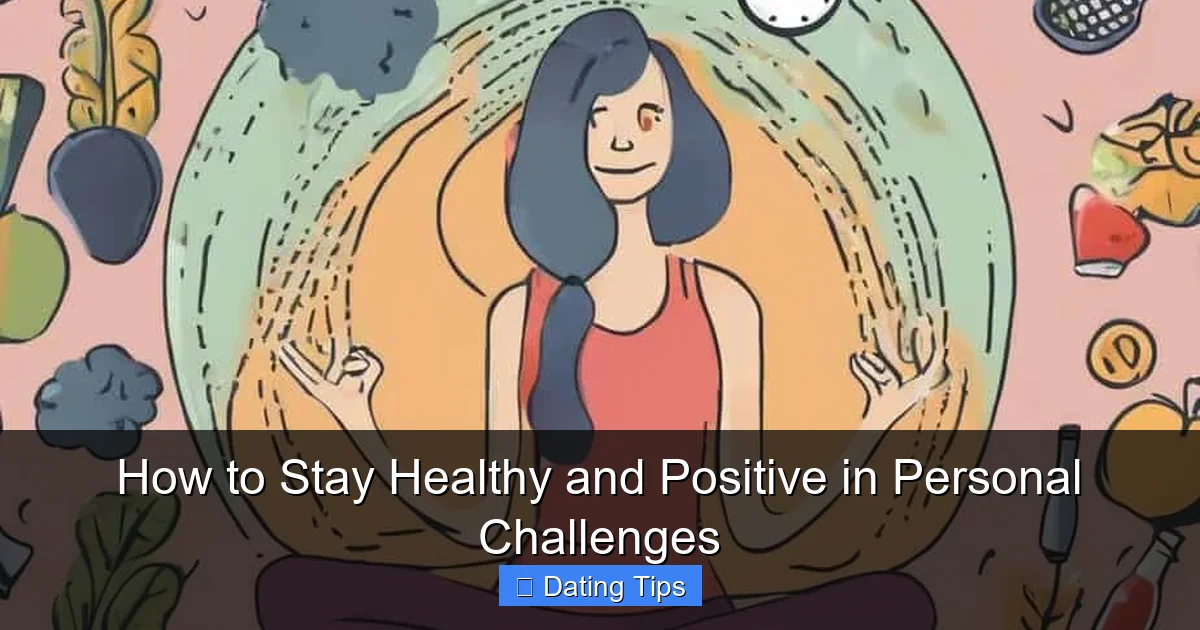
Visual guide about How to Stay Healthy and Positive in Personal Challenges
Image source: bstproductlist.com
Positivity isn’t about ignoring pain—it’s about refusing to let it define you. Cognitive behavioral therapy (CBT) teaches us that our thoughts influence feelings, which then shape actions. So if you catch yourself thinking, “I’ll never get over this,” pause and ask: Is that thought helpful? Realistic? Actionable?
Challenge Negative Self-Talk
When you say things like “I’m such a failure” or “Nothing ever works out for me,” you’re reinforcing limiting beliefs. Counteract them with evidence: “Yes, today was hard, but yesterday I got out of bed. Last week, I called my sister back. Those are wins.” Write down one kind thing you’d say to a friend facing the same struggle—then say it to yourself.
Practice Gratitude Consistently
Gratitude journals aren’t just for happy days. They train your brain to notice silver linings even in darkness. Try writing three things you’re grateful for each evening—no matter how small: sunlight streaming through the window, a warm cup of tea, a text from a friend.
Studies show this simple habit increases dopamine and serotonin levels, improving overall well-being. Over time, it rewires your brain to default toward optimism.
Embrace Imperfection as Human
Perfectionism fuels shame and burnout. Remind yourself: mistakes are data, not damnation. Did you snap at someone? Apologize and reflect—but don’t punish yourself endlessly. Progress isn’t linear; it’s a spiral upward.
Building Emotional Armor: Tools to Protect Your Spirit
Visual guide about How to Stay Healthy and Positive in Personal Challenges
Image source: thebalancedceo.com
Personal challenges often bring up old wounds, insecurities, or fears. Building emotional armor means creating buffers against overwhelm.
Set Healthy Boundaries
Saying “yes” to everything leaves you drained. Learn to say “no” kindly but firmly. Protect your energy by limiting contact with people who gossip, criticize, or drain you. If a relationship feels toxic, consider distancing yourself—even temporarily—to regain inner peace.
For instance, if your ex keeps calling to argue, block their number and redirect the conversation to therapy. Your emotional safety matters more than keeping the peace.
Seek Support Before You Hit Rock Bottom
Isolation magnifies suffering. Reach out early—call a therapist, join a support group, or share honestly with a close friend. Vulnerability isn’t weakness; it’s courage in disguise.
Many people wait until they’re completely overwhelmed before seeking help. Don’t fall into that trap. Asking for support shows strength, not fragility.
Practice Self-Compassion Daily
Treat yourself as you would a dear friend going through hardship. Speak gently. Offer comfort. Avoid harsh criticism. When you fail, acknowledge it without judgment: “That sucked. I’m disappointed too, but I’m still worthy of love and rest.”
Self-compassion reduces anxiety and depression more effectively than self-criticism, according to psychological studies.
Creating Meaning Amid Chaos: Finding Purpose in Pain
Sometimes, the deepest challenges become portals to growth. When you lose your job, you discover new passions. When love fades, you rediscover independence. When illness strikes, you gain empathy for others.
Ask yourself: What can I learn here? How can this pain serve something greater? Maybe you start volunteering, write about your experience, or mentor someone else. Turning pain into purpose creates resilience that lasts beyond the storm.
Remember: you don’t need to solve your problems to find meaning. Just showing up, staying grounded, and caring for yourself—that’s already meaningful.
Sustaining Momentum: Long-Term Strategies for Thriving
Healthy positivity isn’t a sprint; it’s a marathon with detours. Setups for long-term success include:
- Weekly check-ins: Reflect on what worked, what didn’t, and adjust gently.
- Rituals of renewal: Baths with Epsom salts, nature walks, or lighting a candle to mark progress.
- Learning continuously: Read books on resilience, listen to podcasts about growth, or take a course on emotional intelligence.
- Celebrating micro-wins: Finished a task? Drank enough water? That’s worth acknowledging.
Also, remember that healing isn’t always clean. Some days you’ll feel fine; others, you’ll cry in the shower. That’s normal. Be patient. Be persistent.
And if you’re in a relationship where love has faded or trust is broken—like many readers dealing with loveless marriages—know this: your happiness isn’t dependent on another person’s affection. You deserve joy, even if romance looks different now. Explore resources like How To Survive A Loveless Marriage And Find Your Own Happiness to rebuild confidence and rediscover self-worth outside of codependency.
Similarly, if you’re struggling with insecurity or fear of abandonment, know that these feelings stem from past wounds—not your current value. Working through them with therapy or guided reflection can free you to attract healthier connections. Consider exploring Signs You Have Trust Issues And How To Overcome Them for actionable steps.
Ultimately, staying healthy and positive during personal challenges is about aligning daily actions with deeper values: kindness, courage, growth. It’s choosing yourself—again and again—without guilt. And that choice? It builds a life worth living, no matter what comes next.
Frequently Asked Questions
How can I stay positive when I feel hopeless?
Focus on tiny, controllable actions—drink water, take a walk, call a friend. Positivity grows from consistent effort, not sudden bursts. Remind yourself: feeling hopeless doesn’t mean you’re failing; it means you’re human.
Does staying healthy really impact mental health?
Absolutely. Sleep, diet, and exercise directly affect brain chemistry. For example, regular movement boosts endorphins, which naturally reduce stress and improve mood. Physical health and mental resilience are deeply linked.
What if I don’t have a support system?
Start small. Join online communities, attend therapy groups, or volunteer—these connect you with like-minded people. Even one supportive person makes a big difference. If finances limit access, look for free counseling services or faith-based programs.
How long does it take to build emotional resilience?
It varies, but most people notice improvements within 4–6 weeks of practicing daily habits like gratitude or mindfulness. Consistency matters more than speed. Healing isn’t linear—be patient with yourself.
Can positivity help in serious situations like illness or divorce?
Yes. Research shows that resilient people adapt better to major life changes. Staying positive doesn’t erase pain; it gives you tools to cope, recover, and eventually grow stronger. Seek professional help when needed.
Is it selfish to focus on my own health during hard times?
No. Taking care of yourself enables you to show up fully for others later. You can’t pour from an empty cup. Prioritizing your well-being isn’t selfish—it’s essential.
