
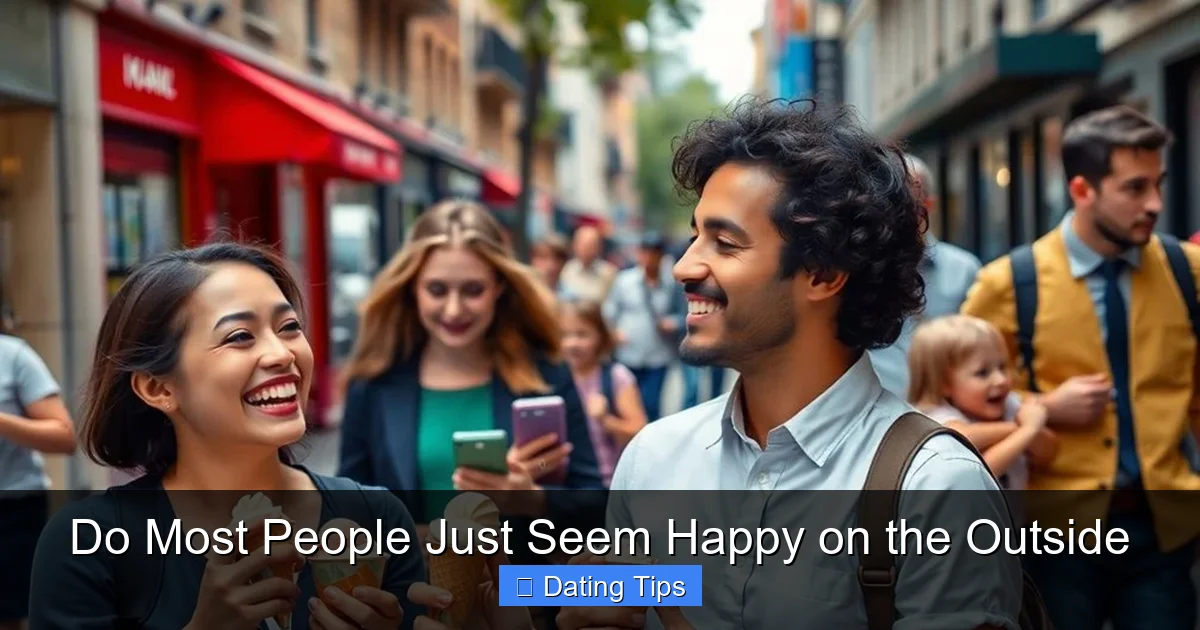
Do most people just seem happy on the outside? It’s a question many of us have asked ourselves—especially in dating and relationships. While smiles, laughter, and social success can give the illusion of happiness, emotional pain often hides beneath the surface. This article dives into why people mask their struggles, how it affects connections, and what you can do to build deeper, more authentic relationships. You’re not alone if you’ve felt misunderstood or sensed something “off” even when others appear joyful.
Key Takeaways
- Appearances Can Be Deceptive: People often hide their true feelings behind a cheerful facade, especially in public or during social interactions.
- Emotional Masking Is Common: Many individuals suppress sadness, anxiety, or loneliness to avoid burdening others or appearing vulnerable.
- Social Media Amplifies the Illusion: Platforms like Instagram showcase highlight reels, making it easy to mistake curated content for real-life happiness.
- It’s Not About Being Fake: Most people aren’t intentionally lying—they genuinely believe they need to “be strong” for those around them.
- Authentic Connection Requires Vulnerability: Building real intimacy means showing up with your whole self, including your struggles.
- You Can Recognize Hidden Pain: Learning to read subtle cues—like tone shifts or sudden withdrawal—can help you respond with empathy.
- Healing Begins with Awareness: Acknowledging your own emotional patterns is the first step toward healthier relationships and personal growth.
📑 Table of Contents
- Do Most People Just Seem Happy On The Outside?
- The Psychology Behind the Smile
- The Role of Social Media in Perpetuating the Myth
- Signs Someone Might Be Hiding Their Struggles
- Building Authentic Connections Despite the Facade
- Breaking the Cycle: Healing Through Vulnerability
- Final Thoughts: Happiness Isn’t a Performance
Do Most People Just Seem Happy On The Outside?
Have you ever walked past someone laughing at a café, scrolling through their phone with a wide smile, and wondered, “Why do they look so happy?” Then later, you hear them cancel plans last minute or snap at a loved one over something small? Or maybe you’ve seen someone post flawless photos from a tropical vacation while secretly battling depression?
We live in a world where happiness is glorified. Social media feeds are flooded with “perfect” moments—sunsets, promotions, romantic dinners—and we begin to believe that joy should be constant. But here’s the truth: most people don’t actually feel happy all the time, no matter how polished their lives appear.
In fact, research shows that nearly 80% of adults experience emotional distress at some point in any given year. Yet, we rarely talk about it openly. Why? Because vulnerability feels dangerous. We fear judgment, rejection, or being seen as “broken.” So instead, we put on masks—bright smiles, confident chatter, endless positivity—and hope no one notices the cracks underneath.
This phenomenon isn’t new. Psychologists call it “emotional masking” or “affect suppression.” It happens when someone deliberately hides negative emotions to meet social expectations. And while it might seem harmless, long-term suppression can lead to burnout, anxiety, and even physical health issues.
But what does this mean for dating and relationships? If everyone’s hiding their true selves, how can we ever find genuine connection? Let’s explore why people seem happy on the outside—and what you can do to uncover the real person beneath the surface.
—
The Psychology Behind the Smile
Visual guide about Do Most People Just Seem Happy on the Outside
Image source: c8.alamy.com
Why Do People Hide Their True Emotions?
Imagine walking into a crowded room full of strangers. Your heart starts racing. Your palms get sweaty. You want to say hello, but your voice feels stuck in your throat. Now imagine doing that every single day—at work, at family gatherings, at parties—while forcing yourself to laugh at jokes you don’t find funny.
For many people, this is reality. They’re not sad or angry—they’re just tired of performing. Tired of pretending everything’s okay when it’s not.
One major reason people hide their emotions is **fear of judgment**. In dating, for example, someone might fake enthusiasm during a date because they worry appearing disinterested will push you away. Or they might exaggerate their fun-loving nature online because they believe “happy people get more matches.”
Another factor is **cultural conditioning**. Growing up, we’re taught to “stay positive,” “not complain,” and “be strong.” These messages are powerful—even if they weren’t intentional. As a result, many suppress grief after a breakup, anxiety before an exam, or loneliness after moving cities.
And let’s not forget **social comparison**. When you scroll through Instagram and see couples celebrating anniversaries or influencers living dream lifestyles, it’s easy to assume your own life is lacking. That pressure fuels the need to present only the best version of yourself—even if it’s exhausting.
So yes, most people *do* seem happy on the outside. But rarely is that happiness real—or complete.
—
The Role of Social Media in Perpetuating the Myth

Visual guide about Do Most People Just Seem Happy on the Outside
Image source: i.pinimg.com
How Online Life Distorts Reality
Social media didn’t create the illusion of constant happiness—but it sure made it easier to maintain.
Think about it: every post is edited, filtered, and chosen for maximum impact. A sunset photo? Probably staged. A gym selfie? Likely taken mid-workout. A dinner with friends? Edited to remove any awkward pauses or spilled wine.
These aren’t lies—just curation. But our brains aren’t wired to process “highlight reels” accurately. We assume what we see is real life. And when we compare those images to our own messy, imperfect days, we start believing we’re the only ones struggling.
This effect is especially strong in dating apps. Swipe culture rewards confidence, charisma, and a “good vibe.” People learn to perform—to craft profiles that attract attention rather than reflect authenticity. And once someone gets a match, they might double down on the persona, terrified of losing interest if they show weakness.
But here’s the irony: the more you perform, the lonelier you may feel. Because when you never let anyone see your real self, you can’t form deep bonds. You end up surrounded by connections based on illusion, not truth.
That’s why mindful use of social media matters. Try turning off notifications for a week. Unfollow accounts that make you feel inadequate. Remember: what you see online is rarely the whole story.
—
Signs Someone Might Be Hiding Their Struggles
Visual guide about Do Most People Just Seem Happy on the Outside
Image source: cdn.brainmanager.io
Learning to Read Between the Lines
You don’t need psychic powers to notice when someone’s not being entirely honest—even if they’re smiling.
Here are some subtle red flags:
– **They always initiate plans** but cancel last minute without explanation.
– **Their social media is flawless**, but they rarely post personal updates or share vulnerable thoughts.
– **They deflect deep questions** with jokes or quick topic changes.
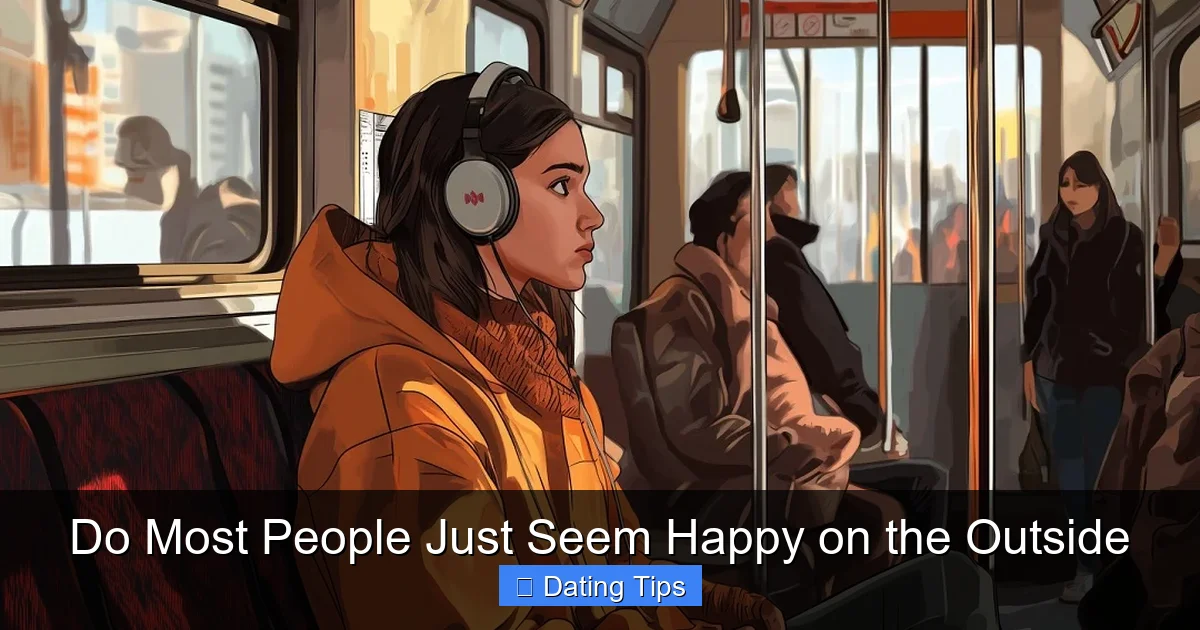
– **They seem energetic in group settings** but quiet or withdrawn when alone.
– **They use phrases like “I’m fine”** even when clearly upset (a classic sign of masking).
None of these mean someone is “fake” or “manipulative.” Often, they’re just following the same script we all do: *Don’t let anyone see you’re hurting.*
But if you notice patterns like this in a potential partner, it’s worth gently probing. Ask open-ended questions:
> “How was your week?”
> “What’s something that stressed you out lately?”
> “When was the last time you felt really relaxed?”
Listen not just for answers—but for hesitation, deflection, or silence. Those gaps often reveal more than words.
Remember: trust builds slowly. And real intimacy grows when both people feel safe enough to be imperfect.
—
Building Authentic Connections Despite the Facade
How to Show Up as Your Whole Self
If everyone’s hiding behind masks, how do you find someone who’s truly present?
Start by doing the same.
Authenticity isn’t about oversharing on day one. It’s about consistency—showing up as yourself, flaws and all, over time. That means admitting when you’re having a bad day, expressing confusion without shame, and accepting kindness without needing to earn it.
Here’s how to cultivate that kind of openness:
1. **Practice self-awareness**: Journal regularly. Ask yourself: *When did I feel most myself recently? What triggered it?*
2. **Normalize imperfection**: Remind yourself—and others—that it’s okay to not be okay. Share your own struggles casually:
> “Ugh, I bombed that presentation today… still figuring out what went wrong.”
3. **Choose quality over quantity**: Instead of swiping mindlessly, invest in meaningful conversations. Ask follow-up questions like:
> “That sounds tough. How are you coping?”
4. **Set boundaries**: Protect your energy. If someone constantly dismisses your feelings, step back. Real connection respects mutual vulnerability.
5. **Seek partners who model honesty**: Notice how they handle setbacks. Do they blame others, or reflect? Do they apologize sincerely? These habits predict emotional maturity.
And if you’re the one feeling misunderstood? Speak up—gently but firmly:
> “I sense there might be more going on for you than you’re sharing. I care about you—would you be willing to talk?”
Sometimes, just offering space is enough. And sometimes, it opens the door to something beautiful.
—
Breaking the Cycle: Healing Through Vulnerability
From Mask-Wearing to Meaningful Living
Mask-wearing isn’t inherently bad. It protects us in certain situations. But when it becomes our default mode—when we avoid our emotions because we think we shouldn’t feel them—it stops serving us.
The good news? You can unlearn old patterns. Healing begins with awareness: recognizing when you’re hiding, naming the emotion underneath, and choosing differently.
Therapy helps. Support groups help. Even talking to a trusted friend can shift things.
But perhaps the biggest breakthrough comes when you stop equating strength with invisibility. True courage isn’t never falling—it’s getting up and showing others they don’t have to fall alone.
And if you’re in a relationship where both partners hide their pain? Consider this: lasting love requires two people who dare to be seen.
—
Final Thoughts: Happiness Isn’t a Performance
At the end of the day, happiness isn’t about constant cheerfulness. It’s about alignment—between your inner world and outer actions.
When you stop performing, you free yourself to connect deeply. To laugh genuinely. To cry without shame. To love without fear.
And when you meet someone who does the same? Well, that’s when magic starts happening.
Because real happiness? It doesn’t need filters. It doesn’t need approval. And it certainly doesn’t require pretending.
So next time you see someone smiling brightly—maybe even yourself—remember: behind every smile could be a story worth listening to. And maybe, just maybe, yours is waiting for its turn to be heard.
—
Frequently Asked Questions
Why do people pretend to be happy all the time?
Many people hide their true emotions due to societal pressure, fear of judgment, or cultural norms that value positivity. They may believe showing vulnerability makes them weak or burdensome, so they adopt a “happy” facade to fit in or protect others’ feelings.
Is it normal to feel sad even when everything seems fine?
Absolutely. Mental health isn’t determined by external circumstances. Many people experience sadness, anxiety, or emptiness despite having successful careers, loving families, or active social lives. These feelings are valid and common.
How can I tell if someone is hiding their true feelings?
Watch for inconsistencies between their words and actions. Do they seem overly cheerful in public but withdraw when alone? Do they avoid deep topics or quickly change subjects when personal questions arise? Subtle cues like tone shifts or delayed responses can also signal internal conflict.
Can social media cause feelings of unhappiness?
Yes. Constant exposure to idealized images and curated experiences can trigger comparison and low self-esteem. Studies link heavy social media use to increased anxiety, depression, and loneliness—especially among young adults.
What’s the difference between masking emotions and suppressing them?
Masking involves hiding feelings outwardly (e.g., smiling while grieving). Suppression means pushing emotions aside mentally. Both can be harmful long-term if done consistently, leading to emotional exhaustion or physical symptoms like headaches or insomnia.
How can I build trust with someone who seems closed-off?
Be patient and consistent in your presence. Share your own vulnerabilities gradually. Avoid pressuring them to open up. Over time, if they feel safe, they’ll likely reciprocate. Authenticity breeds authenticity.
