

Getting over a breakup isn’t about waiting out time—it’s about healing emotionally, rediscovering yourself, and rebuilding your life. While everyone heals differently, research suggests most people begin to feel better within 6–12 months, though full recovery can take up to two years depending on the relationship’s depth, duration, and individual coping strategies. This journey isn’t linear; setbacks are normal, but each step forward builds resilience.
Key Takeaways
- Healing time varies widely: It depends on factors like relationship length, emotional investment, and personal coping mechanisms. There’s no universal timeline.
- The first few weeks are the hardest: Initial grief, withdrawal from social circles, and obsessive thoughts about your ex are common during this acute phase.
- Grief follows a non-linear path: You may have good days followed by sudden sadness—this is normal. Avoid judging your progress.
- Self-care accelerates healing: Prioritizing sleep, exercise, nutrition, and therapy significantly shortens emotional recovery time.
- Rushing leads to stagnation: Trying to “get over it” too quickly often backfires. Allow yourself to mourn before moving forward.
- New relationships too soon can delay healing: Jumping into another romance without processing your pain may create unresolved emotional baggage.
- Support systems matter: Talking to trusted friends, joining support groups, or seeking professional help makes a big difference in recovery speed.
📑 Table of Contents
- How Long Does It Take to Get Over a Breakup?
- The Science Behind Breakup Recovery Time
- Typical Breakup Healing Timeline
- Factors That Influence How Fast You Heal
- Signs You’re Actually Healing (Not Just Pretending)
- Practical Strategies to Accelerate Healing
- When to Worry: Warning Signs of Prolonged Grief
How Long Does It Take to Get Over a Breakup?
Breakups sting. Whether it was an amicable split or a messy end, walking away from someone you loved leaves emotional scars that don’t heal overnight. But here’s the truth: you don’t have to stay stuck. Healing from heartbreak is possible, and while the process looks different for everyone, understanding what to expect can ease the uncertainty.
Let’s be real—nobody wants to sit in their feelings forever. Yet, trying to force yourself to “get over it” quickly often does more harm than good. Grief isn’t a race. Instead of asking, “When will I stop hurting?” try reframing it as: “What can I do today to feel a little better?” This mindset shift alone changes everything.
In this article, we’ll walk through the science-backed phases of post-breakup healing, explore why timelines vary, and share actionable strategies to help you reclaim your joy faster. Spoiler alert: healing isn’t just about forgetting your ex—it’s about becoming the best version of yourself in the process.
The Science Behind Breakup Recovery Time
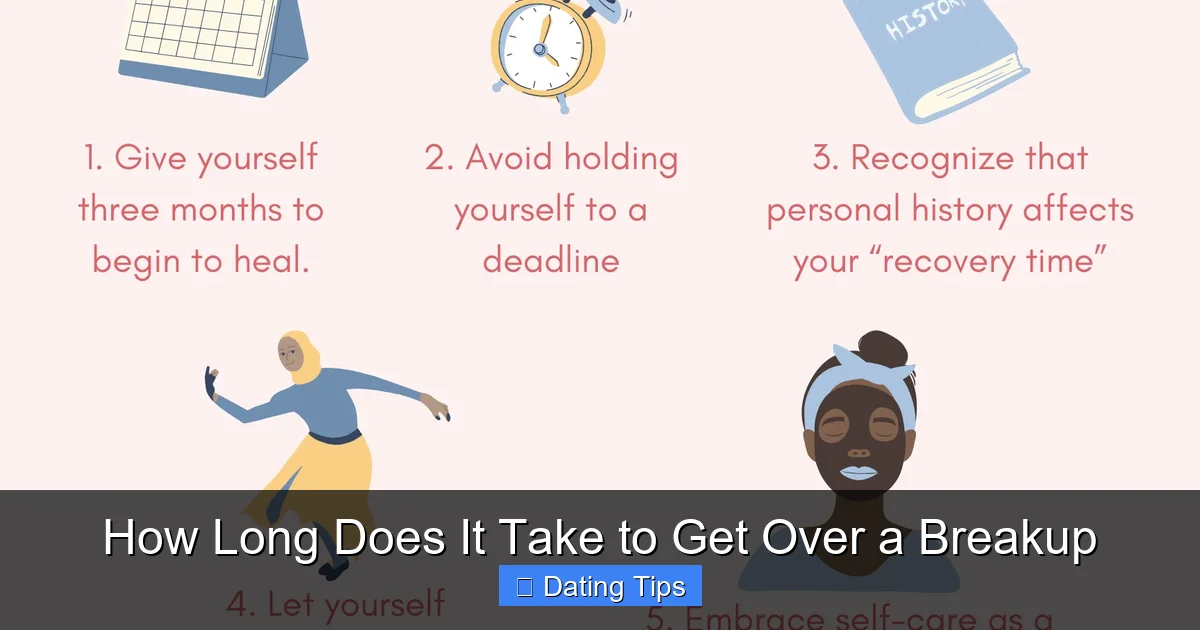
Before diving into timelines, let’s talk about why getting over a breakup takes time at all. When you lose a significant relationship, your brain undergoes real physiological changes. Neurotransmitters like dopamine and serotonin—the same chemicals released when you fall in love—drop sharply after separation. This biochemical shift explains why you might crave your ex even when logically knowing they’re not right for you.
Visual guide about How Long Does It Take to Get Over a Breakup
Image source: zencare.s3.us-east-2.amazonaws.com
Dopamine Withdrawal: Why You Still Think About Your Ex
During a healthy relationship, dopamine floods your system whenever your partner shows affection. After the breakup, that high fades, leaving behind low-grade anxiety and longing. Psychologists call this “dopamine detox,” and it can last anywhere from a few weeks to several months. That’s why those late-night texts or social media scrolls trigger such strong emotions—your brain still associates your ex with reward.
Attachment Styles Shape Your Healing Speed
Your ability to recover quickly hinges partly on your attachment style. People with secure attachments bounce back faster because they trust their judgment and maintain strong social networks. In contrast, anxious or avoidant individuals may struggle longer due to fear of abandonment or emotional repression. Understanding your attachment pattern (read more in How To Be Vulnerable With A Man) helps tailor your healing approach.
The Role of Unresolved Conflict
If your breakup involved lingering resentment, unanswered questions, or unfinished conversations, healing slows down. Unresolved conflict keeps your mind replaying scenarios like “what if?” or “why didn’t they…?” until closure happens—either through direct communication or internal acceptance. Sometimes, writing unsent letters or practicing forgiveness exercises provides enough resolution to move on.
Typical Breakup Healing Timeline
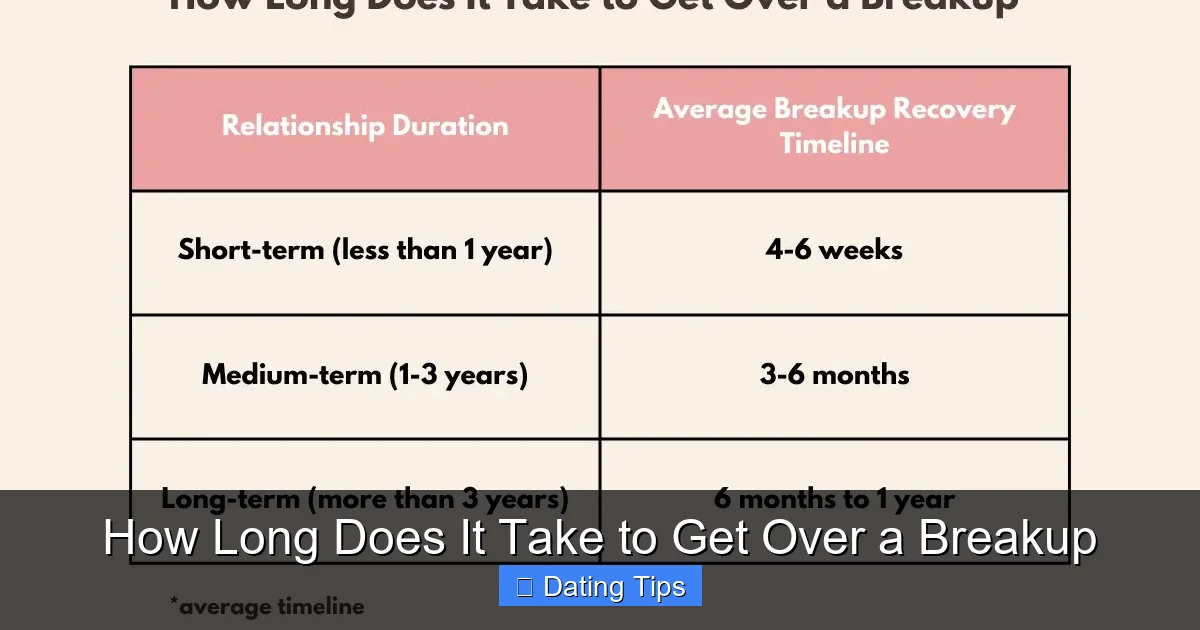
While every person’s journey is unique, researchers have identified general patterns based on relationship duration and intensity. Keep in mind these are averages—not rules. Some folks feel better in six weeks; others need eighteen months. The key is focusing on forward progress, not perfection.
Visual guide about How Long Does It Take to Get Over a Breakup
Image source: viemina.com
The First Month: Acute Grief Phase
In the initial 30 days, expect intense emotional swings. Common experiences include:
- Intense sadness or anger: Crying spells, irritability, or numbness
- Obsessive thinking: Constantly analyzing what went wrong or imagining reconciliation
- Social withdrawal: Avoiding mutual friends, deleting photos, or blocking your ex online
- Physical symptoms: Insomnia, loss of appetite, fatigue
This phase mirrors clinical depression symptoms but usually subsides within four to six weeks if supported well. If feelings persist beyond a month, consider speaking with a therapist.
Months Two Through Four: Adjustment Period
By week eight onward, many people notice small improvements. Energy returns, appetite normalizes, and obsessive thoughts fade. However, triggers still surface—birthday texts, anniversary dates, or seeing your ex with someone new can send you spiraling temporarily. This is completely normal.
During this window, focus on reclaiming routines. Start exercising again, reconnect with hobbies you abandoned during the relationship, and slowly rebuild your social circle. You’re not pretending nothing happened—you’re learning to coexist with your memories without being controlled by them.
Five to Twelve Months: Integration & Growth
Most people report significant relief between six and twelve months. Emotions become less volatile, and you start noticing positive changes in self-esteem and outlook. Many discover new interests, travel solo for the first time in years, or even enter healthy new relationships.
Yet, healing isn’t linear. You might hit “relapse days” where old wounds reopen unexpectedly. Don’t panic—these moments teach you which triggers to avoid and how resilient you’ve become. Each relapse is proof you’re growing, not failing.
Beyond One Year: Full Emotional Integration
For some, especially those in long-term marriages or deeply codependent partnerships, complete recovery takes over a year. This doesn’t mean you’ll never think about your ex—it means those thoughts no longer define your happiness. You’ve integrated the loss into your life story without letting it control your future.
Patience becomes your superpower here. Celebrate tiny victories: choosing a shirt without overthinking his opinion, laughing at an old inside joke, or simply feeling content without needing validation from anyone else.
Factors That Influence How Fast You Heal
Several variables affect your breakup recovery timeline. Recognizing these helps set realistic expectations and adjust your self-care strategy accordingly.
Visual guide about How Long Does It Take to Get Over a Breakup
Image source: moretodela.com
Relationship Duration Matters
Shorter relationships (under six months) typically heal faster because the emotional investment wasn’t deeply entrenched. Longer commitments—especially those involving shared finances, children, or daily routines—require more time to untangle. A five-year partnership leaves behind tangible legacies: homes, careers, family plans—all needing recalibration.
Reason for the Breakup
Amicable splits tend to resolve quicker than toxic ones. If your breakup involved betrayal, abuse, or manipulation, healing requires additional layers like trauma processing and boundary-setting. Conversely, mutual decisions based on incompatibility leave fewer regrets and easier closure.
Individual Coping Mechanisms
People who journal, meditate, or seek therapy generally adapt faster than those who isolate or suppress emotions. Healthy outlets prevent rumination—that dangerous cycle of replaying arguments and catastrophizing outcomes. Try experimenting with mindfulness apps or talking to a counselor if you’re unsure where to start.
Social Support Availability
Loved ones act as emotional anchors during hard times. Having friends who listen without judgment or family members offering practical help (like babysitting so you can attend a support group) reduces isolation and speeds recovery. If your current network feels unsupportive, consider joining online communities like r/breakups on Reddit or local meetups focused on personal growth.
New Relationship Timing
Entering a new romance too soon often prolongs healing. Your subconscious may resist fully letting go if you’re simultaneously trying to replace your ex. While casual dating isn’t inherently harmful, rushing into serious commitment without introspection risks repeating old patterns. Give yourself permission to enjoy solitude before exploring new connections.
Signs You’re Actually Healing (Not Just Pretending)
How do you know you’re progressing instead of stagnating? Look for these indicators:
- You miss them less frequently: The ache returns occasionally, but it’s brief and manageable.
- Triggers cause temporary discomfort, not devastation: Seeing your ex’s photo makes your chest tighten slightly—but you breathe through it.
- You take initiative in your life: Planning trips, signing up for classes, or calling friends proactively.
- Positive memories feel bittersweet, not painful: You smile remembering good times without wishing they were back.
- You’re kinder to yourself: No longer blaming yourself for the breakup or obsessing over perceived flaws.
If you’re unsure whether you’re healing or suppressing, ask: *Would I want my best friend to stay stuck in this state?* Chances are, the answer reveals your true priorities.
Practical Strategies to Accelerate Healing
Healing faster doesn’t require drastic measures—just consistent, compassionate actions. Here are proven tactics:
Practice Daily Self-Care Rituals
Small habits build big resilience. Aim for:
- Morning sunlight exposure: Boosts vitamin D and regulates mood
- Movement: Even 20 minutes of walking releases endorphins
- Nourishment: Hydrate well, limit alcohol, and eat balanced meals
- Sensory grounding: Light candles, play music, or wrap yourself in soft blankets during tough moments
Create Digital Boundaries
Social media sabotage recovery for 73% of users (per a 2022 study). Consider:
- Unfollowing or muting your ex temporarily
- Using app blockers during vulnerable hours
- Replacing scrolling with audiobooks or podcasts
Process Emotions Through Creative Expression
Writing, painting, dancing, or cooking can externalize inner turmoil. Try keeping a “grief journal” where you vent freely—then burn or delete it when done. This ritual symbolizes releasing what no longer serves you.
Seek Professional Help When Needed
Therapy isn’t just for crises—it’s maintenance. Cognitive Behavioral Therapy (CBT) techniques help reframe negative thought patterns common after breakups. Don’t wait until you’re overwhelmed; proactive counseling builds lifelong emotional tools.
Reframe Your Narrative
Instead of “I failed,” say “I learned.” Every relationship teaches us about our needs, dealbreakers, and growth areas. Ask: *What would I do differently next time?* Then write down three specific insights to carry forward.
When to Worry: Warning Signs of Prolonged Grief
Most people heal naturally given time and support. But if you experience persistent symptoms beyond six months, consult a mental health professional. Red flags include:
- Unable to perform basic daily tasks (work, hygiene, meals)
- Thoughts of self-harm or hopelessness
- Withdrawing from all relationships including supportive ones
- Substance misuse to numb emotions
- Physical health declining significantly
Remember: asking for help isn’t weakness—it’s wisdom. Therapists specialize in navigating complex emotions like yours, and many insurance plans cover sessions.
Frequently Asked Questions
Is it normal to still miss my ex after six months?
Yes, absolutely. Missing someone doesn’t mean you’re stuck—it means you cared deeply. Most people experience waves of longing even after a year, especially around anniversaries or holidays. What matters is whether those thoughts control your choices anymore.
Should I block my ex on social media immediately?
It depends on your current emotional stability. If seeing their posts causes panic attacks or obsessive checking, temporary blocking protects your peace. For others, unfollowing suffices. Experiment and adjust as needed—your mental health comes first.
Can I date someone new before fully healing?
Casual dating is okay if you’re honest about your healing journey. But avoid labeling things “serious” until you’ve processed core emotions. Rushing into commitment risks transferring unresolved issues onto your new partner.
Why do I feel guilty for moving on while grieving?
Guilt signals incongruence between your actions and values. Ask yourself: *Does enjoying life dishonor my past relationship?* Often, healing honors love better than suffering does. Balance remembrance with forward momentum.
How do I stop comparing myself to my ex’s new partner?
Comparison fuels insecurity. Focus outward: volunteer, learn a skill, or plan a solo adventure. Redirect energy toward building your own confidence. Remind yourself: your worth isn’t defined by anyone else’s choices.
Will I ever feel “normal” again?
Normalcy is overrated. You’ll develop a new baseline—one filled with self-awareness, healthier boundaries, and greater emotional agility. The goal isn’t returning to pre-relationship status quo; it’s evolving into a wiser, more resilient you.
