
If your spouse is being distant, secretive, or emotionally unavailable, it might not just be stress—it could be a sign of infidelity. Many people stay silent because they fear confrontation or don’t want to believe the worst. But awareness is power. From sudden changes in behavior to digital secrecy, there are often subtle clues that something deeper is going on. This article reveals 10 things your cheating spouse doesn’t want you to know, helping you recognize warning signs early and make informed decisions about trust, safety, and future.
Key Takeaways
- Sudden emotional distance can be a red flag—not just stress. If your partner withdraws affection or becomes cold without reason, it may signal emotional detachment from the relationship.
- Increased secrecy around devices is a major warning sign. Hiding phones, changing passwords, or getting defensive when asked to share screens can indicate hidden communications.
- Changes in routine or excuses for time away often mask affairs. Unexplained late nights, sudden “work trips,” or vague alibis deserve closer attention.
- They may criticize or devalue you more frequently. Cheaters often use subtle attacks to justify their actions or lower your self-esteem so you’ll blame yourself.
- They avoid deep conversations about the future. If your spouse suddenly avoids talks about marriage, kids, or long-term plans, it could mean they’re emotionally investing elsewhere.
- They show excessive interest in appearance or hygiene—especially if it’s new behavior. Over-grooming, buying new clothes, or working out obsessively can be attempts to impress someone else.
- They become overly apologetic or manipulative. Excessive gifts, sudden declarations of love, or guilt-tripping are common tactics to ease conscience or control perception.
📑 Table of Contents
- Introduction: Why Knowing These Things Matters
- 1. They Suddenly Become Emotionally Detached
- 2. Their Digital Life Becomes Secretive
- 3. They Make Excuses—Lots of Them
- 4. They Criticize You More Than Usual
- 5. They Avoid Future Conversations
- 6. They Suddenly Care About Appearance (Again)
- 7. They Become Overly Apologetic or Gift-Giving
- 8. They Monitor Your Every Move—Ironically
- 9. They Laugh at Your Concerns or Dismiss Your Feelings
- 10. They Have a “Secret” Friend or Colleague
- Conclusion: Protect Yourself with Awareness
Introduction: Why Knowing These Things Matters
Have you ever felt like your partner has changed? Not just moody or tired—something deeper. Maybe they’re suddenly distant, always on their phone, or making excuses for time away. You tell yourself, “It’s just work stress,” or “I’m overthinking.” But what if those feelings aren’t just in your head?
The truth is, many people suspect something’s wrong but stay quiet because they’re afraid of confrontation, rejection, or the possibility of being wrong. Yet staying in the dark only prolongs pain. When someone cheats, they don’t just break physical boundaries—they erode trust, emotional intimacy, and sometimes even your sense of self-worth. And while no two relationships are the same, there are patterns. Certain behaviors repeat across cases of infidelity, and recognizing them early can help you respond with clarity, not panic.
This article dives into 10 things your cheating spouse doesn’t want you to know—not to accuse or provoke, but to empower. Whether you’re noticing small shifts or facing obvious lies, understanding these hidden signals can help you decide your next steps. You deserve honesty, respect, and a relationship built on integrity—not secrets or half-truths.
1. They Suddenly Become Emotionally Detached
Why It Happens
One of the most telling signs your spouse might be unfaithful is emotional withdrawal. Cheaters often distance themselves emotionally to reduce guilt and maintain the relationship while pursuing another connection. This isn’t just about being busy—it’s about choosing someone else as a priority.
Visual guide about 10 Things Your Cheating Spouse Doesnt Want You to Know
Image source: capriza.com
What to Watch For
- They rarely initiate physical affection anymore.
- You feel like you’re “talking to a wall” during conversations.
- They dismiss your feelings or say, “You’re too sensitive” when you express concern.
- They seem distracted even when you’re together.
If your once-close partner now acts like roommates instead of lovers, it’s worth exploring why. Emotional disengagement often precedes physical betrayal—and sometimes follows it too. The key is timing: if this change started recently and coincided with increased secrecy or time away, it’s a strong indicator.
2. Their Digital Life Becomes Secretive
Hidden Apps and Passwords
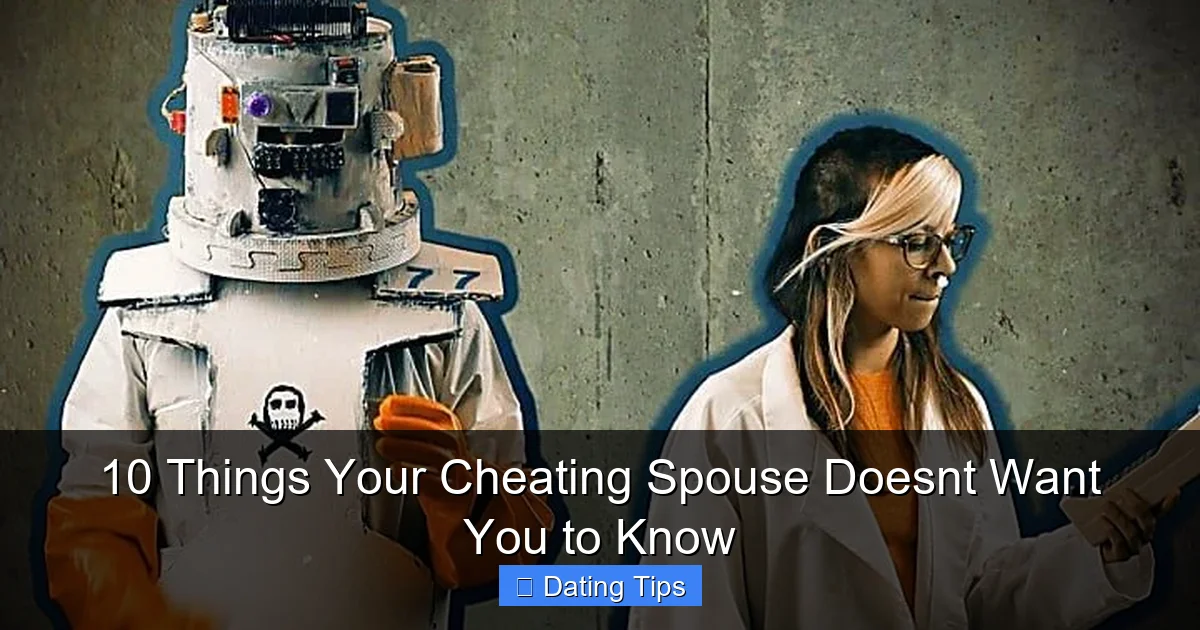
In today’s world, communication happens online—and cheaters exploit that. One of the biggest red flags is sudden defensiveness around devices. If your spouse:
Visual guide about 10 Things Your Cheating Spouse Doesnt Want You to Know
Image source: i.pinimg.com
- Changes their phone password without explanation,
- Quickly hides their screen when you walk by,
- Becomes angry or nervous when you ask to see their messages,
- Uses private browsing mode frequently,
…then it’s likely they’re hiding conversations. Even if nothing is “wrong,” this level of secrecy is suspicious.
Social Media Red Flags
Cheating spouses often go overboard on social media. Look for:
- Mass-following or unfollowing accounts overnight,
- Deleting old photos with you suddenly,
- Posting vague or flirtatious messages late at night,
- Using coded language in comments (e.g., “Can’t wait for our next adventure”).
Remember: digital privacy doesn’t always equal guilt. But when combined with other behaviors—like lying about where they were or becoming unusually protective of their device—it’s a warning bell.
3. They Make Excuses—Lots of Them
The Pattern of Inconsistency
Liars build stories. If your spouse is cheating, you’ll notice their explanations don’t add up. They might say they stayed late at work, but security cameras show otherwise. Or they claim a friend called them, but the friend denies it. These inconsistencies pile up fast.
Visual guide about 10 Things Your Cheating Spouse Doesnt Want You to Know
Image source: i.pinimg.com
Common Excuses Include:
- “I had a lot of overtime this week.”
- “My coworker needed help with a project.”
- “I was meeting a client downtown.”
- “I forgot my charger, so I couldn’t text you.”
Ask for details—dates, times, names. Genuine people remember specifics; cheaters often fabricate quickly under pressure. Also, pay attention to how they react when questioned. Do they get defensive, sarcastic, or overly emotional? That’s a sign they’re lying.
4. They Criticize You More Than Usual
Guilt-Driven Attacks
Cheaters often undermine their partner’s confidence to feel better about betraying them. If your spouse starts criticizing your appearance, intelligence, or choices out of nowhere, it could be manipulation—not reflection of real flaws.
Examples of Hidden Criticism:
- “You never look nice anymore.”
- “You’re so boring now.”
- “Why do you always have to complain?”
- “I wish you were more interesting.”
This kind of negativity isn’t constructive feedback—it’s gaslighting. Your partner isn’t trying to help you grow; they’re trying to make themselves feel justified. Notice if these comments started right after you expressed concern about their behavior.
5. They Avoid Future Conversations
Why They Pull Away
A healthy couple dreams together—plans for vacations, careers, children, retirement. But if your spouse suddenly shuts down discussions about the future, it’s a major red flag. Cheaters often don’t see themselves in your shared vision anymore.
Signs of Avoidance:
- They change the subject when you mention “what’s next.”
- They say, “Let’s not talk about that now.”
- They avoid eye contact during serious talks.
- They focus only on short-term plans while ignoring long-term ones.
If your spouse used to talk about kids or moving cities but now acts disinterested, it suggests they’re emotionally checking out. This isn’t just about romance—it’s about commitment.
6. They Suddenly Care About Appearance (Again)
Over-Grooming as a Strategy
When people start dating again after a breakup or divorce, they often revamp their look. But if your long-term spouse suddenly buys new clothes, dyes their hair, or hits the gym daily—especially if it’s out of character—it could be for someone else.
Watch for:
- New wardrobe staples (e.g., cologne, designer shoes).
- Frequent trips to salons or gyms.
- Wearing outfits that seem “for someone else.”
- Compliments from others about how “hot” they look.
Note: This doesn’t mean all attractive behavior equals cheating. But when appearance changes coincide with secrecy, emotional distance, and lies, it’s worth investigating.
7. They Become Overly Apologetic or Gift-Giving
The Guilt Trap
After cheating, many partners try to ease their conscience by showering their spouse with attention—gifts, apologies, declarations of love. This isn’t genuine remorse; it’s damage control.
Red Flags in “Apologies”:
- They say, “I’m sorry you feel that way” instead of taking responsibility.
- They buy expensive presents to “make up for” nothing.
- They cry easily during arguments to win sympathy.
- They promise to change but repeat the same behaviors.
This cycle of guilt and reward keeps you off-balance. You feel grateful for the attention but confused by the inconsistency. Remember: real change doesn’t require grand gestures—it requires consistency.
8. They Monitor Your Every Move—Ironically
The Hypocrisy Factor
Some cheaters become hyper-vigilant about their partner’s activities as a way to justify their own actions. If your spouse suddenly demands to know where you are, who you’re with, or what you’re doing—even though they’ve been secretive themselves—it’s a classic double standard.
Examples:
- “Where did you go last night?” after they lied about being at home.
- Demanding access to your phone or social media.
- Accusing you of flirting when they’re the ones texting strangers.
This controlling behavior isn’t about love—it’s about ownership and guilt. They want to feel safe while denying you the same courtesy.
9. They Laugh at Your Concerns or Dismiss Your Feelings
Emotional Gaslighting
If you voice concerns about your spouse’s behavior and they laugh it off, call you paranoid, or say, “You’re imagining things,” they’re gaslighting you. This tactic makes you doubt your instincts—a common move by people who know they’re doing wrong.
How It Feels:
- You start questioning whether you’re crazy.
- You apologize for “overreacting.”
- You second-guess every memory or observation.
Trust your gut. Healthy partners listen to concerns, validate feelings, and offer transparency—not ridicule.
10. They Have a “Secret” Friend or Colleague
The New Connection
Many affairs begin through casual workplace friendships. If your spouse develops a close bond with someone at work—especially a younger person, a coworker they didn’t care about before—it’s suspicious.
Signs:
- They spend hours talking to one person via text.
- They mention this person constantly in conversation.
- They get flustered when this person calls.
- They defend this person even when criticized.
This isn’t always an affair, but it’s a breeding ground. Ask gentle questions: “How’s Sarah from accounting?” “Do you think Mark is single?” See how they react.
Conclusion: Protect Yourself with Awareness
Recognizing the signs of cheating isn’t about jumping to conclusions—it’s about paying attention. The 10 things your cheating spouse doesn’t want you to know aren’t just secrets; they’re warnings. From emotional withdrawal to digital secrecy, these behaviors often overlap and create a pattern that, while painful to see, can guide you toward healing—or necessary separation.
You don’t need proof to act. If multiple red flags appear, consider having an honest conversation. Use open-ended questions like, “I’ve noticed you’ve been distant—can we talk about what’s going on?” Avoid accusations; focus on your feelings. If they deny everything but continue the same behavior, trust your instincts.
And remember: staying in a toxic relationship for fear of being alone is not strength—it’s survival mode. You deserve peace, respect, and a partner who values your presence. Whether you choose reconciliation, counseling, or walking away, do it from a place of clarity, not confusion.
For more guidance on navigating relationship challenges, check out our articles on questions to ask your unfaithful spouse and signs your husband regrets cheating on you. These resources can help you move forward with wisdom and grace.
Frequently Asked Questions
How do I know if my spouse is cheating based on their behavior?
Pay attention to sudden emotional distance, increased secrecy around devices, frequent excuses for time away, and criticism. These signs often overlap and signal a shift in priorities. Trust your instincts—if something feels off, investigate gently.
Is emotional infidelity worse than physical cheating?
Not necessarily. Both forms break trust and hurt deeply. Emotional cheating can be just as damaging because it involves intimacy and deception. The impact depends on your values and the relationship’s foundation.
What should I do if I suspect my spouse is cheating?
Start by observing patterns, not isolated incidents. Have an honest, calm conversation using “I” statements like “I’ve felt disconnected lately.” Avoid accusations. Consider couples counseling if both parties are willing.
Can trust be rebuilt after cheating?
Yes, but it takes time, effort, and transparency. The cheating partner must fully commit to accountability, therapy, and consistent honesty. The betrayed partner needs patience but also clear boundaries.
Are there innocent reasons for these behaviors?
Possibly. Stress, depression, or midlife crises can cause similar symptoms. But when combined with secrecy, lies, and emotional withdrawal, they often point to deeper issues—including infidelity.
Should I confront my spouse immediately?
Not always. Wait until you’ve gathered enough evidence to avoid baseless accusations. Focus on asking thoughtful questions rather than demanding answers. If they’re guilty, they’ll eventually slip up or confess.
