
Dealing with someone who is bipolar and angry can be emotionally taxing, but understanding their condition is the first step toward healthier interactions. By learning about mood cycles, setting boundaries, and practicing empathy, you can create a more stable and supportive environment for both of you. This guide offers real-life strategies to reduce conflict and foster connection, even during difficult moments.
Key Takeaways
- Understand bipolar disorder: Bipolar disorder involves extreme mood swings—from mania to depression—and can trigger intense emotional outbursts, including anger.
- Stay calm during episodes: Responding with patience and avoiding escalation helps de-escalate tense situations.
- Set clear boundaries: Healthy limits protect your emotional well-being while showing respect for their experience.
- Encourage professional help: Therapy and medication are essential tools for managing bipolar symptoms and anger.
- Practice self-care: Supporting someone with bipolar disorder takes a toll; prioritize your mental health too.
- Communicate with empathy: Use “I” statements and active listening to build trust and reduce defensiveness.
- Know when to step back: If emotions become unsafe or abusive, it’s okay to pause the conversation or seek support.
📑 Table of Contents
- How to Deal with Someone Who Is Bipolar and Angry: A Compassionate Guide
- Understanding Bipolar Disorder and Anger
- How to Respond During an Angry Outburst
- Building Long-Term Strategies Together
- Protecting Yourself Emotionally
- When Anger Crosses Into Abuse
- Rebuilding Trust After Conflict
- Final Thoughts: Compassion Is Not Naivety
How to Deal with Someone Who Is Bipolar and Angry: A Compassionate Guide
Have you ever felt like you’re walking on eggshells around someone you care about? Maybe they have sudden mood shifts—laughing one moment and lashing out the next. Or perhaps you’ve noticed explosive anger that feels disproportionate to the situation. You’re not alone. Many people in relationships with someone who has bipolar disorder experience confusion, fear, and frustration when anger surfaces unexpectedly.
Bipolar disorder is more than just mood swings—it’s a neurological condition that affects brain chemistry, energy levels, and emotional regulation. When combined with anger issues, these symptoms can make everyday interactions challenging. But here’s the good news: with understanding, preparation, and the right strategies, you can navigate this terrain with greater confidence and compassion.
In this article, we’ll walk through practical steps to help you support someone with bipolar disorder who struggles with anger—whether they’re a partner, family member, or close friend. We’ll explore what causes these intense reactions, how to respond calmly during episodes, and how to maintain your own emotional health. Because loving someone doesn’t mean sacrificing yourself.
Understanding Bipolar Disorder and Anger
Before jumping into solutions, it’s important to understand what’s really going on. Bipolar disorder isn’t just being “moody” or “emotional.” It’s a medical condition characterized by dramatic shifts between manic (high-energy) and depressive (low-energy) phases. During certain episodes—especially hypomania or mixed states—people may feel irritable, impulsive, or overwhelmed, which can easily escalate into anger.
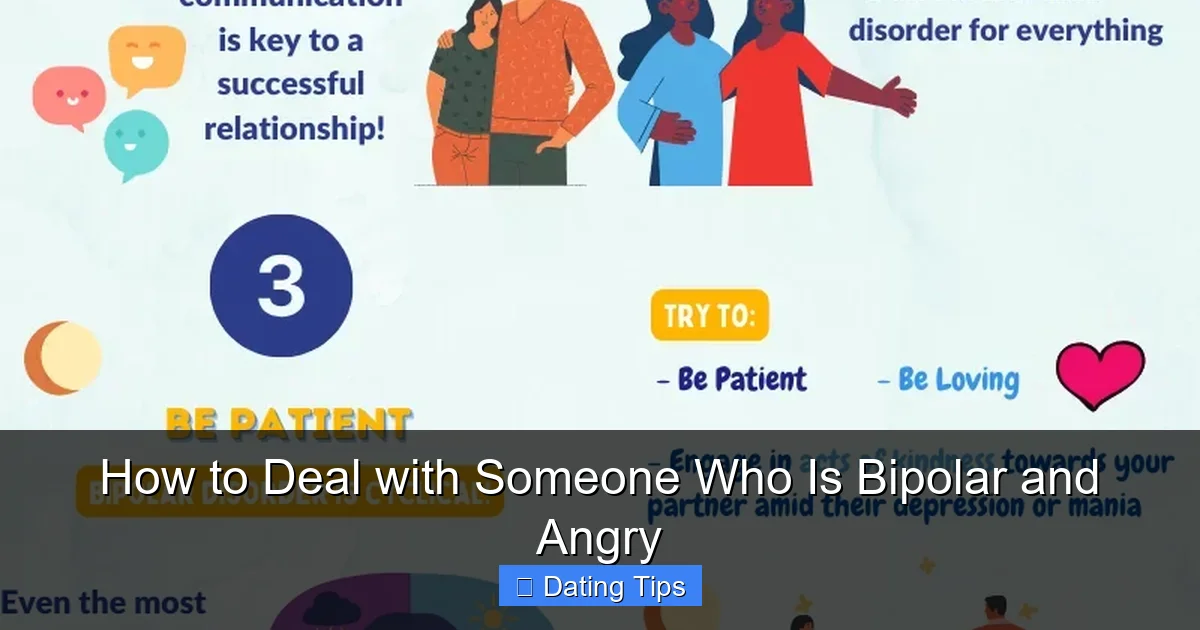
Visual guide about How to Deal with Someone Who Is Bipolar and Angry
Image source: therapy-central.com
What Triggers Anger in Bipolar Episodes?
Anger in bipolar disorder often stems from internal chaos rather than external provocation. Here are some common triggers:
- Manic or hypomanic episodes: High energy, racing thoughts, and poor impulse control can lead to frustration when things don’t go as planned.
- Sleep disruption: Lack of rest worsens mood instability and lowers the threshold for irritation.
- Sensory overload: Loud noises, bright lights, or chaotic environments can feel unbearable during sensitive phases.
- Fear of losing control: People with bipolar disorder may become defensive if they sense criticism or pressure.
It’s crucial to remember: this anger is not personal. It’s a symptom, not a character flaw. Just like someone with diabetes manages blood sugar, someone with bipolar disorder must manage their moods—with treatment and support.
Is Anger Part of Bipolar Disorder?
Yes, especially during manic or mixed episodes. While not everyone experiences anger, research shows that irritability is actually the most common mood symptom in bipolar disorder, particularly in younger adults. In fact, according to the National Institute of Mental Health (NIMH), up to 70% of individuals with bipolar disorder report experiencing significant irritability during mood episodes.
This means that what might seem like “unprovoked rage” could actually be a physiological response to an internal state beyond their control. That’s why judgment or punishment rarely helps—and sometimes makes things worse.
How to Respond During an Angry Outburst
If you find yourself facing sudden anger from someone with bipolar disorder, your instinct might be to argue, retreat, or defend yourself. But reacting impulsively can fuel the fire. Instead, try these evidence-based approaches:
Visual guide about How to Deal with Someone Who Is Bipolar and Angry
Image source: timelypsychiatry.com
Stay Calm and Grounded
Your presence matters more than your words when emotions run high. Speak slowly, keep your tone neutral, and avoid raising your voice—even if theirs is loud. When you stay composed, you model emotional regulation and give them space to calm down.
Example: If your partner yells, “You never listen to me!” instead of snapping back, say quietly, “I hear you’re upset. Let’s talk when we’re both calmer.”
Give Them Space Without Abandoning Them
Sometimes, the best support is stepping back—not out of rejection, but out of respect for their need to regulate. Say something like, “I want to understand how you’re feeling. Can we take 10 minutes apart and reconnect?” This shows care without demanding immediate resolution.
Linking to: How To Give Someone Space Without Losing Them
Avoid Blame or Accusations
Criticism during a volatile moment only deepens shame and defensiveness. Phrases like “Why do you always blow up?” or “You’re being irrational” shut down communication. Stick to observations: “I noticed your voice got louder just now. Are you feeling overwhelmed?”
Use Distraction or Humor (Carefully)
Lightening the mood can diffuse tension—but only if it’s genuine and not dismissive. A soft joke or changing the subject gently might work. For example: “Remember that time we got stuck in the rain and laughed about it? Maybe we can find our own version of that today.”
Building Long-Term Strategies Together
One-off reactions aren’t enough. Sustainable change requires ongoing effort from both sides. Here’s how to build healthier dynamics over time.
Visual guide about How to Deal with Someone Who Is Bipolar and Angry
Image source: goodnesspsychiatryllc.com
Create a Mood Tracking System
Help your loved one monitor their moods using a journal or app. Note sleep patterns, stressors, medication adherence, and triggers. Seeing trends can empower them—and help you anticipate rough patches.
For instance, if they notice anger spikes after missed doses of lithium, you can gently remind them before a stressful event (like a work presentation). Prevention beats reaction.
Establish Predictable Routines
Rough nights, irregular meals, and chaotic schedules wreak havoc on bipolar brains. Work together to build structure: consistent bedtimes, meal times, and downtime. Predictability reduces anxiety and minimizes meltdowns.
Practice Nonviolent Communication (NVC)
NVC teaches us to express needs without blame. Instead of “You never help around the house,” try: “I feel overwhelmed when dishes pile up. Would you be open to washing them tonight?” This invites cooperation, not resistance.
Linking to: How To Reconnect After A Fight With Your Partner
Encourage Professional Support
Therapy—especially cognitive behavioral therapy (CBT) or dialectical behavior therapy (DBT)—helps manage anger and mood swings. Medication, when prescribed by a psychiatrist, stabilizes brain chemistry. Offer to help find resources or attend sessions together if appropriate.
If they resist treatment, express concern without pressure: “I love you, and I worry when I see you struggling. Have you thought about talking to someone who specializes in bipolar?”
Protecting Yourself Emotionally
Supporting someone with bipolar disorder and anger can be draining. You can’t pour from an empty cup. Prioritize your mental health using these tools:
Set Firm Boundaries
Say no to demands that compromise your safety or values. Example: “I won’t yell back, but I will leave the room if you start throwing things.” Boundaries aren’t walls—they’re lifelines.
Linking to: How To Stop Begging Someone To Love You
Practice Self-Care Rituals
Schedule daily check-ins with yourself: a walk, meditation, or calling a friend. When you recharge, you show up better for others.
Seek Your Own Therapy
A counselor helps you process your feelings, develop coping skills, and avoid burnout. You deserve support too.
Join a Support Group
Connecting with others in similar situations reduces isolation. Online communities like DBSA (Depression and Bipolar Support Alliance) offer safe spaces to share and learn.
When Anger Crosses Into Abuse
Not all anger is manageable. If physical aggression, threats, or verbal abuse occur, prioritize safety. Document incidents, contact a domestic violence hotline, or involve trusted friends/family. No relationship should require you to endure harm.
Linking to: My Partner Is Always Angry And Negative
Rebuilding Trust After Conflict
Mistakes happen—especially under stress. The key is accountability and repair. After an episode passes:
- Acknowledge your role: “I realize I raised my voice earlier. That wasn’t fair.”
- Apologize sincerely: “I’m sorry I hurt you. How can I do better?”
- Commit to change: “Next time I feel overwhelmed, I’ll use the breathing technique we practiced.”
Linking to: How To Apologize To Someone You Hurt Deeply
Consistency builds trust over time. Small efforts compound into lasting respect.
Final Thoughts: Compassion Is Not Naivety
Loving someone with bipolar disorder and anger isn’t easy—but it’s possible. It starts with education, not judgment. It thrives on patience, not perfection. And it honors both their humanity and yours.
Remember: you’re not responsible for curing their illness. But you are responsible for treating them with dignity. And for protecting your own peace.
If this resonates, consider reading more about navigating complex relationships—like dealing with passive aggression or supporting a depressed spouse. Every challenge offers a chance to grow stronger, wiser, and more connected.
Because love isn’t about fixing each other—it’s about showing up, even when it’s hard.
Frequently Asked Questions
Can someone with bipolar disorder control their anger?
With proper treatment—therapy, medication, and lifestyle support—many people with bipolar disorder learn to manage their emotions effectively. However, during severe mood episodes, impulsivity and irritability may temporarily overwhelm their ability to regulate anger.
Will my relationship survive this?
Yes, many couples thrive despite bipolar-related challenges. Success depends on mutual commitment, open communication, and willingness to seek help together. Patience and realistic expectations are key.
Should I stay with someone who gets angry often?
Ask yourself: Do they take responsibility after episodes? Are they working to improve? Does the relationship include healthy balance? If yes, it’s worth investing in. If not, consider whether you’re being respected consistently.
How do I know if their anger is part of bipolar or another issue?
Track patterns: Does anger align with known mood episodes? Is it tied to sleep changes or medication misses? A mental health professional can assess whether anger is a core symptom or linked to trauma, anxiety, or personality factors.
Can I prevent angry outbursts entirely?
No—but you can reduce frequency and intensity by supporting treatment, maintaining routines, and creating low-stress environments. Focus on what you can influence, not perfection.
What if they refuse to get help?
You can’t force treatment, but you can express concern and set boundaries. Encourage professional consultation without ultimatums. If they refuse and behavior becomes harmful, prioritize your safety and consider limiting contact until they engage in care.
