
Understanding and meeting the needs of someone with an avoidant attachment style is essential for building lasting, healthy relationships. This guide offers practical strategies to respect boundaries, reduce emotional pressure, and create a sense of safety. By learning how to communicate gently and consistently, you can help your partner feel secure without triggering their defenses.
Have you ever felt like you’re constantly walking on eggshells around your partner? Or maybe you’re the one pulling away because things get too close too fast? If so, there’s a good chance your partner (or you) has an avoidant attachment style. It’s not about being cold or unloving—it’s about how someone connects emotionally under stress or during intimacy.
Avoidant attachment often stems from early experiences where emotional needs weren’t met safely. As adults, these individuals learn to self-soothe and protect themselves by keeping others at a distance. But that doesn’t mean they don’t want love—they just need it delivered differently.
So how do you meet the needs of an avoidant attachment style without pushing them further away? In this article, we’ll walk through practical steps, real-life examples, and gentle communication techniques designed specifically for avoidant partners. Whether you’re dating, married, or trying to understand yourself better, this guide will help you build a healthier, more connected relationship.
Key Takeaways
- Respect personal space: Avoidant individuals value independence; give them room to breathe and recharge without guilt.
- Communicate calmly and clearly: Use “I” statements and avoid emotional intensity that might trigger withdrawal.
- Be patient with emotional pacing: Let the relationship develop naturally—rushing intimacy pushes them away.
- Avoid criticism or pressure: Criticism reinforces their belief that vulnerability leads to rejection.
- Celebrate small progress: Acknowledge when they open up, even slightly, to encourage future connection.
- Focus on consistency over grand gestures: Reliability builds trust more than intense romantic displays.
- Educate yourself about attachment styles: Understanding avoids fear of misunderstanding their behavior.
📑 Table of Contents
- What Is Avoidant Attachment Style?
- Why Meeting Their Needs Matters
- Practical Strategies to Meet the Needs of an Avoidant Attachment Style
- Handling Conflict with an Avoidant Partner
- Building Emotional Safety Together
- Self-Care While Supporting an Avoidant Partner
- Long-Term Outlook: Can Avoidant Attachment Change?
- Conclusion: Love Redefined for Avoidant Partners
What Is Avoidant Attachment Style?
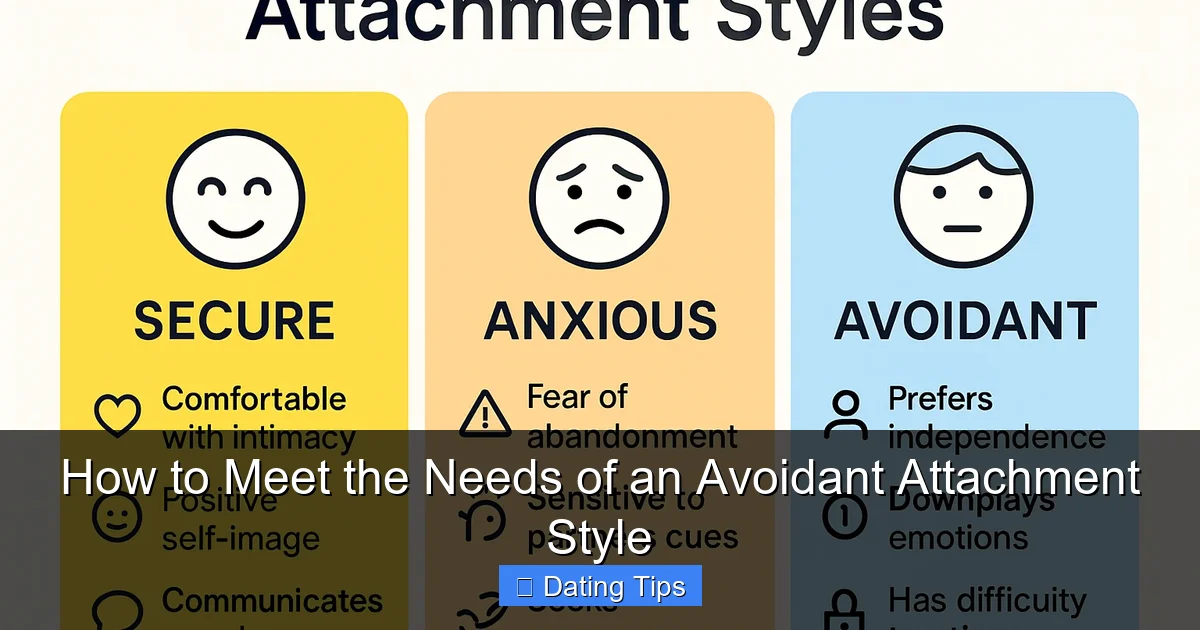
Attachment theory, developed by psychologist John Bowlby, explains how our early relationships shape our adult behaviors in love and intimacy. There are four main attachment styles: secure, anxious, disorganized, and avoidant. The avoidant style is especially common—and often misunderstood.
People with an avoidant attachment style typically grew up in environments where emotional expression was discouraged, dismissed, or punished. Maybe their caregivers were distant, overly critical, or simply unavailable when they needed comfort. Over time, they learned to rely only on themselves and suppress feelings of neediness.
In adulthood, this shows up as:
– Difficulty opening up emotionally
– Preference for solitude
– Fear of dependency
– Withdrawal during conflict or closeness
– Tendency to prioritize logic over emotion
It’s important to remember: avoidance isn’t a lack of care. It’s a survival strategy. When you understand that, it becomes easier to respond with empathy instead of frustration.
The Difference Between Avoidant and Secure Attachment
While secure individuals feel safe expressing vulnerability and seeking support, avoidant individuals associate vulnerability with danger. They may say “I’m fine” even when deeply hurt, not because they aren’t, but because admitting pain feels unsafe.
For example, imagine your partner comes home stressed from work. A securely attached person might say, “You seem overwhelmed—do you want to talk about it?” An avoidant partner might shut down, change the subject, or retreat to another room. That’s not rudeness—it’s their way of protecting themselves from perceived emotional exposure.
Common Misconceptions About Avoidant Types
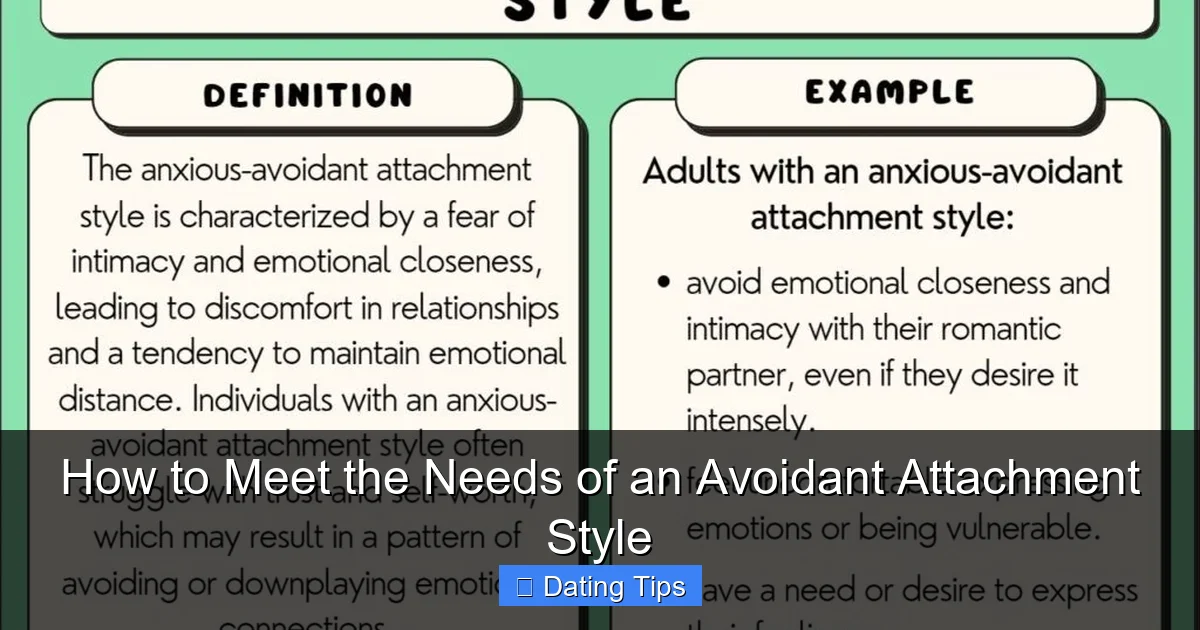
One of the biggest myths is that avoidant people don’t want deep connections. In reality, many crave intimacy but believe closeness equals loss of freedom or judgment. Another myth is that they’re “too cool for school”—but really, they’re just scared of getting hurt again.
They also aren’t always antisocial. Some enjoy socializing, but emotional depth drains them. Others may appear confident but internally struggle with insecurity masked as self-sufficiency.
Why Meeting Their Needs Matters
Visual guide about How to Meet the Needs of an Avoidant Attachment Style
Image source: helpfulprofessor.com
When you meet the needs of an avoidant attachment style, you’re not giving in—you’re building a bridge. You’re showing that vulnerability doesn’t have to be scary. That connection can coexist with independence. And that love doesn’t require surrender.
Relationships thrive when both partners feel seen, respected, and safe. For avoidant individuals, safety means predictability, low-pressure interaction, and zero judgment. When those conditions are met, they slowly begin to let their guard down.
Think of it like tending a garden: avoidant partners may look like stubborn weeds—but with patience, proper soil (emotional safety), and consistent care (gentle presence), they can bloom into something beautiful.
The Ripple Effect of Poor Communication
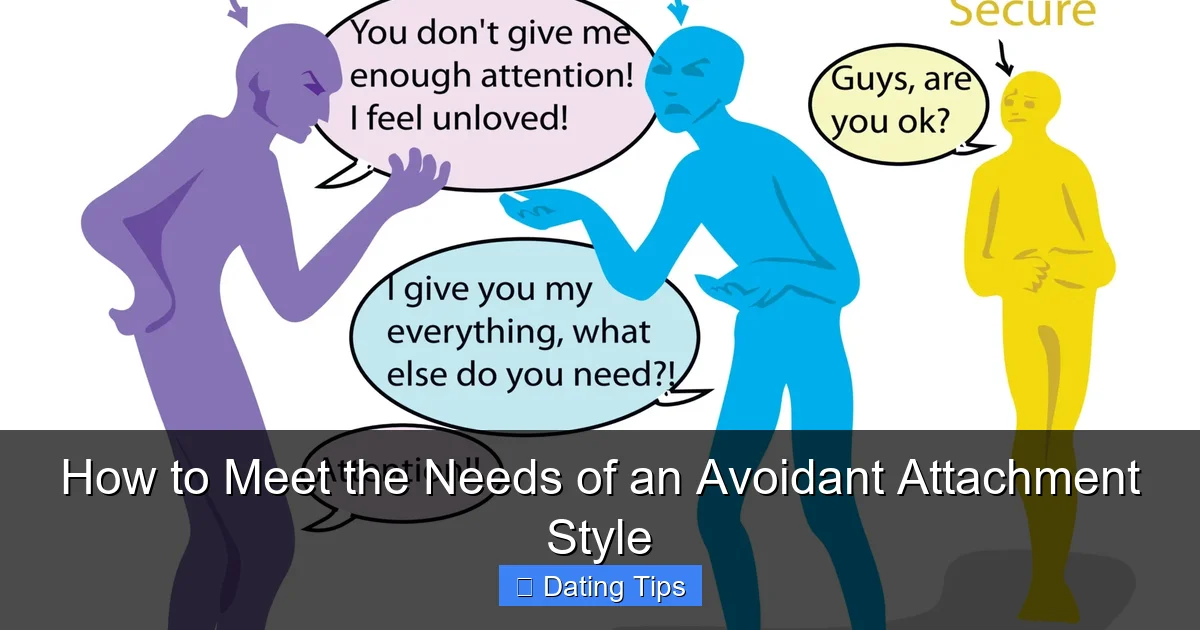
If you push too hard, demand reassurance, or react emotionally during conflict, you reinforce the belief that intimacy = threat. Over time, this creates a cycle: you pull, they withdraw; you chase, they hide. Eventually, one or both may feel rejected—even if that wasn’t the intention.
On the flip side, when you honor boundaries and respond with calmness, you model what healthy relating looks like. You teach them that they can trust you enough to stay present—even when emotions arise.
How Avoidant Behavior Impacts Relationships
Avoidance can strain any partnership, but especially those where one partner is more emotionally expressive. The non-avoidant partner may feel lonely, neglected, or confused. Meanwhile, the avoidant partner may feel smothered or misunderstood.
But here’s the hopeful part: avoidant attachment isn’t fixed. With awareness and effort, people can shift toward more secure patterns—especially when cared for by someone who understands them.
Practical Strategies to Meet the Needs of an Avoidant Attachment Style
Visual guide about How to Meet the Needs of an Avoidant Attachment Style
Image source: simplypsychology.org
Now that we understand what avoidant attachment is, let’s get into actionable ways to support your partner—without losing yourself in the process.
1. Respect Their Need for Space
Avoidants need autonomy. They recharge by being alone, not because they dislike you, but because constant emotional demand exhausts them.
Instead of interpreting quiet evenings or canceled plans as rejection, ask gently: “Hey, I noticed we haven’t hung out much this week. Everything okay?” This shows concern without accusation.
Also, resist the urge to fill silence with conversation. Sometimes, sitting together comfortably without talking is perfectly fine—and healing.
2. Communicate Without Pressure
Emotional intensity triggers defensiveness. Keep conversations calm, direct, and solution-focused when possible.
For instance, instead of saying, “Why won’t you talk to me?!” try: “I miss connecting with you. Would you be open to sharing how you’re feeling today?”
Use “I” statements: “I feel worried when we go days without speaking. I’d appreciate knowing if you’re okay.” Avoid blaming language like “You always…” or “You never…”—it activates their fight-or-flight response.
3. Give Them Time to Open Up
Trust isn’t built overnight. Avoidants move at their own pace. Rushing intimacy—physical or emotional—will backfire.
Let them initiate deeper talks first. If they share something vulnerable, respond with validation: “Thank you for trusting me with that. I’m here for you.”
Over time, consistent reliability teaches them that openness leads to safety, not abandonment.
4. Avoid Criticism and Blame
Criticism feels like an attack—especially to someone already wired to expect judgment. Even well-meaning feedback can be twisted into proof that they’re “too sensitive” or “needy.”
If you need to address an issue, frame it as collaboration: “I’ve noticed we sometimes misunderstand each other. Can we figure this out together?”
And remember: sarcasm, eye rolls, or passive-aggressive comments are death blows to connection for avoidant types.
5. Celebrate Small Wins
When your partner takes a tiny step toward closeness—like sending a sweet text, holding hands briefly, or admitting they’re sad—acknowledge it warmly.
Say: “I really appreciated when you told me you were having a tough day. That meant a lot.” Positive reinforcement encourages repetition.
These micro-moments accumulate into bigger shifts over time.
6. Focus on Consistency, Not Grand Gestures
Avoidants respond best to dependable behavior, not dramatic romance. Show up reliably: follow through on promises, maintain routines, and stay calm during disagreements.
For example, if you agree to check in after work, do it—even if it’s just a quick “Hope your day was okay!” text. Predictability builds安全感 (sense of security).
7. Educate Yourself Continuously
Read books like *Attached* by Amir Levine and Rachel Heller. Watch interviews with therapists specializing in attachment. Join online communities discussing relational health.
The more you understand, the less likely you are to take their withdrawal personally.
Handling Conflict with an Avoidant Partner
Visual guide about How to Meet the Needs of an Avoidant Attachment Style
Image source: sosyncd.com
Conflict is inevitable—but how you handle it makes all the difference.
Avoid Escalation Triggers
Certain phrases send avoidants straight into shutdown mode:
– “You’re being irrational.”
– “Just talk to me!”
– “If you loved me, you’d…”
– “We never connect anymore.”
Instead, pause the argument if emotions run high. Say: “I see this is getting intense. Can we take a break and revisit this tomorrow?”
This respects their need for de-escalation while keeping the door open for resolution later.
Use Written Communication Wisely
Text messages or emails allow avoidants time to process thoughts before responding. A simple, clear message like “I’m upset about X. Can we discuss it calmly tonight?” gives them control over timing.
However, avoid using texts for serious confrontations—they can feel impersonal or evasive.
Create Safe Dialogue Spaces
Suggest structured talks: “Every Sunday, let’s spend 15 minutes just checking in—no problems, just how we’re feeling.” Routine reduces anxiety around unpredictable emotional storms.
Also, agree on a “signal”—like holding hands lightly—to indicate when you’re entering a vulnerable conversation.
Building Emotional Safety Together
At the heart of every successful relationship lies emotional safety. For avoidant partners, this means feeling free to be imperfect without fear of rejection.
Model Vulnerability Gently
Share your own struggles modestly: “Today was rough. I felt really stressed about work.” This normalizes openness without demanding reciprocity immediately.
Avoid oversharing too soon—it can feel overwhelming. Instead, offer light disclosures and observe their response.
Establish Shared Rituals
Small, recurring activities create bonding without pressure:
– Weekly walks without phones
– Cooking dinner together
– Watching a favorite show side-by-side
These rituals signal stability and shared presence—key ingredients for trust.
Encourage Professional Support
Therapy isn’t failure—it’s growth. Suggest couples counseling or individual therapy for your partner if they seem stuck in patterns. Frame it positively: “I think talking to someone could help us understand each other better.”
Many avoidant individuals benefit greatly from somatic therapy, mindfulness practices, or cognitive behavioral therapy (CBT) focused on emotional regulation.
Self-Care While Supporting an Avoidant Partner
Supporting someone with avoidant tendencies can be draining if you neglect your own needs. Remember: you can’t pour from an empty cup.
Set Healthy Boundaries
It’s okay to say no to excessive emotional labor. You don’t have to fix everything or absorb their moods. Practice saying: “I care about you, but I need some downtime too.”
Boundaries aren’t walls—they’re healthy fences around your energy.
Maintain Your Own Interests
Keep hobbies, friendships, and goals outside the relationship. This prevents codependency and keeps you grounded.
Invite your partner occasionally—but don’t force inclusion. Let them join when they’re ready.
Seek Your Own Support
Talk to friends, journal, or see a therapist. Processing your feelings helps you respond rather than react during tough moments.
You deserve joy and fulfillment too.
Long-Term Outlook: Can Avoidant Attachment Change?
Yes—absolutely. Attachment styles aren’t destiny. With the right environment, self-awareness, and therapeutic support, anyone can move toward a more secure pattern.
Avoidants often struggle with shame around their “flaws”—being distant, hard to read, etc. But those traits are adaptations, not deficiencies. When paired with someone who sees them as human, not broken, transformation becomes possible.
Over years, consistent gentleness can rewire neural pathways associated with safety and connection. It won’t happen overnight, but small, repeated acts of care compound into lasting change.
Signs of Progress
Watch for subtle shifts:
– They initiate contact more often
– They express needs verbally (“I’d like some quiet time today”)
– They apologize when they’ve withdrawn unfairly
– They engage in joint activities without resistance
These aren’t guarantees—but they’re hopeful indicators.
The Role of Patience
Change takes time. Be kind to yourself and your partner. Celebrate non-linear progress. One setback doesn’t erase two weeks of growth.
Remember: healing isn’t linear. Some days will be harder than others—and that’s normal.
Conclusion: Love Redefined for Avoidant Partners
Meeting the needs of an avoidant attachment style isn’t about changing who they are—it’s about creating conditions where their true self can emerge. It’s about loving them not despite their fear of intimacy, but by honoring its roots.
This journey requires humility, patience, and unwavering belief in your partner’s capacity to grow. It means choosing connection daily, even when it feels awkward or unrewarded. And ultimately, it leads to a deeper, more authentic bond than either partner imagined possible.
If you’re navigating this dynamic, know you’re not alone. Many couples find themselves here—and many find their way through. With compassion, clarity, and commitment, you can build a relationship that honors both independence and interdependence.
For further reading, consider exploring resources on emotional intelligence or biblical perspectives on love and boundaries—like How To Be Vulnerable With A Man, which complements understanding avoidant tendencies in male partners.
Frequently Asked Questions
How do I know if my partner has an avoidant attachment style?
If your partner frequently withdraws during emotional moments, values independence above shared time, struggles with vulnerability, or reacts defensively to closeness, they may have an avoidant attachment style. Observing patterns over time—not isolated incidents—helps confirm this. Consulting a therapist can provide clarity.
Can an avoidant person truly change their attachment style?
Yes, absolutely. While avoidant tendencies are deeply rooted, they can evolve with self-awareness, supportive relationships, and professional guidance. Consistent, non-judgmental presence helps rewire old responses. Progress may be slow, but meaningful shifts are possible.
Should I give my avoidant partner an ultimatum?
No. Ultimatums often trigger fear and withdrawal, reinforcing old patterns. Instead, express your needs calmly: “I need emotional connection to feel fulfilled in this relationship. How can we work toward that together?” Open dialogue fosters collaboration, not coercion.
Is it selfish to prioritize my own needs with an avoidant partner?
Absolutely not. Healthy relationships require mutual care. Setting boundaries protects your well-being and models self-respect. An avoidant partner may initially resist, but over time, seeing your stability can inspire their own growth.
What if my avoidant partner refuses therapy?
You can’t force someone into treatment, but you can continue offering support and education. Share articles, invite them casually: “I heard this podcast about relationships—thought you might like it.” If they remain stuck, focus on building your own resilience through counseling or community.
How long does it take to build trust with an avoidant person?
There’s no set timeline—trust develops gradually based on consistency, reliability, and repeated positive experiences. Small, dependable actions over months or even years lay the foundation. Patience is key; rushing undermines safety.
