
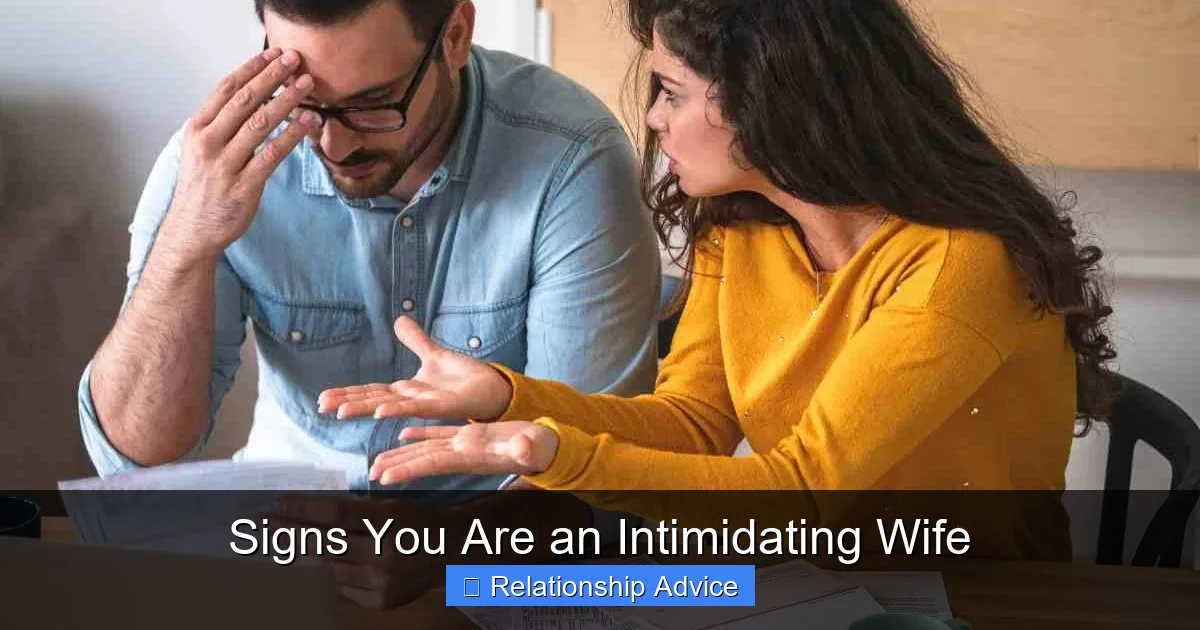
You may be an intimidating wife without even realizing it. High confidence, strong opinions, or a no-nonsense attitude can unintentionally push partners away. Recognizing these patterns is the first step toward healthier, more balanced relationships.
In today’s world, being a confident woman is celebrated. From boardrooms to bedrooms, strong, capable women are admired for their clarity, drive, and independence. But here’s the thing: confidence doesn’t always equal kindness. And when that confidence tips into dominance or control, it can unintentionally make your partner—especially your husband—feel small, unheard, or even afraid.
We often assume that “intimidating” means someone who shouts, belittles, or uses aggression. But the most powerful kind of intimidation? The quiet kind. It lives in raised voices during calm discussions, in dismissive glances, in decisions made without asking, and in the silent weight of knowing exactly what’s best—without considering your partner’s input.
So, how do you know if you’re an intimidating wife? Maybe you’re not trying to dominate. Maybe you’re just being yourself: direct, passionate, ambitious, and sure of your worth. But if your partner pulls away, hesitates to share ideas, or avoids talking to you altogether—even when everything seems fine on the surface—there might be something deeper going on.
This article isn’t about labeling or shaming. It’s about awareness. Because the strongest women don’t need to be feared. They lead with empathy, communicate with care, and empower those around them. Let’s explore the subtle signs that you might be unintentionally intimidating your spouse—and how to turn that energy into connection.
Key Takeaways
- Confidence vs. Intimidation: While confidence is attractive, overpowering your partner with constant assertiveness can feel overwhelming and create emotional distance.
- Communication Style Matters: Using a commanding tone or dismissing your partner’s feelings may signal intimidation, even if your intentions are supportive.
- Independence Can Be Misread: Being self-sufficient and goal-oriented is healthy, but rejecting help or input too often may make your partner feel unnecessary.
- Emotional Intelligence Is Key: Recognizing how others react to your behavior helps you adjust and foster mutual respect rather than fear.
- Power Dynamics Shift: If decisions are always made by you or your partner feels hesitant to speak up, it may indicate an unbalanced dynamic.
- Body Language Counts: Crossed arms, raised voice, or intense eye contact during disagreements can unintentionally intimidate.
- Growth Over Judgment: Self-awareness allows you to evolve—turning intensity into strength, not dominance.
📑 Table of Contents
1. You Speak Loudly and Decisively—Too Often
There’s a difference between being decisive and being domineering. When you consistently take charge of conversations, interrupt frequently, or shut down opposing views before they’re fully expressed, your partner may start feeling like they’re not allowed to have a say.
For example, imagine you’re discussing vacation plans. Your husband suggests a quieter cabin by the lake. You immediately counter with, “That’s boring. We should go to Vegas—it’s exciting, fun, and we’ll meet people!” You’re enthusiastic, passionate, and full of ideas. But if this happens repeatedly, your husband might begin to hesitate before sharing his thoughts.
Over time, he stops suggesting things because he knows you’ll likely reject them with enthusiasm. He starts second-guessing himself. And eventually, he stops speaking up at all.
This pattern isn’t about the destination—it’s about the process. When one person consistently leads every discussion, decision, or activity, it creates a power imbalance. Even if you mean well, the effect is the same: your partner feels sidelined.
How to Fix It
Try practicing active listening. When your partner speaks, pause. Ask clarifying questions: “What made you think of that?” or “Can you tell me more?” Then, respond with curiosity, not correction. Make it a habit to say, “I hadn’t thought of that—let’s explore both options together.”
Also, try scheduling regular “input sessions” where your partner gets to lead the conversation. Let him pick the topic, set the tone, and guide the discussion. This small shift builds trust and shows you value his perspective—not just yours.
2. You Rarely Accept Help or Advice
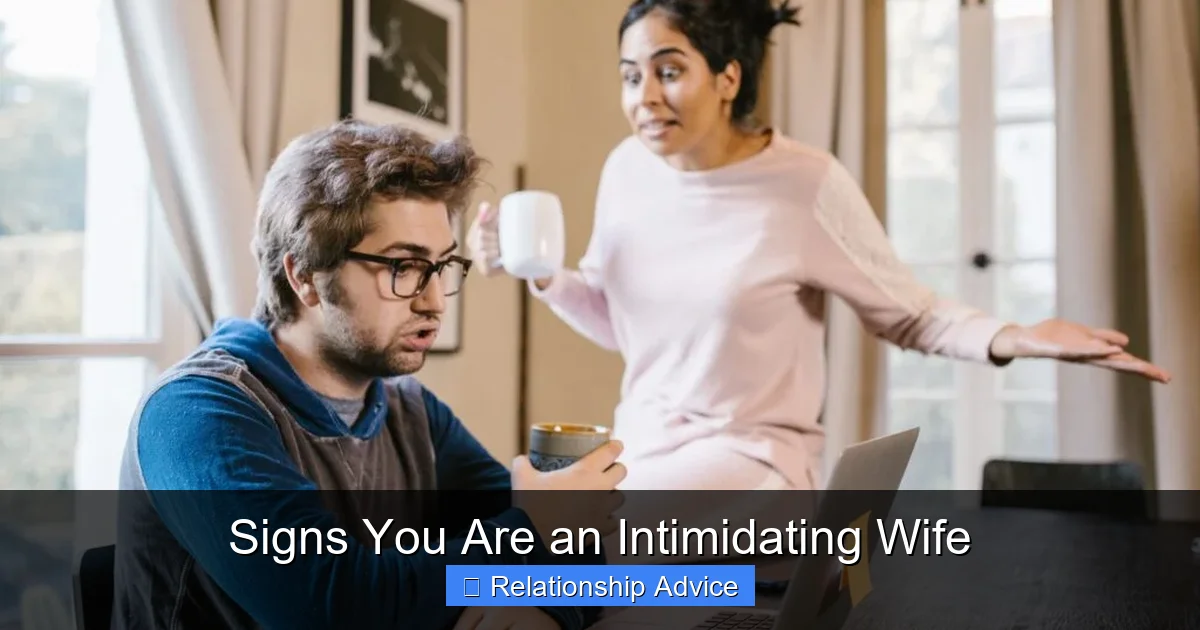
Visual guide about Signs You Are an Intimidating Wife
Image source: smashnegativity.com
One of the most common signs of an intimidating wife is someone who refuses assistance—even when it would make life easier. Whether it’s fixing a leaky faucet, planning a family event, or managing finances, if you always insist on doing it yourself, your partner may feel useless.
Now, independence is admirable. But when refusal comes with phrases like, “No, I don’t need help. I’ve got this,” or “Why bother? I’ll just handle it,” it sends a subtle message: *I don’t trust you to do it right—or maybe I don’t think you’re capable.*
Even if you believe you’re protecting your partner from stress, the impact is the same: he begins to withdraw. Why offer advice or lend a hand when it won’t matter? Why suggest solutions when you’ll just override them anyway?
Eventually, your partner stops offering support altogether. He stops caring as much. And the emotional intimacy erodes.
Real-Life Example
Sarah runs a successful marketing firm and handles all household decisions—from grocery lists to bill payments. When her husband, Mark, tried to contribute by suggesting a cheaper brand of coffee, she said, “It tastes worse. I’ll just buy the expensive one. Don’t worry about it.”
After months of similar exchanges, Mark stopped making suggestions. He started buying his own coffee. Then his own snacks. Then his own clothes. Eventually, he stopped talking about anything beyond work updates.
Sarah didn’t realize how isolating her “I’ve got it” attitude was until they sat down for counseling. The therapist pointed out: *You’re not just managing the home—you’re managing him.*
How to Fix It
Start by saying yes to help—even if it’s imperfect. Thank your partner when he offers. Say, “Thank you for thinking of that. Let’s try it your way this time.”
Also, ask for input regularly. Try saying, “I’m overwhelmed with the budget. What would you do differently?” This invites collaboration and makes him feel valued.
Remember: allowing vulnerability doesn’t weaken you—it strengthens your relationship.
3. Your Emotions Are Intense—But Not Shared
Passionate women are magnetic. But when emotions run high and you don’t invite your partner into the storm, it can feel like you’re living two separate lives.
For instance, you might get furious about something trivial—like a missed text or a forgotten anniversary—and explode in anger. But when your partner gets upset about something similar, you respond with, “You’re overreacting. Calm down.”
The disconnect isn’t about the issue—it’s about emotional reciprocity. When only one person expresses strong feelings and the other is expected to suppress theirs, resentment builds. Your partner learns to bottle up his emotions to avoid conflict. You learn to express yours freely because there’s no resistance.
Over time, this creates emotional distance. Your husband stops confiding in you. He starts keeping secrets—not necessarily big ones, but small truths that once would have mattered.
He might even start lying about minor things just to keep the peace. And you wonder why communication has faded.
How to Fix It
Practice emotional co-regulation. When you’re upset, acknowledge your feelings, then invite your partner in. Say, “I’m really frustrated right now, and I need to talk about it. I want us to understand each other.”
Also, check in with him emotionally. Ask open-ended questions: “How are you really feeling about what happened last night?” or “Is there something bothering you that you haven’t told me?”
Creating a safe space for vulnerability is one of the greatest acts of love you can offer.
4. You Dominate Decision-Making
If every major and minor decision in your relationship is made by you—where to eat, what to watch, how to spend weekends, even what color to paint the walls—your partner may begin to feel like a passenger, not a co-pilot.
Now, leadership is fine. But when it’s unilateral, it erodes partnership.
Imagine this: You decide to move to a new city for your dream job. You tell your husband, “I got the promotion. We’re moving next month.” No discussion. No alternatives. Just facts.
Even if you love him deeply, the lack of choice leaves him feeling erased. He didn’t get to weigh in. His needs, dreams, or concerns were never considered.
Over time, he becomes passive. He stops dreaming aloud. He stops advocating for what he wants. Why bother?
How to Fix It
Introduce the concept of joint decision-making. Use phrases like, “Let’s brainstorm together,” or “What do you think we should prioritize?”
For big decisions, use a structured approach: list pros and cons, set deadlines, and revisit options. Involve him in the process—not just the outcome.
And remember: a good leader listens more than they speak.
5. You Use Body Language That Feels Threatening
Sometimes, the most intimidating behavior isn’t what you say—it’s how you carry yourself. Crossed arms, narrowed eyes, leaning forward aggressively during conversations, or standing over your partner while they sit—these nonverbal cues can scream dominance.
Even if you don’t mean to, your body language communicates control. And subconsciously, your partner picks up on it.
Picture this: You’re having a calm discussion about chores. You stand with your hands on your hips, head slightly tilted back, and voice low but firm. Your husband shrinks back. He apologizes even though he hasn’t done anything wrong. He starts avoiding eye contact.
You’re not angry. You’re just… present. But your presence feels overwhelming.
How to Fix It
Become aware of your posture. Practice open body language: uncross your arms, lean slightly forward (but not aggressively), and maintain soft eye contact.
When you notice yourself tensing up, pause. Breathe. Ask, “Am I coming across as intense? How does this feel to you?”
Small adjustments make a big difference.
6. You Never Apologize—Or You Apologize Too Much
Apologies are essential in any relationship. But when you either refuse to apologize or over-apologize, it disrupts balance.
On one end, never saying sorry can make you seem infallible—even when you’re wrong. On the other, constantly saying “I’m sorry” for minor things (“Sorry I forgot your coffee,” “Sorry I raised my voice,” “Sorry I had to work late”) can signal weakness or insecurity.
Both extremes send confusing signals. The first makes your partner feel powerless. The second makes him feel responsible for your happiness.
Neither fosters true equality.
How to Fix It
Apologize sincerely—not defensively. Say, “I was wrong. I shouldn’t have snapped at you. I’ll do better.”
And when you’re right? Stand firm. Say, “I see your point, but I still believe this is the right choice. Let’s find a middle ground.”
Honesty and humility together build trust.
Conclusion: Strength Meets Softness
Being a powerful woman doesn’t mean you have to be intimidating. In fact, the most respected women are those who lead with empathy, communicate with clarity, and respect boundaries—both their own and others’.
If you recognize some of these signs in yourself, don’t panic. Awareness is the first step toward change. Talk to your partner. Ask for feedback. Be willing to grow.
A healthy relationship thrives on mutual respect, not fear. And the most intimidating thing you can do? Choose connection over control.
Because real strength isn’t about being the loudest in the room. It’s about creating space for someone else to speak.
—
Frequently Asked Questions
What does it mean to be an intimidating wife?
Being an intimidating wife refers to behaviors that, while often unintentional, make your partner feel small, unheard, or controlled. This includes dominating conversations, refusing help, intense emotions without sharing, and one-sided decision-making. It’s about power dynamics, not malice.
Can a confident wife be intimidating?
Yes, confidence can become intimidating when it overrides empathy, dismisses your partner’s input, or creates emotional distance. True confidence includes listening, inviting collaboration, and valuing mutual respect.
How do I know if my husband feels intimidated?
Signs include him hesitating to speak up, avoiding discussions, withdrawing emotionally, or apologizing unnecessarily. If he seems hesitant or starts keeping secrets, he may feel unsafe expressing himself.
Is it bad to make most decisions in a marriage?
Not if both partners agree. But consistently making decisions alone—especially without consulting your spouse—can erode partnership. Healthy marriages thrive on shared responsibility and joint choices.
Can I fix this without couples therapy?
Absolutely. Start with self-reflection, open communication, and small changes like asking for input, accepting help, and practicing active listening. But if patterns persist, therapy can provide deeper insight.
Does being intimidating mean I’m a bad wife?
Not necessarily. It means you may need to adjust your approach to strengthen emotional connection. A “bad wife” typically harms the relationship intentionally. An intimidating wife usually wants to help but misses the mark due to lack of awareness.
