
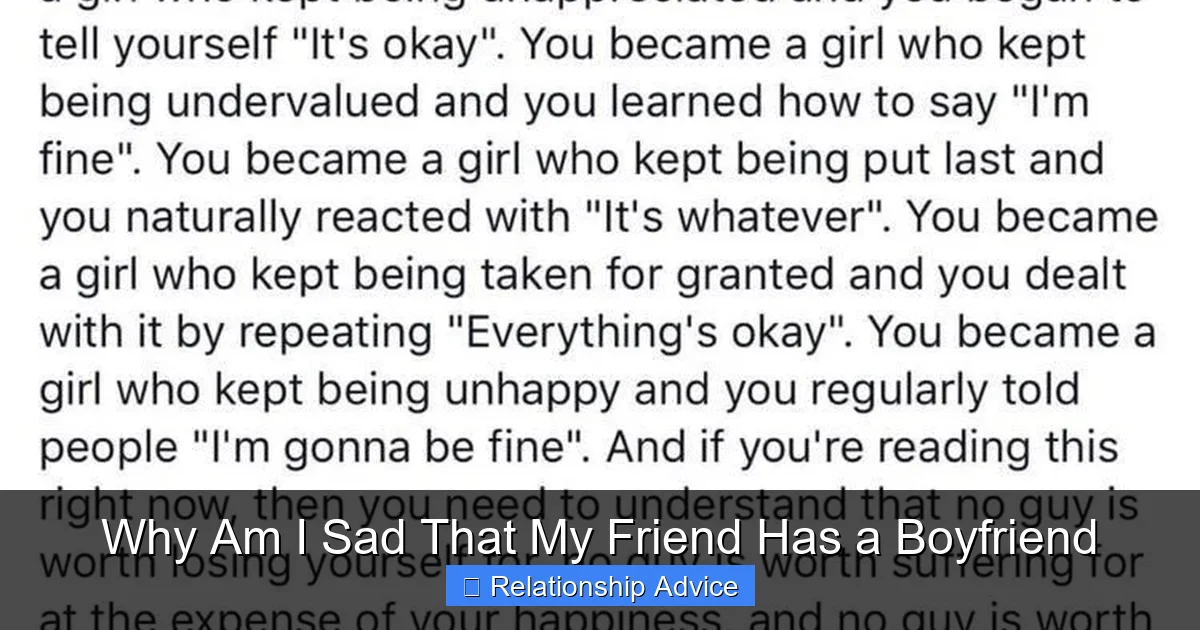
It’s completely normal to feel a pang of sadness when your closest friend starts dating someone new. This emotional response often stems from a mix of fear, loneliness, and unmet expectations. Understanding the root causes can help you heal and grow stronger in your friendship, while still honoring your own journey.
Have you ever found yourself feeling quietly sad when your best friend announces they have a boyfriend? Maybe it hit you like a wave—suddenly noticing how often they talk about their partner, how they cancel plans with you, or even how happy they seem. And instead of pure joy for them, you felt a strange ache in your chest. You told yourself, “It’s great she’s happy!” but deep down, something didn’t add up.
You’re not broken. You’re human. And yes—it’s totally normal to feel upset when someone close to you starts a romantic relationship. That sadness isn’t about being selfish; it’s often about change, loss, or unmet needs. Whether you’ve been best friends for years or just months, that bond evolves, and sometimes, so do our emotions. The good news? Recognizing why you feel this way is the first step toward peace—and maybe even a healthier version of your friendship.
This article dives into why you might be sad that your friend has a boyfriend, what those feelings mean, and how you can navigate them without guilt or shame. We’ll explore everything from jealousy and loneliness to boundary-setting and self-discovery. By the end, you’ll have practical tools to process your emotions and strengthen both your heart and your friendship.
Key Takeaways
- Emotional overlap is common: You may unconsciously see your friend’s partner as a potential love interest or substitute, especially if you’re single.
- Fear of losing connection: The relationship might signal the end of exclusive one-on-one time, triggering anxiety about being replaced.
- Unresolved personal desires: Your sadness could reflect deeper longing for companionship, validation, or romance in your own life.
- Friendship boundaries matter: Healthy friendships adapt—your role doesn’t vanish just because your friend is in a relationship.
- Self-reflection leads to growth: Exploring these feelings honestly helps you understand yourself better and move forward with clarity.
- Support doesn’t require romance: True friendship thrives on mutual care, not constant togetherness or emotional codependency.
- Time heals emotional wounds: With patience and self-compassion, the intensity of your sadness will naturally fade.
📑 Table of Contents
Why Do I Feel Sad When My Friend Gets a Boyfriend?
When your best friend starts dating, it’s natural to experience a mix of emotions—some joyful, others uncomfortable. But if sadness lingers long after the initial shock wears off, there’s likely more beneath the surface. Let’s unpack the most common reasons behind this reaction.
The Comfort of Familiarity
Sometimes, your best friend becomes your emotional anchor. They know your fears, your dreams, your quirks. Over time, that deep connection can blur the lines between friendship and something more intimate—even if neither of you acted on it. When they start dating someone else, it can feel like losing access to that safe space. You miss having them all to yourself, without competition or distraction.
Imagine sharing inside jokes only the two of you understand. Now picture them laughing with their new partner about things you weren’t part of. It stings—not because you want to replace them, but because you valued that unique bond.
Unconscious Comparison
If you’re single or struggling to find love, seeing your friend thrive in a relationship might trigger comparison. You begin wondering: *Why not me?* Or *What’s wrong with me?* These thoughts spiral quickly, feeding into feelings of inadequacy or loneliness.
Social media amplifies this. One post shows your friend on a romantic date. Another reveals how much they adore each other. Suddenly, your feed feels like a highlight reel of happiness you haven’t experienced. That contrast can hurt deeply—even if your friend isn’t doing anything wrong.
Fear of Being Replaced
Closely related is the fear of being pushed aside. If your friend spends more time with their partner, does that mean you’re no longer important? Will they forget how to make time for you during late-night talks or spontaneous hangouts?
This worry is valid—but remember, real friendships endure change. A healthy partner supports your other relationships, not replaces them. Still, it’s okay to grieve the shift. Acknowledging that loss helps you release it faster.
Hidden Romantic Feelings
In rare cases, your sadness comes from realizing you had deeper feelings than you admitted—even to yourself. Perhaps you hoped for something more, even if you never said it aloud. When they get together, it confirms your fears: *I wasn’t enough. They always choose someone else.*
These emotions are painful but not uncommon. The key is distinguishing between genuine romantic interest and platonic attachment. Ask yourself: Would I feel this way if they were friends with anyone else? If yes, it’s probably about friendship. If no—and it’s specifically tied to them—then exploring those feelings further might help.
The Role of Jealousy vs. Envy
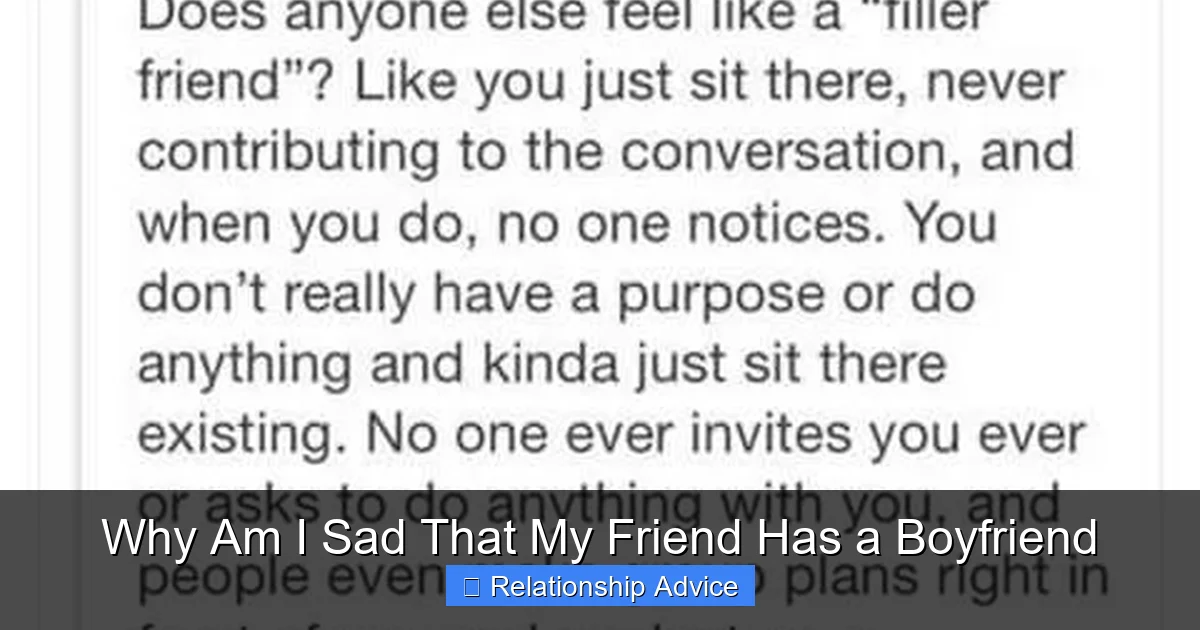
Visual guide about Why Am I Sad That My Friend Has a Boyfriend
Image source: i.pinimg.com
Not all negative feelings around your friend’s relationship are equal. Understanding the difference between jealousy and envy can clarify your emotions.
Jealousy means you fear *losing* something—like your friend’s attention or your special bond. Envy, however, is about wanting *what they have*—their happiness, stability, or love life.
For example:
– **Jealousy**: “They get to spend every weekend together now. What about our movie nights?”
– **Envy**: “They’re clearly in love. I wish I had that kind of connection.”
Both are valid, but they point to different needs. Jealousy calls for boundary work within the friendship. Envy points toward personal goals—maybe it’s time to focus on building your own relationship or self-worth.
Either way, suppressing these feelings won’t help. Talking to a trusted confidant or journaling can provide clarity. And yes—sometimes, professional counseling helps untangle complex emotions like this.
Is This About Me—Or Them?
It’s easy to assume your sadness says more about your flaws than your friend’s choices. But here’s the truth: your friend getting a boyfriend isn’t a reflection of your worth. Their happiness doesn’t diminish yours. In fact, true friends celebrate each other’s wins—even if it challenges your current reality.
Still, that doesn’t mean your feelings aren’t real. They’re just signals, not diagnoses. Your sadness isn’t “bad”—it’s information. It tells you: *Something in my emotional world needs attention.*
Ask yourself:
– Am I lonely?
– Am I ready for a relationship?
– Do I feel seen and valued outside this friendship?
– Am I comparing myself too harshly to others?
Answering honestly (without judgment) helps separate your pain from theirs. And remember: your friend’s relationship isn’t a competition. It’s simply a chapter in their story—one that doesn’t erase yours.
How to Navigate the Shift in Your Friendship
Change creates discomfort, but it also opens doors. Here’s how to adapt your friendship healthily:
Acknowledge Your Feelings First
Before addressing your friend, sit with your emotions. Write them down. Say them out loud (to yourself or a therapist). Suppressing sadness only prolongs suffering. Once you name it, you disarm its power.
Communicate Gently (If Needed)
If the distance bothers you, share it kindly. Try:
*“Hey, I’ve noticed we haven’t hung out as much lately, and I miss our chats. Is everything okay? Can we still make time for each other?”*
Avoid accusatory language like *“You never have time for me now!”* which triggers defensiveness. Instead, focus on your needs, not their shortcomings.
Accept New Dynamics
Healthy relationships include boundaries. Your friend’s time is shared now—but that doesn’t mean it’s gone forever. Suggest group hangouts, weekend adventures, or even double dates. Flexibility keeps the friendship alive.
Celebrate Their Joy
Make a conscious effort to genuinely smile when they talk about their partner. Say things like, *“He sounds amazing! I’m so glad you’re happy.”* Congratulate them sincerely—even if your heart flutters. True support looks like this.
Reclaim Your Identity
Use this as motivation to nurture yourself. Try a new hobby, reconnect with old friends, or focus on career goals. When you feel fulfilled independently, external changes matter less.
Remember: friendships evolve. Some deepen; others fade gently. Neither outcome defines your value.
When Should You Seek Support?
If your sadness lasts weeks or interferes with daily life, consider professional help. Lingering grief, low self-esteem, or obsessive thoughts about your friend’s relationship could signal underlying issues like depression or anxiety.
Therapists specialize in unpacking these dynamics. They’ll help you distinguish between realistic concerns and distorted thinking. And guess what? Asking for help isn’t weakness—it’s courage.
Also, lean on your own support system. Talk to family, join a club, or volunteer. Expanding your social circle reduces reliance on any single relationship.
Long-Term Healing Starts Now
Healing isn’t linear. Some days, you’ll feel fine. Others, the ache returns. That’s normal. What matters is showing up for yourself consistently.
Here’s a simple ritual:
1. **Morning check-in**: Ask, *“What am I feeling today?”*
2. **Evening reflection**: Note one thing you appreciated—about yourself or others.
3. **Gratitude practice**: List three small joys daily (e.g., warm coffee, sunset, laughter).
Over time, these habits rewire your brain to notice abundance, not lack. And when you feel secure internally, external changes—like your friend’s relationship—lose their sting.
Also, revisit this article periodically. Revisiting insights reinforces learning. Growth isn’t a destination; it’s a practice.
Finally, give yourself grace. You’re allowed to feel sad while still loving your friend. Emotions aren’t winners or losers—they’re messengers. Listen closely, and they’ll guide you toward wholeness.
Frequently Asked Questions
Why do I feel jealous when my best friend gets a boyfriend?
Jealousy often arises from fear of losing exclusivity or being replaced. It may also reflect unmet personal needs like companionship or validation. Recognizing the emotion helps you address the root cause rather than suppress it.
Can a friendship survive when one person starts dating?
Absolutely! Many friendships thrive through change. Open communication, adjusted expectations, and mutual respect allow bonds to adapt. Focus on quality over quantity—meaningful interactions matter more than frequency.
How do I stop comparing myself to my friend’s relationship?
Practice self-compassion and challenge negative thoughts. Remember: everyone’s journey is different. Redirect energy into personal growth or hobbies. Limiting social media comparisons also helps reduce distress.
Should I tell my friend I’m sad about her dating someone?
If the distance affects you deeply, share your feelings honestly but kindly. Use “I” statements like “I miss our talks” instead of blaming. Most caring friends will adjust to maintain your bond.
Is it normal to feel relief after a friend gets a boyfriend?
Yes! Relief means you no longer harbored hidden romantic hopes. It’s a sign of self-awareness and emotional maturity. Celebrate that clarity—it honors both your integrity and your friendship.
What if my sadness turns into resentment?
Resentment indicates unresolved pain. Address it immediately by journaling, talking to a therapist, or setting firm boundaries. Unchecked resentment damages relationships—including your own well-being.
