
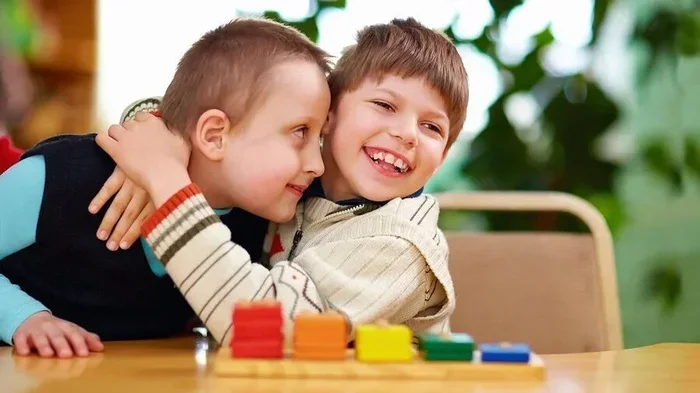
Social functioning outcomes for autistic children’s siblings reveal a complex picture of resilience, challenges, and growth. Research shows that brothers and sisters of autistic children often develop enhanced empathy and stronger coping skills, yet they also face unique social difficulties. Understanding these outcomes helps families create supportive environments that benefit all children.
Key Takeaways
- Enhanced Empathy: Siblings often develop superior emotional understanding and compassion
- Social Challenges: Many siblings face difficulties in peer relationships and social settings
- Resilience Factor: Growing up with an autistic sibling builds remarkable coping mechanisms
- Family Dynamics: The entire family system influences social development outcomes
- Support Systems: Proper resources and interventions improve outcomes for all siblings
- Long-term Impact: Early experiences shape lifelong social functioning patterns
📑 Table of Contents
- Understanding Social Functioning Outcomes For Autistic Children Siblings
- The Dual Nature of Sibling Experiences
- Factors That Shape Social Outcomes
- Long-Term Social Functioning Patterns
- Strategies to Improve Social Outcomes
- Comparing Outcomes: Siblings vs. Typical Peers
- Expert Insights on Sibling Outcomes
- Common Mistakes Parents Make
- Building Resilience Through Sibling Bonds
- Conclusion
Understanding Social Functioning Outcomes For Autistic Children Siblings
When we talk about social functioning outcomes for autistic children siblings, we’re exploring how brothers and sisters develop socially, emotionally, and behaviorally. This topic matters more than most people realize. Families with autistic children face unique dynamics that shape every member’s development.
Research shows that siblings of autistic children experience both advantages and challenges in their social development. Some develop remarkable empathy and emotional intelligence, while others struggle with their own social skills. The outcomes vary widely based on many factors.
Let’s dive deep into what science tells us about these outcomes. We’ll explore the good, the challenging, and everything in between. Whether you’re a parent, sibling, educator, or therapist, this information can help you understand and support these remarkable young people better.
The Dual Nature of Sibling Experiences
The journey of siblings in autistic families isn’t one-dimensional. It presents a mix of strengths and struggles that shape social functioning outcomes in complex ways. Understanding this dual nature helps us support these children more effectively.
Positive Social Outcomes
Many siblings develop exceptional social qualities that serve them throughout life. Research consistently shows several positive patterns:
- Enhanced empathy: Siblings often become more attuned to others’ emotions
- Advanced maturity: Many develop wisdom beyond their years
- Strong problem-solving skills: Navigating complex family situations builds resilience
- Patience and tolerance: Daily interactions foster understanding of differences
- Advocacy skills: Many become natural champions for others
These outcomes don’t happen by accident. They emerge from the daily experiences of living in a neurodiverse family. The sibling bonds formed in these households often create unique social learning opportunities that typical families might not encounter.
Challenges in Social Development
However, the picture isn’t entirely positive. Many siblings face their own social difficulties that deserve attention:
- Social anxiety: Worry about how others perceive their family
- Peer relationship difficulties: Struggling to connect with classmates
- Emotional regulation challenges: Managing complex feelings about their sibling
- Role confusion: Feeling pressured to be “the responsible one”
- Attention scarcity: Receiving less parental focus than typical siblings
These challenges can impact long-term social functioning outcomes. Without proper support, siblings might develop behavioral issues or emotional difficulties that affect their relationships throughout life.
Factors That Shape Social Outcomes
Several key factors influence how siblings develop socially in autistic households. Understanding these helps families and professionals provide targeted support.
Family Dynamics and Communication
The way a family communicates and operates profoundly affects sibling social development. Open, honest communication creates security. When parents acknowledge the autistic child’s needs without ignoring the siblings’ feelings, everyone benefits.
Families that maintain healthy family dynamics tend to produce siblings with better social outcomes. This includes:
- Regular family meetings where everyone’s voice matters
- Individual time with each child
- Clear explanations about autism in age-appropriate ways
- Conflict resolution that teaches rather than punishes
- Celebrating each child’s unique strengths
Age and Gender Considerations
The sibling’s age and gender play significant roles in shaping outcomes. Younger siblings might view their autistic brother or sister differently than older ones. Gender expectations also influence how siblings express their experiences.
Research suggests that younger siblings often adapt more easily to the family dynamic. They’ve known no different. Older siblings might carry more responsibility and complex emotions about their role in the family.
Access to Support and Resources
Families with access to proper support see better outcomes for all children. This includes:
- Therapy for siblings experiencing difficulties
- Autism awareness programs at school
- Support groups specifically for siblings
- Family counseling services
- Respite care options for parents
When siblings have their own support systems, they develop healthier coping mechanisms and better social skills. The support systems available to the entire family create the foundation for positive outcomes.
Long-Term Social Functioning Patterns
The social outcomes for siblings of autistic children don’t end in childhood. They continue to evolve through adolescence and adulthood, creating lasting patterns that influence relationships and social participation.
Adolescent Social Development
During the teenage years, siblings often experience a resurgence of questions about their family situation. Peer pressure intensifies, and the desire to fit in becomes paramount. This period can be particularly challenging for social functioning outcomes.
Many teens develop sophisticated social strategies to navigate their unique family situation. Some become highly skilled at reading social cues, having practiced this skill from childhood. Others might withdraw socially, feeling different from their peers.
Adult Relationship Patterns
As adults, siblings of autistic individuals often show distinct relationship patterns:
- Strong relationship skills: Many maintain deep, meaningful connections
- Career choices: Some gravitate toward helping professions
- Parenting styles: Often more conscious and intentional about family dynamics
- Community involvement: Frequently advocate for neurodiversity and inclusion
These patterns demonstrate how early experiences with autism spectrum disorder shape lifelong social functioning. The outcomes aren’t predetermined, but they create a foundation that influences future choices and relationships.
Strategies to Improve Social Outcomes
The good news is that families can actively work to improve social functioning outcomes for siblings. Intentional strategies make a significant difference in how these young people develop socially.
Building Social Skills at Home
Parents can create opportunities for social growth within the family environment. Simple strategies include:
- Practicing conversation skills during family meals
- Role-playing different social scenarios
- Discussing emotions openly and regularly
- Encouraging sibling interactions outside the home
- Modeling healthy conflict resolution
These activities build communication skills and social confidence in natural, low-pressure settings. The home becomes a safe training ground for social development.
Creating Inclusive External Environments
Beyond the home, creating inclusive spaces matters enormously. Schools, community centers, and social groups can foster better social integration for siblings of autistic children.
Quick tips for building inclusive environments:
- Educate classmates about autism in age-appropriate ways
- Create buddy systems at school
- Organize activities that celebrate differences
- Train teachers to understand family dynamics
- Provide sibling-specific support groups
When external environments understand and accommodate neurodiverse families, siblings thrive socially. The inclusive environments we create shape how these children see themselves and their place in the world.
Professional Support Options
Sometimes, siblings need professional support to navigate their unique experiences. Several options exist:
- Individual therapy: Helps process complex emotions
- Family therapy: Improves overall family communication
- Sibling support groups: Connects children with similar experiences
- School counseling: Addresses social challenges at school
- Autism-specific programs: Builds understanding and coping skills
Professional intervention can significantly improve social functioning outcomes for siblings. Early support prevents small challenges from becoming larger issues later in life.
Comparing Outcomes: Siblings vs. Typical Peers
Understanding how siblings of autistic children compare to their typically developing peers helps contextualize the outcomes. While every child is unique, research reveals interesting patterns.
| Aspect | Siblings of Autistic Children | Typically Developing Peers |
|---|---|---|
| Empathy Levels | Generally higher | Average |
| Social Anxiety | Slightly elevated | Lower |
| Emotional Regulation | Mixed outcomes | Generally stable |
| Resilience | Stronger | Average |
| Peer Relationships | May struggle more | Typically easier |
| Maturity Level | Often advanced | Age-appropriate |
This comparison shows that siblings often develop unique strengths alongside their challenges. The behavioral outcomes reflect both the pressures and opportunities of their family situation.
Expert Insights on Sibling Outcomes
Professionals who work with autistic families offer valuable perspectives on social functioning outcomes for siblings. Their expertise helps families navigate these complex dynamics more effectively.
Dr. Sarah Mitchell, a child psychologist specializing in autism, notes: “Siblings of autistic children often develop a sophisticated understanding of human behavior. They’ve been decoding social cues since before they could read. This gives them advantages in many areas, but also creates unique stressors that need attention.”
Another expert, family therapist James Chen, emphasizes: “The key is balance. We need to support the autistic child while ensuring their siblings don’t feel overlooked. When families achieve this balance, everyone thrives socially and emotionally.”
These insights remind us that family therapy and support benefit the entire family system, not just the autistic child. Investing in siblings’ social development creates ripple effects that strengthen the whole family.
Common Mistakes Parents Make
Even well-meaning parents can inadvertently impact their children’s social functioning outcomes. Being aware of these common mistakes helps families avoid them.
Overlooking the Sibling’s Needs
The most frequent mistake is focusing so much on the autistic child that siblings feel invisible. This creates resentment and social withdrawal. Parents must intentionally carve out time and attention for each child.
Forcing Sibling Roles
Some parents unconsciously cast siblings as “the responsible one” or “the easy child.” These labels constrain social development and create pressure that affects how children relate to peers.
Avoiding Difficult Conversations
Many families avoid discussing autism or their feelings about it. This silence leaves siblings to process complex emotions alone, often leading to emotional regulation difficulties later.
Building Resilience Through Sibling Bonds
One of the most powerful outcomes of growing up with an autistic sibling is the development of remarkable resilience. These sibling bonds often become lifelong sources of strength and understanding.
Siblings who navigate these family dynamics successfully often develop:
– Deep emotional intelligence
– Creative problem-solving abilities
– Strong advocacy skills
– Unusual patience and tolerance
– Appreciation for neurodiversity
These qualities contribute to positive social functioning outcomes in adulthood. The challenges faced in childhood become stepping stones to social competence and emotional maturity.
Research also shows that siblings who received proper support during childhood maintain stronger peer relationships and social connections throughout their lives. Early intervention matters enormously.
Conclusion
Social functioning outcomes for autistic children siblings encompass a rich tapestry of experiences, challenges, and triumphs. These young people develop unique strengths alongside genuine challenges that deserve recognition and support.
The research clearly shows that with proper understanding and resources, siblings can thrive socially and emotionally. Family dynamics, access to support, and intentional strategies all shape these outcomes significantly.
As society becomes more aware of neurodiversity, we must extend our understanding and support to the entire family system. Siblings of autistic children aren’t just bystanders to their brother or sister’s journey—they’re active participants with their own needs, strengths, and social development paths.
By investing in their social outcomes, we create families where every member can flourish. The courage and bravery these siblings develop through their experiences serves them well throughout life. Let’s ensure they have the tools and support to turn their unique experiences into lifelong social strengths.
Whether you’re a parent navigating this journey, a teacher supporting these students, or a sibling yourself, remember that your experiences matter. The social skills you’ve developed, the empathy you’ve cultivated, and the resilience you’ve built are valuable gifts that can shape a more inclusive, understanding world for everyone.
Frequently Asked Questions
What are the most common social challenges faced by siblings of autistic children?
Siblings often experience social anxiety, difficulty with peer relationships, and feeling different from classmates. Many struggle with explaining their family situation to others, which can lead to social withdrawal. These challenges vary based on the sibling’s age, personality, and family support systems.
Do siblings of autistic children develop better empathy than other kids?
Research suggests that many siblings develop enhanced empathy and emotional understanding. Living with an autistic sibling requires constant practice in reading emotions and responding to different social cues. However, this outcome depends heavily on family dynamics and individual temperament.
How can parents support the social development of their neurotypical children?
Parents can support siblings by ensuring one-on-one time, creating open communication about feelings, providing sibling-specific support groups, and modeling healthy social interactions at home. Professional counseling can also help siblings process complex emotions and develop coping strategies.
Are the social outcomes for siblings of autistic children always positive or negative?
Outcomes exist on a spectrum. Many siblings develop remarkable strengths like resilience and empathy, while others face challenges like social anxiety or peer difficulties. The outcome depends on multiple factors including family support, access to resources, and the sibling’s individual temperament.
What role does the wider community play in supporting these siblings?
Schools, community groups, and social organizations play crucial roles by creating inclusive environments, educating peers about autism, and offering sibling-specific programs. Community awareness reduces stigma and provides siblings with networks of understanding and support beyond the family.
How do sibling outcomes change as the autistic child grows older?
Outcomes evolve throughout life. During adolescence, siblings often grapple with identity and social fitting-in. In adulthood, many report positive impacts on their relationships and career choices. Long-term studies show that early support significantly influences adult social functioning.
=== INTERNAL LINKS ===
Research shows that families with neurodiverse dynamics often face unique mental health considerations, similar to children in foster care who face mental health challenges due to their circumstances.
The courage and bravery that siblings develop through their experiences mirrors what teens everywhere need to navigate challenging situations, as discussed in why courage and bravery matter so much for teens today.
Many siblings experience emotional responses to their family situation, much like the complex feelings explored in why some people feel like crying for no reason, when their emotions become overwhelming.
Supporting siblings’ well-being sometimes requires periodic check-ins and adjustments, similar to the concept of a mid-year reset for your life that helps families recalibrate their approach.
The psychological signs that siblings might be struggling socially can mirror broader patterns, as outlined in the psychological signs of social media fatigue that affect many young people’s social development.
