
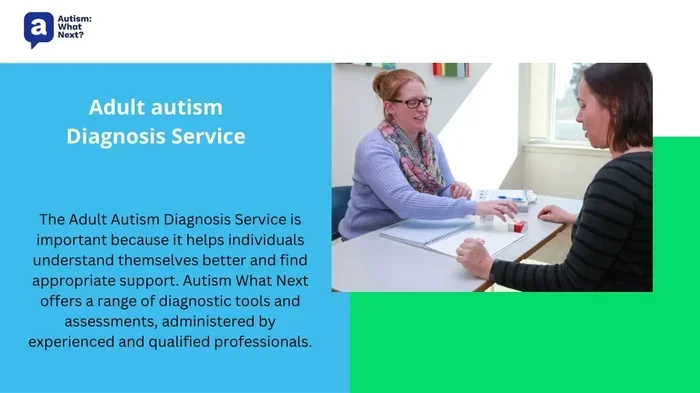
The experiences of diagnostic disclosure in autistic adults are deeply personal and often life-changing. Sharing an autism diagnosis with others can bring relief, confusion, fear, and hope all at once. Many autistic adults describe the moment of disclosure as both a burden lifted and a new challenge begun. This article covers the emotional journey, common challenges, and real-world impact of telling others about an autism diagnosis. You will learn what to expect, how to prepare, and why self-disclosure matters for neurodivergent identity and autism acceptance.
Getting a diagnosis as an autistic adult is one of those moments that changes everything. For many people, it brings a flood of emotions all at once. Some feel relief. Others feel confusion. And many feel a mix of both.
The experiences of diagnostic disclosure in autistic adults are as varied as the people themselves. Some adults share their diagnosis openly and proudly. Others take months or even years before telling anyone. There is no single right way to go through this process. What matters most is that each person finds their own path.
This article explores what it really feels like to go through diagnostic disclosure. We will look at why adults choose to share their diagnosis, the emotional ups and downs, and the real-world impact it can have. Whether you are an autistic adult thinking about disclosure or someone who wants to understand this journey better, this guide is for you.
Key Takeaways
- Diagnostic disclosure is a personal choice: Every autistic adult decides when, how, and whether to share their diagnosis based on their own comfort level.
- Disclosure can bring emotional relief: Many adults report feeling validated and understood after receiving and sharing an autism diagnosis.
- Stigma and misunderstanding remain common challenges: Autistic adults often face prejudice or lack of awareness when disclosing their diagnosis.
- Workplace and relationship dynamics shift after disclosure: Sharing a diagnosis can change how others interact with you in professional and personal settings.
- Support resources make a difference: Having access to the right community and tools helps autistic adults navigate the disclosure process with confidence.
- Self-identification is just as valid: Not all autistic adults have a formal diagnosis, and self-identification carries its own meaningful weight.
- The journey is unique for everyone: There is no single “right way” to experience or navigate diagnostic disclosure.
📑 Table of Contents
- What Does Diagnostic Disclosure Mean for Autistic Adults?
- Why Do Autistic Adults Choose to Disclose?
- The Emotional Journey of Disclosure
- Common Challenges Autistic Adults Face When Disclosing
- How Disclosure Impacts Work and Relationships
- Support and Resources for the Disclosure Journey
- Key Takeaways
What Does Diagnostic Disclosure Mean for Autistic Adults?
Diagnostic disclosure means telling other people about an autism diagnosis. For autistic adults, this is not a simple conversation. It is a deeply personal decision that carries real weight. The word “disclosure” comes with a lot of baggage. It suggests something private being made public. And for many autistic adults, their diagnosis is a core part of who they are.
Understanding the Disclosure Process
The process of autism diagnosis in adults often takes years. Many adults go through childhood without any support or recognition. They may have spent decades masking their traits. They may have been told they were “too sensitive” or “not trying hard enough.” When they finally receive a diagnosis, the world shifts.
Disclosure then becomes the next step. It is the moment when an adult decides to let others know about their neurodivergent identity. This can happen in many ways. Some people write a letter. Some have a face-to-face conversation. Others share it casually in a group setting. The method does not matter as much as the intention behind it.
Self-Identification Versus Formal Diagnosis
Not all autistic adults have a formal diagnosis. Some identify as autistic based on their own research and self-reflection. This is called self-identification. It is a valid and meaningful experience. However, a formal diagnosis can open doors to services, accommodations, and legal protections. The experiences of diagnostic disclosure in autistic adults differ depending on whether someone has a formal diagnosis or identifies as autistic through self-discovery.
Why Do Autistic Adults Choose to Disclose?
The reasons autistic adults choose to disclose their diagnosis are deeply personal. There is no one-size-fits-all answer. But understanding these reasons can help both the person disclosing and the people receiving the information.
Seeking Understanding and Validation
Many autistic adults share their diagnosis because they want to be understood. For years, they may have felt different without knowing why. A diagnosis can bring clarity. It can explain why certain situations feel overwhelming or why social interactions drain energy. When adults disclose, they often hope that others will finally understand the autism spectrum disorder they live with every day.
Advocating for Accommodations
Workplace and educational settings often require disclosure for accommodations. An autistic adult might need flexible scheduling, a quiet workspace, or clear communication instructions. Without disclosing a diagnosis, it can be hard to access these supports. Many adults choose to disclose in these settings not out of desire but out of necessity.
Building Authentic Connections
Some adults disclose because they want deeper, more honest relationships. Masking, or hiding autistic traits, can be exhausting. When adults share their diagnosis, they let others see the real them. This can lead to more genuine connections and relationships built on acceptance rather than pretense.
The Emotional Journey of Disclosure
The emotional journey of diagnostic disclosure is rarely linear. It comes with waves of feeling that can be hard to predict. Understanding this emotional landscape can help autistic adults prepare and cope.
Relief and Validation
Many adults describe the moment of disclosure as a weight lifting off their shoulders. After years of feeling misunderstood, hearing someone say “I understand” can be incredibly powerful. The relief of being seen for who you truly are is a common theme in autistic community experiences. This validation can boost self-esteem and reduce feelings of isolation.
Fear and Anxiety
On the flip side, disclosure can bring significant fear. Many autistic adults worry about how others will react. Will they be judged? Will they lose their job? Will friends treat them differently? These fears are real and valid. The experiences of diagnostic disclosure in autistic adults often include a period of anxiety before and after sharing the news.
Grief and Identity Shifts
Receiving a diagnosis can also bring grief. Some adults mourn the years they spent without understanding themselves. Others grieve the expectations they held about how life “should” be. This grief is normal and healthy. It is part of the process of integrating a new understanding of identity. Over time, many adults find that their diagnosis brings more peace than pain.
Common Challenges Autistic Adults Face When Disclosing
Disclosure is not always met with understanding. Autistic adults often face significant challenges when sharing their diagnosis with others. These challenges can be emotional, social, and practical.
Misunderstanding and Stigma
One of the biggest hurdles is misunderstanding. Many people still hold outdated views about autism. They may picture a young child rather than an adult. They may not understand that autism looks different in every person. This lack of awareness can lead to dismissive or hurtful reactions. Some adults report being told they “do not look autistic” or that their diagnosis is “not real.” These responses can be deeply painful.
The Pressure to Mask
Even after disclosing, many autistic adults feel pressure to mask their traits. They may tone down their communication style or suppress their sensory needs to make others comfortable. This pressure can undo the very sense of relief that disclosure was supposed to bring. Learning to be authentic after disclosure is an ongoing challenge that many adults navigate.
Navigating Relationship Changes
Disclosure can change relationships in unexpected ways. Some friends and family members respond with love and support. Others may pull away or struggle to adjust. The experiences of diagnostic disclosure in autistic adults often include a period of recalibrating relationships. It can help to remember that other people’s reactions say more about their understanding than about the validity of the diagnosis.
How Disclosure Impacts Work and Relationships
Sharing an autism diagnosis can have a profound impact on both professional and personal life. The effects vary widely depending on the environment and the people involved.
Workplace Disclosure
Disclosing in the workplace is a big decision. On one hand, it can open the door to reasonable accommodations like flexible hours, remote work options, or adjusted communication methods. On the other hand, it can lead to discrimination or bias. Many autistic adults worry that disclosure will affect their career growth or how colleagues perceive them. Some find that disclosure improves their work experience, while others face setbacks.
The impact of childhood mental health on adult work capacity is closely tied to this experience. Many autistic adults grew up without support, which affected their professional development. Disclosure in the workplace can be a step toward getting the support that was missing all along.
Personal Relationships
In personal relationships, disclosure can deepen trust and intimacy. When a partner or close friend understands an autistic person’s needs, the relationship can grow stronger. However, it can also introduce new dynamics. Some partners may struggle with the concept of avoidant attachment style that can sometimes overlap with autistic traits. Others may need time to learn and adjust. Open communication and patience are key in these situations.
Support and Resources for the Disclosure Journey
No one should have to navigate diagnostic disclosure alone. There are many resources and strategies that can help autistic adults through this process.
Finding Community Support
Connecting with other autistic adults can be incredibly powerful. Online communities, local support groups, and social media platforms offer spaces where people share their autistic community experiences. These spaces provide validation, advice, and a sense of belonging. Knowing that others have walked the same path can make the journey feel less isolating.
Practical Strategies for Disclosure
Here are some practical steps that can make disclosure easier:
- Choose the right time and place: Find a calm, private setting where you will not be interrupted.
- Prepare what you want to say: Having a few key points ready can help you stay focused.
- Provide resources: Share articles or videos that explain autism in adults in simple terms.
- Set boundaries: Decide in advance what you are comfortable sharing and what you are not.
- Give others time to process: Not everyone will understand immediately, and that is okay.
Taking Care of Your Mental Health
The disclosure process can be emotionally draining. It is important to prioritize mental health throughout the journey. Practicing self-care, staying connected with supportive people, and seeking professional guidance can all help. Many autistic adults also find that learning to stay healthy and positive in personal challenges makes the disclosure process more manageable. Therapy, particularly with professionals who understand neurodiversity, can provide valuable support during this time.
Key Takeaways
- Diagnostic disclosure is a personal choice: Every autistic adult decides when, how, and whether to share their diagnosis based on their own comfort level.
- Disclosure can bring emotional relief: Many adults report feeling validated and understood after sharing their autism diagnosis.
- Stigma and misunderstanding remain common challenges: Autistic adults often face prejudice or lack of awareness when disclosing their diagnosis.
- Workplace and relationship dynamics shift after disclosure: Sharing a diagnosis can change how others interact with you in professional and personal settings.
- Support resources make a difference: Having access to the right community and tools helps autistic adults navigate the disclosure process with confidence.
- Self-identification is just as valid: Not all autistic adults have a formal diagnosis, and self-identification carries its own meaningful weight.
- The journey is unique for everyone: There is no single “right way” to experience or navigate diagnostic disclosure.
Frequently Asked Questions
What is diagnostic disclosure for autistic adults?
Diagnostic disclosure is the process of telling other people about an autism diagnosis. For autistic adults, this is a personal decision that can happen at any point in life. It may involve sharing with family, friends, employers, or colleagues.
Why do some autistic adults choose not to disclose?
Many autistic adults choose not to disclose because of fear of stigma, misunderstanding, or discrimination. Some worry about losing their job or damaging relationships. Others simply prefer to keep their diagnosis private. The decision not to disclose is just as valid as the decision to disclose.
What are the benefits of sharing an autism diagnosis?
Sharing a diagnosis can bring emotional relief, deeper connections, and access to accommodations. It can also help others understand an autistic adult’s needs and behaviors better. Many adults report feeling more authentic and less alone after disclosing.
How can autistic adults prepare for disclosure?
Autistic adults can prepare by choosing a calm setting, having key points ready, and providing educational resources. It helps to anticipate different reactions and set personal boundaries beforehand. Connecting with supportive communities can also build confidence before disclosure.
Does disclosure always lead to positive outcomes?
Not always. While many adults have positive experiences, others face misunderstanding or discrimination. The outcome depends heavily on the environment and the people involved. Having a support system in place can help navigate any negative reactions that may arise.
Can self-identification as autistic be just as meaningful as a formal diagnosis?
Yes, absolutely. Many autistic adults identify as autistic without a formal diagnosis. Self-identification is a valid and meaningful experience. It allows people to connect with the autistic community and access resources even without a clinical diagnosis.
=== CONCLUSION ===
The experiences of diagnostic disclosure in autistic adults are complex, deeply personal, and profoundly meaningful. Whether someone shares their diagnosis with one person or a hundred, the act of disclosure is a powerful step toward authenticity and self-acceptance. It comes with challenges, yes. But it also brings understanding, connection, and a deeper sense of self.
If you are an autistic adult considering disclosure, remember that your journey is valid. There is no rush and no wrong way to do it. Take your time, lean on your support system, and trust your instincts. The world is slowly becoming more aware and more accepting of neurodivergent identity. And every time an autistic adult shares their truth, that acceptance grows a little stronger.
You deserve to be understood. You deserve to be seen for who you truly are. And when the time is right, sharing your story can be one of the most empowering things you ever do.
