
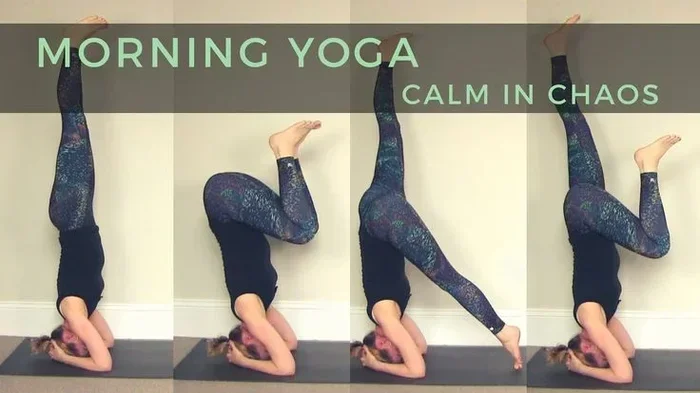
Yoga is supposed to bring peace, but sometimes your practice hits unexpected turbulence. When yoga brings both calm and chaos, it is a sign that your body and mind are processing deep emotions. Understanding this rhythm helps you grow stronger, both physically and mentally.
You unroll your yoga mat. You take a deep breath. You expect peace. But instead, your mind races, your body feels tight, and emotions bubble up from nowhere. When yoga brings both calm and chaos, it can feel confusing. You came for the serenity, not the storm.
Here is the truth. Every yoga practitioner experiences this mix of stillness and turbulence. It is not a sign that you are doing something wrong. In fact, it is often a sign that you are doing something right. Your body and mind are releasing what they need to release. The key is learning how to move through both states with grace.
Whether you are a beginner just starting your yoga practice or an experienced yogi, understanding this duality transforms your entire approach. Let us explore why yoga brings both calm and chaos, what causes it, and how to navigate it like a pro.
Key Takeaways
- Yoga is not always peaceful: Your practice can bring unexpected emotional releases and physical challenges that feel chaotic at times.
- Chaos on the mat is normal: Emotional turbulence during yoga often signals healing and deeper self-awareness unfolding.
- Breath is your anchor: Using breathing exercises helps you navigate the chaotic moments and return to calm.
- Consistency matters more than perfection: Showing up on the mat through both calm and chaotic sessions builds lasting resilience.
- Your mindset shapes your practice: Embracing humility and patience transforms challenging yoga sessions into growth opportunities.
- Holistic wellness includes all experiences: Both the peaceful and turbulent moments contribute to your overall yoga journey.
📑 Table of Contents
- Why Yoga Creates Both Calm And Chaos
- Common Causes Of Chaos During Yoga Practice
- How To Navigate The Calm And Chaos Of Yoga
- The Long-Term Benefits Of Embracing Both Sides
- Quick Tips For Balancing Calm And Chaos On The Mat
- Expert Insights On Yoga And Emotional Balance
- Common Mistakes That Amplify Chaos
- Final Thoughts: Finding Peace In The Full Spectrum
Why Yoga Creates Both Calm And Chaos
Yoga is not a one-dimensional experience. It is a full-body, full-mind practice that touches every layer of your being. Some days, everything flows effortlessly. Other days, you feel like you are fighting every breath. Both experiences are valid. Both are part of the process.
The Science Behind Emotional Releases
Yoga activates your parasympathetic nervous system. This is the part of your body responsible for rest and digestion. When you hold a pose or focus on your breathing exercises, your heart rate slows. Your muscles relax. Your brain produces calming hormones like GABA and serotonin.
But here is what most people do not expect. Yoga also unlocks stored emotions. Your body holds tension in ways you might not even realize. When you stretch, twist, or hold a challenging pose, you release physical and emotional blockages. This release can feel amazing, like a weight lifting off your shoulders.
It can also feel overwhelming. Suddenly you are crying on the mat. Or you feel angry for no apparent reason. This is not a breakdown. It is a breakthrough. Your body is processing emotions it has been carrying for weeks, months, or even years.
The Role Of Mindfulness In Creating Chaos
One reason yoga brings both calm and chaos is mindfulness itself. When you sit still and focus inward, you cannot avoid what is happening inside you. In daily life, you distract yourself with work, social media, and busy schedules. Yoga removes those distractions.
Suddenly, you notice every thought, every sensation, every unresolved feeling. This heightened awareness can feel chaotic at first. Your mind races with to-do lists. Old memories surface. Self-doubt creeps in. But this is exactly the point. Mindfulness shows you where you actually are, not where you think you should be.
Over time, this awareness becomes your greatest tool. You learn to observe your thoughts without judgment. You create space between a trigger and your response. This is where true mental clarity begins to grow.
Common Causes Of Chaos During Yoga Practice
If you have ever wondered why your yoga sessions sometimes feel more like a roller coaster than a peaceful retreat, you are not alone. Several common factors contribute to the chaotic side of your practice.
Unresolved Stress And Tension
Daily stress accumulates in your body. You might not even realize how tense you are until you start moving through yoga poses. Tight hips, clenched jaws, and raised shoulders all signal stored stress. When yoga begins to release this tension, it can feel sudden and intense.
The chaos comes from the contrast. You expected relaxation, but instead your body screams with discomfort. Your mind races with everything you have been avoiding. This is your body asking for attention. Honoring that request, even when it feels uncomfortable, is part of the healing process.
Comparing Yourself To Others
Yoga classes, whether in person or online, often trigger comparison. You see someone in the room who can do a full split effortlessly. Or you scroll through Instagram and compare your practice to someone else’s highlight reel. This comparison creates mental chaos that disrupts your inner peace.
When yoga brings both calm and chaos, comparison is often the culprit. You forget that everyone is on their own yoga journey. Your body is different. Your history is different. Your capabilities are different. The only person you should compare yourself to is who you were yesterday.
Physical Limitations And Frustration
Not every pose comes easily. Some yoga flows challenge your strength, flexibility, and balance in ways that feel impossible. When you struggle with a pose, frustration builds quickly. You might feel embarrassed, impatient, or even defeated.
This frustration is completely normal. It is also an opportunity. Every time you encounter a physical limitation, you have a choice. You can push through with aggression, or you can approach it with patience and curiosity. Choosing curiosity over force is where the real transformation happens.
How To Navigate The Calm And Chaos Of Yoga
Now that you understand why both calm and chaos happen, let us talk about what to do about it. Navigating the full spectrum of your yoga experience requires specific tools and mindset shifts.
Anchor Yourself With Breath
Your breath is the most powerful tool you have on the mat. When chaos arises, return to your breathing. Try this simple technique: inhale for four counts, hold for four counts, exhale for six counts. The longer exhale activates your parasympathetic nervous system and signals safety to your brain.
According to yoga philosophy, breath control, or pranayama, is the bridge between body and mind. When your breath is steady, your thoughts become steadier too. This does not mean the chaos disappears instantly. But it gives you a stable foundation to stand on while the storm passes.
Embrace The Process With Humility
Why is humility important in achieving personal and academic goals? Because humility keeps you open to learning. Yoga teaches you that you do not have all the answers. Some days you will feel powerful and graceful. Other days you will feel clumsy and lost. Both are part of the practice.
Approach your mat with beginner’s mind. Let go of expectations. Allow yourself to be a student, not a performer. This shift in perspective transforms chaos into curiosity. Instead of fighting the discomfort, you explore it. Instead of resisting the challenge, you welcome it.
Create A Consistent Routine
Consistency is the secret ingredient in any yoga practice. When you show up regularly, you build resilience. The chaotic days still happen, but they become less overwhelming. Your body learns to trust the process. Your mind learns to find stillness even in the storm.
Start small if you need to. Five minutes of mindfulness each day is better than an hour once a week. Build the habit gently. Celebrate small wins. Over time, you will notice that the calm moments become more frequent and the chaotic moments become shorter.
Use Yoga To Build Emotional Resilience
Every yoga session is an opportunity to build emotional strength. When you stay on the mat through discomfort, you train yourself to stay calm through difficulty in daily life. This transfer of skills is one of the most powerful benefits of a regular practice.
If you struggle with staying healthy and positive during tough times, your yoga practice can be a guiding light. The discipline you build on the mat carries over into every area of your life. You become better equipped to handle stress, uncertainty, and change.
The Long-Term Benefits Of Embracing Both Sides
When you stop resisting the chaotic moments and start embracing them, something remarkable happens. Your practice deepens. Your self-awareness grows. You develop a relationship with yourself that is honest, compassionate, and strong.
Greater Self-Awareness
Navigating both calm and chaos on the mat teaches you who you really are. You discover your triggers, your patterns, and your hidden strengths. This self-discovery extends far beyond the yoga mat. You become more attuned to your emotional needs in relationships, at work, and in daily life.
Improved Mental Health
Regular yoga practice, especially when you embrace its full spectrum, supports your mental health. The combination of physical movement, breath work, and mindfulness reduces symptoms of anxiety and depression. It gives you tools to manage stress before it builds up.
For those dealing with ADHD or focus challenges, yoga offers unique benefits. The practice trains your brain to return to the present moment again and again. This builds the same mental muscles you need for sustained focus in everyday tasks.
Stronger Mind-Body Connection
One of the most profound gifts of yoga is the connection it builds between your mind and body. When you learn to listen to your body during chaotic moments, you develop a deeper trust in yourself. This body awareness helps you make better decisions, set healthier boundaries, and respond to life with more intention.
Quick Tips For Balancing Calm And Chaos On The Mat
- Start each session with intention: Set a simple goal for your practice, like staying present or breathing deeply.
- Modify poses when needed: There is no shame in using props or choosing a gentler variation.
- Keep a yoga journal: Write down how you feel before and after each session to track patterns.
- Practice self-compassion: Talk to yourself the way you would talk to a dear friend.
- Take breaks when you need them: Child’s pose is always available. Rest is not quitting.
- Remember that every session is different: Some days will be easy, others hard. Both serve your growth.
Expert Insights On Yoga And Emotional Balance
Many yoga teachers emphasize that the goal of yoga is not to feel calm all the time. The goal is to develop a balanced relationship with whatever you feel. As one well-known instructor often says, “The mat is a mirror. It reflects exactly where you are.”
Experts in holistic wellness agree that emotional turbulence during yoga is a sign of progress, not failure. When you sit with discomfort instead of running from it, you build emotional intelligence. This skill benefits every relationship and every challenge you face off the mat.
Building a strong yoga mindset takes time. Be patient with yourself. Trust the process. The calm and the chaos are both teachers. They are both guiding you toward a more balanced, authentic life.
Common Mistakes That Amplify Chaos
Some habits make the chaotic side of yoga feel even worse. Being aware of these patterns helps you avoid them and create a more balanced practice.
- Skipping the warm-up: Jumping into intense poses without preparation increases tension and frustration.
- Ignoring your body’s signals: Pushing through pain instead of modifying leads to injury and negative associations.
- Comparing your progress to others: This creates unnecessary pressure and steals joy from your practice.
- Setting unrealistic expectations: Believing every session should be peaceful sets you up for disappointment.
- Neglecting rest days: Your body and mind need recovery time just as much as movement.
Avoiding these mistakes does not mean eliminating chaos entirely. Chaos is part of the journey. But these tips help you create a foundation of safety and self-compassion that makes the chaos more manageable and the calm more accessible.
Final Thoughts: Finding Peace In The Full Spectrum
Yoga is not about perfection. It is not about feeling zen every second you are on the mat. It is about showing up, being present, and growing through every experience, including the messy ones. When yoga brings both calm and chaos, you have an opportunity to practice acceptance, patience, and resilience.
Your practice will have days of pure bliss and days of pure struggle. Both matter. Both contribute to your growth. The calm days remind you of your strength. The chaotic days teach you about your capacity to endure and adapt.
So the next time you unroll your mat and feel the chaos rising, do not panic. Breathe. Stay present. Trust the process. You are exactly where you need to be. And that is perfectly okay.
If you are looking for ways to stay healthy and positive through personal challenges, your yoga practice is a powerful starting point. The tools you develop on the mat will serve you in every area of life. Embrace the full spectrum of your practice, and watch how it transforms you from the inside out.
Remember, every yogi, from the most seasoned teacher to the newest beginner, has experienced both the calm and the chaos. You are not alone in this. You are part of a yoga community that understands the full picture. Keep showing up. Keep breathing. Keep growing.
Frequently Asked Questions
Why does yoga sometimes feel chaotic instead of calming?
Yoga brings up stored emotions and tension that your body has been holding. When you start moving and breathing deeply, your body releases what it has been suppressing. This release can feel chaotic because it is unexpected and emotionally intense. It is actually a sign of healing and deeper self-awareness.
Is it normal to feel frustrated during a yoga practice?
Absolutely. Feeling frustrated during yoga is completely normal. You might struggle with certain poses, feel impatient with your progress, or compare yourself to others. These feelings are part of the human experience. The key is to notice them without judgment and gently return your focus to your breath and your own journey.
How can I stay calm when chaos arises during yoga?
Focus on your breathing. Try a simple technique like inhaling for four counts and exhaling for six counts. Remind yourself that every session is different and that you are there to practice, not to perform. Use props or modify poses when needed. And remember that rest is always an option, not a failure.
Can yoga help with emotional healing over time?
Yes, yoga is a powerful tool for emotional healing. Regular practice helps you build body awareness, process stored emotions, and develop a more compassionate relationship with yourself. Over time, you will notice that you handle daily stress better and respond to challenges with more patience and clarity.
Should I keep practicing yoga on days when it feels chaotic?
Yes, especially on those days. Showing up when your practice feels difficult builds resilience and deepens your understanding of yourself. You do not have to have a perfect session. Even five minutes of mindful breathing on a chaotic day is more valuable than skipping the practice entirely.
How long does it take to find balance between calm and chaos in yoga?
There is no set timeline. Some people notice shifts within a few weeks of consistent practice. Others take months to develop a balanced relationship with their practice. The important thing is to be patient and compassionate with yourself. Balance is not a destination but an ongoing practice in itself.
=== CONCLUSION ===
When yoga brings both calm and chaos, it is a sign that you are on a real, authentic path. The practice is not just about stretching your body or clearing your mind. It is about meeting yourself exactly as you are, in every moment. The peaceful poses teach you stillness. The challenging moments teach you resilience. Together, they create a practice that is whole, honest, and deeply transformative.
Keep showing up. Keep breathing. Keep growing. Your yoga journey, with all its calm and chaos, is exactly what it needs to be.
