
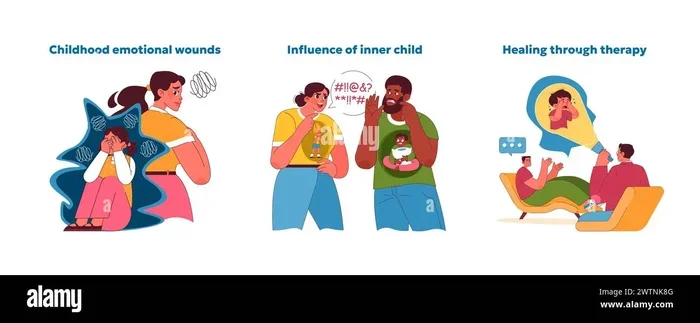
Healing from the past is a journey that begins with awareness. Many adults carry invisible burdens shaped by early experiences without realizing it. Recognizing these signs you’re still holding onto wounds from childhood according to psychology is the first step toward freedom. This guide helps you identify patterns and start your path to emotional wellness today.
Growing up leaves a mark on everyone. Some scars are visible, but most are hidden deep inside. These invisible marks often shape how you think, feel, and act as an adult. Sometimes, you might feel stuck without knowing why. You might struggle with trust or feel overly sensitive to criticism. These feelings are not random. They often link back to your early years.
Psychology offers a clear lens to view these patterns. Experts study how early trauma affects brain development and behavior. When you understand the root cause, you can start to heal. Ignoring these signs keeps you trapped in old cycles. Acknowledging them opens the door to change. This process is about understanding yourself better. It is about taking back control of your life.
Many people think they have moved on. Yet, certain reactions suggest otherwise. You might find yourself repeating the same mistakes. Or you might feel intense shame without a clear reason. These are common indicators of unresolved issues. Recognizing signs you’re still holding onto wounds from childhood according to psychology is crucial. It allows you to break free from the past. You deserve to live a full and happy life.
Key Takeaways
- Childhood impacts adulthood: Early experiences shape your adult behavior and relationships significantly.
- Emotional triggers are clues: Strong reactions often point to unresolved past pain.
- Self-sabotage is common: You might undermine success due to deep-seated insecurity.
- Therapy helps healing: Professional support can guide you through processing trauma.
- Boundaries matter: Learning to say no protects your emotional energy.
- Patience is key: Recovery takes time and self-compassion.
- You are not broken: Your responses are normal reactions to abnormal situations.
📑 Table of Contents
Understanding Childhood Trauma and Its Impact
Childhood is a critical time for development. Your brain grows rapidly during these years. Experiences during this period shape your neural pathways. Positive experiences build resilience. Negative experiences can create lasting stress. This stress affects how you handle emotions later. It influences how you view the world around you.
Trauma is not just about big events. It can also come from neglect or emotional absence. A parent might be physically present but emotionally distant. This lack of connection hurts deeply. Children need safety and validation to thrive. When these needs are not met, wounds form. These wounds stay open if they are not treated.
Psychologists often look at attachment styles. These styles form based on caregiver relationships. Secure attachment leads to confidence. Insecure attachment creates anxiety or avoidance. If you feel unsafe in relationships, it might stem from childhood. Understanding this link helps you make sense of your feelings. It validates your experience without blame.
The Role of the Nervous System
Your body keeps the score of past events. The nervous system reacts to threats automatically. If you grew up in a stressful home, your system stays alert. This is known as hypervigilance. You might always feel on edge. Small noises or changes can startle you easily. This is a survival mechanism from the past.
Calming the nervous system is part of healing. You need to teach your body that you are safe now. Breathing exercises help regulate this response. Mindfulness practices also support this process. When your body relaxes, your mind follows. This reduces the power of old triggers.
How Memories Affect Behavior
Implicit memories store emotions and sensations. You might not remember specific events clearly. Yet, your body remembers the feeling. A certain tone of voice might trigger fear. This happens because it resembles a past threat. Your brain tries to protect you based on old data.
Explicit memories are the stories you tell yourself. You might recall specific painful moments. These stories shape your beliefs about yourself. You might believe you are unworthy of love. This belief drives your actions today. Challenging these beliefs is a key step. You can rewrite your story with new evidence.
Emotional Triggers and Overreactions
One of the signs you’re still holding onto wounds from childhood according to psychology is intense emotional reactions. You might feel angry or sad over small things. These reactions feel disproportionate to the situation. This happens because the current event touches an old wound. The past pain mixes with the present moment.
For example, a friend canceling plans might feel like rejection. To an adult, this is minor. To a hurt child, it feels like abandonment. You might react with anger or deep sadness. Recognizing this pattern is important. It helps you separate the past from the present. You can ask yourself if the feeling fits the facts.
Triggers can be sensory too. A smell, a song, or a location might spark pain. These cues bypass your logical thinking. They go straight to your emotional brain. When this happens, pause and breathe. Remind yourself that you are in the present. You are not that child anymore. You have more resources now.
Identifying Your Specific Triggers
Keeping a journal helps track these moments. Write down what happened before you felt upset. Note the physical sensations in your body. Did your heart race? Did your stomach tighten? These clues point to the underlying wound. Over time, you will see patterns emerge.
Share your findings with a trusted friend. Or discuss them with a therapist. External perspectives can offer clarity. They can help you see the situation objectively. This reduces the shame around your reactions. You learn that your feelings are valid. They just need to be managed differently.
Relationship Patterns and Attachment Issues
Relationships are often where wounds show up most. You might struggle to trust partners or friends. Fear of abandonment can make you clingy. Or fear of engulfment might make you distant. These behaviors protect you from getting hurt again. But they also stop you from connecting deeply.
Some people find themselves in toxic relationships repeatedly. This is not bad luck. It is often a attempt to fix the past. You might seek a parent figure in a partner. When they fail to meet those needs, you feel devastated. Understanding this dynamic breaks the cycle. You learn to seek healthy connections instead.
Communication can also be difficult. You might fear speaking up for your needs. This stems from a childhood where your voice was ignored. Or you might be overly aggressive to be heard. Both extremes come from insecurity. Learning assertive communication heals this wound. It shows you that your needs matter.
The Impact of Attachment Styles
Attachment theory explains these relationship dynamics. Anxious attachment makes you worry about rejection. Avoidant attachment makes you pull away when things get close. Disorganized attachment mixes both fears. Knowing your style helps you understand your reactions. It is not a life sentence though.
You can earn security over time. Consistent healthy relationships help rewire your brain. Therapy also supports this change. You learn to tolerate intimacy without fear. You build confidence in your ability to cope. This shifts your focus from survival to connection.
Self-Sabotage and Low Self-Worth
Unresolved wounds often lead to self-sabotage. You might procrastinate on important goals. Or you might quit when things start going well. This feels confusing and frustrating. It usually comes from a belief that you do not deserve success. If you were criticized often as a child, you expect failure.
Success can feel dangerous to a wounded inner child. It feels unfamiliar and risky. You might subconsciously create problems to return to known struggles. This is a way to stay safe in the familiar. Recognizing this urge allows you to stop it. You can choose to move forward instead.
Low self-worth is another common sign. You might apologize excessively for existing. You might feel like a burden to others. These thoughts are echoes of past messages. Children absorb what adults say about them. Negative labels stick unless challenged. You must actively work to change this narrative.
Building Self-Compassion
Start by talking to yourself like a friend. Would you speak to a child that way? If not, do not speak to yourself that way. Replace criticism with kindness. Acknowledge your efforts instead of just results. Celebrate small wins along the way. This builds a new foundation of worth.
Practice affirmations that feel true. Start with neutral statements if positive ones feel fake. Say things like I am doing my best. This slowly shifts your internal dialogue. Over time, you believe these new messages. Your self-worth grows from the inside out.
Healing Strategies for Childhood Wounds
Healing is possible for everyone. It takes time and effort, but it works. The first step is acknowledgment. Admit that the pain is real and valid. Do not minimize your experiences. Your feelings matter and deserve attention.
Therapy is a powerful tool for this work. A professional provides a safe space to explore pain. They offer techniques to process trauma. Cognitive Behavioral Therapy helps change thought patterns. EMDR helps process specific traumatic memories. Find a therapist who specializes in childhood issues.
Self-care is also essential for recovery. Prioritize sleep, nutrition, and movement. Your physical health supports your mental health. Engage in hobbies that bring you joy. Creativity can be very healing. Art or music allows expression without words.
Setting Healthy Boundaries
Boundaries protect your energy and peace. Learn to say no without guilt. You do not owe everyone access to you. Protect your time and emotional space. This is especially important with family members. You can love someone from a distance if needed.
Communicate your boundaries clearly. Use simple statements like I need some time alone. Stick to your limits even when it is hard. People might resist at first. Stay firm because you are teaching them how to treat you. This builds respect and safety in relationships.
Moving Forward With Hope
Recovery is not a straight line. You will have good days and hard days. This is normal and expected. Do not give up when you stumble. Each step forward counts, no matter how small. Progress is often invisible until you look back.
Focus on the present moment. You cannot change the past, but you can change today. Make choices that support your well-being. Surround yourself with supportive people. Limit exposure to toxic environments. Create a life that feels safe for you.
Hope is a vital part of healing. Believe that things can get better. Many people have walked this path before you. They have found peace and happiness. You can too. Your past does not define your future. You have the power to write a new chapter.
Remember the signs you’re still holding onto wounds from childhood according to psychology are not permanent labels. They are maps to guide your healing. Use them to understand yourself deeply. Then, take action to care for your inner child. You are worthy of love and joy. Start your journey today.
Frequently Asked Questions
What are the common signs of unresolved childhood trauma?
Common signs include emotional overreactions, trust issues, and self-sabotage. You might also feel chronically anxious or have difficulty setting boundaries. These behaviors often stem from early experiences of neglect or instability.
Can childhood wounds heal without therapy?
Some healing can happen through self-care and support networks. However, therapy provides specialized tools for deep trauma. A professional can help you process memories safely. It often speeds up the recovery process significantly.
How does childhood trauma affect adult relationships?
It often creates insecure attachment styles like anxiety or avoidance. You might fear intimacy or expect rejection constantly. This can lead to choosing unhealthy partners repeatedly. Understanding these patterns helps you break the cycle.
What is the first step to healing childhood wounds?
The first step is acknowledging that the pain exists. Validate your feelings without judging yourself. Then, seek information or support to understand your triggers. This awareness creates a foundation for change.
Why do I feel angry over small things?
Small triggers often activate old wounds from the past. Your brain perceives a threat based on previous experiences. This causes a disproportionate emotional response. Recognizing this link helps you regulate your emotions better.
Is it normal to feel shame about my childhood?
Yes, many survivors feel shame even though it was not their fault. Children often blame themselves for adult failures. Healing involves realizing you were innocent. You can release this shame with time and support.
