
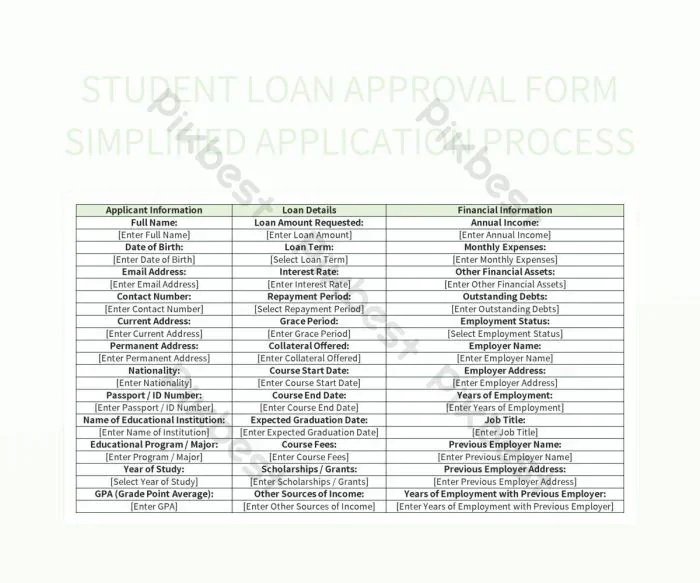
Student loans can impact your mortgage application by influencing your debt-to-income ratio and credit score. Lenders look at your monthly payments to decide if you can afford a new home. Managing your student debt wisely improves your chances of approval and better rates.
Key Takeaways
- Debt-to-Income Ratio Matters: Lenders use your DTI to see if you can handle mortgage payments alongside student loans.
- Credit Score Impact: On-time student loan payments help your credit, while missed payments hurt your mortgage chances.
- Payment Calculation: Lenders may use your actual payment or a percentage of the balance to calculate your debt load.
- Loan Types Differ: FHA and conventional loans have different rules for handling student loan debt.
- Pay Down Debt First: Reducing student loan balances before applying can lower your DTI and improve approval odds.
- Documentation Is Key: Provide proof of income and loan statements to show lenders your financial picture clearly.
- Professional Advice Helps: Talking to a loan officer can clarify how your specific student loans affect your mortgage options.
📑 Table of Contents
Does Student Loan Affect Mortgage Approval and Rates
Buying a home is a big dream for many people. But if you have student loans, you might wonder if they will stop you from getting a mortgage. The short answer is yes, student loans can affect your mortgage approval and rates. But it does not mean you cannot buy a house. It just means you need to understand how lenders look at your debt.
When you apply for a home loan, lenders check many things. They want to know if you can pay back the money they lend you. Your student loans are part of that picture. They look at how much you owe and how much you pay each month. This helps them decide if you are a safe bet for a mortgage.
Many people feel worried about this. They think their student debt makes them look bad to lenders. But having student loans is very common. Millions of people have them and still buy homes. The key is to manage your debt well. You need to show lenders that you are responsible with your money.
In this article, we will break down everything you need to know. We will talk about debt-to-income ratios, credit scores, and different loan types. We will also give you tips on how to improve your chances. By the end, you will feel more confident about your home buying journey.
How Lenders View Your Debt
Lenders have a job to do. They need to make sure you can pay back the loan. They do not want to lend money to someone who cannot afford it. So, they look at your whole financial picture. Your student loans are just one piece of that puzzle.
They look at your income first. Then they look at your debts. This includes credit cards, car loans, and student loans. They add up all your monthly payments. Then they compare that to your income. This is called your debt-to-income ratio. If your ratio is too high, they might say no. Or they might offer you a higher interest rate.
It is important to know that not all debt is treated the same. Some lenders look at the actual payment you make on your student loan. Others might use a different number. For example, they might use one percent of your total loan balance. This can make a big difference in how much house you can afford.
You should also know that lenders like stability. If you have been making your student loan payments on time, that is good. It shows you are reliable. If you have missed payments, that is a red flag. It tells them you might struggle with a mortgage payment too.
Understanding Debt-to-Income Ratio
Your debt-to-income ratio is a big deal. It is often called DTI for short. This number tells lenders how much of your money goes to debt. They want this number to be low. A low DTI means you have more money left for a mortgage.
Here is how it works. You add up all your monthly debt payments. This includes your student loan payment. It also includes car payments and credit card minimums. Then you divide that by your gross monthly income. Gross income is the money you make before taxes.
For example, if you make $5,000 a month and your debts are $1,500, your DTI is 30 percent. Most lenders want a DTI below 43 percent. Some might want it even lower. If your student loan payment is high, it pushes your DTI up. This leaves less room for a mortgage payment.
To improve your DTI, you can pay down your student loans. Even a small drop in your balance can help. You can also look for ways to increase your income. A raise or a second job can lower your DTI too.
Impact on Credit Scores
Your credit score is another important factor. Lenders use this score to judge your risk. A higher score usually means better rates. A lower score can mean higher rates or denial. Your student loans play a role in this score.
Payment history is the biggest part of your credit score. If you pay your student loans on time, it helps your score. If you miss payments, it hurts your score. Late payments can stay on your report for years. This can make it harder to get a mortgage.
The amount you owe also matters. This is called your credit utilization. For installment loans like student debt, it is about how much is left. Paying down your balance can help your score over time. It shows you are reducing your debt.
You should check your credit report before applying. Make sure there are no mistakes. If you see something wrong, fix it. Also, try not to open new credit cards before you apply for a mortgage. This can lower your score temporarily.
Good vs. Bad Payment History
Having a good payment history is like having a good reputation. It tells lenders you keep your promises. When you pay your student loan every month, you build trust. This trust translates into better mortgage options.
On the other hand, a bad payment history raises alarms. If you have defaults or late payments, lenders get nervous. They worry you will miss mortgage payments too. This can lead to higher interest rates. In some cases, it can lead to a rejected application.
If you have had trouble in the past, do not give up. You can rebuild your credit. Start by making all payments on time. Set up automatic payments so you never forget. Over time, your score will improve. This will help you when you apply for a home loan.
Different Loan Types and Rules
Not all mortgages are the same. Different loan programs have different rules. Some are stricter about student loans than others. Knowing these differences can help you choose the right path.
Conventional loans are very common. They follow guidelines from Fannie Mae and Freddie Mac. These loans often look at your actual student loan payment. If your payment is low, this can work in your favor. But if you are on an income-driven plan, the rules might change.
FHA loans are another option. These are backed by the government. They are often easier to get for people with lower credit scores. They also have specific rules for student loans. They might calculate your debt differently than conventional loans.
VA loans are for veterans and service members. These loans have favorable terms. They often do not require a down payment. Their rules for student loans can be more flexible. This is good news for many military families.
FHA vs. Conventional Loans
It helps to compare these two popular options. Here is a simple look at how they handle student debt.
| Feature | Conventional Loan | FHA Loan |
|---|---|---|
| Student Loan Calculation | Often uses actual payment or 1% of balance | Uses actual payment or 1% of balance |
| Credit Score Requirements | Usually higher scores needed | More flexible with lower scores |
| Down Payment | Can be as low as 3% | As low as 3.5% |
| Debt-to-Income Limits | Typically up to 43% | Can go higher with compensating factors |
As you can see, there are similarities and differences. Both loans look at your student debt. But FHA loans might be more forgiving if your DTI is high. Conventional loans might offer better rates if your credit is strong. You should talk to a lender to see which fits you best.
Tips to Improve Your Approval Chances
If you are worried about your student loans, there are things you can do. You do not have to just hope for the best. You can take steps to make your application stronger. These tips can help you get the home you want.
First, review your budget. Know exactly how much you spend each month. See where your money goes. This helps you understand your true DTI. You might find ways to cut costs. This frees up money for debt repayment.
Second, consider paying down your student loans. Even a small amount helps. It lowers your balance and might lower your monthly payment. This improves your DTI. It also shows lenders you are serious about managing debt.
Third, avoid new debt. Do not buy a car or open new credit cards before applying. New debt increases your DTI. It also adds hard inquiries to your credit report. Both of these can hurt your mortgage chances.
Pay Down Debt Before Applying
Reducing your debt is one of the best moves you can make. It takes effort, but it pays off. Start by looking at your student loan balance. If you have extra money, put it toward the principal. This lowers the total amount you owe.
You can also look into refinancing your student loans. This might lower your interest rate. A lower rate means a lower monthly payment. This improves your DTI instantly. Just be careful not to lose federal loan benefits if you refinance privately.
Another strategy is to use windfalls. Tax refunds or work bonuses can go toward your debt. This speeds up the process. Every little bit counts when you are trying to qualify for a mortgage.
Common Mistakes to Avoid
Many people make mistakes when dealing with student loans and mortgages. These errors can cost you time and money. Avoiding them puts you ahead of the game. Here are some common pitfalls to watch out for.
One mistake is ignoring your student loans. Some people hope lenders will not notice. But lenders will see everything. They check your credit report and your bank statements. Hiding debt does not work. It is better to face it head on.
Another mistake is changing jobs too often. Lenders like stability. If you switch jobs right before applying, it raises questions. They want to see a steady income. Try to stay in the same role for at least two years if possible.
A third mistake is not shopping around. Different lenders have different rules. One lender might say no while another says yes. Do not just accept the first answer. Talk to a few different mortgage brokers. Compare their offers and requirements.
Not Disclosing All Debts
Honesty is the best policy when applying for a loan. You must tell the lender about all your debts. This includes student loans, credit cards, and personal loans. If you leave something out, it looks like fraud.
Lenders will find out anyway. They have access to your credit history. If they see a debt you did not mention, they lose trust. This can stop your application dead in its tracks. It is better to be open from the start.
If you are unsure about something, ask. Talk to your loan officer. They can explain what needs to be included. Clear communication builds trust. It also helps you avoid surprises later in the process.
Key Takeaways for Home Buyers
Buying a home with student loans is possible. You just need to be smart about it. Your student loan affects your mortgage, but it does not define your future. By understanding the rules, you can navigate the process successfully.
Remember your debt-to-income ratio. Keep it as low as you can. Pay your bills on time to protect your credit score. Choose the right loan type for your situation. And take steps to reduce your debt before you apply.
You have the power to improve your financial picture. It might take some time and effort. But the reward is a place to call your own. Do not let student loans stop you from dreaming. With the right plan, you can make it happen.
Frequently Asked Questions
Do student loans count against me when applying for a mortgage?
Yes, student loans count as debt when you apply for a mortgage. Lenders include them in your debt-to-income ratio to see if you can afford the home loan. They look at your monthly payment or a percentage of your balance.
Can I get a mortgage if I have high student loan debt?
You can still get a mortgage with high student loan debt. It depends on your income and your debt-to-income ratio. If your income is high enough to cover both debts, you may qualify. Paying down some debt first can also help.
Does paying off student loans help my mortgage application?
Paying off student loans can help your application. It lowers your debt-to-income ratio and improves your credit profile. Lenders see you as less risky when you have less monthly debt. This can lead to better approval odds and rates.
How do lenders calculate student loan payments for mortgages?
Lenders usually use your actual monthly payment shown on your credit report. If you are on an income-driven plan, they might use a different calculation. Some lenders use one percent of your total loan balance instead.
Will my student loan interest rate affect my mortgage rate?
Your student loan interest rate does not directly change your mortgage rate. However, your overall debt and credit score do affect mortgage rates. Managing your student loans well can help you qualify for better mortgage terms.
Should I pause my student loan payments before buying a house?
Pausing payments might help temporarily, but it depends on the loan type. Some lenders still count the full payment even if it is paused. It is best to talk to a loan officer about your specific situation before making changes.
