
What Percentage Of Separations End In Divorce Explained
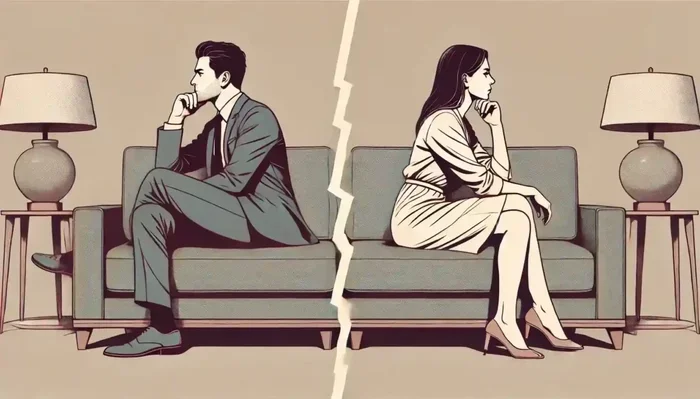
Many couples ask what percentage of separations end in divorce before making big decisions. The truth is that a large share of separations do lead to divorce, but many also heal and rebuild. Understanding the real numbers helps you see the warning signs early. It also shows you how to protect your bond during a tough season.
Relationships go through rough seasons. Sometimes the tension builds until one person asks for space. Other times both partners quietly drift apart until the distance feels impossible to ignore. When that happens, a big question usually follows: what percentage of separations end in divorce? It is a smart question. The answer can help you understand your choices, set realistic expectations, and decide what to do next.
The topic can feel heavy. People often worry that once a couple separates, the relationship is already on a one way path. That fear is understandable. Still, the reality is more nuanced. Some separations lead straight to divorce. Some end in reconciliation. And some lead to a different kind of ending, one that is painful but necessary. If you are trying to make sense of your own situation, it helps to look at the big picture instead of guessing.
In this guide, we will break down the numbers in plain language. We will also look at the common reasons separations turn into divorce, the signs that suggest a relationship may be in real trouble, and the steps that can help couples either rebuild or move forward with clarity. You will learn what tends to change the outcome, what warning signs matter most, and how to think about separation without panic.
Key Takeaways
- The numbers vary by study: Research shows that roughly half to two thirds of separations eventually end in divorce, but the exact rate depends on age, length of marriage, and reason for the split.
- Time apart changes things: A separation can act as a cooling off period, but it can also create distance that makes reconciliation harder over time.
- Why you separate matters: Couples who take space for stress or burnout often fare differently than those who separate after broken trust or constant conflict.
- Early action helps: Clear boundaries, honest communication, and professional support can improve the odds of healing or a healthier outcome.
- Watch the red flags: Ongoing resentment, poor communication, and repeated broken promises often signal a deeper problem that needs real attention.
- Not every split is final: Many couples use separation to reset expectations, learn new skills, and decide with clarity rather than panic.
📑 Table of Contents
- What The Research Actually Says About Separation And Divorce
- Why Some Separations End In Divorce
- Signs A Separation May Be Leading Toward Divorce
- What Can Improve The Odds Of Reconciliation
- How To Think About The Numbers Without Panic
- When Divorce Is The Healthier Ending
- Final Thoughts On Separation, Divorce, And The Road Ahead
What The Research Actually Says About Separation And Divorce
People often search for a single clean number, but relationship research rarely gives one. Studies differ in how they define separation, how long they follow couples, and which groups they study. Even so, a few patterns show up again and again. Many studies suggest that a meaningful portion of separations do end in divorce. In some samples, that figure lands around the halfway mark or higher. In others, it is even larger. The exact percentage depends on the group being studied and the reasons the couple separated in the first place.
That means the question what percentage of separations end in divorce does not have one universal answer. It has a range. Some couples separate for a short season and return with a better rhythm. Others use the time apart to confirm that the relationship has run its course. The separation itself is not always the cause. Sometimes it is simply the moment when both people finally stop pretending everything is fine.
A few factors tend to shape the outcome:
- How long the separation lasts: A brief pause can lower heat and create room for conversation. A long separation can create new habits, new routines, and new emotional distance.
- Whether the separation is structured or vague: Clear agreements about contact, finances, children, and expectations often work better than silent drifting.
- The reason for the split: Burnout, stress, communication breakdown, and broken trust all lead to different paths.
- The couple’s willingness to work on the relationship: Even a difficult separation can end with growth if both people are open to change.
If you are trying to understand your own odds, it helps to focus less on a scary statistic and more on the conditions around your separation. The context matters a lot.
Why Some Separations End In Divorce
When a separation turns into divorce, it is usually not because of one dramatic event. More often, it is the result of repeated strain that never got resolved. A separation can expose problems that were already there. Sometimes those problems are too deep to fix. Sometimes the distance itself makes repair harder. Either way, the outcome often depends on what was happening before the separation began.
Common Reasons The Relationship Does Not Recover
Here are some of the most common reasons a separation moves toward divorce instead of reconciliation:
- Unresolved conflict: If the same arguments keep returning with no real change, the break may only confirm that the pattern is stuck.
- Broken trust: When trust has been damaged, many couples struggle to rebuild even with time apart. If you want to understand how painful that can be, it may help to read about signs of the spirit of enmity in a relationship.
- Emotional withdrawal: Some partners stop investing in the bond long before the formal separation. Once that happens, the distance can feel impossible to close.
- Repeated disappointment: When one or both people feel let down again and again, hope starts to fade. Over time, that can lead to a deeper sense of rejection.
- Different life directions: Sometimes the split happens because the couple wants different things. No amount of space can fix a basic mismatch in goals.
A separation can also create a painful cycle. One person may want to reconnect while the other pulls away. One may seek reassurance while the other becomes more guarded. If that pattern sounds familiar, you may also notice echoes of the spirit of rejection in the way fear and insecurity start to shape every conversation.
When Divorce Becomes The Clearer Choice
Not every divorce is a failure. Sometimes it is the healthiest response to a relationship that has become unsafe, exhausting, or impossible to sustain. If the bond is filled with constant tension, disrespect, or emotional damage, staying together may do more harm than good. In those cases, the separation may simply be the point where both people stop delaying the ending.
That does not make the pain any easier. Even when divorce is the right path, it can still feel like a loss. People often grieve the relationship they hoped for, not just the one they had. That grief is real, and it deserves space.
Signs A Separation May Be Leading Toward Divorce
If you are wondering whether your relationship is sliding toward a final split, look for patterns rather than isolated moments. One bad week does not define a marriage. A long pattern of distance, distrust, or discouragement tells a different story. The following signs do not guarantee divorce, but they do suggest serious strain.
Warning Signs To Pay Attention To
- Communication has nearly stopped: You talk about logistics, but not about feelings, needs, or the future.
- Conflict is constant or completely avoided: Either the arguments never end, or both people have given up trying to be heard.
- One or both partners keep retreating: Emotional distance grows instead of shrinking during the separation.
- Trust is still broken: Apologies may have been said, but the sense of safety has not returned.
- Respect is fading: Conversations become sharp, dismissive, or cruel more often than kind.
- The same promises are repeated without change: If you keep hearing the same assurances with no real result, the cycle may be deepening. You can read more about that pattern in what breaking the cycle of broken promises means.
It also helps to notice what is happening around the relationship. Sometimes outside stress makes everything feel worse. Sometimes family tension adds pressure. If relatives are watching closely or taking sides, the strain can grow fast. In those moments, it may help to pay attention to signs your in-laws are jealous of you, because family dynamics can quietly affect the couple’s peace.
What The Mood Of The Relationship Tells You
A relationship headed toward divorce often feels heavy long before the legal papers appear. The connection may still exist in small ways, but the emotional center has shifted. People may start to protect themselves instead of reaching for each other. That self-protection is understandable. Still, it can also be a sign that the bond is wearing thin.
On the other hand, some couples feel tense at the start of a separation and then slowly find a better balance. The separation gives them room to see the relationship more clearly. They may return with stronger boundaries, better communication, and a more honest pace. That is one reason the numbers are never simple.
What Can Improve The Odds Of Reconciliation
If both people want to rebuild, separation does not have to become a final ending. It can become a reset. That does not happen by wishful thinking. It happens when the couple uses the space well. The goal is not just to pause the conflict. The goal is to change the patterns that caused it.
Practical Steps That Help
- Set clear expectations: Decide how often you will communicate, what topics are off limits for now, and how you will handle practical matters.
- Use the time for honesty, not just distance: Ask what each of you needs differently. Look at the parts of the relationship that felt broken, not just the loudest fights.
- Work on communication skills: Small changes matter. Short sentences. Fewer accusations. More listening. If you are unsure what to say when emotions are high, it can help to explore what to say when you feel ignored in your relationship.
- Rebuild trust in small ways: Trust often returns through consistency, not grand gestures. Keep your word. Show up. Follow through.
- Get support early: A counselor, therapist, or trusted guide can help you see blind spots. Support is especially useful when the same issues keep returning.
Some couples also benefit from thinking about the emotional needs that have been neglected. When those needs are ignored for too long, the relationship can start to feel empty even if no one is openly fighting. That is why it is worth looking at emotional needs you should never ignore in a relationship. Sometimes the problem is not a lack of love. It is a lack of attention to what keeps love alive.
A Quick Comparison: Separation That Heals Vs Separation That Ends In Divorce
| Separation That Often Heals | Separation That Often Ends In Divorce |
|---|---|
| Both people are open to understanding what went wrong | One or both people have already emotionally left |
| The couple uses the time to change patterns | The time apart is passive or increasingly distant |
| Communication is difficult but still happening | Communication is minimal, hostile, or avoided |
| Trust is damaged but being addressed | Trust remains broken with little repair effort |
| The separation has clear boundaries and purpose | The separation is vague, indefinite, or filled with confusion |
| Both people are willing to get help if needed | Help is resisted or seen as pointless |
This table is not a verdict. It is a map. It shows what tends to support healing and what tends to push a relationship farther apart.
How To Think About The Numbers Without Panic
Statistics can be useful, but they can also be misleading when people treat them like fate. If you are asking what percentage of separations end in divorce, it is easy to hear the answer and assume your relationship is already on a fixed path. That kind of thinking creates fear, and fear often makes good decisions harder.
A better approach is to ask more useful questions:
- What is happening in our relationship right now?
- Are we using the separation to avoid the problem or face it?
- Do we both want the same outcome?
- Are we willing to change the habits that caused the distance?
- Is there still enough respect and care to build on?
Those questions matter more than a broad statistic. They tell you where the relationship actually stands. They also help you decide whether the next step should be reconciliation, counseling, boundaries, or a more final ending.
It can also help to remember that many people overestimate how hopeless a separation is because they are in pain. When emotions are raw, the future can look darker than it really is. That does not mean the situation is fine. It means your perspective may be narrowed by stress. If you need a steadier mindset, it may be useful to read about how to stay healthy and positive in personal challenges.
When Divorce Is The Healthier Ending
Sometimes the most loving choice is not to keep trying to force a relationship that no longer works. If the bond is consistently damaging, draining, or unsafe, divorce may be the path that protects both people. That can be a hard sentence to write, but it is still true.
A healthy ending is not always dramatic. Sometimes it is quiet and sad. Sometimes it is relieved and grief-filled at the same time. People often feel both loss and release. That mix is normal. Even when divorce is the better outcome, it still marks the end of a shared life plan, and that deserves real mourning.
If you are moving toward that choice, clarity matters. Try to separate the temporary pain of the present from the deeper pattern of the relationship. Ask whether the issue is a rough season or a long term mismatch. Ask whether the relationship has become a place of growth or a place of repeated harm. Those answers can help you move forward without confusion.
Final Thoughts On Separation, Divorce, And The Road Ahead
So, what percentage of separations end in divorce? The honest answer is that a large share do, but not all. The outcome depends on many things: the reason for the separation, the quality of communication, the willingness to change, the presence of trust, and the emotional direction of the relationship. Numbers can inform you, but they cannot decide your future for you.
If you are in the middle of a separation, try not to let fear write the ending before you have had a chance to understand what is really happening. Pay attention to patterns. Be honest about whether the relationship is being repaired or merely delayed. Get support if you need it. And if the healthiest path turns out to be divorce, let that decision be clear rather than chaotic.
Separation is a crossroads, not a sentence. Some couples find their way back. Some find that the road leads somewhere else. Either way, the goal is the same: to choose with open eyes, steady courage, and enough honesty to honor what the relationship has been and what it can no longer be.
Frequently Asked Questions
Do most separations end in divorce?
Many separations do lead to divorce, but not most in every study or every situation. The outcome depends heavily on why the couple separated and whether both people are willing to work on the relationship.
How long does a separation usually last before divorce becomes more likely?
There is no fixed timeline that applies to everyone. Longer separations can increase distance, but the main issue is usually whether the time apart is used to repair the relationship or simply drift farther apart.
Can a separation save a marriage?
Yes, it can. A separation can lower tension, create space for reflection, and help a couple see what needs to change. It works best when both people use the time honestly and with clear boundaries.
What are the signs that a separation is turning into a permanent split?
Common signs include ongoing emotional distance, broken trust, poor communication, repeated disappointment, and one or both partners giving up on repair. These patterns suggest the relationship may be moving toward divorce.
Should couples try counseling during separation?
Often, yes. Counseling or professional support can help couples understand the real issues, communicate more clearly, and decide whether reconciliation is realistic. It can be especially helpful when the same problems keep returning.
Is it normal to feel unsure after separating from a partner?
Yes, that is very normal. Separation brings grief, confusion, fear, and sometimes relief all at once. The mix of emotions can make it hard to know what you want, especially in the early stages.
