
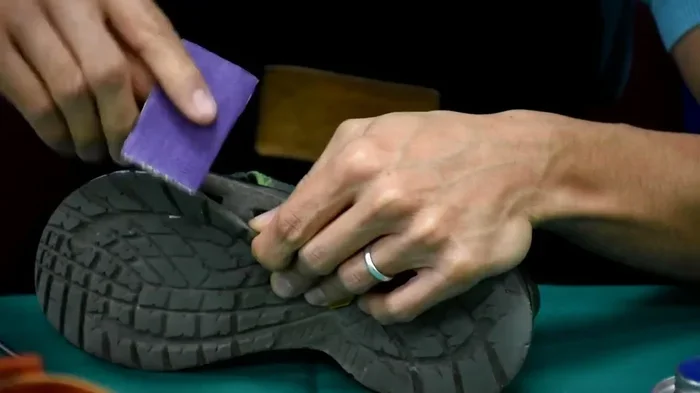
Fixing shoe sole separation without glue is possible when you understand the root cause and act quickly. This guide walks you through safe DIY fixes, smart prevention tips, and clear signs that professional repair is the better choice. You will learn how to protect your favorite shoes and avoid costly mistakes.
Key Takeaways
- Identify the cause early: Moisture, wear, and poor storage often trigger sole separation before it gets worse.
- Clean and dry thoroughly: Proper preparation matters more than the repair method you choose.
- Try non-glue fixes first: Heat, pressure, and adhesive tapes can work for minor gaps.
- Know the limits: Deep cracks or worn soles usually need professional help.
- Prevent future separation: Rotate shoes, dry them properly, and avoid harsh conditions.
- Use the right materials: Shoe tape, rubber cement alternatives, and proper clamps can help in a pinch.
- Act fast: Small gaps are easier to manage than full sole detachment.
📑 Table of Contents
- How to Fix Shoe Sole Separation Without Glue
- Why Shoe Soles Separate in the First Place
- How to Fix Shoe Sole Separation Without Glue: First Steps
- Non-Glue Methods That Can Help Temporarily
- When DIY Is Not Enough
- How to Prevent Sole Separation in the Future
- Final Thoughts on Fixing Shoe Sole Separation Without Glue
- Key Takeaways
How to Fix Shoe Sole Separation Without Glue
Sole separation is one of those annoying problems that sneaks up on you. One day your favorite pair feels fine, and the next you notice a small gap near the toe or heel. It feels frustrating because shoes are an investment, and you want to keep them walking with you for as long as possible. The good news is that you do not always need heavy adhesives to handle a small split. Fixing shoe sole separation without glue is about smart preparation, simple tools, and knowing when a DIY approach makes sense.
Many people rush into a repair and make the gap worse. That usually happens when they skip cleaning, ignore moisture, or force parts together before they are ready. A calm, steady approach works better. You will learn how to check the damage, dry the area properly, and try gentle fixes that hold well enough for daily wear. You will also see when it is smarter to stop and call a cobbler instead of pushing a tired sole back into place.
This guide stays practical. You will find clear steps, quick tips, and honest warnings. If your shoes are still in good shape otherwise, a small separation can often be managed at home. If the sole is worn down, cracked, or peeling in multiple places, the smartest move may be professional repair or replacement. Either way, you will walk away with a better plan.
Why Shoe Soles Separate in the First Place
Before you try any fix, it helps to understand what caused the gap. Sole separation rarely happens for just one reason. More often, it is a mix of wear, moisture, and storage habits. Once you know the cause, you can choose a better repair path and avoid the same problem later.
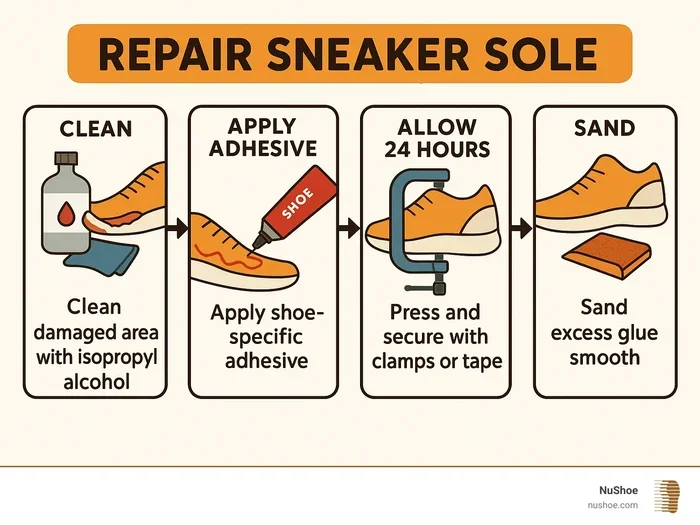
Visual guide about shoe sole separation repair
Image source: images.bannerbear.com
Wear and Repeated Flexing
Shoes bend every time you walk. That motion is normal, but it slowly weakens the bond between the upper and the sole. Running shoes, casual sneakers, and flat everyday shoes all flex in different ways. If you wear the same pair constantly, the stress builds up faster. A small gap often starts near the ball of the foot or the heel, where bending is strongest.
Moisture and Heat Exposure
Water, sweat, and heat can all weaken the materials that hold a shoe together. Wet shoes that dry too quickly, or shoes left near heaters and sunny windows, may lose shape and loosen internal layers. If moisture gets trapped inside, the problem can spread before you notice it. This is why drying habits matter as much as the repair itself.
Storage and Floor Contact
Stacking shoes in a tight pile, leaving them in a hot car, or keeping them on a cold concrete floor can all shorten their life. Shoes need airflow. They also need a stable place where they are not crushed or bent out of shape. Poor storage does not always cause immediate damage, but it can make a small separation grow faster.
Material Differences
Not all shoes age the same way. Rubber soles, foam midsoles, leather uppers, and synthetic fabrics all react differently to stress. Some materials are more flexible, while others become brittle over time. If you are dealing with an older pair or a heavily used pair, the material itself may be part of the issue.
Quick Tip
Check the inside of the shoe as well as the outside. Sometimes the first sign of trouble is a loose feeling underfoot, a slight wobble, or a small flap that catches while walking.
How to Fix Shoe Sole Separation Without Glue: First Steps
If you want to fix shoe sole separation without glue, the first steps matter more than the final trick. A weak repair usually comes from poor preparation, not from a lack of effort. Start by slowing down and looking closely at the damage.
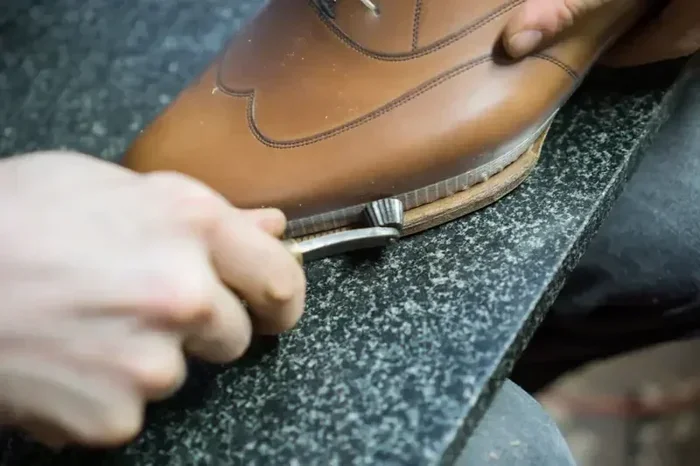
Visual guide about shoe sole separation repair
Image source: shunvogue.com
Inspect the Gap Carefully
Run your finger along the edge where the sole meets the upper. Is the gap small and clean, or does it look ragged and wide? Does the sole lift only in one spot, or is it peeling in several places? A small, clean gap is a much better candidate for a non-glue fix than a large split with visible wear.
Also check for trapped dirt. Sand, lint, and old debris can prevent any temporary hold from seating properly. If the area feels gritty, clean it first. A soft brush or a dry cloth is usually enough for light buildup.
Clean and Dry the Area
A dry surface is essential. Wipe away obvious dirt and let the shoe sit in a room-temperature spot until all moisture is gone. Do not rush this step with direct heat. Fast drying can warp the shoe and make the gap harder to manage.
If the shoe is damp from rain or sweat, stuff it with plain paper and let it rest upright. Replace the paper if it becomes soaked. This helps the shoe keep its shape while it dries naturally.
Press the Sole Back Into Place
Before trying any temporary support, see whether the sole can sit naturally against the upper again. Sometimes the gap closes better than you expect once the shoe is clean and dry. Gently press along the edge and watch how the materials respond. If the sole returns to position without forcing it, you have a better chance of holding it there temporarily.
If the sole resists, do not bend it aggressively. Forcing a stubborn sole can create new stress points and make the separation worse.
Non-Glue Methods That Can Help Temporarily
There are a few non-glue repair methods that can help with minor separation. These are not permanent miracles, but they can buy time, reduce further peeling, and keep the shoe usable while you decide on the next step.
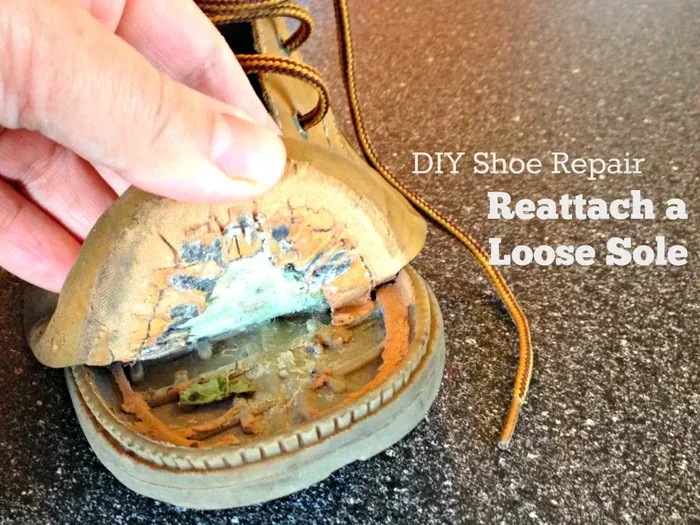
Visual guide about shoe sole separation repair
Image source: frugalupstate.com
Using Shoe Tape or Strong Adhesive Tape
For a small gap, a strong tape can act like a temporary clamp. Clean the area first, then apply the tape along the outside edge where the sole is lifting. Smooth it down firmly so it sits flat. The goal is to hold the edge in place without creating a bulky ridge that rubs against your foot.
This works best when the gap is narrow and the sole still fits well overall. If the separation is large, tape alone usually will not hold for long.
Heat and Pressure for Minor Gaps
Warmth can make some materials more flexible, which may help a small gap settle back into position. Use gentle warmth only. A short period of room-temperature rest in a warm room is safer than direct heat from a dryer, heater, or hot water. After warming slightly, press the sole back and hold it with even pressure.
This method is most useful when the shoe has loosened because of cold or stiffness, not because the material is worn out. If the sole feels brittle, skip this step.
Rubber Bands or Soft Clamping
A soft binding method can help keep the sole aligned while the shoe rests. Rubber bands, wide strips of cloth, or a light wrap can apply gentle pressure around the shoe. The key word is gentle. Too much pressure can distort the shape and create new gaps elsewhere.
Leave the binding on for a short period while the shoe sits flat. Check it occasionally so you do not create marks or uneven pressure.
Temporary Shoe Wraps and Edge Support
If the gap sits near a high-stress area, you may be able to reduce strain by changing how you wear the shoe for a while. Avoid long walks, rough surfaces, and heavy loading until the issue settles. Sometimes reducing use is the most effective short-term fix.
You can also add a protective wrap around the outside edge if the gap is exposed to snagging. This does not reattach the sole, but it can keep the problem from getting worse during daily wear.
Common Mistakes
- Using strong heat that warps the shoe or dries out the materials
- Pressing the sole back before cleaning out dirt and moisture
- Wrapping too tightly and changing the shoe shape
- Ignoring a gap that keeps growing instead of stabilizing
- Treating a worn-out sole like it just needs a quick fix
When DIY Is Not Enough
Not every separation can be managed at home. Sometimes the smartest answer is to stop trying to fix shoe sole separation without glue and seek a different solution. Knowing this early can save time and prevent a shoe from becoming unwearable.
Signs the Sole Is Too Damaged
A few warning signs suggest the shoe needs more than a temporary hold. Watch for these problems:
- The sole lifts in multiple places
- The edge is cracked, crumbling, or worn thin
- The shoe feels unstable while walking
- The upper and sole no longer line up naturally
- The gap returns quickly after you press it down
If you see several of these signs, the shoe may be reaching the end of its usable life. A temporary fix might keep it together for a short trip, but it will not restore full function.
Worn Soles and Safety Concerns
Safety matters. A separating sole can change how your foot lands, which may lead to discomfort or strain. If the shoe twists, slips, or feels uneven, it is better to stop using it for long walks or busy days. This is especially important if you rely on the shoes for commuting, work, or exercise.
A shoe that is still structurally sound can often be saved. A shoe that is worn through may be better replaced. That choice is not failure. It is practical care.
When to Visit a Cobbler
A cobbler can assess the shoe and tell you whether repair is realistic. Professional help makes sense when:
- The separation is large or spreading
- The shoe is expensive or sentimental
- You want a cleaner, stronger result than a DIY hold can provide
- The sole needs rebalancing or replacement
A good repair shop can also tell you if the shoe is worth saving at all. That kind of honest advice is valuable, especially when you are unsure whether your effort will pay off.
How to Prevent Sole Separation in the Future
Prevention is the real win. Once you understand what caused the gap, you can build better habits. These small changes help your shoes last longer and stay comfortable.
Rotate Your Shoes
Wearing the same pair every day gives the materials less time to recover. Rotating shoes spreads out the wear and reduces repeated stress on one pair. Even a short break between uses can help the shoe keep its shape.
Dry Shoes the Right Way
Let shoes dry naturally after they get wet. Remove excess moisture with a soft cloth, stuff them lightly if needed, and place them in a cool, airy spot. Avoid quick fixes like direct sunlight, radiators, or high heat. Slow drying protects the shape and the internal bond.
Store Shoes Well
Keep shoes in a place with airflow and room to stay upright. Do not crush them under heavy items or leave them in hot, damp spaces for long periods. A simple storage habit can make a bigger difference than many people expect.
Watch How You Wear Them
Some shoes are not made for every surface or activity. Using a shoe in the wrong setting can speed up wear. Match the shoe to the job, and do not push a casual pair into heavy daily use if it was not designed for that.
Check Shoes Regularly
A quick weekly look can catch early signs of trouble. Feel for loose edges, check for dirt buildup, and notice any new wobble. Small issues are easier to manage when you spot them early.
Expert Insight
The best repair is often the one you do not need. Good drying habits, regular inspection, and sensible use can prevent many sole problems before they start. If a gap does appear, early action gives you more options.
Final Thoughts on Fixing Shoe Sole Separation Without Glue
Fixing shoe sole separation without glue works best when the problem is small, the materials are still in good shape, and you are patient with the process. Clean the area, dry it well, and try gentle pressure or temporary support before assuming the shoe is doomed. A careful approach can extend the life of a pair you still enjoy.
At the same time, be honest about the limits. If the sole is worn, cracked, or separating in several places, a home fix may only delay the inevitable. In that case, professional repair or replacement is often the better path. Your time, comfort, and safety are worth protecting too.
The main lesson is simple. Treat shoe problems early, handle them gently, and choose the solution that matches the damage. That mindset keeps your shoes useful longer and helps you avoid wasted effort.
Key Takeaways
- Start with inspection: A clean, dry, small gap is the best candidate for a non-glue fix.
- Use gentle support: Tape, light pressure, and reduced wear can help temporarily.
- Avoid harsh heat: Fast drying and strong warmth can make the problem worse.
- Know when to stop: Multiple gaps, cracked edges, or instability mean it may be time for a cobbler.
- Prevent future issues: Rotate shoes, dry them properly, and store them with care.
- Check early and often: Small changes are easier to manage than full detachment.
- Match the fix to the damage: Temporary support works for minor issues, not for worn-out soles.
Frequently Asked Questions
Can you fix shoe sole separation without glue at home?
Yes, in some cases. If the gap is small and the materials are still in good shape, cleaning, drying, and using temporary pressure or strong tape may help hold the sole in place for a while.
What is the best first step when the sole starts peeling?
The best first step is to inspect the gap, remove dirt, and let the shoe dry fully. A clean, dry surface gives you a much better chance of managing the problem without making it worse.
Does heat help reattach a separated sole?
Gentle warmth may help a stiff shoe settle slightly, but strong heat can damage the materials. It is safer to use room-temperature rest and even pressure than direct heat from a heater or dryer.
When should I stop trying to repair the shoe myself?
You should stop if the sole is cracked, lifting in multiple places, or making the shoe feel unstable. At that point, a professional repair or replacement is usually the smarter choice.
Can shoe tape hold a separated sole permanently?
Shoe tape can help temporarily, but it is not usually a permanent fix. It works best for small gaps and short-term use, especially when the rest of the shoe is still in good condition.
How can I prevent sole separation from happening again?
Rotate your shoes, dry them naturally after moisture exposure, store them in a cool and airy place, and check them regularly for early signs of loosening. Good habits reduce stress on the sole and help the shoe last longer.