
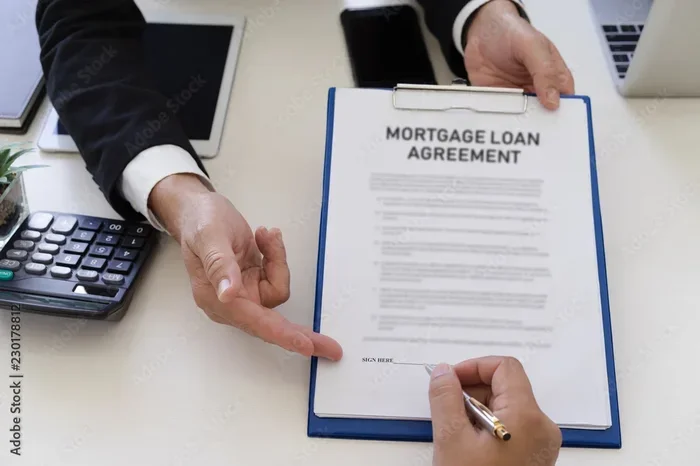
When Are You Committed to a Mortgage Lender depends on clear steps like signing the loan estimate, locking your rate, and receiving final approval. You should watch for written confirmation, fee disclosures, and clear next steps before you feel locked in. Reading the fine print early helps you avoid surprises and keeps your home buying plans on track.
This is a comprehensive guide about When Are You Committed To A Mortgage Lender.

Visual guide about mortgage lender signing papers
Image source: c8.alamy.com

Visual guide about mortgage lender signing papers
Image source: c8.alamy.com
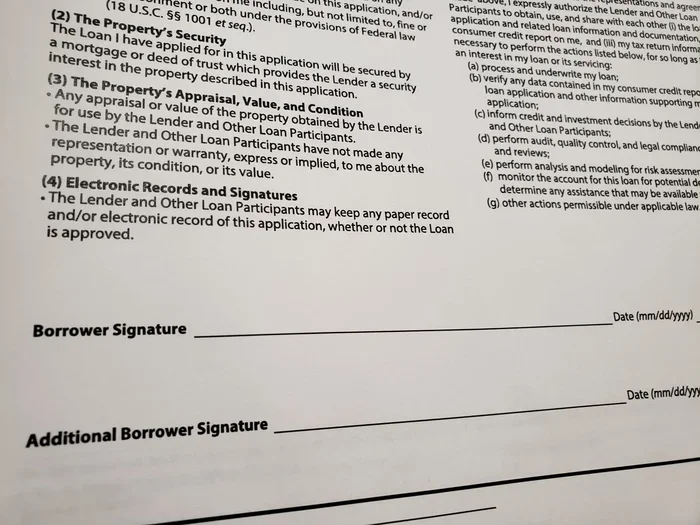
Visual guide about mortgage lender signing papers
Image source: keystoneelderlaw.com
Key Takeaways
- Commitment starts with a signed agreement: You feel locked in once you accept the loan estimate and proceed with appraisal and underwriting.
- Rate locks matter: A locked interest rate often signals stronger commitment, but terms and expiration dates vary.
- Fees and disclosures reveal intent: Paid application or processing fees usually mean the lender expects you to move forward.
- Verbal promises are not enough: Always rely on written terms, timelines, and clear conditions before assuming you are bound.
- Timing differs by lender: Some lenders commit early, while others wait until underwriting clears conditions.
- You can still change paths in some cases: Certain stages allow switches, but fees or delays may apply.
- Ask direct questions: Clear communication about deadlines, conditions, and cancellation terms helps you stay in control.
[FEATURED_IMAGE_PLACEHOLDER]
Introduction
Buying a home can feel exciting and confusing at the same time. One big question many buyers ask is when are you committed to a mortgage lender. The answer is not always simple. Some moments feel like commitment, but the real turning point usually comes from documents, fees, and clear next steps.
This guide breaks the process into plain language. You will learn what signals real commitment, what stays flexible, and how to protect yourself. If you are shopping for a loan, these details can help you move with confidence.
Understanding What Commitment Really Means
People often use the word commitment loosely. In mortgage lending, it usually means you and the lender have moved past casual shopping and into a more formal stage. That does not always mean the loan is fully final. It often means the lender is preparing to fund your loan if conditions are met.
Commitment can look different depending on the stage. Sometimes it begins when you submit a full application. Other times it starts after you receive a conditional approval. In many cases, the clearest sign is a written agreement or a rate lock that shows the lender is reserving terms for you.
Here is a simple way to think about it:
- Early stage: You are comparing options.
- Middle stage: You are sharing documents and receiving conditional approval.
- Later stage: You have a rate lock, a signed loan estimate, and a path toward closing.
When Are You Committed to a Mortgage Lender becomes easier to answer when you focus on the paperwork, not just the conversation.
When Verbal Approval Is Not Enough
A lender may sound confident over the phone. That can feel reassuring, but words alone do not create commitment. You still need written terms. You also need to know what conditions must be met before the loan moves forward.
A good rule is this: if it matters, ask for it in writing. That includes the interest rate, the expected timeline, the estimated closing costs, and any conditions that could delay approval.
Why Timing Matters
The home loan process moves in steps. A small delay can change your options. If you wait too long to compare lenders, you may lose a rate lock or miss a closing window. If you commit too early without checking terms, you may limit your flexibility.
That is why it helps to understand the stages before you sign anything.
The Paperwork That Signals Commitment
Paperwork is one of the clearest signs of commitment. Once you receive and accept key documents, the process becomes more serious. You are no longer just gathering ideas. You are moving toward a specific loan path.
Look for these common signals:
- Loan Estimate: This shows the projected costs and loan terms.
- Rate lock confirmation: This shows the lender is holding a specific rate for a set time.
- Conditional approval letter: This shows the lender is likely to move forward if certain items are provided.
- Fee disclosures: These show you may be responsible for certain costs if you proceed.
When Are You Committed to a Mortgage Lender often comes down to which documents you have signed and which conditions remain.
Loan Estimate Details
The Loan Estimate gives you a snapshot of the loan. It should show the rate, monthly payment estimate, closing costs, and other key terms. Review it carefully. Compare it with other estimates if you are still shopping.
If you accept this estimate and move forward, the lender may begin ordering services like appraisal or title work. That is a strong sign the lender expects you to continue.
Rate Locks and What They Mean
A rate lock can be a major commitment signal. It means the lender is trying to hold your interest rate steady for a period of time. That can be helpful in a changing market. It can also create pressure if your closing gets delayed.
Before you lock, ask:
- How long is the lock?
- What happens if closing is delayed?
- Is there a fee to extend the lock?
- Can the rate change if your application changes?
A rate lock does not always mean the loan is guaranteed. It usually means the lender is reserving terms while the loan moves through underwriting.
Application, Underwriting, and Conditional Approval
Once your application is complete, the lender may begin underwriting. This is the review stage where the lender checks your income, assets, credit, and property details. Underwriting can feel slow, but it is an important part of the process.
At some point, you may receive conditional approval. That means the lender is likely to approve the loan if you satisfy specific requirements. Those conditions might include:
- Updated pay stubs
- Explanation letters
- Additional bank statements
- Appraisal results
- Insurance information
Conditional approval is a strong sign of progress. It shows the lender sees a clear path to closing. Still, it is not the same as final funding approval.
What Conditional Approval Does Not Guarantee
A conditional approval is not a promise that everything is finished. The loan can still stall if new issues appear. For example, a change in employment, a large new debt, or a property issue could affect the outcome.
That is why you should keep your finances steady during this stage. Avoid making big purchases unless your lender says it is safe.
When the Lender Starts Spending Time and Resources
Another clue is how much work the lender begins to do. If they order an appraisal, verify records, or start preparing closing documents, they are investing in your loan. That usually means they expect the process to continue.
This is often the point where switching lenders becomes more costly or time-consuming. You may still be able to change course, but the delay and paperwork can grow.
Fees, Deposits, and Financial Signals
Money often tells the clearest story. Some lenders ask for application fees, processing fees, or appraisal deposits. These charges can indicate that the lender expects you to move forward.
That does not automatically mean you are fully committed. It does mean you should read the terms carefully. Ask what the fee covers and whether it is refundable if you change your mind.
Key questions to ask about fees:
- Is this fee refundable?
- What happens if the loan does not close?
- Are any costs tied to third parties?
- Which fees are paid at closing?
If you are trying to figure out when are you committed to a mortgage lender, fees can be an important clue. They often show the lender is moving from shopping mode into action mode.
Appraisal and Third-Party Costs
Some costs are not controlled by the lender alone. An appraisal, for example, may be ordered early in the process. If you switch lenders later, you may need a new appraisal or other repeated services. That can add time and expense.
This is one reason many buyers become more careful once third-party work begins. The loan is not necessarily final, but the process is becoming less flexible.
Protecting Yourself From Surprise Costs
Ask for a clear breakdown of expected costs early. Keep notes on what is refundable and what is not. If something looks unclear, pause and ask before paying.
A trustworthy lender should explain the charges in plain language. If you feel rushed, slow down and review the details.
Rate Locks, Lock Periods, and What Changes
A rate lock can be helpful, but it also creates a timeline. If your closing takes longer than expected, you may need an extension. Some lenders charge for that. Others may adjust the rate if market conditions change.
This is another moment when commitment becomes more real. You are no longer comparing rates in the abstract. You are working within a specific window.
Before you lock, consider:
- How certain is your closing date?
- How stable is your income and documentation?
- What is your backup plan if delays happen?
- Are you comfortable with the lock terms?
If you are still asking when are you committed to a mortgage lender, the rate lock period is often a good place to look. Once you lock, the lender is holding a specific deal for you, and changing course may come with tradeoffs.
What Happens If Market Rates Move
If rates rise, a lock can protect you. If rates fall, you may wonder whether you missed a better option. Some lenders offer float-down options, but those rules vary. Always ask how the lock works before you agree.
When a Lock Becomes a Stronger Commitment
A lock becomes more serious when it is tied to a specific closing schedule and underwriting path. At that point, both sides are working toward the same timeline. The loan may still depend on final conditions, but the direction is clearer.
When You Can Still Change Lenders
Many buyers worry that once they start with one lender, they are stuck. That is not always true. In many cases, you can still change lenders, especially early in the process. Later on, the decision may be more costly or slower.
You are more likely to have flexibility if:
- You have not signed final loan paperwork
- No appraisal or third-party work has started
- You have not locked your rate
- Underwriting has not advanced far
You may have less flexibility if:
- You have accepted a rate lock with expiration risks
- The lender has already paid for or ordered services
- Your closing date is near
- Your file is deep in underwriting
When Are You Committed to a Mortgage Lender is really a spectrum. Early on, you have more choices. Later, the process becomes more fixed.
The Cost of Switching
Switching lenders can mean new credit checks, new paperwork, and possible delays. If an appraisal is already done, the new lender may need a new one. That can affect your timeline and budget.
Before switching, weigh the benefit against the cost. Sometimes a better rate is worth it. Sometimes the delay is too risky.
How to Keep Your Options Open
Ask about timelines early. Request clear written terms. Avoid making big financial changes while your loan is in progress. Keep communication open so you know where the file stands.
If you are unsure, ask the lender directly what stage the loan is in and what would happen if you paused or changed direction.
Common Mistakes Buyers Make
Many buyers assume commitment happens all at once. In reality, it builds step by step. That misunderstanding can lead to confusion. Here are some common mistakes:
- Trusting verbal promises too much: Words are not the same as signed terms.
- Ignoring fee details: Small charges can reveal where the process stands.
- Rushing into a rate lock: A lock can help, but only if the timing makes sense.
- Making big purchases during underwriting: New debt can affect approval.
- Waiting too long to compare options: Early shopping gives you more control.
When Are You Committed to a Mortgage Lender is easier to understand when you avoid these traps. Clear questions and careful review go a long way.
How to Avoid Costly Confusion
Write down the key dates. Save copies of important documents. Ask for explanations in simple language. If a lender is vague, ask for specifics. You deserve clarity before you move forward.
Expert Insights on Lender Commitment
Loan processes can vary by lender, loan type, and market conditions. That means the exact moment of commitment may not be identical for everyone. Still, the general pattern is similar. The process becomes more binding as documents are signed, conditions are cleared, and resources are spent.
A practical mindset helps. Treat early conversations as exploration. Treat signed documents and rate locks as stronger signals. Treat conditional approval as meaningful progress, not the finish line.
The best protection is simple: ask what each step means, what it costs, and what happens if you need to change course.
A Smart Way to Think About Commitment
Commitment is not just about being locked in. It is also about knowing what you have agreed to. If you understand the terms, you can make better decisions. You can also spot when a lender is moving the process forward and when you still have room to compare.
Key Takeaways
- Commitment grows in stages: It usually becomes clearer through documents, rate locks, and underwriting progress.
- Paperwork matters most: Signed estimates and written terms carry more weight than casual promises.
- Fees and third-party work raise the stakes: Once services are ordered, switching can become harder.
- Rate locks add structure: They can protect you, but they also create deadlines.
- Flexibility is usually greater early on: Later stages often mean more time, cost, or paperwork to change lenders.
- Ask direct questions: Clear answers help you understand where you stand.
- Keep your finances steady: Avoid unnecessary changes while the loan is being reviewed.
Conclusion
So, when are you committed to a mortgage lender? The answer usually comes from a mix of paperwork, timing, and practical signals. A casual conversation is not commitment. A signed Loan Estimate, a rate lock, conditional approval, and ordered services all point to a stronger commitment.
The smartest approach is to move step by step. Read the terms. Ask what is refundable. Understand the timeline. Keep your finances stable while the loan is in progress. That way, you can tell the difference between early shopping and a more serious commitment.
If you stay informed, you can keep control of the process. You will know when the path is becoming fixed and when you still have room to choose. That clarity can make the whole home loan journey feel less stressful and much easier to manage.
Question?
How do I know if I am officially committed to a mortgage lender?
You are usually more committed once you have signed key documents, accepted a Loan Estimate, or locked your rate. Written terms and ordered services are stronger signals than verbal promises.
Question?
Does a rate lock mean the loan is guaranteed?
No, a rate lock usually holds your interest rate for a set period, but it does not always guarantee final approval. The loan may still depend on underwriting conditions and property review.
Question?
Can I switch lenders after I apply?
Often yes, especially early in the process. Later changes may cause delays, extra paperwork, or new costs, especially if appraisal or underwriting has already started.
Question?
What fees suggest I am moving toward commitment?
Application fees, processing fees, and appraisal deposits can signal that the lender expects the loan to move forward. Ask whether those fees are refundable before you pay.
Question?
Is conditional approval the same as final approval?
No. Conditional approval means the lender is likely to move ahead if you meet specific requirements. Final approval usually comes after those conditions are cleared.
Question?
What should I avoid doing while my loan is in underwriting?
Try to avoid opening new credit, making large purchases, or changing jobs if possible. Big financial changes can affect your approval or delay closing.
Frequently Asked Questions
What is When Are You Committed To A Mortgage Lender?
When Are You Committed To A Mortgage Lender is an important topic with many practical applications.
