

Changing your mortgage lender while under contract is possible, but it requires careful planning and quick action. You must review your purchase agreement, communicate with your real estate agent, and ensure your new lender can meet your closing deadline. Switching lenders can save you money or improve loan terms, but delays or lender issues may put your home purchase at risk. Always weigh the benefits against the potential costs before making a decision.
This is a comprehensive guide about Can You Change Mortgage Lenders While Under Contract.
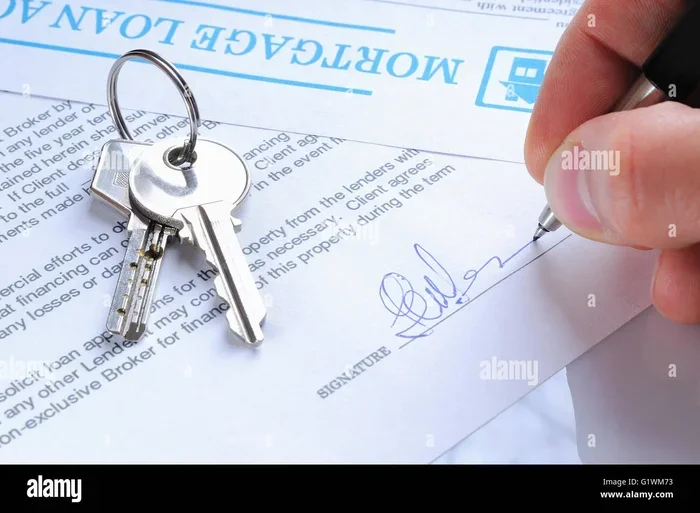
Visual guide about mortgage lender signing documents
Image source: c8.alamy.com

Visual guide about mortgage lender signing documents
Image source: static.vecteezy.com

Visual guide about mortgage lender signing documents
Image source: static.vecteezy.com
Key Takeaways
- Review your contract first: Some purchase agreements allow lender changes, while others may tie you to a specific lender or rate lock.
- Timing is critical: Switching lenders late in the process can delay closing and risk your earnest money or the seller’s patience.
- Compare loan terms carefully: A new lender may offer lower rates or better fees, but you must confirm they can close on time.
- Stay in close contact with your agent: Your real estate agent can help navigate contract language and communicate with the seller.
- Expect re-verification: A new lender will require fresh income, asset, and credit documentation, even if you already submitted it.
- Watch for rate lock expiration: If your current rate lock expires during the switch, you may lose your original interest rate.
- Have a backup plan: Keep contingency funds and flexible timelines ready in case the new lender needs extra time.
[FEATURED_IMAGE_PLACEHOLDER]
Can You Change Mortgage Lenders While Under Contract
Changing your mortgage lender while under contract can feel stressful, but it happens more often than you might think. Many homebuyers start the process with one lender and later discover a better rate, a more responsive team, or a loan program that fits their needs better. The good news is that a contract does not always lock you into one lender forever. The real question is whether your specific contract, timeline, and loan type allow a smooth switch.
A purchase agreement mainly binds you and the seller. It usually does not force you to use a certain mortgage company. Still, your loan choice affects your closing date, your financing contingency, and your ability to meet deadlines. If you change lenders, you must make sure the new lender can deliver a clear to close on time. You also need to confirm that your contract gives you enough room to handle delays.
This guide explains how lender changes work, what risks to watch for, and how to protect your home purchase. You will learn when switching makes sense, when it may be too risky, and what steps to take if you decide to move forward. If you are trying to understand more about lender commitments and contract timing, you may also find it helpful to read about emotional needs you should never ignore in a relationship, since clear communication and trust matter in big financial decisions too.
Understanding Your Contract And Lender Flexibility
Your purchase contract is the first document to review when you think about changing lenders. Most contracts focus on the buyer, the seller, the price, and the closing timeline. They usually do not name a specific mortgage lender. That means the contract itself may not stop you from switching.
However, some contracts include financing details that can affect your options. For example, your agreement may mention a specific loan type, a rate lock, or a deadline for loan approval. If your contract includes a financing contingency, you may have more flexibility. If your deadline is very tight, a lender change could create pressure.
You should also check whether your real estate agent included any lender-specific language. In some cases, buyers agree to use a particular lender because of a rate incentive, a closing cost credit, or a builder requirement. If that happened, changing lenders may require written permission or a contract amendment.
A good first step is to read the contract carefully and ask your agent direct questions. You want clear answers about deadlines, contingencies, and any lender-related clauses. If anything feels unclear, ask for explanation in writing. This helps you avoid surprises later.
When Your Contract May Limit A Lender Switch
Some situations make a lender change harder. For example, a builder may require a preferred lender to qualify for incentives. A seller may have accepted your offer partly because of a quick closing timeline. If your new lender needs more time, the seller may not agree to extend the date.
Another common issue is a rate lock. If your current lender already locked your rate, leaving that lender may mean losing the lock. In that case, you may need to accept a new rate from the new lender. That new rate could be higher, lower, or about the same. You should compare the numbers before making a move.
When A Lender Change Is Usually Fine
In many ordinary resale transactions, buyers can switch lenders as long as they still meet the financing contingency and closing deadline. If your loan is not yet close to closing, and your new lender can keep the process on schedule, the switch may be manageable.
The key is communication. Tell your agent early. Ask the new lender how long their process takes. Then compare that timeline with your contract deadline. If everyone knows the plan, the transition is much easier.
Why Homebuyers Consider Switching Lenders Mid-Process
People usually change lenders for a few simple reasons. Sometimes they find a better interest rate. Sometimes the first lender became slow, unresponsive, or disorganized. Other times the buyer learns about a better loan program or wants lower closing costs.
A lower rate can save money over the life of the loan. Even a small rate difference can matter if you are borrowing a large amount. Better customer service also matters. A lender who answers questions quickly can reduce stress during a busy transaction.
Some buyers also switch because their financial situation changed. They may have received a bonus, paid down debt, or reconsidered their loan structure. A different lender may offer a product that fits their new needs more cleanly.
Before switching, make sure the benefit is real. Compare the full loan cost, not just the advertised rate. Look at fees, points, estimated closing costs, and the expected closing date. A cheaper rate is not always a cheaper loan if the fees are much higher.
Common Reasons To Switch
- Better interest rate: A lower rate may reduce your monthly payment and long-term cost.
- Lower fees: Some lenders charge fewer origination or processing fees.
- Faster communication: A more responsive loan team can keep the process moving.
- Different loan options: Another lender may offer a program that suits your situation better.
- Service concerns: If your current lender is delayed or hard to reach, a change may help.
The Risks Of Changing Lenders During A Purchase
Switching lenders can work, but it is not risk-free. The biggest risk is timing. A new lender must start many tasks from the beginning. They will collect documents, order a fresh credit pull, verify income and assets, and coordinate with the title company or closing agent. That process can take time.
If the new lender moves slowly, your closing date may slip. A delay can create tension with the seller. In some cases, the seller may be able to cancel the contract if you miss a critical deadline. That is why you need to understand your timeline before you switch.
Another risk is the rate lock. If you already locked your rate with the first lender, that lock may not transfer. You may need to accept a new rate. If market rates have risen, your new rate could be less favorable. If rates have fallen, the new lender may offer a better deal. Either way, you should confirm the numbers in writing.
There is also the risk of loan approval changes. A new lender will review your file again. They may ask for updated documents or notice something that needs explanation. This does not mean the loan will fail, but it does mean the process is not automatic.
Timing Risks To Watch
- Closing delays: A new lender may need more days to reach clear to close.
- Missed deadlines: If your contract deadline passes, you could lose leverage or the deal.
- Rate lock loss: Leaving your current lender may end your existing lock.
- Re-verification delays: Fresh documentation requests can slow the process.
- Seller frustration: Repeated delays can make the seller less flexible.
How To Change Mortgage Lenders While Under Contract
If you decide to switch, move quickly and stay organized. Start by reviewing your contract and your current loan status. Then talk with your agent and your new lender. The goal is to make sure the new loan can close on time.
First, ask your current lender what stage the loan is in. If the file is still early, switching may be easier. If underwriting is almost complete and the closing date is near, the switch may be riskier. You need a realistic picture before you commit.
Next, contact the new lender and share your timeline. Ask how long their process usually takes for a purchase loan. Request a written estimate of key dates if possible. You want to know when they can collect documents, order the appraisal if needed, and move to underwriting.
Then inform your real estate agent. Your agent can help you understand the contract language and talk with the seller if needed. If a deadline change is necessary, your agent may help negotiate an amendment. Keeping everyone informed reduces confusion.
Finally, gather your documents early. A new lender will likely ask for pay stubs, bank statements, tax returns, and other standard items. Even if you already provided these to the first lender, the new one may still need them. Being ready can save valuable time.
Step-By-Step Switch Process
- Review your contract: Check deadlines, contingencies, and any lender-related language.
- Check your current loan status: Ask where the file stands and whether a rate lock is already in place.
- Talk to a new lender: Compare terms, fees, and the estimated timeline.
- Notify your agent: Make sure your agent knows your plan and can coordinate with the seller if needed.
- Submit fresh documents: Provide updated income, asset, and employment information quickly.
- Track the new timeline: Confirm appraisal, underwriting, and closing dates.
- Keep communication open: Respond fast to requests so the loan stays on schedule.
What To Ask Your New Lender Before Switching
Before you commit, ask direct questions. You want clear answers about cost, timing, and process. A good lender should explain the details without making you guess.
Ask about the interest rate, the annual percentage rate, and any points or lender fees. Ask whether the rate is locked, and if so, for how long. Ask what happens if the closing date changes. You also want to know how they handle appraisal scheduling, underwriting, and final approval.
You should also ask about communication. Who will be your main contact? How quickly do they usually respond? Will they provide updates as the loan moves through stages? A smooth experience matters, especially when you are under contract.
If you are comparing several lenders, create a simple comparison. Write down the rate, estimated costs, expected timeline, and service details. That makes it easier to see which option truly fits your situation.
Key Questions To Ask
- What is the interest rate and APR?
- Are there points, origination fees, or other lender costs?
- How long can you lock the rate?
- What is your typical timeline for a purchase loan?
- Can you meet my contract closing date?
- What documents will you need from me?
- Who will handle my file, and how often will I receive updates?
Protecting Your Closing Date And Negotiation Position
A lender change is easier when you protect your timeline. Start by building a little buffer if your contract allows it. A few extra days can reduce stress if the new lender needs more time. Of course, this only works if the seller agrees or the contract already gives you flexibility.
Keep your financing contingency in mind. This contingency may give you a way out if the loan does not proceed smoothly, but it does not automatically solve every problem. You still need to act in good faith and meet the required steps. Read the contingency carefully so you understand what it does and does not cover.
If your closing date is firm, tell the new lender immediately. Ask them to confirm whether they can realistically close on time. If they cannot, you may need to ask the seller for an extension or reconsider whether the switch is worth the risk. In some cases, staying with the current lender may be the safer choice.
Your agent can also help you stay organized. They can coordinate with the title company, escrow officer, or closing attorney, depending on your market. That coordination matters because a lender change affects more than just the loan team.
Smart Ways To Reduce Risk
- Share your deadline early: Make sure the new lender knows the closing date from the start.
- Ask for a written timeline: Get estimates for appraisal, underwriting, and final approval.
- Keep documents ready: Respond quickly to avoid unnecessary delays.
- Monitor the rate lock: Confirm whether your rate is protected or at risk.
- Stay in touch with your agent: Regular updates help everyone adjust if needed.
When It May Be Better To Stay With Your Current Lender
Sometimes the smartest move is to stay put. If your current lender is already close to closing, and the loan is moving well, switching may create more trouble than it is worth. A small rate difference may not justify the risk of delay.
You should also stay if your contract is very tight and the seller is unlikely to grant an extension. In that situation, reliability matters more than a possible savings. A smooth closing can be more valuable than a slightly better loan term.
Another reason to stay is if your current lender has already locked your rate in a favorable way and the new lender cannot clearly beat the overall cost. Always compare the full picture, not just one number. Fees, timing, and service quality all matter.
If you are unsure, ask your agent and your current lender for an honest status update. If the loan is on track, it may be better to keep moving forward. If there are real problems, then a change may make more sense.
Key Takeaways For Homebuyers
Changing your mortgage lender while under contract is often possible, but it depends on your timeline, your contract, and your new lender’s ability to close on time. The safest approach is to review the contract, compare the full loan costs, and communicate early with your agent and lenders.
If you switch, move quickly and keep every document ready. Ask the new lender for a realistic timeline and confirm whether your rate lock will transfer or expire. If the closing date is firm, make sure the new lender can meet it before you commit.
The best choice is the one that protects your purchase while giving you a loan you can trust. A lower rate is attractive, but a smooth closing matters just as much. When you understand the risks and plan carefully, you can make a confident decision.
Final Reminder
- Check your contract first.
- Compare total loan costs, not just the rate.
- Confirm the new lender can close on time.
- Keep your agent informed throughout the process.
- Be ready for fresh documentation requests.
Frequently Asked Questions
Can you change mortgage lenders after signing a purchase agreement?
Yes, in many cases you can change lenders after signing, as long as your contract does not require a specific lender and you can still meet your deadlines. You should review the agreement carefully and talk with your agent before making the switch.
Will changing lenders delay closing?
It can, because a new lender must start many parts of the loan process again. The delay depends on how early you switch and how quickly the new lender works. If the timeline is tight, the risk of delay is higher.
Do you lose your rate lock if you switch lenders?
Often, yes. A rate lock is usually tied to the original lender, so moving to a new lender may mean losing that lock. You should ask the new lender for a written rate quote and compare it with your current terms.
Does a new lender require fresh documents?
Usually, yes. Even if you already submitted paperwork to another lender, the new lender may need updated income, asset, and employment documents. Having everything ready can help the process move faster.
Can switching lenders affect your financing contingency?
It can if the switch creates delays that put your loan approval or closing date at risk. Your financing contingency may give you certain protections, but you still need to follow the contract terms and act quickly.
When is it better to stay with the current lender?
It is often better to stay if your loan is close to closing, the current lender is performing well, and the new lender cannot clearly improve the overall cost or service. In tight transactions, reliability may matter more than a small rate change.
