
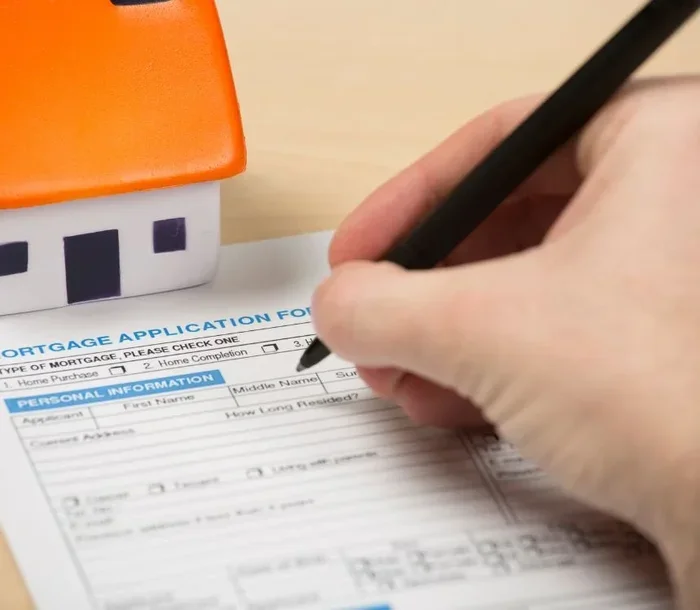
Finding mortgage information on a property is easier than you think. You can access public records, check county databases, and use online tools to uncover loan details. This guide shows you exactly how to find mortgage information on a property without hiring expensive professionals. Start your search today and make confident real estate choices.
Key Takeaways
- Public records are free: Most mortgage data lives in county clerk or recorder offices.
- Online databases save time: Many counties offer digital search tools for property records.
- Loan amounts and rates matter: These details help you understand market value and financing trends.
- Ownership history tells a story: Past sales and transfers reveal how the property changed hands.
- Tax records add context: Assessed values and tax liens often connect to mortgage activity.
- Professional help exists: Title companies and real estate agents can verify complex cases.
- Always cross-check sources: Multiple records ensure accuracy before you buy or invest.
📑 Table of Contents
- How to Find Mortgage Information on a Property
- Start With Public Records and County Databases
- Understand What Mortgage Documents Reveal
- Use Online Property Research Tools
- Check Title Reports and Escrow Records
- Talk to Real Estate Professionals and Lenders
- Avoid Common Mistakes When Researching Property Loans
- Expert Insights on Reading Property Financing Data
- Key Takeaways
How to Find Mortgage Information on a Property
Buying a home or investing in real estate feels exciting. It also brings questions. One common question is about the money side. People want to know what loans exist on a house. They want to see payoff amounts, interest rates, and lien details. The good news is that this information is usually public. You do not need special permission to look. You just need to know where to look.
This guide walks you through the process step by step. We will cover online searches, county offices, title records, and smart verification tips. You will learn how to read basic documents and avoid common mistakes. By the end, you will feel confident checking property financing on your own. Let us dive in and make the search simple.
Start With Public Records and County Databases
Public records are the best place to begin. Most counties keep property files open to the public. These files show deeds, mortgages, liens, and transfers. You can often search them from home. Many counties now offer free online portals. Others require a quick visit to the recorder or clerk office.

Visual guide about house mortgage paperwork search
Image source: cdn.outrank.so
Search the County Recorder or Assessor Website
Start with a simple web search. Type the county name plus words like property records or parcel search. Most sites let you search by address, owner name, or parcel number. Once you find the property, look for mortgage documents. These often appear under liens, encumbrances, or recorded instruments.
You may see a document called a deed of trust or mortgage note. These papers show the lender name, loan amount, and recording date. Some portals also display the current balance. If the site does not show balances, you can still see the original loan details. That information alone helps you understand the property history.
Visit the Local Clerk Office When Online Data Is Limited
Not every county digitizes everything. Some smaller offices keep paper files. In that case, a short visit can solve the puzzle. Bring the property address and a valid photo ID. Ask the staff where mortgage recordings are stored. They can point you to the right drawer or computer terminal.
Staff members usually cannot give legal advice. They can, however, help you locate files. You can copy the documents for a small fee. Keep the copies organized. Note the recording dates and document numbers. These details matter when you compare multiple records.
Understand What Mortgage Documents Reveal
A mortgage filing is more than a simple note. It contains useful data about the loan and the property. Learning to read these documents takes a little practice. Once you know the basics, you can spot important details fast.

Visual guide about house mortgage paperwork search
Image source: iemlabs.com
Look for Loan Amounts and Recording Dates
The original loan amount appears on the first page of most mortgage files. This figure shows how much the borrower borrowed at closing. It does not always match the current balance. Loans get paid down over time. Some get refinanced. Still, the original amount gives you a solid starting point.
The recording date tells you when the lender filed the document. This date often lines up with the purchase or refinance closing. If you see several mortgages, compare the dates. Older loans may be nearing payoff. Newer loans may signal a recent cash-out refinance or home equity line.
Check for Liens, Assignments, and Releases
Mortgages sometimes move between lenders. An assignment document shows that transfer. It lists the original lender and the new lender. This matters because the loan servicing rights may have changed. The borrower still owes the same debt, but the paperwork now points to a different company.
Releases are just as important. A release shows that a mortgage was paid off or satisfied. When you see a release, you know that lien no longer blocks the title. If you only see a mortgage and no release, the loan may still be active. Always compare the full chain of documents before drawing conclusions.
Use Online Property Research Tools
County sites are helpful, but they are not the only option. Several online platforms collect property data from public sources. These tools can save time. They often show loan estimates, ownership changes, and sale history in one place.
Visual guide about house mortgage paperwork search
Image source: ik.imagekit.io
Try Free and Paid Real Estate Data Sites
Some websites offer basic property reports for free. Others charge a small fee for deeper details. A free report may show the parcel number, tax assessment, and last sale price. A paid report may add mortgage estimates, lien history, and neighborhood comparisons. Choose the option that fits your budget and your needs.
When you use these tools, treat the numbers as estimates. They pull from public filings and may not reflect the exact current balance. Still, they are great for quick research. If you see a large loan on a property, you can verify it later through the county records.
Cross-Reference Multiple Sources
Never rely on one source alone. Different databases can show slightly different details. One site might list a loan amount from the original filing. Another might show a newer refinance. By checking more than one source, you reduce the chance of missing a key update.
Make a simple notes page for each property. Write down the address, parcel number, lender names, and dates. Add any amounts you find. Then compare the notes with the county file. This habit keeps your research clean and accurate.
Check Title Reports and Escrow Records
Title work is another powerful way to learn about property financing. Title companies search public records for liens, mortgages, and ownership issues. Their reports often list every recorded debt tied to the home. If you are buying or selling, title work is standard. If you are just researching, you can still ask for a preliminary title report in many areas.
Ask for a Preliminary Title Report
A preliminary title report summarizes the current state of the title. It usually lists recorded mortgages, tax liens, and other encumbrances. This report helps you see what could affect a future sale or refinance. It also shows the order in which liens were recorded. That order matters because it affects payoff priority.
You can request this report through a title company or a real estate attorney. Some companies provide it for a modest fee. Others include it as part of a full title commitment. Even a basic report gives you a clear snapshot of active mortgage claims.
Review Closing and Settlement Documents When Available
If you have access to past closing files, review them carefully. The settlement statement shows how the purchase money was distributed. It lists the loan amount, lender charges, and any payoff demands. These documents are especially useful when a property has changed hands recently.
Closing files may also show rate details, escrow amounts, and prepaid items. This information helps you understand the full financial picture. Keep in mind that these papers belong to the transaction. You may only see them if you are part of the deal or if the owner shares them.
Talk to Real Estate Professionals and Lenders
Sometimes the fastest path is a conversation. Real estate agents, mortgage brokers, and title officers deal with property financing every day. They can explain what the records mean and where to look next. A short question can save hours of guesswork.
Work With a Real Estate Agent
Agents know local record systems and common loan patterns. They can guide you to the right county portal or suggest a reliable title company. If you are considering a purchase, an agent can also help you interpret the numbers in context. For example, a high loan balance may be normal in a hot market. A low balance may signal strong equity.
Ask clear questions. Request the parcel number. Ask whether the property has any recorded liens. Request a quick summary of the financing history. Good agents appreciate informed buyers and will point you in the right direction.
Contact the Loan Servicer for Current Balance Details
If you need the exact remaining balance, the loan servicer is the best source. The servicer handles monthly payments and account records. They can confirm the payoff amount and the interest rate on file. This information is especially useful if you plan to negotiate, refinance, or verify a lien.
Be ready to provide the property address and the borrower name if you are the owner or an authorized party. Servicers protect private data, so they will only share details with the right people. If you are researching your own property, have your account number handy. That speeds up the process.
Avoid Common Mistakes When Researching Property Loans
Property research is straightforward, but a few traps can cause confusion. Watch out for outdated documents, mismatched names, and assumptions about balances. A careful approach keeps your findings reliable.
Do Not Assume the Original Loan Is Still Active
A recorded mortgage does not always mean the loan is still open. The borrower may have paid it off, refinanced it, or sold the home. Always look for a release or a new mortgage document. If you see several filings, trace the timeline from oldest to newest.
Do Not Confuse Tax Records With Mortgage Records
Tax assessments and mortgage filings serve different purposes. Tax records show the assessed value and any tax liens. Mortgage records show lender claims and loan details. Mixing the two can lead to wrong conclusions. Check both, but keep them separate in your notes.
Verify Names, Parcels, and Dates
Property records can list several owners over time. Names may vary due to marriages, typos, or entity names like LLCs. Always match the parcel number to the address. Confirm the recording dates. Small details prevent big mistakes.
Quick Tips for Smarter Research
- Start with the parcel number. It is the most stable identifier.
- Save copies of every document. Digital scans make comparison easier.
- Track the chain of title. Ownership changes often line up with loan changes.
- Use a simple spreadsheet. Columns for date, lender, amount, and document type keep things clear.
- Ask for help early. A title officer or agent can clarify confusing filings.
Expert Insights on Reading Property Financing Data
Experienced researchers treat property files like a story. Each document adds a chapter. The first mortgage shows how the purchase was funded. Assignments show who now services the loan. Releases show progress toward payoff. When you read the file as a sequence, the picture becomes clear.
Another useful habit is comparing loan activity with market trends. If a property was refinanced during a period of low rates, the new loan may reflect better terms. If a large second lien appears, the owner may have tapped equity for repairs or debt consolidation. These patterns help you understand the property beyond the address.
Finally, remember that public records show what was filed, not always what is currently owed. Use the records as a map, not a final verdict. When precision matters, verify the balance through the servicer or a title commitment. That combination of public data and direct confirmation gives you the strongest answer.
Key Takeaways
- Public records are your first stop. County portals and clerk offices hold the core mortgage filings.
- Read the document chain. Look for mortgages, assignments, and releases to see the full history.
- Use online tools for speed. Property data sites give quick estimates and save research time.
- Confirm with title work. Preliminary title reports reveal active liens and recording order.
- Ask professionals when needed. Agents, title officers, and servicers can clarify complex details.
- Verify before you act. Cross-check sources and confirm balances when the numbers matter.
Learning how to find mortgage information on a property gives you a real advantage. You can spot active loans, track ownership changes, and understand the financial background of a house. Start with county records, then add online tools and title reports. Keep your notes organized, verify key details, and ask for help when a file looks confusing. With a steady approach, you can research property financing with confidence and make smarter decisions every time.
Frequently Asked Questions
What is the easiest way to find mortgage information on a property?
The easiest way is to search the county recorder or assessor website using the address or parcel number. Many counties let you view recorded mortgages, liens, and releases online for free.
Can I see the current mortgage balance through public records?
Public records often show the original loan amount and filing details, but not always the current balance. To confirm the exact payoff amount, you usually need to contact the loan servicer or review a title report.
Do all counties offer online property records?
No, not every county has a fully digital system. Many larger counties do, but smaller offices may keep paper files. If online search is limited, a visit to the clerk or recorder office can help.
What is the difference between a mortgage and a deed of trust?
Both documents secure a loan with the property, but they are used in different states and setups. A mortgage usually involves the borrower and lender directly, while a deed of trust often includes a third-party trustee.
How do I know if a mortgage has been paid off?
Look for a release, satisfaction, or reconveyance document in the property file. These records show that the lender no longer has an active lien on the home.
Should I use a title company if I am only researching a property?
Yes, a title company can be helpful even if you are not buying yet. A preliminary title report can show recorded mortgages, liens, and other claims tied to the property.
