
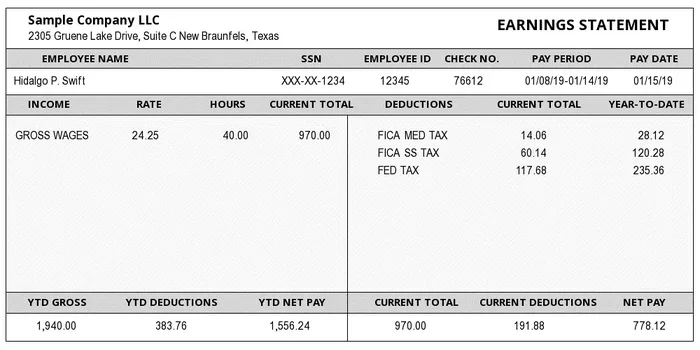
Most lenders ask for 2 to 3 months of recent pay stubs when you apply for a home loan. This proof of income helps them verify you can afford the monthly payments. If you are self-employed or have irregular income, you might need extra documents like tax returns. Always check with your specific lender early to avoid delays.
This is a comprehensive guide about How Many Months Of Pay Stubs For Mortgage.
Visual guide about mortgage application pay stubs
Image source: images.squarespace-cdn.com
Visual guide about mortgage application pay stubs
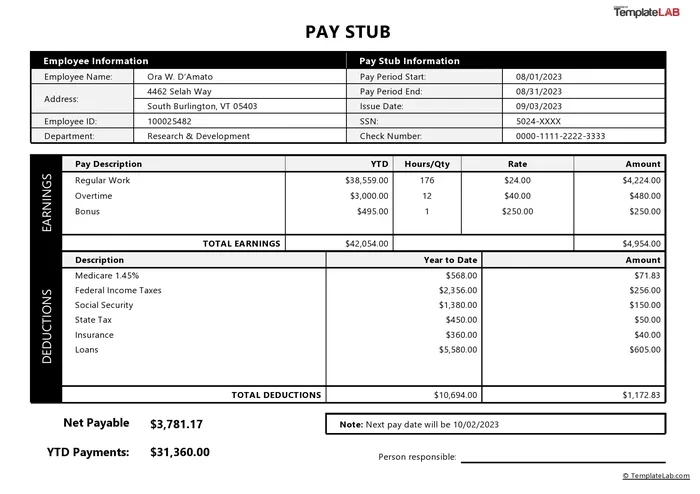
Image source: templatelab.com
Visual guide about mortgage application pay stubs
Image source: i.pinimg.com
Key Takeaways
- Standard Requirement: Most lenders require the last 2 to 3 months of pay stubs.
- Recent Data: Stubs must be recent, usually dated within 30 days of application.
- Self-Employed: Freelancers often need 2 years of tax returns instead of stubs.
- Consistency Matters: Lenders look for steady income, not just one high paycheck.
- Digital Copies: Keep clear PDF scans of your stubs ready for upload.
- Explain Gaps: Be ready to explain any missing months or employment gaps.
- Ask Early: Confirm document needs with your loan officer before applying.
[FEATURED_IMAGE_PLACEHOLDER]
How Many Months of Pay Stubs for Mortgage Applications
Buying a home is exciting. It is also stressful. You have to gather many documents. One big question is about income proof. You might wonder how many months of pay stubs for mortgage approval you need. Lenders want to see that you have steady money coming in. They need to know you can pay the loan every month.
The standard answer is usually simple. Most banks want to see your last two or three pay checks. This shows them your current earnings. It helps them calculate your debt-to-income ratio. This ratio is key for approval. If you do not have these stubs, you might face delays. Sometimes you might even get denied. So, being prepared is very important.
This guide will help you understand the rules. We will look at standard rules. We will also look at special cases. You will learn how to organize your papers. We will talk about what happens if you are self-employed. By the end, you will feel ready to apply. You will know exactly what to gather.
Standard Mortgage Pay Stub Requirements
Most lenders follow similar guidelines. They want recent proof of income. This is to ensure you still have your job. They also want to see how much you earn. A single stub might not be enough. One check could be an anomaly. Maybe you worked overtime that month. Maybe you took unpaid leave.
That is why they ask for a history. Seeing multiple stubs shows a pattern. It proves consistency. Consistency is what lenders love. They want predictable income. Here is what you typically need to know about the standard rules.
Two to Three Months is Common
The most common request is for two to three months of pay stubs for mortgage processing. This is the industry norm for W-2 employees. If you get paid every two weeks, you might need more stubs. This depends on the lender. Some might ask for the last 90 days of income.
You should check your calendar. Count back from today. Make sure you have stubs for that period. If you are missing one, ask your HR department. They can usually reprint old stubs. Do this early. Do not wait until the last minute.
Recent Dates Matter
Old stubs do not help much. A stub from six months ago is useless. Lenders want current data. They want to see what you earn now. If you got a raise recently, they need to see that. If you got a pay cut, they need to see that too.
Ideally, your most recent stub should be dated within 30 days. This shows your current status. If your latest stub is old, you might need a verification of employment. This is a form your employer fills out. It confirms your current pay rate.
Electronic vs. Paper Stubs
Many people do not get paper checks anymore. Direct deposit is common. You might only get digital records. This is fine. Lenders accept digital stubs. You just need to download them. Make sure they look official.
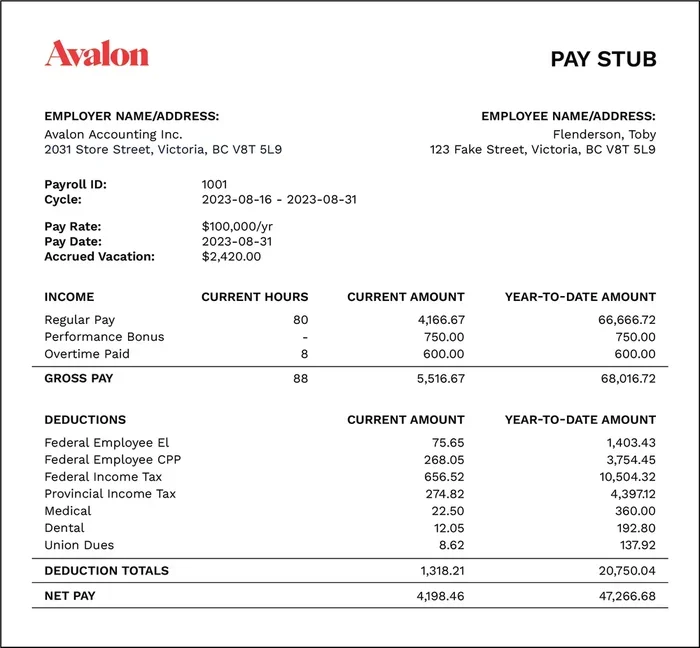
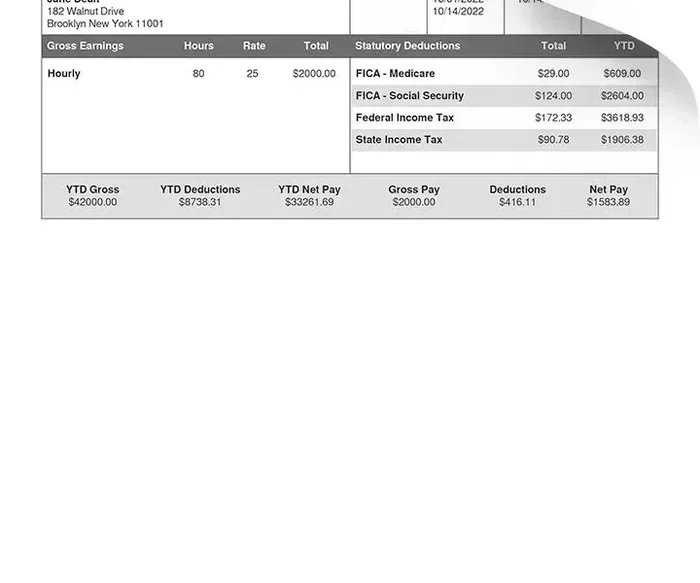
They should have your name. They should have your employer’s name. They should show the pay period. They should show deductions too. Lenders look at net pay and gross pay. They want to see taxes withheld. This proves the stub is real.
What Lenders Look for in Pay Stubs
You might think any stub works. But lenders look closely. They are trained to spot issues. They want to verify everything. They check your name. They check your employer. They check the numbers. Here are the specific things they scan for.
Gross Income vs. Net Income
Lenders care about gross income mostly. This is the money before taxes. This is your total earnings. They use this to calculate your ratios. However, they also look at net pay. This is what hits your bank account. They want to see if you have enough left over.
They look at deductions too. Large deductions might raise questions. If you pay child support, it shows on the stub. This is a liability. It reduces your buying power. If you have huge insurance deductions, they might ask about it. Be ready to explain large lines items.
Year-to-Date Earnings
Many stubs show year-to-date (YTD) income. This is very helpful. It shows how much you earned this year. Lenders compare this to your annual salary. If you say you make $60,000 a year, your YTD should match. If you started mid-year, the math should work.
Inconsistencies here are red flags. If the YTD is too low, they might think you exaggerate. If it is too high, they might think you work overtime rarely. They want to see a steady stream. This helps them predict future income.
Employer Verification
The stub must come from a real employer. Lenders might call your job. They might send a form to HR. They want to confirm you work there. They want to confirm you are still employed. A stub alone is not always enough.
Sometimes they use a third-party service. This service verifies employment digitally. This is faster. It is also more secure. But you still need the stubs for income details. The verification confirms the job status. Both are important for the file.
Special Cases and Exceptions
Not everyone works a standard job. Some people are freelancers. Some people get bonuses. Some people rely on commissions. The rules change for these groups. You might need more than just stubs. You might need different documents entirely.
Self-Employed Borrowers
If you own a business, stubs might not exist. You might pay yourself irregularly. In this case, how many months of pay stubs for mortgage questions change. Lenders usually ask for tax returns instead. They want to see two years of returns.
They look at your Schedule C. They look at your net profit. They average the last two years. This gives them a stable number. If your income is going down, that is a problem. If it is going up, that is good. Stubs are less important here. Profit and loss statements help too.
Commission and Bonus Income
Some people earn mostly commissions. Your base pay might be low. Your bonus might be high. Lenders treat this differently. They usually average bonus income over two years. They want to see consistency. One big bonus is not enough.
You need to show history. Provide stubs that show the bonus. Provide tax returns that show the income. Lenders might only count 50% of variable income. This is to be safe. They do not want to lend based on luck.
Gaps in Employment
Did you lose your job recently? Did you take time off? This complicates things. Lenders want continuous income. A gap looks risky. You need to explain the gap. A letter of explanation helps.
If you were laid off, show when you started again. If you were sick, show medical notes. If you went back to school, show transcripts. The goal is to show stability now. Recent stubs help prove you are back on track.
Tips for Organizing Your Pay Stubs
Gathering documents is half the battle. You need to keep them safe. You need to keep them clear. Messy files cause delays. Lenders hate missing pages. Here is how to stay organized.
Create Digital Copies
Do not just keep paper copies. Paper can get lost. Paper can fade. Scan your stubs. Save them as PDFs. Name the files clearly. Use your name and the date. For example, “JohnDoe_PayStub_March.pdf”.
Store them in a cloud folder. This way you can access them anywhere. You might need to email them quickly. Digital files are easier to upload. Many lenders use online portals. You can drag and drop files there.
Check for Completeness
Look at every page. Some stubs are two pages long. Make sure you have both. Missing pages look suspicious. It looks like you are hiding something. If a stub is cut off, get a new one.
Check the numbers too. Make sure they are readable. Blurry scans are bad. Lenders need to see the figures. If they cannot read it, they will ask for it again. This slows down your closing.
Update Before Closing
Your loan does not end at application. It ends at closing. This can take weeks. Your income might change. You might get a new stub. You might get a bonus. Lenders often ask for updated docs.
Keep gathering stubs until you sign. Do not spend large sums of money. Do not change jobs. Keep everything stable. Provide new stubs if asked. This ensures nothing breaks at the finish line.
Common Mistakes to Avoid
People make errors all the time. These errors cause stress. They can even kill the deal. You want to avoid these pitfalls. Here are the most common mistakes borrowers make.
Submitting Old Documents
This is the biggest mistake. Sending stubs from last year is useless. Lenders want current info. If you send old data, they will pause. They will ask for new ones. This wastes time.
Always check the date. Make sure it is recent. If you are applying in June, do not send March stubs if you have May stubs. Send the newest ones. This shows you are current.
Inconsistent Income Reporting
Your application says one thing. Your stubs say another. This is a problem. If you claim $5,000 monthly, but stubs show $4,000, you must explain. Maybe you forgot overtime. Maybe you averaged it wrong.
Be honest on your application. Match your stubs. If there is a difference, write a letter. Explain why. Honesty builds trust. Hiding things looks like fraud. Always align your numbers.
Ignoring Deductions
Some people forget about deductions. Large deductions lower your net income. Lenders calculate debt-to-income based on gross. But they look at net for cash flow. If you have huge alimony payments, it matters.
Do not try to hide this. It is on the stub. They will see it. Discuss it upfront. See how it affects your loan. You might need to adjust your budget. Know your numbers before you apply.
Expert Insights on Income Verification
Loan officers see many files. They know what works. They know what fails. We asked some experts for tips. Here is what they suggest for a smooth process.
Prepare Before You Apply
Do not wait for the lender to ask. Gather your docs now. Pull your last three stubs. Pull your tax returns. Pull your bank statements. Have them ready in a folder.
This makes you look professional. It speeds up the process. Lenders love prepared borrowers. It shows you are responsible. This is a good sign for homeownership. It suggests you will pay on time too.
Communicate Changes Immediately
Did you get a raise? Tell them. Did you change jobs? Tell them. Did you lose hours? Tell them. Hiding changes is bad. They will find out anyway. Verification calls happen.
If you tell them early, they can plan. They might adjust the loan. They might ask for different docs. Transparency is key. It prevents surprises later. Surprises delay closing dates.
Use a Checklist
Every lender is different. One might want three stubs. Another might want two. Ask for a checklist. Most lenders have a standard list. Get it from your loan officer.
Follow the list exactly. Do not skip items. Do not assume something is not needed. If they ask for a specific form, get it. Completing the checklist ensures nothing is missed. This is the safest path to approval.
Conclusion
Getting a mortgage is a big step. You need to prove you can pay. The how many months of pay stubs for mortgage question is common. Usually, two to three months is the standard. But always check with your lender.
Organize your documents well. Keep digital copies. Check for dates and accuracy. If you are self-employed, know you need tax returns. Avoid common mistakes like sending old stubs. Be honest about your income.
Preparation leads to success. When you have your papers ready, stress goes down. You can focus on finding your dream home. Follow these tips. You will be ready for the verification process. Good luck with your new home.
Frequently Asked Questions
How many months of pay stubs do I need for a mortgage?
Most lenders require the last 2 to 3 months of pay stubs for mortgage approval. This helps them verify your current income and employment status. Always confirm with your specific loan officer as requirements can vary.
Can I use digital pay stubs for my loan application?
Yes, lenders accept digital pay stubs as long as they are clear and official. Make sure the PDF shows your name, employer, and pay details. Blurry or edited documents might get rejected.
What if I am self-employed and do not have pay stubs?
Self-employed borrowers usually provide 2 years of tax returns instead of pay stubs. Lenders look at your net profit to determine income. You may also need profit and loss statements.
Do lenders care about deductions on my pay stub?
Yes, lenders review deductions to understand your full financial picture. Large deductions like child support or alimony affect your debt-to-income ratio. Be prepared to explain any significant line items.
What happens if I have a gap in my employment history?
You will need to provide a letter of explanation for any employment gaps. Lenders want to know why you were not working and if you are stable now. Recent pay stubs help prove you are back on track.
Should I keep providing pay stubs after I apply?
Yes, lenders often request updated stubs before closing. Your financial situation must remain stable until the loan is final. Continue saving your pay records until you sign the papers.