
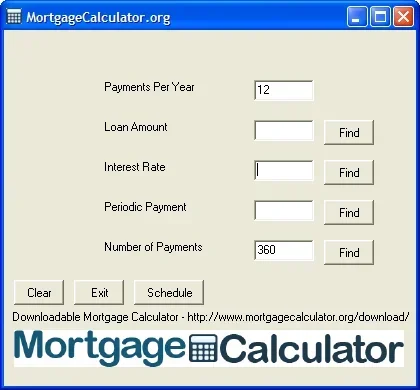
When you ask how much goes towards principal in mortgage payment, the answer depends on your loan balance, interest rate, and loan term. In the early years, most of your monthly payment covers interest, not the loan balance. Over time, the split shifts and more money goes toward reducing what you owe. Understanding this split helps you plan better, save on interest, and possibly pay off your home sooner.
Key Takeaways
- Early payments lean toward interest: In the beginning, most of your monthly payment covers interest charges, not the loan balance.
- Amortization changes the split over time: As the balance drops, more of each payment goes toward the principal.
- Loan term matters a lot: A 15-year loan builds equity faster than a 30-year loan, but the monthly payment is higher.
- Extra payments speed things up: Even small additional amounts can reduce total interest and shorten the loan.
- Escrow is separate from principal: Taxes and insurance often sit in escrow, so they do not reduce your loan balance.
- Refinancing can reset the clock: A new loan may lower your rate, but it can also move you back to interest-heavy payments.
- Track your amortization schedule: Reviewing the schedule shows exactly how much goes towards principal in mortgage payment over time.
📑 Table of Contents
How Much Goes Towards Principal in Mortgage Payment
If you have ever looked at your first mortgage statement, you may have felt surprised. You send in one payment, but only a small part seems to reduce what you owe. That happens because your payment does not go to just one place. It gets split between interest, principal, and sometimes escrow. The biggest question for many homeowners is simple: how much goes towards principal in mortgage payment each month?
The short answer is that it changes over time. In the beginning, interest usually gets the larger share. Later, the balance shrinks, and the principal gets more of the money. This shift is normal. It is also the reason why two people with the same payment can build equity at very different speeds. If you understand the split, you can make smarter choices about extra payments, refinancing, and long-term planning.
This guide breaks the process down in plain language. You will see how payments are divided, why the split changes, and what you can do to put more money toward the loan balance. The goal is not to overwhelm you with math. The goal is to help you feel confident about where your money goes every month.
How a Mortgage Payment Is Split
A typical mortgage payment has a few moving parts. Most people think of it as one lump sum, but it usually covers more than just the loan itself. Knowing the pieces helps you understand why the principal portion can feel small at first.
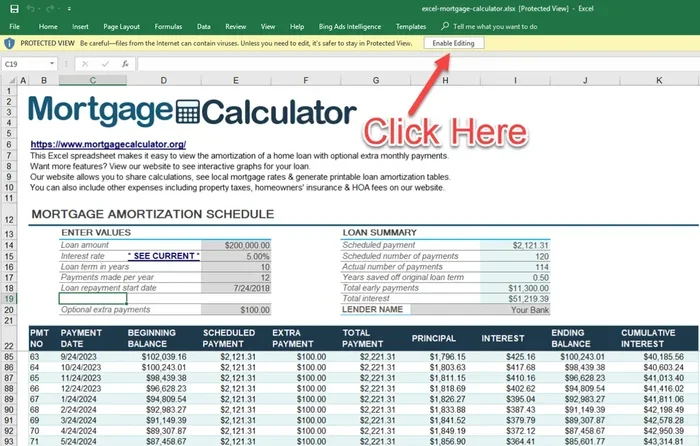
Visual guide about mortgage principal payment calculator
Image source: mortgagecalculator.org
Here are the most common parts of a monthly payment:
- Principal: This is the amount that reduces your loan balance.
- Interest: This is the cost of borrowing the money.
- Taxes: Property taxes may be collected and held in escrow.
- Insurance: Homeowners insurance may also be collected monthly.
- PMI: Private mortgage insurance may apply if your down payment was small.
When people ask how much goes towards principal in mortgage payment, they usually want to know about the principal and interest portion. Taxes and insurance are important, but they do not reduce your loan balance. They are more like monthly bills that your lender collects on your behalf.
The principal and interest part follows a schedule. That schedule is called amortization. It decides how much of each payment covers interest and how much reduces the balance. The schedule is set in advance, so the pattern is predictable. You can usually see it in your loan documents or online account.
A simple way to think about it is this: interest is charged on the balance you still owe. So when the balance is high, the interest charge is higher too. That leaves less money for the principal. As the balance drops, the interest charge drops as well. Then more of your payment can go to the principal.
Principal vs. Interest at a Glance
The table below shows a simplified example. It is not meant to match any specific loan exactly. Instead, it shows how the split can change over time.
| Year | Approximate Interest Share | Approximate Principal Share |
|---|---|---|
| 1 | Most of the payment | Smaller part |
| 5 | Still interest-heavy | Growing slowly |
| 10 | More balanced | Noticeably larger |
| 20 | Interest smaller | Principal larger |
| 30 | Final payments mostly principal | Balance paid down |
This pattern is why the early years can feel frustrating. You make payments for a long time, but the balance seems slow to move. That is normal for a fully amortizing loan. The good news is that the process speeds up later, especially if you make extra payments along the way.
Why the Principal Portion Starts Small
The main reason the principal portion starts small is simple: interest is calculated on the remaining balance. At the start of a loan, the balance is at its highest. That means the interest charge is also at its highest. Since the total payment is usually fixed, the leftover amount for principal is smaller.
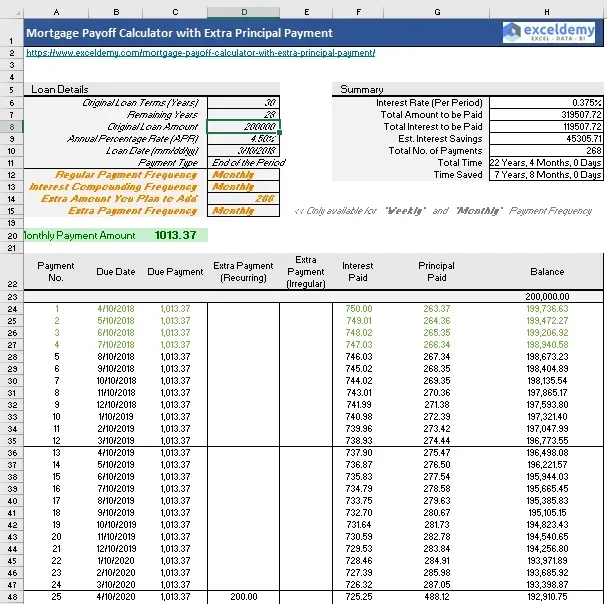
Visual guide about mortgage principal payment calculator
Image source: i.pinimg.com
Think of it like a pie. If a bigger slice goes to interest, a smaller slice remains for the principal. As the balance drops, the interest slice gets smaller too. Then the principal slice grows. This does not mean anything is wrong with your loan. It is just how amortization works.
A few common factors affect this early balance:
- Loan amount: A larger loan usually means more interest at the start.
- Interest rate: A higher rate increases the interest charge.
- Loan term: Longer loans spread payments out more, which can keep principal lower in the early years.
- Payment structure: Some loans have different structures, so the split may behave differently.
If you are trying to figure out how much goes towards principal in mortgage payment for your own loan, the most accurate method is to check your amortization schedule. That document shows the exact breakdown month by month. It is one of the most useful tools for understanding your loan.
A Simple Example
Imagine a fixed-rate loan with a payment that stays the same each month. In the first month, the interest charge is based on the full starting balance. Only a small part of the payment reduces the balance. A few years later, the balance is lower, so the interest charge is lower too. Now the same payment can do more work on the principal.
This is why consistency matters. Your payment may feel like it is not making much progress at first, but it is. Each payment reduces the balance a little. That smaller balance then leads to less interest later. Over time, the effect builds.
How Loan Term Changes the Principal Split
The length of your loan matters a lot. A longer term usually means lower monthly payments, but it also means interest has more time to add up. A shorter term usually means higher monthly payments, but more of each payment goes toward the balance sooner.
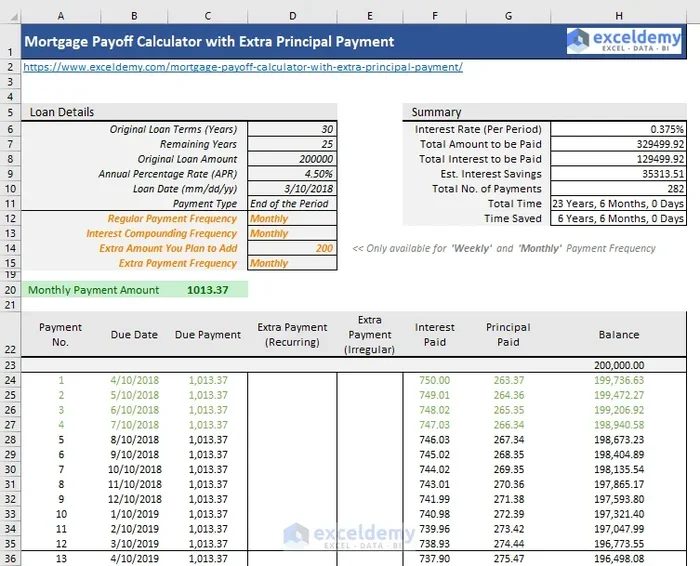
Visual guide about mortgage principal payment calculator
Image source: exceldemy.com
When people compare loan options, they often focus on the monthly payment. That is important, but the bigger picture matters too. A loan with a smaller monthly payment may cost more over time because the balance shrinks more slowly. A loan with a higher payment may help you build equity faster.
Here is a simple comparison:
- Longer term: Lower payment, slower equity buildup, more total interest over the life of the loan.
- Shorter term: Higher payment, faster equity buildup, less total interest over time.
If your goal is to know how much goes towards principal in mortgage payment and increase that amount sooner, a shorter term can help. But it only works if the payment fits your budget. The best choice is the one that balances comfort, stability, and long-term cost.
Choosing What Fits Your Budget
A loan should support your life, not strain it. If a shorter term makes the payment too tight, it may not be the right move. On the other hand, if you can handle a higher payment, you may save a lot in interest. Some people choose a longer term for flexibility and then make extra payments when they can. That gives them room to breathe while still reducing the balance.
The key is intention. Whether you pick a shorter term or stick with a longer one, it helps to know how the payment is working for you. That way, you can plan with confidence instead of guessing.
How Extra Payments Affect Principal
Extra payments can make a real difference. When you pay more than the required amount, that additional money can go directly toward the balance. That reduces the amount on which future interest is calculated. In other words, extra payments can help more of your regular payment go toward principal later.
This is one of the easiest ways to change the answer to how much goes towards principal in mortgage payment over time. You do not need to wait for the schedule to catch up. You can speed things up on your own. Even small extra amounts can matter when they happen consistently.
A few practical ways to do this include:
- Adding a little each month: A small extra amount can chip away at the balance.
- Making occasional lump sums: A bonus, tax refund, or gift can be put toward the loan.
- Rounding up: Rounding your payment up slightly can be an easy habit.
- Specifying the extra amount: Make sure the lender applies it to principal, not future payments.
Before you send extra money, check how your lender handles it. Some lenders apply overpayments to the balance right away. Others may hold them or apply them differently. Clear instructions help make sure the money does what you want it to do.
Common Mistakes with Extra Payments
Extra payments are helpful, but only when they are used carefully. A few mistakes can reduce their value:
- Not confirming allocation: If the extra money is not marked for principal, it may not reduce the balance the way you expect.
- Ignoring other priorities: Extra mortgage payments should fit your overall budget, not crowd out emergency savings.
- Assuming all loans are the same: Different loan types may treat extra payments differently.
- Stopping too early: A one-time payment helps, but steady habits usually help more.
If you keep these points in mind, extra payments can become a powerful tool. They can reduce interest costs and help you own more of your home sooner.
How to Track How Much Goes Towards Principal
The easiest way to stay informed is to look at your loan details regularly. Many lenders show a breakdown online. You can often see how much of each payment went to interest, principal, and escrow. That makes it much easier to answer the question: how much goes towards principal in mortgage payment for your specific loan.
Your amortization schedule is another useful tool. It shows the projected path of your loan over time. You can see how the balance drops and how the payment split changes. If you make extra payments, the schedule may change too, which is a good thing.
Here are a few things to watch:
- Remaining balance: This tells you how much is left to pay.
- Interest portion: This shows how much of the payment is going to borrowing costs.
- Principal portion: This shows how much is reducing the loan.
- Escrow changes: Tax or insurance changes can affect the total payment, even if the loan portion stays the same.
Tracking these details does not have to be complicated. A simple monthly check-in is enough for many people. The goal is to stay aware, not to obsess. When you know where the money goes, you can make better decisions.
When the Payment Total Changes
Sometimes the total payment changes even if the loan rate does not. That usually happens because of escrow. If property taxes or insurance costs go up, the monthly amount may rise. That does not always mean the principal portion changed. It may just mean the collected bills increased.
This is why it helps to separate the loan part from the escrow part. If you only look at the total number, it can be confusing. If you look at the breakdown, the picture becomes clearer. You can see whether your loan balance is moving the way you expected.
Tips to Put More Money Toward Principal
If you want to increase the principal portion over time, a few habits can help. You do not need a dramatic financial overhaul. Small, steady actions often work best.
Try these practical tips:
- Review your amortization schedule: It shows how the split evolves.
- Make extra payments when possible: Even modest amounts help.
- Confirm how payments are applied: Direct extra funds to the balance when you can.
- Protect your budget: Keep emergency savings in place before overpaying.
- Recheck your loan details after big changes: Refinancing or recast options may affect your payoff path.
These steps can help you stay in control. They also make it easier to see progress. Instead of wondering where your payment went, you can see how your choices are shaping the loan.
Expert Insight
Mortgage payments can feel abstract until you break them into parts. Once you do that, the process becomes much easier to understand. The most helpful habit is awareness. When you know how much goes towards principal in mortgage payment, you can decide whether your current pace feels right or whether you want to accelerate it.
A balanced approach usually works best. Pay what is required on time. Add extra amounts when your budget allows. Keep an eye on the balance and the interest portion. Over time, those small decisions add up.
Conclusion
Understanding your mortgage payment is less about complicated math and more about knowing where each dollar goes. In the beginning, interest usually takes the larger share. Later, the balance drops, and more of your payment can go toward the loan. That is why the answer to how much goes towards principal in mortgage payment changes over time.
The good news is that you are not stuck with the default pace. You can track your amortization schedule, make extra payments when possible, and choose a loan structure that fits your goals. You can also separate the loan portion from taxes and insurance so you see the real picture.
If you take one thing from this guide, let it be this: progress may feel slow at first, but it is still progress. Each payment reduces the balance a little. Over time, those small reductions build real equity. With a little attention and a solid plan, you can make your mortgage work harder for you.
Frequently Asked Questions
How much of my mortgage payment goes to principal at the start?
At the beginning, only a small part of your payment usually goes to principal. Most of it covers interest because the loan balance is still high. The principal share grows over time as the balance drops.
Why does my principal seem so low in the first few years?
This happens because interest is calculated on the remaining balance. Early on, the balance is largest, so the interest charge is larger too. That leaves less room for the principal portion.
Does paying extra always reduce the principal?
Usually yes, but you should confirm how your lender applies the extra amount. If you want it to reduce the balance, make sure it is designated for principal. Otherwise, it may be treated as an early payment for a future month.
How can I find out how much goes towards principal in mortgage payment each month?
Check your online loan portal, monthly statement, or amortization schedule. These usually show the split between principal, interest, and escrow. That gives you the clearest picture of your payment breakdown.
Will a shorter loan term increase the principal portion?
It can. A shorter term often means the balance is paid down faster, so the principal portion grows more quickly. The tradeoff is a higher monthly payment, so it depends on your budget.
Do property taxes and insurance affect the principal amount?
They affect the total payment, but not the loan balance itself. Taxes and insurance are often collected in escrow, so they are separate from the principal and interest portion. If those costs rise, your total payment may rise too.