
Understanding Dave Ramsey what percent of income for mortgage guidelines can keep you out of financial trouble. He recommends spending no more than 25 percent of your take-home pay on housing costs. This simple rule helps you avoid being house poor and still save for other goals. Follow this advice to buy a home with peace of mind.
Buying a home is one of the biggest money moves you will ever make. It feels exciting. It also feels scary. You want a place that feels like yours. You also want to sleep well at night. That is where Dave Ramsey what percent of income for mortgage advice comes in. He keeps things simple. He tells you to stay within a clear limit. This limit protects your wallet. It also protects your peace.
Many people stretch too far. They fall in love with a house. They sign the papers. Then they realize they have no money left for groceries. They have no money for car repairs. They feel trapped. You do not have to feel that way. You can buy a home and still live well. You just need a clear plan. This guide breaks down the rule. It shows you how to apply it. It also shows you what to watch out for.
Key Takeaways
- The 25 Percent Rule: Dave Ramsey suggests spending at most 25 percent of your monthly take-home pay on mortgage payments.
- Housing Costs Matter: This percentage includes principal, interest, taxes, and insurance, not just the loan payment.
- Avoid Being House Poor: Staying within this limit leaves room for groceries, savings, and unexpected expenses.
- Budgeting Is Key: A solid monthly budget helps you track income and expenses before buying a home.
- Save for a Down Payment: A larger down payment lowers your monthly mortgage and keeps you under the 25 percent threshold.
- Emergency Fund First: Build a full emergency fund before taking on a mortgage to protect your financial stability.
- Long-Term Peace: Following this rule reduces stress and helps you enjoy homeownership without money worries.
📑 Table of Contents
- What Dave Ramsey Says About Mortgage Payments
- How the 25 Percent Rule Fits Into a Full Budget
- Why Staying Under 25 Percent Protects Your Future
- Practical Steps to Apply the Rule When House Hunting
- Common Mistakes People Make With the Mortgage Rule
- How This Rule Supports a Calm, Confident Life
- Final Thoughts on the 25 Percent Mortgage Rule
What Dave Ramsey Says About Mortgage Payments
Dave Ramsey is clear about housing costs. He says your mortgage payment should not go over 25 percent of your take-home pay. This number is firm. It is not a suggestion. It is a guardrail. The goal is to keep your housing cost low enough that you can still save. You can still give. You can still enjoy life.
This rule covers the full monthly payment. It includes principal and interest. It also includes property taxes and insurance. Some people call this PITI. You need to look at the whole picture. A low loan payment can still be too high once taxes and insurance are added. Always check the total number.
Why 25 Percent Matters
This limit is not random. It leaves room in your budget. You still have money for food. You still have money for gas. You still have money for savings. A tight budget causes stress. Stress hurts your health. It hurts your relationships. It hurts your work. Staying at 25 percent helps you avoid that trap.
This rule also helps you survive hard times. Jobs change. Cars break. Kids get sick. Life happens. When your house payment is low, you can handle surprises. You do not have to choose between paying the mortgage and buying medicine. That is the real value of this rule.
Take-Home Pay vs. Gross Pay
You must use take-home pay, not gross pay. Gross pay is your salary before taxes. Take-home pay is what hits your bank account. Taxes, health insurance, and retirement contributions come out first. Your real spending power is lower. Dave Ramsey wants you to budget with real numbers. This keeps your plan honest.
Here is a quick example. Say your take-home pay is 4,000 dollars a month. Twenty-five percent of that is 1,000 dollars. That is your max housing cost. If your total mortgage payment is higher, you are over the limit. You should look for a cheaper home or a bigger down payment. This simple math keeps you safe.
How the 25 Percent Rule Fits Into a Full Budget
A mortgage does not live in a vacuum. It sits inside a full monthly budget. You need to see how it fits with everything else. Dave Ramsey teaches a zero-based budget. This means every dollar has a job. You plan where each dollar goes before the month starts. This makes the 25 percent rule easier to follow.

Visual guide about house budget mortgage planning
Image source: wploanmortgage.com
Your budget should list your income first. Then list your needs. Food, utilities, transportation, and housing go in this section. Then list your savings goals. Then list your wants. This order matters. It keeps your priorities straight. You fund what matters most before you spend on extras.
The Zero-Based Budget Approach
A zero-based budget is simple. You write down your take-home pay. You subtract every planned expense. You should end at zero. This does not mean you spend everything. It means you assign every dollar. Some dollars go to savings. Some go to debt payoff. Some go to fun. The point is intention. You are in control.
When you use this method, the mortgage rule becomes clear. You can see if 25 percent leaves enough for other needs. If it does not, you must adjust. You can cut other costs. You can also choose a less expensive home. The budget shows the truth. It removes guesswork.
Common Budget Categories to Watch
Here are the main areas that compete with your mortgage for money:
- Groceries and food: This cost adds up fast. Plan meals to keep it low.
- Utilities: Electric, water, and internet are real monthly costs.
- Transportation: Gas, repairs, and insurance matter if you commute.
- Health costs: Co-pays and prescriptions can surprise you.
- Savings: Emergency funds and retirement need steady money.
- Debt payments: Student loans or car payments reduce your free cash.
When you see these categories, you understand the limit better. A house payment that looks fine on paper can still break your budget. Always test the numbers against your real life.
Why Staying Under 25 Percent Protects Your Future
Homeownership should build your life. It should not drain it. When you stay under the 25 percent mark, you keep your options open. You can change jobs. You can take a career risk. You can save for college. You can help family members. A heavy house payment closes these doors. A lighter one keeps them open.

Visual guide about house budget mortgage planning
Image source: deminfra.com
This rule also helps you build wealth. Money left over each month can go to investments. It can go to extra mortgage payoff. It can go to a vacation fund. Small amounts grow over time. You do not need a huge income to win. You need a plan that leaves breathing room.
Avoiding the House Poor Trap
Being house poor means you own a home, but you have no cash for anything else. This feels good at first. The keys are in your hand. The paint is fresh. Then reality hits. The water heater breaks. The roof leaks. You have no savings. You put the repair on a credit card. Now you carry debt on top of a big mortgage. This cycle is hard to break.
You can avoid this trap with one simple habit. Set your max payment before you shop. Write it down. Do not move it. Treat it like a speed limit. You can look at nicer homes, but you do not buy them. You stay in your lane. This discipline protects your future self.
Building an Emergency Fund First
Dave Ramsey also tells you to save before you buy. A full emergency fund is a key step. This fund should cover three to six months of expenses. It gives you a cushion. If your income drops, you still pay the mortgage. If a big repair hits, you pay cash. This fund works with the 25 percent rule. Together, they create real security.
If you are single or newly dating, this step matters even more. You may not have a second income to fall back on. You need a stronger safety net. You can read more about strategies for overcoming the fear of being single if you feel pressure to rush into a big purchase. A calm, steady plan beats a rushed one every time.
Practical Steps to Apply the Rule When House Hunting
Knowing the rule is one thing. Using it is another. You need a process. Start with your numbers. Then shop with discipline. Then negotiate with care. This approach keeps you on track. It also helps you feel confident at the closing table.
Visual guide about house budget mortgage planning
Image source: printablesample.com
Follow these steps when you look for a home:
- Calculate your max payment: Multiply your take-home pay by 0.25. This is your ceiling.
- Estimate taxes and insurance: Ask for local numbers early. These vary by area.
- Get pre-approved with care: A lender may approve you for more than you should spend. Ignore that trap.
- Compare total costs: Look at HOA fees, maintenance, and utilities, not just the loan.
- Keep your down payment ready: A bigger down payment lowers your monthly cost.
Working With Lenders Without Getting Pushed
Lenders want to sell loans. They may tell you that you can afford more. They use debt-to-income ratios that allow higher payments. Those ratios are not your friend. They are industry tools. You are the one who has to live with the payment. Be polite, but firm. Tell them your max number. Stick to it.
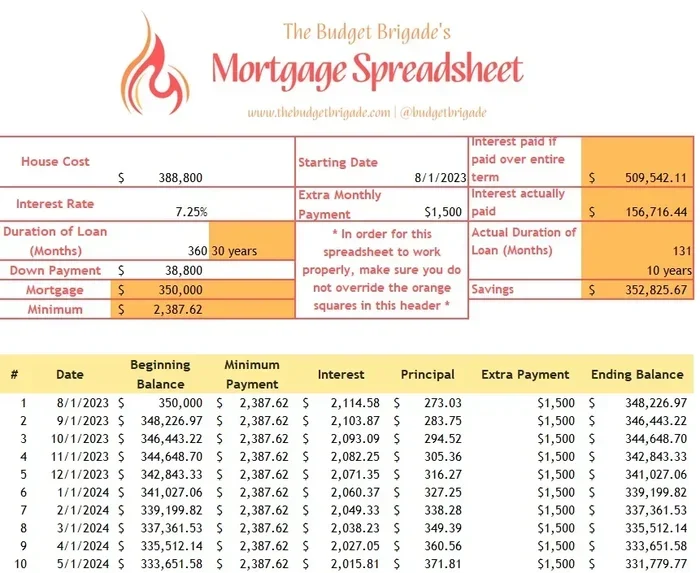
You can also ask for a simple amortization schedule. This shows your payment over time. It helps you see the true cost. You can compare different loan terms. A shorter term often means a higher payment but less interest. A longer term lowers the payment but costs more over time. Choose what fits your 25 percent limit and your budget.
Quick Tips for First-Time Home Buyers
First-time buyers face extra pressure. They want to make a good impression. They want a beautiful home. They also fear missing out. Keep your focus on the numbers. A home is a place to live, not a trophy. Here are a few quick tips:
- Write your max payment on a card. Keep it in your wallet. Pull it out before every viewing.
- Walk through the budget with a friend. A second set of eyes catches mistakes.
- Visit the neighborhood at different times. Traffic and noise affect your daily life.
- Ask about average utility bills. Old windows and poor insulation raise costs.
- Plan for maintenance. Set aside a small amount each month for repairs.
Common Mistakes People Make With the Mortgage Rule
Even smart people make mistakes. The housing market is emotional. It plays on hope and fear. You can protect yourself by knowing the common traps. Once you see them, you can avoid them.
Here are the most common mistakes:
- Using gross income instead of take-home pay: This makes the payment look smaller than it really is.
- Forgetting taxes and insurance: These can add hundreds to the monthly total.
- Chasing the maximum loan approval: Lender approval is not a budgeting tool.
- Ignoring HOA fees: These can change your true housing cost a lot.
- Buying based on future income: Hope is not a plan. Use today’s income.
The Danger of Stretching for a “Better” Neighborhood
It is tempting to stretch for a nicer area. You imagine better schools or higher resale value. Those things matter, but not at the cost of your peace. A neighborhood cannot pay your grocery bill. A nicer zip code cannot fix a broken budget. Choose a place you can afford with room to spare. You can always move up later when your income grows.
This choice also affects your relationships. Money stress leaks into everything. It affects how you talk to your partner. It affects how you sleep. It affects how you enjoy your home. If you want to understand how money stress can touch your personal life, you may find it helpful to read about signs of the spirit of enmity in a relationship. A calm budget supports a calm home.
Comparing Loan Options Side by Side
Different loans change your monthly number. You should compare them before you decide. A table helps you see the differences fast. Use your own numbers, but this example shows the idea:
| Loan Type | Monthly Payment (Example) | Total Interest Over Time | Fit With 25% Rule |
|---|---|---|---|
| 15-Year Fixed | Higher payment, lower interest | Much lower | May be tight if income is modest |
| 30-Year Fixed | Lower payment, higher interest | Higher | Easier to stay under 25% |
| FHA Loan | Can be lower down payment | Varies with mortgage insurance | Check total cost carefully |
This table is simple, but it shows the point. A 30-year loan often fits the 25 percent rule more easily. A 15-year loan saves interest, but the payment is higher. Pick the option that keeps your total housing cost under your limit. Do not choose a loan just because it sounds smart. Choose it because it fits your budget.
How This Rule Supports a Calm, Confident Life
Money rules are not about restriction. They are about freedom. When you follow Dave Ramsey what percent of income for mortgage guidance, you create space. You can breathe. You can plan. You can say yes to good things. You can also say no to pressure. That is a strong place to be.
This mindset matters in every part of life. It helps you make clear choices. It helps you avoid regret. It also helps you stay steady when the market changes. Home values go up and down. Jobs change too. A payment you can afford is a payment you can keep. That stability is worth a lot.
Staying Grounded When Emotions Run High
House hunting can feel emotional. You walk into a bright kitchen. You imagine family dinners. You picture your future. These feelings are normal. They are also dangerous if they override your math. Pause before you fall in love. Check the numbers first. Let the budget lead. Let the emotion follow.
If you ever feel stuck or unsure, take a step back. Talk to someone who keeps you honest. Review your budget again. Remind yourself why you set the limit. You are not trying to buy the most house. You are trying to build a life you can enjoy. That is a very different goal.
Final Thoughts on the 25 Percent Mortgage Rule
The Dave Ramsey what percent of income for mortgage rule is simple, but it is powerful. It tells you to keep your total housing cost at or below 25 percent of your take-home pay. This limit protects your budget. It protects your savings. It protects your peace. It also gives you room to handle life when it gets messy.
Use this rule as your guardrail. Build a budget around it. Save an emergency fund first. Shop with discipline. Say no to pressure. Say yes to stability. When you do, you can enjoy your home without dreading the mail. You can live well today and still plan for tomorrow. That is the real win.
Frequently Asked Questions
What percent of income does Dave Ramsey say should go to a mortgage?
Dave Ramsey recommends that your total mortgage payment stay at or below 25 percent of your monthly take-home pay. This includes principal, interest, taxes, and insurance. The goal is to keep your housing cost low enough to still save and live comfortably.
Does the 25 percent rule include taxes and insurance?
Yes, it should. The rule is about your full monthly housing cost, not just the loan payment. Property taxes and homeowners insurance can add a lot to the bill. Always add them up before you decide what you can afford.
Can I use gross income instead of take-home pay?
You can, but it is not a good idea. Gross income is higher, so it makes the payment look smaller than it really is. Take-home pay reflects what actually hits your bank account. Using real numbers keeps your budget honest.
What if a lender approves me for more than 25 percent?
That approval is a lending limit, not a budgeting rule. Lenders use their own ratios that may allow a higher payment. You should still stick to the 25 percent limit if you want room for savings and surprises. Your comfort matters more than the lender’s number.
How does a bigger down payment help with this rule?
A larger down payment lowers your loan amount. That usually lowers your monthly payment. A lower payment makes it easier to stay under 25 percent of your income. It can also reduce private mortgage insurance and total interest over time.
What if I already have a mortgage that is over 25 percent?
Start by reviewing your full budget. Look for ways to increase income or cut other costs. You may also consider refinancing if it lowers your payment without adding risky terms. If the payment is truly too high, you might think about downsizing to a more affordable home.