

Can a bank switch currency on a mortgage? This question matters when you buy property abroad or earn income in a different money system. Lenders usually keep your loan in one currency, but some banks offer multi-currency products or conversion options. You should always read your contract, ask about exchange fees, and talk to a financial advisor before making big decisions.
Buying a home is exciting. It can also feel confusing when money matters cross borders. Many people ask can a bank switch currency on a mortgage when they move, work overseas, or buy property in another country. The short answer is that it depends on your lender, your loan contract, and the local rules where the property sits.
This topic matters because currency changes can affect your monthly payment, your interest rate, and your long-term budget. A shift in exchange rates can make a loan feel cheaper one month and more expensive the next. If your income is in a different currency than your mortgage, you may face extra risk. That is why it helps to understand how lenders handle currency, what options exist, and what questions you should ask before you sign anything.
In this guide, we will walk through the basics in simple terms. You will learn how mortgages usually work with currency, when a bank may allow a switch, what costs can pop up, and how to protect yourself. We will also share practical tips, common mistakes to avoid, and a few expert insights to help you make a smarter decision.
Key Takeaways
- Primary rule: Most lenders keep your mortgage in a single currency for the full term.
- Conversion options: Some banks allow currency switches, but fees and rate changes often apply.
- Exchange risk: Currency shifts can change your monthly payment and total loan cost.
- Contract terms: Always review your loan agreement for currency clauses and conversion limits.
- Professional help: A mortgage broker or financial advisor can compare international loan options.
- Timing matters: Switching currency at the wrong time may increase your interest burden.
- Alternative paths: Refinancing, forward contracts, and hedging tools may offer safer solutions.
📑 Table of Contents
- How Mortgages and Currency Usually Work
- Can a Bank Switch Currency on a Mortgage?
- What Happens When a Mortgage Currency Changes
- Risks, Fees, and Important Contract Details
- Smart Options If Your Loan Currency Does Not Match Your Life
- Expert Insights and Practical Tips
- Final Thoughts on Mortgage Currency Changes
How Mortgages and Currency Usually Work
Most home loans are simple in one important way: the loan stays in one currency from start to finish. That means if you borrow in dollars, euros, pounds, or another money type, your repayment schedule usually stays in that same currency. Lenders prefer this setup because it keeps billing predictable and reduces confusion for both sides.
When you take out a mortgage, the lender looks at your income, your credit history, the property value, and the risk of the loan. Currency is part of that risk picture. If your income and your loan are in the same currency, the lender sees less uncertainty. If they differ, the lender may charge more or require extra safeguards.
There are a few common situations where currency becomes a bigger issue:
- You work abroad and earn pay in a different currency.
- You buy a home in a country where you do not live full-time.
- You already have savings or assets in another currency.
- You expect your income to change because of a move or a job shift.
In these cases, people often wonder whether the bank can change the loan currency later. The answer is not always yes. Some lenders simply do not allow it. Others may allow it only in specific situations, and often with fees.
Why Lenders Prefer One Currency
Banks like predictability. A single-currency mortgage makes it easier to calculate interest, set payment dates, and manage risk. It also helps the lender avoid sudden losses if exchange rates move sharply. From the bank’s point of view, currency fluctuations can create instability, especially if many borrowers hold loans in a currency that weakens over time.
For borrowers, a single-currency loan can also be easier to understand. You know exactly what money you need each month. You can plan your budget without constantly watching the exchange market. That said, simplicity does not always mean the loan is the best fit for your life, especially if your income or future plans involve another currency.
When Currency Questions Come Up
Currency questions usually appear in a few typical moments. Someone may ask about a switch after relocating for work. Another person may ask after buying a vacation home in a different country. Sometimes a borrower realizes that their paycheck and their mortgage do not match, and they want to reduce the mismatch.
These questions are practical, not just theoretical. If your income comes in one currency and your mortgage sits in another, a bad exchange-rate move can squeeze your budget. That is why it helps to think about currency early, before you sign the loan, instead of waiting until payments feel stressful.
Can a Bank Switch Currency on a Mortgage?
This is the core question, and the answer is: sometimes, but not always. Whether a bank can switch the currency on a mortgage depends on the lender’s policies, the loan contract, and the legal rules in the country where the property is located. Some banks offer multi-currency mortgage products. Others may allow a conversion only through refinancing or a special request.

Visual guide about mortgage currency exchange concept
Image source: as2.ftcdn.net
If a bank does allow a switch, it usually treats it as a serious change to the loan. That means the lender may review your finances again, check the property value, and apply new terms. You might also face administrative fees, conversion costs, or a new interest rate. In other words, a currency switch is not always a simple toggle. It can resemble a partial loan rewrite.
Situations Where a Switch May Be Possible
A currency switch is more likely to come up in these situations:
- The lender offers international or multi-currency mortgage products.
- You refinance the loan with a different bank that supports the currency you want.
- Your contract includes a clause that allows currency conversion under certain conditions.
- The property and the loan are in a market where cross-currency lending is common.
Even in these cases, the bank may not let you switch whenever you want. You may need to show stable income, prove your ability to repay in the new currency, or accept a new rate review. The process can also take time, so patience matters.
When a Switch Is Unlikely
There are also situations where a bank is unlikely to change the currency:
- Your loan agreement clearly states the currency is fixed for the term.
- The lender does not support the currency you want.
- The switch would create too much risk for the bank.
- Local regulations make cross-currency changes difficult.
If your current lender says no, you still may have options. You might refinance, negotiate a new product, or use other tools to manage currency exposure. However, those choices come with their own costs and risks, so it is wise to compare them carefully.
What Happens When a Mortgage Currency Changes
If a bank agrees to switch the currency, several things can happen behind the scenes. The lender may convert the remaining balance at the current exchange rate. They may reset part of the loan terms. They may also adjust how interest is calculated, depending on the new currency and the product rules.
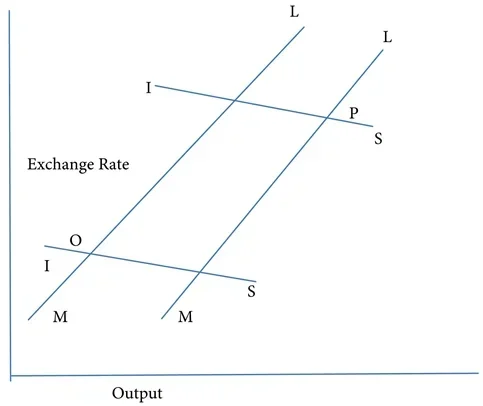
Visual guide about mortgage currency exchange concept
Image source: html.scirp.org
This is where borrowers often underestimate the impact. A currency switch is not only about the label on the loan. It can affect the amount you owe, the payment schedule, and the total cost over time. Even if the new currency feels more convenient, the switch itself may add expenses.
Possible Costs and Adjustments
Here are some common cost factors to watch for:
- Conversion fees: The bank may charge for changing the currency on the loan.
- Exchange rate risk: The rate used for the switch may not match the rate you expected.
- Interest rate changes: The new currency product may carry a different rate.
- Administration charges: Paperwork, processing, and legal review can add cost.
- Early repayment issues: Some loans treat a switch like a modification that triggers penalties.
These costs do not always make a switch a bad idea. Sometimes the change still makes sense if it reduces long-term risk or better matches your income. But you should know the full price before you proceed.
How Payments Can Be Affected
Your monthly payment may change after a currency switch, even if the loan balance stays similar. That happens because interest rates, repayment rules, and currency value all interact. If the new currency strengthens against your income source, your payment may feel heavier. If it weakens, the payment may feel lighter, at least for a while.
This is why people who earn money in a different currency need to be careful. A mortgage that looks affordable today can become stressful if exchange rates move the wrong way. A switch can reduce that mismatch, but it can also introduce new uncertainty if the new currency is volatile.
Risks, Fees, and Important Contract Details
Before you ask can a bank switch currency on a mortgage, it helps to read your loan agreement carefully. The contract may include language about currency, conversion, modification, or early repayment. Some agreements are strict. Others leave room for changes with lender approval.

Visual guide about mortgage currency exchange concept
Image source: images.ctfassets.net
You should also pay attention to the fine print about fees. Banks often charge for changes that affect the structure of the loan. Even small fees can add up if they come with rate changes or repeated administrative steps. If you are not sure what a clause means, ask for a plain explanation before you agree to anything.
Key Contract Terms to Check
Look for these details in your documents:
- The currency in which the loan is issued and repaid.
- Whether the lender allows any modification of currency.
- Any fees tied to conversion, modification, or refinancing.
- Rules about early repayment or penalties.
- Whether the interest rate can change after a switch.
- Any required documentation for income or residency changes.
If you spot anything unclear, do not guess. Ask the lender to explain it in simple words. A mortgage is a long-term commitment, so it is worth taking time to understand the terms now rather than discovering surprises later.
Common Mistakes Borrowers Make
Here are a few mistakes that can create trouble:
- Assuming the bank can switch currency instantly and without cost.
- Ignoring exchange-rate risk because the loan feels manageable today.
- Comparing only the interest rate and forgetting conversion fees.
- Not checking whether income sources match the loan currency.
- Rushing into a switch without reviewing the full contract.
A little caution goes a long way. If you slow down and ask the right questions, you can avoid expensive surprises.
Smart Options If Your Loan Currency Does Not Match Your Life
If your mortgage currency creates stress, you do not have to guess your next move. There are several practical paths to consider. Some borrowers refinance into a loan that better matches their income. Others use planning tools to reduce currency risk without changing the loan itself. The best choice depends on your goals, your timeline, and your comfort with risk.
One useful approach is to compare the total cost of keeping the current loan versus changing it. That comparison should include fees, rates, and the chance that exchange rates move in your favor or against you. It is not just about convenience. It is about the full financial picture.
Alternatives to a Direct Currency Switch
Here are some options people often consider:
- Refinancing: Replace the current loan with a new one in a different currency or product.
- Forward contracts: Lock in an exchange rate for future payments if your lender or broker offers this tool.
- Budget buffering: Keep extra savings in the mortgage currency to reduce payment shock.
- Income matching: If possible, shift part of your income or billing to the mortgage currency.
- Professional advice: Work with a mortgage broker or financial advisor who understands cross-border loans.
Each option has trade-offs. Refinancing may give you a cleaner fit, but it can also reset your loan term or increase costs. Hedging tools may reduce uncertainty, but they can be complex and may not suit every borrower. That is why it helps to compare options instead of choosing the first one that sounds easy.
Questions to Ask Your Lender
If you want to explore a currency change, ask clear questions:
- Can the loan currency be changed, and under what conditions?
- What fees apply to a conversion or modification?
- Will the interest rate change after the switch?
- Will I need a new income review or property valuation?
- Are there better products for someone with income in another currency?
These questions help you see whether the switch is realistic and whether it makes financial sense. A good lender should be able to explain the process without hiding the costs.
Expert Insights and Practical Tips
Experts usually advise borrowers to think about currency risk before they sign a mortgage, not after. If you know your income and your loan currency may differ, it is smart to plan for that gap from the start. That may mean choosing a different loan structure, setting aside a safety buffer, or working with a lender who understands international situations.
Another useful insight is that convenience and cost do not always point in the same direction. A currency switch may feel easier because it matches your paycheck, but it may also come with fees or a less favorable rate. On the other hand, keeping the loan in its original currency may be simpler for the bank but harder for your budget if exchange rates move sharply.
Quick Tips for Managing Currency Risk
Here are some practical habits that can help:
- Track exchange-rate trends if your mortgage and income use different currencies.
- Keep an emergency fund in the mortgage currency if possible.
- Review your loan terms whenever your job, residency, or income changes.
- Compare the full cost of switching, not just the monthly payment.
- Ask for plain-language explanations before you sign any modification.
These small steps can make a big difference over time. Currency risk is real, but it does not have to catch you off guard if you stay informed and plan ahead.
Final Thoughts on Mortgage Currency Changes
So, can a bank switch currency on a mortgage? In many cases, the answer is careful and conditional. Some banks can do it, some cannot, and some will only allow it through refinancing or with extra costs. The safest path is to read your loan agreement, ask direct questions, and compare the full impact before making a move.
If your mortgage currency does not match your income or your future plans, you have options. You may be able to switch, refinance, or use planning tools to reduce risk. The right choice depends on your situation, your timeline, and how much currency exposure you are willing to carry. Take your time, look at the numbers, and get professional help if the details feel complex.
Frequently Asked Questions
Can a bank switch currency on a mortgage without my permission?
Usually no. A bank generally cannot change the currency on your mortgage without your consent unless your contract specifically allows it. Always review your loan agreement and ask the lender for written details before assuming a change is allowed.
Will switching mortgage currency affect my interest rate?
It often can. A currency switch may come with a new rate, new terms, or a revised repayment structure. You should ask the lender whether the interest rate will stay the same or change after the conversion.
Is it better to keep a mortgage in one currency or match my income currency?
It depends on your situation. Matching currencies can reduce exchange risk, but a single-currency loan may be simpler and cheaper in some cases. Compare fees, rates, and your income stability before deciding.
Can I refinance to change the currency of my mortgage?
Sometimes yes. Refinancing may let you move the loan into a different currency if the new lender supports it. Keep in mind that refinancing can also reset your term and add new costs.
What fees should I expect if a bank allows a currency switch?
Fees can include conversion charges, administrative costs, valuation fees, and possible early repayment penalties. The exact amount depends on the lender and the loan terms, so ask for a full breakdown before proceeding.
Should I get professional advice before changing my mortgage currency?
Yes, that is usually a smart idea. A mortgage broker or financial advisor can help you compare options, understand currency risk, and avoid costly mistakes. This is especially helpful if your income or property is in a different country.
