
Owning a home is a big dream for many people. But the money part can feel confusing. You might ask, do you pay mortgage on a house you own? The answer depends on how you bought the home. If you took out a loan, then yes, you make monthly payments. If you paid cash, then you do not have a mortgage. This guide will help you understand the costs of owning a home. You will learn about loans, payments, and other bills too.
This is a comprehensive guide about Do You Pay Mortgage On A House You Own.
Visual guide about mortgage payment on house
Image source: wsp-blog-images.s3.amazonaws.com
Visual guide about mortgage payment on house
Image source: property.amalankomputer.com
Visual guide about mortgage payment on house
Image source: omegabuilders.com
Key Takeaways
- Mortgage payments are required if you finance your home with a loan from a bank.
- Cash buyers own free and clear, meaning no monthly mortgage payments are needed.
- Property taxes and insurance are extra costs even if you own the house outright.
- Equity builds over time as you pay down the loan balance on your mortgage.
- Refinancing can change your monthly payment amount and interest rate.
- Missing payments risks foreclosure, so budget carefully for your housing costs.
- Owning a home involves more than just the purchase price or loan payment.
[FEATURED_IMAGE_PLACEHOLDER]
Understanding the Question: Do You Pay Mortgage on a House You Own
Many people dream of having their own place. It feels good to say you own a home. But the money side of things can be tricky. You might wonder about the bills. One big question is about the mortgage. So, do you pay mortgage on a house you own? The short answer is maybe. It really depends on how you got the house.
If you borrowed money to buy it, then you have a mortgage. You must pay that loan back every month. If you paid all cash, you own it free and clear. In that case, there is no mortgage payment. But there are still other costs. You need to know the full picture before you buy.
This topic matters for your budget. Housing is usually the biggest expense in a family’s life. Knowing what you owe helps you plan better. It reduces stress too. You can sleep better at night when you know your numbers. Let’s dig deeper into how this works.
Defining What a Mortgage Actually Is
A mortgage is just a loan for a house. It is not the house itself. You can own a house without a loan. But many people need help to buy one. Homes cost a lot of money. Most folks do not have all that cash saved up.
The bank lends you the money. You promise to pay it back over time. Usually, this takes 15 or 30 years. Each month, you send a payment to the lender. This payment covers the loan balance. It also covers interest. Interest is the fee for borrowing the money.
So, when people say mortgage, they mean the loan payment. If you have the loan, you pay the bill. If you do not have the loan, you do not pay the bill. It is that simple. But remember, owning the house is different than owing money on it.
Cash Buyers Versus Loan Buyers
There are two main ways to buy a home. You can pay cash or get a loan. Each path has pros and cons. Paying cash means no debt. You do not worry about monthly loan payments. You also save money on interest over time.
But paying cash ties up a lot of money. You might not have cash left for repairs. Getting a loan lets you keep some savings. You can use that money for other things. You also build credit by paying on time.
Whether you pay a mortgage depends on this choice. If you choose the loan path, the answer is yes. You will pay a mortgage every month. If you choose cash, the answer is no. But you still have taxes and insurance. We will talk about those soon.
The Reality of Monthly Payments for Homeowners
When you own a home, you have bills. These bills come every month. Some are for the loan. Some are for the government. Some are for protection. You need to budget for all of them.
Many new owners forget the extra costs. They think the mortgage is the only bill. Then they get surprised when other bills arrive. It is smart to know all costs upfront. This helps you avoid money trouble later.
So, do you pay mortgage on a house you own? If you have a loan, that is part of the monthly stack. But it is not the whole stack. You need to look at the total cost of ownership.
Principal and Interest Breakdown
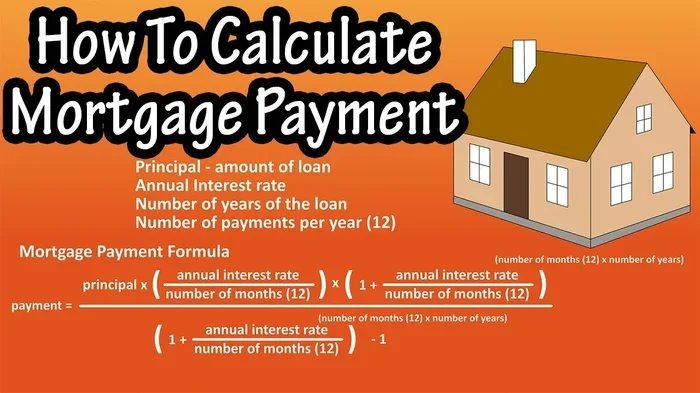
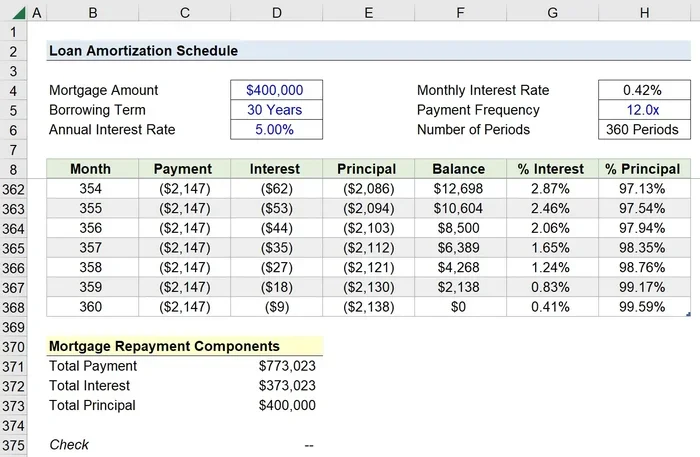
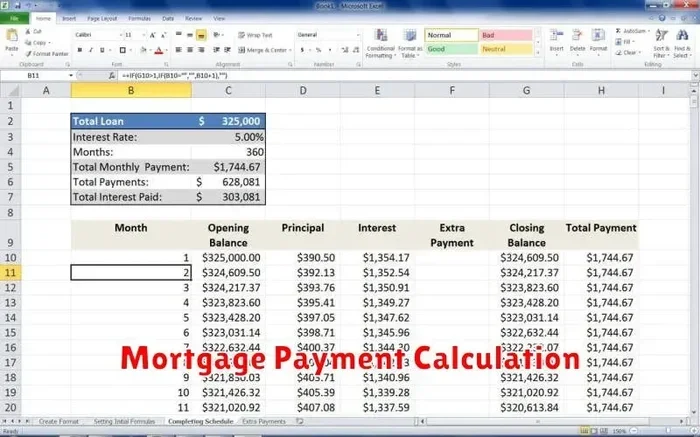
Your mortgage payment has two main parts. The first part is principal. This pays down the loan balance. The second part is interest. This is the cost of borrowing.
In the beginning, most of your payment goes to interest. Later, more goes to principal. This is how amortization works. It takes time to build equity. Equity is the part of the home you truly own.
You can pay extra to speed this up. Extra payments go toward the principal. This lowers your total interest costs. It helps you own the home faster. But check with your lender first. Some loans have rules about extra payments.
Escrow Accounts for Taxes and Insurance
Many lenders want you to have an escrow account. This is a savings account held by the bank. You put money in it every month. The bank uses it to pay your taxes and insurance.
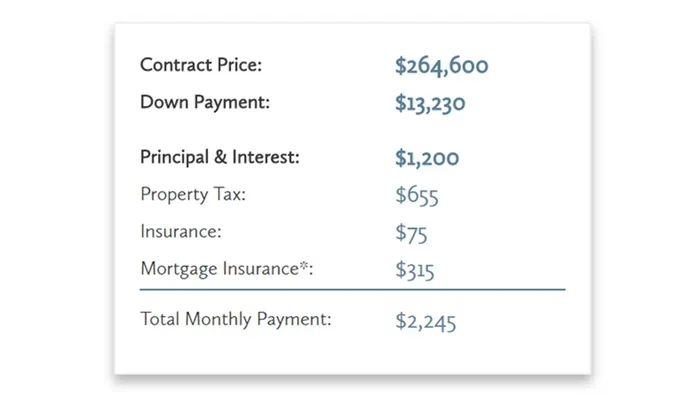
This makes things easier for you. You do not have to save separately for these big bills. The bank handles it for you. Your monthly payment includes these costs. So your payment might be higher than just the loan part.
Property taxes go to your local government. They pay for schools and roads. Homeowners insurance protects your property. It covers damage from fire or storms. Both are very important costs to consider.
What Happens If You Own a House Outright
Some people are lucky enough to buy without a loan. Maybe they saved for years. Maybe they inherited the money. If you own outright, you have no mortgage. You do not send a payment to a bank.
This feels very freeing. You do not worry about interest rates. You do not worry about loan terms. But you still have responsibilities. The house still needs care. The government still wants taxes.
So, do you pay mortgage on a house you own in this case? No. But you pay other things. You should not ignore those costs. They can be quite high too.
Property Taxes Still Apply
Property taxes are a big deal. Every town or county charges them. The amount depends on your home value. It also depends on local rates. These taxes usually come once a year.
Some people pay them directly. Others pay through an escrow account. If you have no mortgage, you pay directly. You need to save for this bill. It can be thousands of dollars per year.
If you do not pay taxes, you can lose the home. The government can put a lien on it. So even without a mortgage, taxes are mandatory. You must plan for this expense.
Maintenance and Repair Costs
Homes break down over time. Roofs leak. Furnaces stop working. Pipes burst. You are the boss now. No landlord will fix these things for you.
You need an emergency fund for repairs. Experts say save one percent of the home value each year. This helps cover big fixes. It prevents stress when things go wrong.
You also need to pay for upkeep. This includes lawn care or painting. These costs add up quickly. Owning outright saves loan payments. But it does not save maintenance costs.
Understanding Equity and Ownership Stakes
Equity is a key word in home owning. It means the value you truly own. If your home is worth 300,000 dollars and you owe 200,000, you have 100,000 in equity. This grows as you pay the loan.
Building equity is a big benefit. It acts like forced savings. You can use this money later. You might sell the home or borrow against it. But you only build equity if you pay down the debt.
If you own outright, you have 100 percent equity. You own the whole thing. If you have a mortgage, you own a piece. The bank owns the rest until you pay it off.
Building Wealth Through Home Equity
Home equity can help your wealth. As the home value goes up, your equity grows. This happens even if you do not pay extra. Market changes affect home values.
You can tap into equity later. Some people get cash out refinances. Others get home equity lines of credit. This lets you borrow against your ownership. But be careful with more debt.
Paying your mortgage builds this stake. Every payment buys a bit more ownership. This is why people say buy a home. It is an investment in your future. But it takes time to see the growth.
Risks of Negative Equity
Sometimes home values drop. You might owe more than the home is worth. This is called being underwater. It is hard to sell then. You would lose money if you sell.
This risk exists with mortgages. If you own cash, you have no loan risk. But you still have market risk. The home value could go down. However, you do not face foreclosure from a bank.
Keeping payments current avoids this risk. Do not borrow more than you can pay. Buy a home you can afford. This keeps your equity safe and growing.
Additional Costs Beyond the Mortgage Payment
The mortgage is just one piece. You need to look at the whole pie. There are many other costs. Some are one-time costs. Some are ongoing costs.
Closing costs happen when you buy. These include fees for paperwork. They can be thousands of dollars. You pay this at the start. Then you have monthly bills.
Utilities are another big cost. Water, electric, and gas add up. In a rental, some are included. In a home, you pay all of them. This can be a shock for new owners.
HOA Fees and Community Costs
Some homes are in associations. These are called HOAs. They charge monthly or yearly fees. This money pays for common areas. It might cover trash or pools.
You must pay these fees if you join. They can be quite high in some places. Check for HOAs before you buy. You do not want surprise bills. These are extra costs on top of your mortgage.
HOA fees can also rise over time. The board decides the budget. You have to pay what they charge. This is another rule to follow. It is like a small government for the neighborhood.
Utility Bills and Service Charges
When you rent, landlords often pay water. Or they include it in rent. When you own, you pay everything. You need to call the companies. You need to set up accounts.
Internet and cable are also your cost. Trash pickup might be a separate bill. Sewer fees can be high too. All these small bills add up. They make the monthly cost higher.
Budget for these utilities early. Look at past bills if you can. Ask the seller for averages. This helps you know the true cost. Do not just look at the mortgage payment.
Making the Right Choice for Your Financial Future
Deciding to buy is a big step. You need to look at your money. Can you afford the down payment? Can you afford the monthly bills? You need to be sure.
Renting might be better for now. It offers more flexibility. You can move easier. You do not fix broken things. But owning builds equity. It gives you stability.
Ask yourself hard questions. Do you plan to stay long? Do you have savings for repairs? If yes, buying might be good. If no, wait a bit. There is no rush to buy.
When to Consider Refinancing Your Loan
Sometimes rates drop lower. You might want to change your loan. This is called refinancing. It can lower your monthly payment. It can also change the loan term.
Refinancing costs money too. You pay closing costs again. You need to calculate the savings. Make sure it is worth it. Do not refinance just for cash out.
Talk to a lender about options. They can show you the numbers. You might save money over time. This helps you own the home faster. It is a tool for smart owners.
Long-Term Financial Planning for Homeowners
Think about the next ten years. Will your income stay steady? Will you have kids? Will you retire? Your home fits into this plan.
Keep an emergency fund handy. Do not spend all your savings on the down payment. You need cash for life events. Home owning is a long journey. Plan for the bumps in the road.
Review your budget every year. Check your insurance rates. Check your tax bills. Make sure you are still comfortable. Adjust your spending if needed. This keeps you secure in your home.
Conclusion
Owning a home is a wonderful goal. It gives you space and stability. But the money part needs care. You asked, do you pay mortgage on a house you own? The answer depends on your loan. If you borrowed money, you pay every month. If you paid cash, you do not.
Either way, you have other costs. Taxes, insurance, and repairs are real. You must budget for all of them. Do not let the mortgage fool you. Look at the total cost of living there.
Make a plan that fits your life. Save for emergencies. Pay your bills on time. This protects your investment. Your home should bring peace, not stress. With the right knowledge, you can enjoy your ownership fully.
Frequently Asked Questions
Is it better to pay cash or get a mortgage?
It depends on your savings and goals. Paying cash avoids interest and debt. A mortgage lets you keep cash for other investments. Both options have valid benefits for different people.
Can I stop paying my mortgage if I own the house?
You only stop if you paid the loan in full. Until the balance is zero, you must pay. The bank holds the title until you finish paying.
What happens if I miss a mortgage payment?
You will get a late fee first. If you miss many, the lender can foreclose. This means they take the house away. Always contact your lender if you struggle.
Do I pay property taxes if I own outright?
Yes, property taxes are required by law. Owning the home free and clear does not exempt you. You must pay these taxes to keep the home.
How much of my income should go to housing?
Experts suggest keeping it under thirty percent. This includes mortgage, taxes, and insurance. Going higher can strain your budget too much.
Can I pay off my mortgage early?
Yes, most loans allow extra payments. This reduces your total interest cost. Check your loan terms for any prepayment penalties first.
Frequently Asked Questions
What is Do You Pay Mortgage On A House You Own?
Do You Pay Mortgage On A House You Own is an important topic with many practical applications.