

Divorce brings many changes, but your Navy Federal account does not have to disappear. You can often keep your account after divorce if you follow the right steps to separate joint finances and update account holders. Understanding your options helps you protect your credit and manage money with confidence. This guide explains what to do, what to expect, and how to move forward with clarity.
Divorce changes many parts of life, and money often sits at the top of that list. When you share a bank account with your spouse, the question of what happens next can feel confusing. You may wonder whether you can keep your Navy Federal account after divorce or if you must close it and start over. The good news is that you usually have options. The right path depends on how the account is set up, what your divorce agreement says, and how you want to handle your finances going forward.
Money stress can make an already hard situation feel heavier. That is why it helps to understand your choices before you make big moves. Some couples separate a joint account into two individual accounts. Others close the shared account and open new ones. In some cases, one person keeps the existing account and the other person opens a new one. Each option has pros and cons, and the best choice depends on your goals, your credit, and your comfort level.
This guide walks you through the basics of handling a Navy Federal account during and after divorce. You will learn how account types matter, what steps to take, and how to protect your financial future. If you want extra support, you can also explore helpful relationship and money resources from trusted sources, such as advice for when a partner seems distant or tips for working on a marriage when one person feels checked out. Those broader relationship insights can be useful while you sort out the financial side of things.
Key Takeaways
- Account ownership matters: Know whether your Navy Federal account is joint or individual before making changes.
- Separation is possible: You can often split a joint account into separate accounts after divorce.
- Update signers early: Removing an ex-spouse from account access helps protect your finances.
- Credit impact is real: Joint accounts can affect both credit scores, so closing or separating them matters.
- Documentation helps: Keep divorce papers, court orders, and bank records organized during the process.
- Communication counts: Clear talks with your ex about money reduce stress and mistakes.
- Professional guidance helps: A financial advisor or attorney can clarify your best options.
📑 Table of Contents
- Understanding Your Navy Federal Account After Divorce
- Can You Keep a Joint Navy Federal Account After Divorce
- Steps to Take Before Changing Your Account
- How to Separate or Update a Navy Federal Account
- Protecting Your Credit and Financial Future
- When to Get Professional Help
- Final Thoughts on Keeping Your Navy Federal Account After Divorce
Understanding Your Navy Federal Account After Divorce
The first step is to understand what kind of account you have. A joint account usually means both people have access and responsibility. That can make things simple while you are married, but it can also create complications after divorce. If the account is in your name only, the process may be simpler because you already control it. If it is a joint account, both names are tied to the same money and the same account history.
It helps to look at a few key details before you decide what to do. Check who is listed as an owner or signer. Review whether the account is a checking account, savings account, or another type of product. Look at any automatic payments, direct deposits, or linked services that may need updates. These small details can have a big impact if they are overlooked.
Here are some common account situations you may see:
- Joint account with both spouses listed
- Individual account in one spouse name
- Joint account with one spouse as primary owner
- Account linked to shared bills or automatic payments
If you are unsure about the exact setup, contact the credit union or review your account documents. Clarity at the start can save time later. It also helps you avoid mistakes that could affect your money or your credit.
Joint Accounts and Shared Responsibility
Joint accounts often feel convenient because both people can use them. But that convenience also means shared responsibility. If both names are on the account, both people may be connected to the account activity. That can matter during divorce because money in the account may be considered shared property, depending on your situation and local rules.
This does not automatically mean you must close the account. It does mean you should think carefully about how to divide the money and how to handle future access. If you keep a joint account open without a clear plan, confusion can follow. One person may spend from the account, and the other person may not know. That can create tension and financial risk.
Individual Accounts and Simpler Transitions
If one spouse already has an individual account, the transition may be easier. That account may not need major changes unless it is tied to joint expenses. Still, it is smart to review any automatic transactions and make sure everything aligns with your post-divorce budget. Even when an account is technically yours, shared financial habits can make separation more complicated than expected.
In many cases, people keep their individual accounts and only adjust the shared ones. That can be a practical way to reduce disruption. It also lets you keep your account history intact, which may be helpful for your banking relationship and credit profile.
Can You Keep a Joint Navy Federal Account After Divorce
This is one of the most common questions people ask. The short answer is that it depends on your goals and the rules that apply to your account. Some couples agree to keep a joint account open for a short time to handle shared bills or a home sale. Others separate everything as soon as possible to avoid future conflict. Both approaches can work, but each one needs a clear agreement.
Visual guide about divorce financial paperwork discussion
Image source: howgetdivorce.com
If you want to keep the account, you should define how it will be used. Who can deposit money? Who can withdraw money? How will you track balances? What happens if one person wants to close the account later? Answering these questions in writing can prevent misunderstandings. A divorce agreement or separation plan may also include instructions about shared accounts, so it is worth reviewing that document carefully.
If keeping the joint account feels risky, separating it may be the better choice. That usually means dividing the balance and opening separate accounts for each person. This approach can create a cleaner break and reduce the chance of future money disputes. It may feel like more work upfront, but it often brings peace of mind.
When Keeping the Account Might Make Sense
There are a few situations where keeping a joint account for a while may be practical. For example, you may still be selling a home, paying a shared bill, or managing a transition that requires both people to access the same funds. In those cases, a joint account can act as a temporary tool rather than a long-term arrangement.
Even then, it helps to set limits. You might agree on a freeze date, a spending limit, or a final division date. The goal is to make the arrangement temporary and predictable. That way, the account serves a clear purpose instead of becoming a source of stress.
When Separation Is the Safer Choice
Separation is often the safer choice when trust has broken down or when money disputes are already happening. If you worry about unauthorized spending, mixed finances, or ongoing conflict, closing or splitting the account can protect you. It also creates a clearer financial boundary after divorce.
Another reason to separate is credit and identity protection. Joint accounts can sometimes affect both people if payments are missed or balances are mismanaged. By separating accounts, you reduce the chance that one person financial choices will affect the other. That can be especially important if you want to rebuild your financial life on your own.
Steps to Take Before Changing Your Account
Before you close, split, or rename an account, take a few practical steps. A little planning can prevent headaches later. Start by gathering information and making a simple checklist. That way, you can move forward in an organized way instead of rushing through the process.
Visual guide about divorce financial paperwork discussion
Image source: howgetdivorce.com
Here is a helpful order of operations:
- Review the account details, including owners, signers, and linked services
- Check the current balance and recent transactions
- List automatic payments and deposits tied to the account
- Read your divorce or separation agreement for any money instructions
- Decide on your goal, such as keeping, splitting, or closing the account
- Contact the credit union to ask about the process and requirements
This preparation matters because accounts are often connected to other parts of your financial life. A direct deposit may need a new destination. A bill pay setup may need an update. A debit card or online access may need changes too. Handling those details early can keep your money moving smoothly.
Reviewing Automatic Payments and Deposits
Many people forget about automatic transactions until something goes wrong. If your joint account is paying for utilities, insurance, loans, or subscriptions, those payments may need a new home. The same is true for direct deposits, transfers, or recurring savings moves. Make a list so you do not miss anything important.
Once you know what is connected to the account, you can plan the transition. For example, you may want to switch payments to a new account before closing the old one. You may also want to keep a small buffer in the account for a short time to avoid missed payments. A careful review can save you from late fees and service interruptions.
Checking Your Divorce Agreement for Money Clauses
Your divorce agreement may include specific instructions about bank accounts, shared funds, or financial separation. Those clauses can guide your next steps. If the agreement says one person should receive a certain amount from a joint account, that should be handled clearly and documented well.
If you are unsure what the agreement means, ask a qualified professional. A lawyer or financial advisor can help you interpret the language and avoid missteps. Even when the agreement seems straightforward, it is still smart to double-check before making changes that affect shared money.
How to Separate or Update a Navy Federal Account
Once you know your goal, the next step is to follow the right process. If you want to remove a spouse from a joint account, the credit union will usually have a procedure for that. If you want to split the funds and open a new account, you will need to coordinate the transfer carefully. The exact steps can vary, so it is best to ask the institution directly.
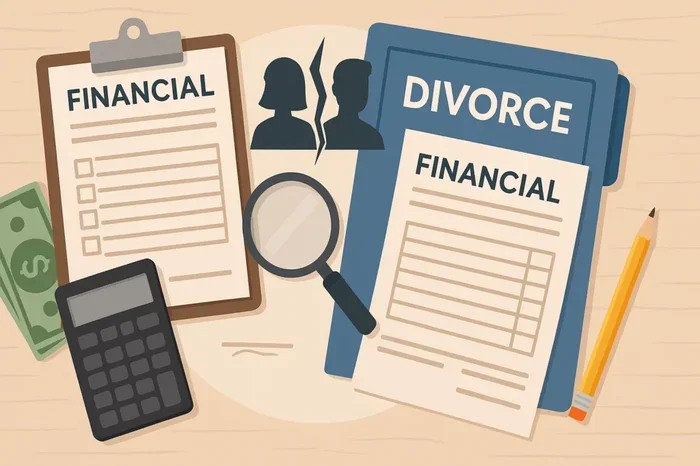
Visual guide about divorce financial paperwork discussion
Image source: gibblawfirm.com
In general, the process may include identity verification, account documentation, and a clear plan for the money. If both spouses agree, the transition can be smoother. If there is disagreement, you may need more structure and possibly legal guidance. Either way, keep records of every step you take.
Removing a Spouse From Account Access
If one person will keep the account, removing the other person access is often the first priority. This may involve updating signers, changing login credentials, or adjusting account permissions. The goal is to make sure only the intended person can access the funds going forward.
This step is important for security and clarity. It helps prevent accidental transactions and reduces confusion. It also supports a cleaner financial separation, which many people want after divorce. If you are not sure what changes are possible, ask the credit union what options they offer.
Splitting Funds and Opening New Accounts
If you decide to separate the money, divide the balance in a way that matches your agreement. That may mean an even split, a negotiated amount, or a transfer that reflects specific financial terms. After the division, each person can open or use their own account for future transactions.
When opening a new account, think about what you need most. You may want a simple checking account for bills, a savings account for emergencies, or both. It can also help to choose a bank or credit union that fits your habits and goals. A fresh start can be a good opportunity to build a system that works better for you.
Protecting Your Credit and Financial Future
Bank accounts and credit are not the same thing, but they can still influence each other in practical ways. Joint financial responsibilities, shared bills, and linked accounts may affect your overall money picture. That is why it helps to think beyond the account itself and look at the bigger financial picture.
After divorce, many people want a clean break and a clear path forward. That may mean separating accounts, updating your budget, and checking that your financial records reflect your new situation. It can also mean reviewing any shared debts or obligations that may still be connected to both spouses.
A few smart habits can help you stay protected:
- Monitor your accounts regularly for unfamiliar activity
- Update passwords and security settings after changes
- Keep copies of important documents, including divorce papers and bank records
- Track shared obligations so nothing gets missed
- Build a personal budget that reflects your new income and expenses
Avoiding Common Money Mistakes
One common mistake is assuming that divorce automatically separates every financial tie. That is not always true. Some accounts, bills, or obligations may still need attention. Another mistake is moving money too quickly without checking balances, automatic payments, or legal instructions. That can create avoidable problems.
It also helps to avoid emotional decisions when possible. Divorce is stressful, and money can bring up strong feelings. Still, a calm and organized approach usually leads to better outcomes. If you need support, lean on trusted professionals or helpful resources, such as guidance on telling a spouse you want to separate or perspectives on dealing with constant criticism at home. Those topics may not seem directly related to banking, but they can reflect the kind of relationship strain that often surrounds money decisions.
Building a New Financial Routine
Once your account situation is settled, focus on building a routine that supports your next chapter. That may include setting up bill reminders, creating a savings habit, or reviewing your spending each month. Small habits add up, and they can make your new financial life feel steadier.
You may also want to revisit your larger goals. Maybe you want an emergency fund, a retirement plan, or a simpler money system. Divorce can be a turning point, and it can open the door to healthier financial habits. The key is to start with clear steps and build from there.
When to Get Professional Help
Some account separations are simple. Others are more complicated, especially when there are disputes, large balances, or mixed financial responsibilities. If you feel unsure, professional help can make the process clearer. You do not have to figure everything out alone.
A lawyer can help if your divorce agreement includes money terms that need enforcement or interpretation. A financial advisor can help you plan the split, update your budget, and think through your next steps. Even a short consultation can give you confidence and help you avoid costly mistakes.
If relationship tension is making the financial process harder, it may also help to look at the bigger picture. Sometimes money stress is tied to deeper communication problems. In those cases, resources like ways to stop unhealthy communication patterns or support for feeling insecure in a relationship can offer useful context. Those articles are not a substitute for professional advice, but they can help you think through what is happening and what you need next.
Choosing the Right Support
The best support depends on your situation. If your main concern is account procedure, the credit union may answer many of your questions. If your concern is legal or financial planning, a qualified professional may be a better fit. Try to match the help you choose to the problem you are facing.
It can also help to ask clear questions. For example, ask what documents are needed, what timeline to expect, and what could delay the process. The more specific your questions, the more useful the answers will be. That can make the whole experience feel less overwhelming.
Final Thoughts on Keeping Your Navy Federal Account After Divorce
So, can you keep your Navy Federal account after divorce? In many cases, yes, but the best choice depends on your account type, your agreement, and your comfort level. A joint account may be kept for a short time if both people agree on clear rules. It may also be separated or closed if a cleaner break makes more sense. The key is to make a thoughtful decision instead of rushing through the process.
Take time to review your account, update access, and handle any automatic payments or shared obligations. Keep your records organized and communicate clearly if you are working with an ex-spouse. If the situation feels complicated, do not hesitate to ask for help. Divorce is a major life change, and your finances deserve careful attention.
With the right steps, you can move forward with more control and less stress. Whether you keep your account, split it, or open a new one, what matters most is that your money setup supports the life you are building now.
Frequently Asked Questions
Can I keep my Navy Federal account after divorce if it is joint?
Yes, you may be able to keep a joint account after divorce, but it depends on your agreement and the credit union rules. Many people choose to split or close the account to create a cleaner financial separation.
Do I need my ex-spouse permission to remove them from a joint account?
It often depends on the account setup and the institution policies. If both people are owners, the credit union may require consent or specific documentation before removing a name.
What happens to the money in a joint account during divorce?
The money is usually divided according to your divorce agreement or separation plan. If you are unsure how to handle it, review your legal documents and ask a professional for guidance.
Should I close my joint Navy Federal account after divorce?
Not always. Closing makes sense if you want a clean break, but some couples keep the account temporarily for shared expenses. The best choice depends on your trust level, bills, and financial goals.
How do I protect my credit during the divorce process?
Review joint accounts, update access, and make sure shared bills are paid on time. It also helps to separate finances clearly and monitor your accounts for any unusual activity.
Who can help me decide what to do with my account after divorce?
A lawyer, financial advisor, or the credit union itself can help you understand your options. If relationship stress is affecting your decisions, supportive resources can also help you think clearly about your next steps.
