
Understanding a partner’s financial obligations matters when building a serious relationship. If you want to find out how much someone owes on their mortgage, you need to balance curiosity with respect for privacy. This guide walks you through legal methods, conversation strategies, and relationship considerations so you can make informed decisions without crossing boundaries. Financial transparency builds trust, but how you approach the topic shapes your connection.
Key Takeaways
- Respect privacy first: Financial information is personal, and pushing too hard can damage trust in a relationship.
- Use public records legally: County recorder offices and online property databases often show mortgage details for free.
- Talk openly and kindly: A honest conversation about debt and home ownership strengthens relationship foundations.
- Understand loan types: Different mortgages affect equity, payments, and financial stability in unique ways.
- Watch for red flags: Hiding debt or refusing basic financial transparency may signal deeper relationship issues.
- Consider timing: Bring up money matters when the relationship reaches a natural stage of commitment.
- Seek professional help if needed: Financial advisors or counselors can guide couples through money discussions.
[FEATURED_IMAGE_PLACEHOLDER]
📑 Table of Contents
- Understanding Why Mortgage Debt Matters in Relationships
- Legal and Ethical Ways to Check Mortgage Information
- How to Start a Respectful Money Conversation
- Understanding Different Mortgage Types and Balances
- Red Flags and Green Flags in Financial Transparency
- When and How to Seek Professional Guidance
- Practical Steps to Move Forward Together
- Common Mistakes When Discussing Mortgage Debt
- Expert Insights on Financial Transparency in Relationships
- Key Takeaways for Navigating Mortgage Conversations
Understanding Why Mortgage Debt Matters in Relationships
Money talks can feel awkward. But when you care about someone, knowing their financial picture helps you both plan ahead. A mortgage is often the largest debt a person carries. It shapes monthly budgets, future goals, and even stress levels. When you find out how much someone owes on their mortgage, you gain clarity about their financial health. This knowledge matters before merging lives, buying property together, or making long-term commitments.
Many people hide debt out of shame or fear. Others simply never think to share it. Either way, silence can create problems later. You do not need to become a financial detective. You just need a thoughtful approach. This article shows you how to gather information respectfully while strengthening your bond.
The Connection Between Debt and Relationship Trust
Trust grows when people share honestly. Financial secrets often cause breakups. A mortgage balance affects how much flexibility someone has. It also influences their ability to handle emergencies. When you understand their debt, you can discuss goals like saving, investing, or moving. Open money talks reduce surprises and build teamwork.
Why People Avoid Sharing Financial Details
Some folks feel embarrassed about their debt. Others worry their partner will judge them. A few simply do not know their exact balance. These reasons are common. Your job is to create a safe space for honesty. When you approach the topic gently, people open up faster.
Legal and Ethical Ways to Check Mortgage Information
Visual guide about home mortgage paperwork and calculator
Image source: vertex42.com
You can find out how much someone owes on their mortgage through public channels without breaking rules. Property records are usually open to the public. County offices track liens, deeds, and loan details. Many counties now offer online search tools. You just need the person’s name or property address.
Keep in mind that public records show loan amounts, not always current balances. Some databases list the original mortgage size. Others show recent transfers or refinances. You may need to combine records with a conversation to get the full picture. Always use this information responsibly. Snooping through private documents without permission crosses a line.
Searching County Recorder and Assessor Websites
Most local governments publish property data online. Start by visiting your county’s official website. Look for sections labeled “property search,” “recorder,” or “assessor.” Enter the address or owner name. You may see recorded mortgages, lien amounts, and filing dates. These records help you understand the scale of the debt.
Using Third-Party Real Estate Data Tools
Several websites aggregate public property data. Some offer free basic lookups. Others charge small fees for detailed reports. These tools can show estimated loan amounts, property values, and ownership history. Remember that estimates are not exact. They give you a starting point, not a final number.
How to Start a Respectful Money Conversation

Visual guide about home mortgage paperwork and calculator
Image source: c8.alamy.com
Talking about debt does not have to feel like an interrogation. Frame the discussion around shared future plans. Say something like, “I’ve been thinking about our goals, and I’d love to understand where we both stand financially.” This approach feels supportive, not suspicious. You want to find out how much someone owes on their mortgage while keeping the relationship warm.
Choose a calm moment. Avoid bringing up money during arguments or stressful days. Listen more than you speak. Let them explain their situation in their own words. Show appreciation for their honesty. When people feel judged, they shut down. When they feel heard, they share more.
Questions That Encourage Openness
Use open-ended questions. Try asking, “How do you feel about your current mortgage?” or “What are your goals for paying it down?” These prompts invite reflection. They also reveal attitudes toward debt. You learn about their financial habits, not just numbers.
What to Avoid During the Discussion
Do not demand immediate answers. Do not compare their debt to someone else’s. Avoid making threats or ultimatums. These tactics create defensiveness. Keep the tone collaborative. You are building understanding, not winning a debate.
Understanding Different Mortgage Types and Balances
Visual guide about home mortgage paperwork and calculator
Image source: xlsxtemplates.com
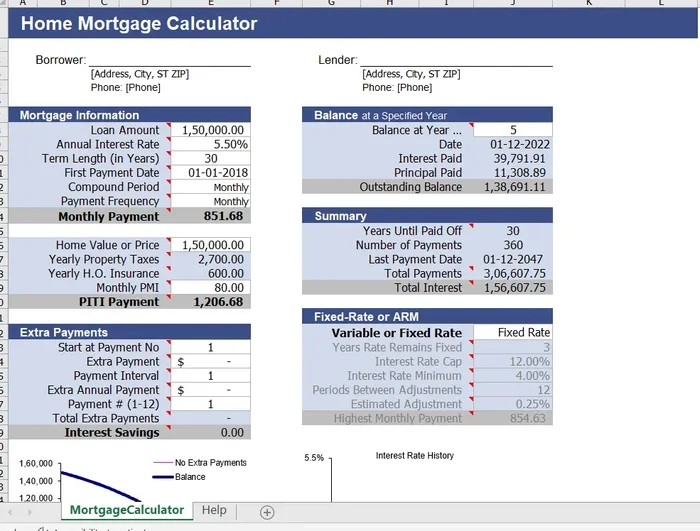
Not all mortgages work the same way. A fixed-rate loan keeps the same payment over time. An adjustable-rate mortgage can change after a set period. Some people carry second mortgages or home equity lines of credit. These add to the total debt. When you find out how much someone owes on their mortgage, ask which types they have. The structure affects monthly costs and long-term planning.
Amortization also matters. Early payments cover more interest than principal. Later payments reduce the balance faster. Two people with the same loan amount can have very different payoff timelines. Understanding these details helps you read the numbers correctly.
Fixed-Rate vs. Adjustable-Rate Mortgages
Fixed-rate loans offer stability. Payments stay predictable. Adjustable-rate loans may start lower but can rise later. This difference changes how someone manages their budget. Ask which type they hold. It tells you about their risk tolerance and payment consistency.
Second Mortgages and Home Equity Lines
Some homeowners tap into equity for renovations or debt consolidation. These extra loans increase total obligations. They also affect available equity. If someone owes on multiple property loans, their financial picture is more complex. Make sure you understand the full stack of debt.
Red Flags and Green Flags in Financial Transparency
How someone handles money questions reveals a lot about their character. Willingness to share basic details usually signals maturity. Secrecy, deflection, or anger may point to deeper issues. You do not need to find out how much someone owes on their mortgage through hidden methods if they refuse to talk. Their reaction matters as much as the number itself.
Green flags include steady payment history, clear explanations, and shared planning. Red flags include missing documents, vague answers, or pressure to avoid the topic. Trust your instincts. Financial honesty is a cornerstone of healthy partnerships.
Signs of Healthy Financial Communication
A partner who tracks their loans, discusses budgets, and welcomes questions shows maturity. They may not know every detail instantly, but they try. They respect your need for clarity. This attitude builds long-term security.
Warning Signs to Watch For
Avoid brushing off concerns. Watch for evasive language, sudden topic changes, or hostility. These behaviors can mask larger problems. If someone hides debt repeatedly, consider whether the relationship can thrive without transparency.
When and How to Seek Professional Guidance
Sometimes money talks get complicated. Large debt, multiple properties, or conflicting goals may require outside help. A financial planner can explain how mortgage balances affect joint goals. A relationship counselor can help you discuss sensitive topics without conflict. You can find out how much someone owes on their mortgage and still need support to navigate what it means for your future.
Professional guidance works best when both people agree to it. Frame it as a tool for growth, not a punishment. Many couples benefit from neutral experts who clarify numbers and emotions.
Financial Advisors and Mortgage Specialists
Advisors help you interpret loan terms, compare payoff strategies, and plan around debt. They can also explain tax implications and refinancing options. Bring your questions and listen to their insights. Good advice turns confusion into clarity.
Relationship Counselors for Money Conversations
Therapists skilled in financial dynamics help couples communicate without blame. They teach listening skills and boundary setting. If money talks keep turning into fights, a counselor can reset the pattern. Healthy relationships need both emotional and financial alignment.
Practical Steps to Move Forward Together
Once you understand the mortgage situation, decide what to do next. Create a shared view of goals. Talk about timelines. Discuss how debt fits into your broader plans. You do not need to fix everything at once. Small, steady steps build confidence.
Make a simple plan. List current obligations. Note monthly payments. Identify extra cash that could go toward the loan. Review progress regularly. Celebrate milestones. This process turns a heavy topic into a manageable routine.
Building a Joint Budget Around Mortgage Payments
A budget helps you see where money goes. Include the mortgage, taxes, insurance, and maintenance. Leave room for savings and fun. A clear budget reduces stress and prevents overspending. It also shows how the mortgage fits into daily life.
Setting Realistic Payoff or Equity Goals
Not everyone needs to pay off a mortgage quickly. Some people prefer lower monthly payments to free up cash. Others want to build equity faster. Discuss what matters most to you both. Align your strategy with your values, not external pressure.
Common Mistakes When Discussing Mortgage Debt
Many people rush into money talks without preparation. They ask for exact numbers before establishing trust. They assume the worst without context. They compare their partner to friends or family. These mistakes create tension. A better approach starts with empathy and curiosity.
Another common error is focusing only on the balance. The full picture includes income, expenses, interest rates, and future plans. Numbers alone do not tell the story. Context matters. Listen for the meaning behind the figures.
Assuming the Worst Without Evidence
Fear can distort reality. A large mortgage does not automatically mean financial trouble. It may simply reflect a home purchase in a high-cost area. Ask questions before drawing conclusions. Stay open to explanations.
Ignoring the Emotional Side of Debt
Money carries feelings. Shame, pride, fear, and hope all mix into financial conversations. Acknowledge those emotions. Validate their experience. When people feel understood, they collaborate better.
Expert Insights on Financial Transparency in Relationships
Relationship experts agree that money honesty predicts long-term stability. Couples who discuss debt early tend to handle stress better. They also make clearer decisions about big purchases. Transparency does not mean sharing every receipt. It means building a habit of openness.
Financial coaches often suggest regular money check-ins. These short conversations keep both partners aligned. They prevent small issues from becoming big conflicts. A weekly or monthly review can be simple and calm. Consistency matters more than length.
Why Regular Money Check-Ins Work
Routine talks remove the pressure of “the big conversation.” They normalize money as a shared topic. Both people stay informed. Problems get caught early. This habit strengthens trust over time.
Balancing Privacy and Partnership
Even in close relationships, some financial details stay personal. You can respect individual space while sharing what affects joint decisions. Find a middle ground that feels comfortable for both. Healthy boundaries protect the relationship.
Key Takeaways for Navigating Mortgage Conversations
Approach the topic with kindness and patience. Use legal public records only as a starting point, not a replacement for honest dialogue. Understand the type of loan and the full debt picture. Watch how your partner responds to money questions. Seek help when discussions stall. Move forward with clear goals and regular check-ins. When you find out how much someone owes on their mortgage, you gain more than a number. You gain insight into their habits, values, and readiness for shared life.
Final Thoughts on Building Financial Trust
Money conversations are never just about math. They are about trust, respect, and future planning. Handle the topic gently. Stay curious. Keep communication open. A strong relationship can handle financial reality when both people show up honestly. Use what you learn to support each other, not to judge. That mindset turns a tricky subject into a foundation for growth.
Frequently Asked Questions
Can I legally look up someone’s mortgage balance online?
You can often view public property records through county websites, which may show recorded loan amounts. However, these records usually reflect original loan sizes or liens, not always the current payoff balance.
What if my partner refuses to discuss their mortgage debt?
Start by explaining why you want to understand their financial picture, focusing on shared goals rather than suspicion. If they still avoid the topic, consider whether this lack of transparency aligns with your relationship needs.
Does a high mortgage balance mean someone is in financial trouble?
Not necessarily. A large mortgage may simply reflect a higher home price or a recent purchase. The full picture depends on income, other debts, payment history, and overall budgeting.
Should we combine our mortgages if we move in together?
That depends on your financial situation and long-term plans. Some couples keep separate loans, while others refinance together. A financial advisor can help you compare the risks and benefits.
How often should couples talk about mortgage and debt issues?
Many relationship experts suggest regular money check-ins, such as once a month. Frequent, calm conversations prevent misunderstandings and keep both partners aligned on goals.
What if I discover my partner owes more on their mortgage than expected?
Stay calm and ask clarifying questions before reacting. Understanding the loan type, payment plan, and future strategy matters more than the raw number. Use the information to plan together instead of assigning blame.
