
Many homeowners ask can your mortgage go up on a fixed rate when monthly bills shift unexpectedly. The short answer is yes, your total payment can rise even with a locked interest rate. Changes usually come from property taxes, insurance costs, or escrow adjustments. Understanding these factors helps you plan better and avoid surprise expenses. This guide breaks down every reason your payment might increase and what you can do about it.
Buying a home feels like a huge milestone. You sign papers, lock in a rate, and breathe a sigh of relief. Then a few months later, your payment changes. That moment creates instant panic. Many people immediately wonder can your mortgage go up on a fixed rate. The confusion makes sense. You expected stability. You wanted predictability. Yet the number on your statement moved.
The good news is that your interest rate did not change. A true fixed rate loan keeps your rate locked for the full term. The principal and interest portion of your payment stays exactly the same. So why does the total bill shift? The answer usually lives outside the loan itself. Taxes, insurance, escrow accounts, and loan modifications all play a role. Understanding these pieces removes the fear and helps you plan ahead.
This guide walks through every reason your payment might rise. You will learn how escrow works, why taxes change, and what steps keep your budget steady. We will also cover common mistakes, expert tips, and practical examples. By the end, you will know exactly what to watch for and how to respond. Let us dive in.
Key Takeaways
- Fixed rate stability: Your interest rate and principal payment stay the same for the entire loan term.
- Escrow changes drive increases: Property taxes and homeowners insurance often rise, pushing your total monthly payment higher.
- PMI removal can lower costs: Once you reach twenty percent equity, private mortgage insurance usually drops off.
- ARM differences matter: Adjustable rate mortgages change with market indexes, unlike true fixed rate loans.
- Review your annual statement: Lenders send yearly escrow analyses that explain payment shifts clearly.
- Appeal tax assessments: You can challenge high property valuations to keep taxes manageable.
- Shop insurance yearly: Comparing homeowners insurance quotes often saves money and stabilizes payments.
📑 Table of Contents
- Understanding Fixed Rate Mortgages
- Why Your Total Payment Can Increase
- The Role of Escrow in Payment Changes
- Private Mortgage Insurance and Other Fees
- Adjustable Rate Mortgages vs Fixed Rate Loans
- What to Do If Your Payment Increases
- Common Mistakes That Make Payment Changes Worse
- Expert Insights on Managing Payment Changes
- Key Takeaways for Fixed Rate Homeowners
Understanding Fixed Rate Mortgages
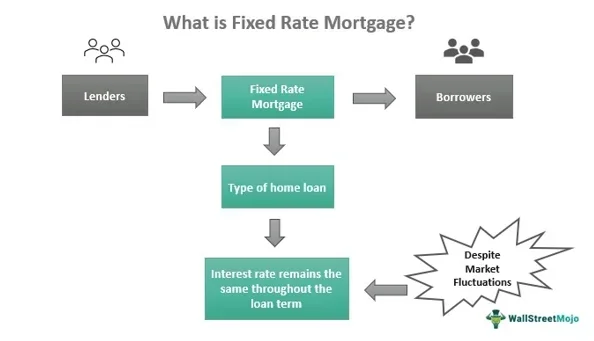
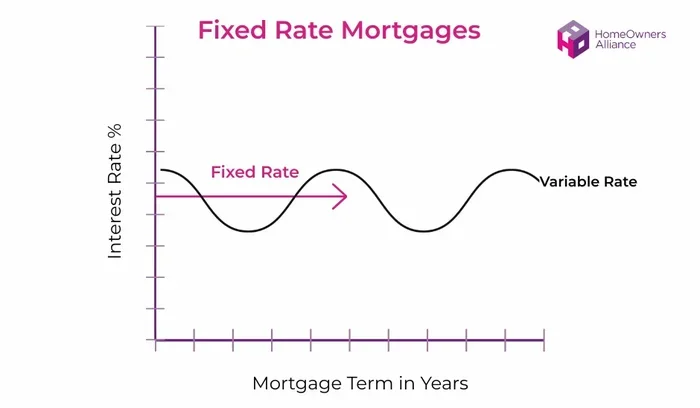
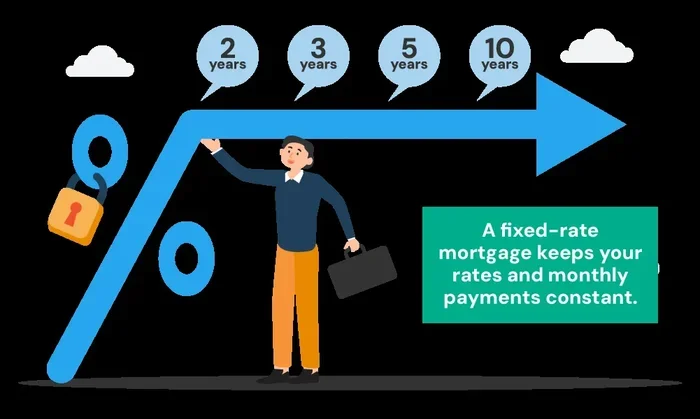
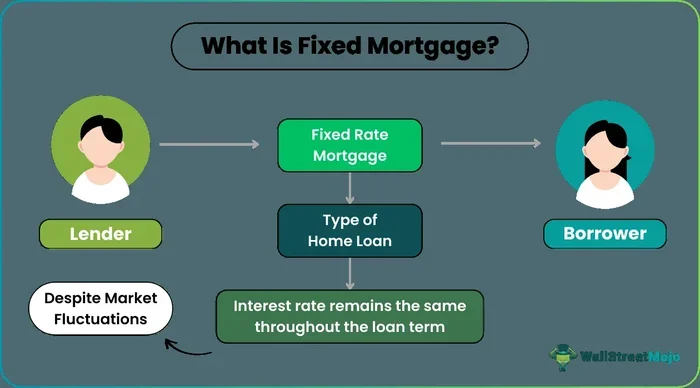
A fixed rate mortgage gives you one major promise. Your interest rate never changes. That rate stays locked from your first payment until your final payment, unless you refinance or sell the home. This structure creates peace of mind. You know exactly how much goes toward principal and interest every month. Budgeting becomes much easier when that number stays steady.
Many buyers choose fixed rate loans because they hate uncertainty. They want to sleep well knowing market swings will not hit their wallet. That choice makes sense. Life already brings enough surprises. Your housing payment should not be one of them. Yet people still see their total payment rise and assume the lender changed the rate. That assumption usually misses the real cause.
Principal and Interest Stay Locked
Your monthly payment splits into several parts. The largest pieces go toward principal and interest. Principal reduces your loan balance. Interest pays the cost of borrowing. On a fixed rate loan, the interest percentage never moves. That means the principal and interest line item stays constant. You can check your original closing documents to confirm this number. It will not change unless you modify the loan.
This stability is the whole point of a fixed rate product. Lenders price these loans to give you predictability. You trade a slightly higher starting rate for security. That trade-off works well for most long-term homeowners. If you plan to stay in your house for many years, this loan type usually wins. You avoid the stress of watching market indexes climb.
Why People Confuse Payment Changes with Rate Changes
Confusion happens because mortgage statements show one total number. That total bundles principal, interest, taxes, insurance, and sometimes mortgage insurance. When the total rises, it looks like your rate changed. In reality, only one slice of the pie shifted. The interest slice stayed flat. The tax or insurance slice grew. Seeing the full breakdown clears up the mystery fast.
Another source of confusion comes from marketing language. Some lenders advertise low payments without explaining escrow. Buyers focus on the headline number. They miss the fine print about tax and insurance reserves. Later, when those reserves adjust, the payment jumps. Reading your loan estimate and closing disclosure prevents this surprise. Those documents show exactly what your payment includes.
Why Your Total Payment Can Increase
Even with a locked rate, your total monthly payment can rise. Several outside factors drive these changes. The most common culprit is escrow. Escrow accounts hold money for property taxes and homeowners insurance. Lenders collect these funds each month and pay the bills when they come due. When tax or insurance costs go up, the escrow portion of your payment grows. That pushes your total higher.
Visual guide about fixed rate mortgage concept
Image source: hoa.org.uk
Property taxes change for many reasons. Local governments raise rates to fund schools, roads, and services. Home values climb, which increases assessed values. New construction nearby can shift tax boundaries. All these factors affect your bill. Your lender does not control taxes. They simply collect and forward the money. When the tax bill rises, your mortgage payment rises with it.
Escrow Account Adjustments
Escrow accounts require careful balancing. Lenders estimate your annual tax and insurance costs, then divide that total by twelve. They collect that amount each month. At the end of the year, they review actual bills. If costs ran higher than expected, you may owe a shortage. The lender usually spreads that shortage over the next twelve months. That spreads the increase out, but your payment still goes up.
Sometimes you get a refund instead. If your estimates ran high, the lender returns the extra money. Your payment then drops. This back-and-forth is normal. It keeps your account funded without large lump-sum bills. Still, it feels frustrating when the number moves. Understanding the annual escrow analysis letter helps you see exactly what changed. That letter breaks down every adjustment line by line.
Property Tax Changes
Property taxes often rise over time. Counties reassess homes regularly. They compare your property to recent sales in the area. If values climbed, your assessed value likely climbed too. Higher assessments mean higher taxes. Some regions also change tax rates to cover budget gaps. School districts, fire departments, and city projects all rely on these funds. You cannot control these decisions, but you can prepare for them.
You do have options. Many areas let you appeal your assessment. If you believe your home value was overstated, you can file a challenge. You will need evidence, such as comparable sales or photos showing condition issues. A successful appeal can lower your tax bill. That lowers your escrow requirement and your monthly payment. Checking your assessment notice each year keeps you ahead of surprises.
Homeowners Insurance Increases
Insurance costs also affect your payment. Homeowners insurance protects your house from fire, storms, theft, and other damage. Premiums rise for many reasons. Reconstruction costs increase. Weather events become more frequent in some regions. Your coverage limits may need adjustment as you add renovations. Even changes in your credit profile can affect quotes in some states.
Lenders require insurance to protect their interest in the property. They collect the premium through escrow and pay the insurer directly. When your renewal quote comes in higher, your escrow payment rises. Shopping around each year helps control this cost. Different companies weigh risk differently. Comparing quotes often reveals better rates. You can also ask about discounts for security systems, newer roofs, or bundled policies.
The Role of Escrow in Payment Changes
Escrow acts like a savings account managed by your lender. You fund it monthly. The lender spends from it when taxes and insurance come due. This system spreads large annual costs into manageable monthly pieces. It also protects the lender by ensuring bills get paid. Without escrow, a missed tax payment could lead to liens or even foreclosure. The system exists for safety, not to trap you.
Visual guide about fixed rate mortgage concept
Image source: moneysavingguru.co.uk
Your escrow payment depends on three things. First, the total annual cost of taxes and insurance. Second, the number of months in the year. Third, any required cushion the lender keeps for safety. Regulations limit how much extra money the lender can hold. Usually the cushion equals about two months of payments. If your account holds too much, you get a refund. If it holds too little, your payment rises to catch up.
How Lenders Calculate Escrow Payments
Lenders start with your latest tax bill and insurance quote. They add those numbers together. Then they divide by twelve. That gives the base monthly escrow amount. They may add a small cushion for upcoming changes. The total becomes part of your monthly payment. Each year, they redo the math. If taxes jumped ten percent, the monthly escrow jumps too. The change usually takes effect the following month after the analysis.
You can estimate your own payment to stay prepared. Grab your latest tax statement and insurance renewal. Add them. Divide by twelve. Compare that number to your current escrow line item. If the gap looks large, expect an adjustment soon. You can also call your lender for a projected analysis. Some lenders share early estimates before the official letter arrives. This proactive step removes the shock factor.
Shortages and Surpluses Explained
A shortage happens when actual bills exceed the collected amount. The lender covers the gap first, then bills you back over time. A surplus happens when you paid more than needed. The lender refunds the excess or applies it to your next payment. Both situations are normal. They reflect real-world cost changes, not lender errors. Reading the annual statement tells you which scenario applies to you.
If you face a large shortage, ask about payment options. Some lenders let you pay the shortage in a lump sum. Others spread it over twelve months automatically. Spreading it out keeps your monthly hit smaller. Either way, the adjustment resolves the deficit. Once your account balances, your payment stabilizes again. The key is to review the letter quickly and act before the new amount takes effect.
Private Mortgage Insurance and Other Fees
Private mortgage insurance, or PMI, adds another layer to your payment. Lenders require PMI when your down payment falls below twenty percent. PMI protects the lender if you default. It does not protect you. The cost usually appears as a monthly line item. As you pay down your loan and build equity, PMI eventually drops off. That removal actually lowers your payment. But before removal, PMI can make your payment feel higher than expected.
Visual guide about fixed rate mortgage concept
Image source: wallstreetmojocms.recurpro.in
PMI rates vary based on your credit score, loan amount, and loan type. Higher risk profiles pay higher PMI rates. Some loans use a single upfront premium instead of monthly payments. Others split the cost. Your closing documents show exactly how your PMI works. Tracking your equity helps you know when PMI will end. Once you reach twenty percent equity, you can request cancellation. The lender may require an appraisal to confirm the value.
When PMI Gets Removed
PMI removal follows specific rules. For many conventional loans, automatic termination happens at seventy-eight percent loan-to-value based on the original amortization schedule. You can also request early removal once you reach twenty percent equity. That request usually requires a good payment history and sometimes a new appraisal. If your home value rose, you might hit that threshold faster. A higher appraisal value can accelerate PMI cancellation.
This removal is one of the few ways your payment can drop on a fixed rate loan. The principal and interest stay the same. Taxes and insurance may still change. But losing PMI reduces the total. That feels great after years of paying extra. Keep an eye on your balance and local values. When you get close to the threshold, contact your lender to start the process.
HOA Fees and Special Assessments
Some homes come with homeowners association fees. These fees usually sit outside your mortgage payment. You pay them directly to the association. However, some lenders include them in your total housing expense when qualifying you. If the association raises dues, your overall housing cost rises. Special assessments can also hit suddenly. These are one-time charges for major repairs like roofing or roadwork. They do not change your mortgage payment, but they do change your monthly budget.
Always review HOA documents before buying. Look at the fee history and reserve funds. Weak reserves often lead to special assessments later. Strong reserves usually mean more stable fees. If you already own, read every association notice carefully. Missing a notice can lead to surprise charges. While HOA fees do not appear on your mortgage statement, they still affect your total cost of homeownership.
Adjustable Rate Mortgages vs Fixed Rate Loans
Confusion sometimes comes from mixing up loan types. Adjustable rate mortgages, or ARMs, do change over time. They start with a fixed period, then reset based on a market index. When the index rises, your rate rises. That increases your principal and interest payment. A fixed rate loan does not do this. If your payment changed and your loan is truly fixed, the rate did not move. The change came from elsewhere.
Understanding the difference protects you from false assumptions. If you hold an ARM, payment changes are expected after the initial period. If you hold a fixed rate loan, payment changes point to escrow, insurance, taxes, or fees. Check your loan documents to confirm your loan type. The note clearly states whether your rate is fixed or adjustable. Knowing this fact saves you from unnecessary worry.
How ARMs Actually Work
ARMs use a formula to set rates after the fixed period ends. The formula adds a margin to a market index. Common indexes include treasury rates or secured overnight financing rates. When the index climbs, your rate climbs. Most ARMs also include caps. Caps limit how much the rate can rise at one adjustment and over the life of the loan. These caps provide some protection, but payments can still rise significantly.
People choose ARMs for lower starting rates. They plan to sell or refinance before the adjustable period begins. That strategy works when timing goes right. It becomes risky when life changes or rates spike. If you are unsure which loan you have, review your closing disclosure. Look for language about adjustments, indexes, and caps. That language signals an ARM. If you see none of that, you likely have a fixed rate loan.
Comparing Payment Stability
Fixed rate loans offer maximum payment stability for principal and interest. ARMs offer lower initial payments but introduce future uncertainty. Escrow changes affect both loan types equally. Taxes and insurance rise regardless of your rate structure. So even a fixed rate loan can see total payment growth. The difference is that the core loan cost stays flat. With an ARM, the core loan cost can grow too. That double impact makes ARMs riskier for long-term budgeting.
Consider your timeline when choosing. If you plan to stay many years, a fixed rate usually feels safer. If you expect to move soon, an ARM might save money. Either way, budget for escrow changes. No loan type freezes taxes or insurance forever. Building a buffer in your monthly budget helps you handle increases without stress. That buffer is a smart habit regardless of your loan type.
What to Do If Your Payment Increases
When your payment rises, start with the facts. Pull your latest mortgage statement. Look at the breakdown. Identify which line item changed. Did taxes go up? Did insurance renew at a higher rate? Did escrow analysis create a shortage? Pinpointing the cause tells you what to do next. You cannot fix a problem you do not understand. Clarity comes first.
Next, review your annual escrow analysis letter. This document explains every adjustment. It shows previous estimates, actual bills, and the new monthly amount. Read it carefully. If something looks wrong, call your lender. Ask for a line-by-line explanation. Keep notes during the call. Write down the representative name, date, and key details. Clear records help if you need to follow up later.
Review Your Escrow Analysis
The escrow analysis letter usually arrives once a year. It compares what you paid to what was owed. It then sets the new monthly amount. If the letter shows a large shortage, ask how the lender calculated it. Confirm that the tax and insurance figures match your actual bills. Mistakes happen. Sometimes a lender uses an outdated tax amount. Correcting the error can lower your payment.
If the numbers check out, focus on next steps. You may decide to pay the shortage upfront to avoid higher monthly payments. Or you may accept the spread-out adjustment. Either choice works. The important part is understanding the reason behind the change. Once you know the cause, you can plan for it. You might also spot a trend, like steadily rising taxes, that signals a need for action.
Appeal Property Tax Assessments
If taxes drove the increase, consider an appeal. Start by gathering evidence. Find recent sales of similar homes in your neighborhood. Note any condition issues that lower value. Check for errors in your property record, such as wrong square footage or extra bathrooms. File your appeal within the deadline. Many counties provide simple forms online. A successful appeal can reduce your assessed value and your tax bill.
Even if you do not appeal, stay informed. Attend local budget meetings when possible. Understand how tax rates change in your area. Some communities offer exemptions for seniors, veterans, or primary residents. Check whether you qualify for any breaks. These programs can soften the blow of rising taxes. Taking action early keeps your housing costs more predictable.
Shop for Insurance Annually
Insurance shopping is one of the easiest ways to control payment growth. Set a reminder each year before your policy renews. Gather quotes from several companies. Compare coverage limits, deductibles, and exclusions. Look for discounts you might miss, such as claims-free rewards, security system credits, or loyalty reductions. Sometimes staying with your current insurer costs more than switching.
When you find a better quote, ask your lender about the process to switch. You usually need to provide proof of coverage and update the escrow account. The lender then pays the new insurer from your escrow funds. This switch can lower your monthly payment or slow future increases. Make insurance shopping a regular habit, not a one-time task. Small annual efforts add up to meaningful savings.
Common Mistakes That Make Payment Changes Worse
Many homeowners miss simple opportunities to manage payment changes. One common mistake is ignoring the annual escrow statement. People toss the letter aside and get shocked later. Another mistake is assuming the lender controls taxes and insurance. Lenders only collect and pay. They do not set tax rates or insurance premiums. Blaming the lender wastes energy you could use to solve the real issue.
Some buyers also forget to shop insurance after closing. They let the policy renew automatically year after year. That inertia often leads to higher premiums. Others skip tax appeals because the process feels intimidating. Yet a single successful appeal can save thousands over time. Avoiding these small mistakes keeps your payment more stable and your budget healthier.
Ignoring Annual Statements
Annual statements contain the answers you need. They show exactly why your payment changed. They also reveal shortages, surpluses, and projected amounts. Ignoring them removes your ability to respond early. If you see a big shortage coming, you can prepare. If you see a surplus, you can plan for the refund. Reading the letter takes only a few minutes. That small habit prevents big surprises.
Create a simple system to handle these letters. Open them the day they arrive. Highlight the new payment amount and the reason for any change. File the letter with your tax and insurance records. If anything looks unclear, call the lender right away. Quick action solves small issues before they grow. This routine keeps you in control of your housing costs.
Not Shopping Insurance or Taxes
Letting costs drift upward is easy when you do nothing. Insurance companies rarely lower rates on their own. Tax assessors rarely lower values without a challenge. Doing nothing usually means paying more. Shopping insurance annually and reviewing tax assessments regularly breaks that pattern. These tasks feel small, but they protect your budget. They also give you leverage when costs rise.
Set calendar reminders to stay on track. Schedule an insurance review every twelve months. Check your tax assessment notice as soon as it arrives. If the numbers seem high, research comparable sales or file an appeal. These steps take effort, but the payoff is real. You keep more money in your pocket and reduce the chance of unexpected payment jumps.
Expert Insights on Managing Payment Changes
Experts recommend building a small buffer into your housing budget. Even with a fixed rate loan, taxes and insurance can rise. A buffer of fifty to one hundred dollars per month creates breathing room. That cushion absorbs small increases without disrupting your finances. Over time, the buffer can also help you cover a shortage without stress. Think of it as insurance for your monthly budget.
Another expert tip is to track your home equity closely. Equity growth can trigger PMI removal and speed up tax appeals. Know your loan balance and your home value. Update these numbers at least once a year. When you understand your equity position, you can act at the right time. That timing often saves money and reduces payment pressure.
Build a Housing Buffer
A housing buffer works like a shock absorber. You set aside a little extra each month. When taxes rise or insurance renews higher, you already have room to absorb the change. This approach reduces panic and keeps your budget steady. You can start small and increase the buffer over time. Even a modest cushion makes a difference when costs move.
To build the buffer, review your recent payment history. Identify the highest payment you have had in the last two years. Aim to budget slightly above that number. If your payment stays lower, you save the difference. If it rises, you are ready. This simple strategy gives you confidence and flexibility. It also helps you avoid scrambling when an adjustment arrives.
Track Equity and Value Trends
Home values change over time. Some neighborhoods appreciate quickly. Others grow slowly. Knowing your local trend helps you plan. If values are rising, you may reach PMI removal sooner. You may also face higher taxes faster. If values are flat, tax increases may come more from rate changes than from assessments. Either way, tracking trends keeps you informed.
You can track value through online estimates, recent sales, or professional appraisals. Use multiple sources for a balanced view. Online estimates offer convenience. Recent sales offer reality. Appraisals offer precision. Combine these insights to understand your position. Then use that knowledge to make smart decisions about PMI, taxes, and insurance. Informed homeowners handle payment changes much better.
Key Takeaways for Fixed Rate Homeowners
Fixed rate loans give you stability, but they do not freeze every cost. Your principal and interest stay locked. Your taxes, insurance, and escrow can still change. Those changes drive most payment increases. When you understand the mechanics, you stop worrying about the wrong thing. You focus on what you can control. That shift makes homeownership much calmer.
Stay proactive. Read your annual statements. Shop insurance yearly. Check tax assessments. Track your equity. Build a small buffer. These habits protect your budget and reduce surprises. If your payment rises, investigate the cause quickly. Ask questions. Take action where you can. With the right approach, you can manage changes confidently and keep your home costs under control.
Remember the core answer to your question. Can your mortgage go up on a fixed rate? The interest rate will not rise, but your total payment can. Now you know why. You also know what to do about it. Use this knowledge to stay prepared, protect your wallet, and enjoy the stability your fixed rate loan was designed to give you.
Frequently Asked Questions
Can your mortgage go up on a fixed rate loan?
Yes, your total monthly payment can increase even when your interest rate stays locked. The rise usually comes from higher property taxes, increased homeowners insurance, or escrow adjustments rather than a rate change.
Why did my fixed rate mortgage payment increase?
Most payment increases come from escrow changes. Property taxes and insurance premiums often rise over time, and lenders adjust your monthly escrow amount to cover those higher costs. Your principal and interest usually remain unchanged.
Does escrow cause mortgage payments to go up?
Escrow itself does not cause increases, but it reflects them. When taxes or insurance cost more, the lender collects more each month to keep the account funded. That higher escrow collection raises your total payment.
Can property taxes make my mortgage payment higher?
Yes, property tax increases directly affect your payment if your lender pays taxes through escrow. Higher assessed values or tax rates lead to larger annual bills, which increase your monthly escrow requirement.
How often can my fixed rate mortgage payment change?
Your principal and interest payment does not change at all. Your total payment can change whenever your lender completes an annual escrow analysis or when taxes and insurance costs shift significantly.
What can I do if my mortgage payment goes up?
Review your escrow analysis letter, compare tax and insurance costs, and shop for better insurance rates. You can also appeal a high property tax assessment or pay a shortage upfront to reduce the monthly increase.