
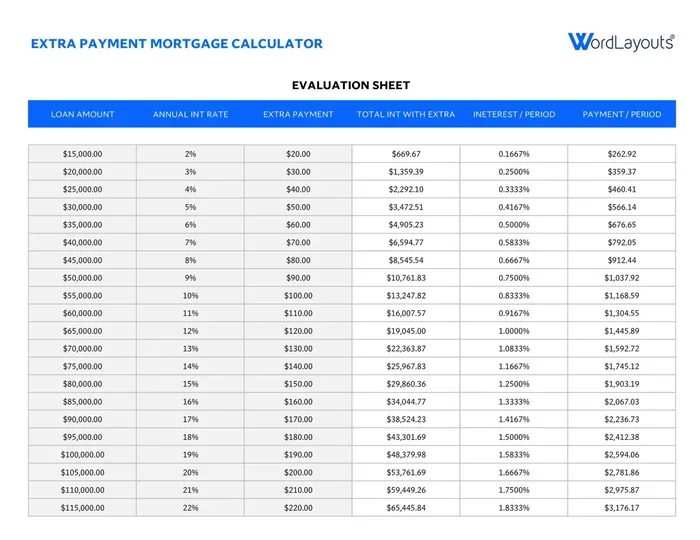
Paying extra on your home loan saves thousands. If you make 1 extra mortgage payment a year, you cut interest costs and own your house sooner. This small habit builds equity fast. Learn the exact math and easy ways to start today.
Buying a home is a huge milestone. It feels amazing to finally have your own space. But the mortgage payment can feel like a heavy anchor. Many people wonder if there is a way to lighten that load. The good news is that small changes make a big difference. You do not need a massive windfall to change your financial future.
Most homeowners stick to the standard monthly schedule. This is safe and predictable. However, it also means you pay the maximum amount of interest. Lenders calculate interest based on your remaining balance. When you pay extra, you lower that balance faster. This simple shift changes everything about your loan.
Today we will explore a powerful strategy. We are talking about making one additional payment annually. This approach is simple to understand. It is also easy to fit into most budgets. You might be surprised by the long-term impact. Let’s dive into the details and see how this works for you.
Key Takeaways
- Massive Interest Savings: One extra payment yearly can save you thousands in interest over the loan life.
- Faster Equity Build: Extra payments go straight to principal, growing your ownership stake quickly.
- Shorter Loan Term: This habit can shave years off a thirty-year mortgage without refinancing.
- Budget Friendly: You do not need a huge lump sum. Small monthly additions work too.
- Peace of Mind: Paying down debt reduces stress and increases financial freedom.
- Check Your Lender: Confirm there are no prepayment penalties before you start.
- Automate It: Setting up automatic extra payments ensures you stay consistent.
📑 Table of Contents
- Understanding the Impact of If You Make 1 Extra Mortgage Payment a Year
- The Math Behind If You Make 1 Extra Mortgage Payment a Year
- Practical Ways to Fit If You Make 1 Extra Mortgage Payment a Year Into Your Budget
- Common Mistakes to Avoid When Making Extra Payments
- Long-Term Benefits Beyond the Numbers
- Conclusion: Take Control of Your Financial Future
Understanding the Impact of If You Make 1 Extra Mortgage Payment a Year
When you sign a loan agreement, you agree to pay interest over time. A standard thirty-year loan spreads payments out. The early years mostly cover interest charges. Very little goes toward the actual loan balance. This is how amortization works. It slows down your equity growth in the beginning.
Making an extra payment changes this math. You are essentially paying ahead on the principal. The lender applies this extra money directly to the loan balance. This reduces the amount of interest charged next month. It creates a snowball effect. Every extra dollar saves you more in the future.
Many people think they need to pay double every month. That is not true. You can simply take your monthly payment and divide it by twelve. Set aside that amount each month. Then send it as a lump sum at year-end. Or you can just make one full extra payment whenever you can. The result is the same. You reduce the principal faster.
This strategy works best in the early years. That is when your interest charges are highest. As you progress through the loan, more of your payment goes to principal. Still, extra payments help at any stage. They always reduce the total cost of borrowing. You keep more money in your pocket over time.
How Lenders Apply Extra Funds
You might worry about confusion with your lender. Some borrowers fear extra money goes to the wrong place. Most lenders have a specific process for this. You should always mark your payment clearly. Write “apply to principal” on the check or online form. This ensures the money reduces your balance.
Some servicers might hold extra funds in a suspense account. They wait until you owe enough to apply it. This delays the benefit. To avoid this, contact your lender first. Ask how they prefer to receive extra principal payments. Clear communication prevents mistakes. It keeps your payoff plan on track.
The Math Behind If You Make 1 Extra Mortgage Payment a Year
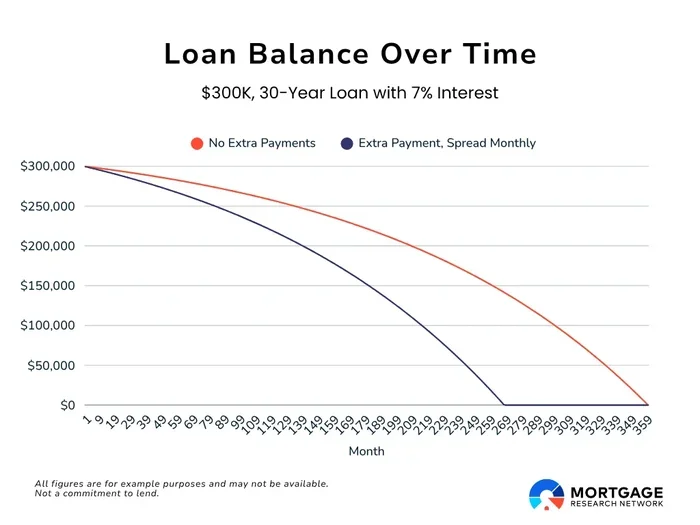
Numbers can feel boring, but they tell a great story. Let’s look at a typical example. Imagine a three hundred thousand dollar loan. The interest rate is six percent. The term is thirty years. Your monthly principal and interest payment is about eighteen hundred dollars.
Visual guide about extra mortgage payment concept
Image source: storage.googleapis.com
If you stick to the standard schedule, you pay a lot of interest. Over thirty years, the total interest costs nearly three hundred ninety thousand dollars. That is more than the loan itself. Now, add one extra payment each year. That extra payment is also eighteen hundred dollars. You send it directly to the principal.
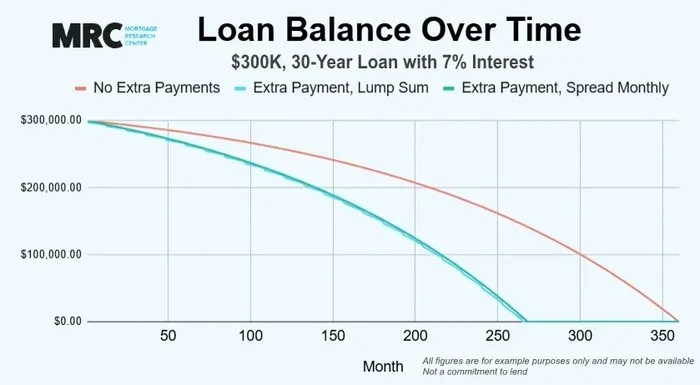
With this extra payment, your loan term shrinks. You might finish paying in twenty-four years instead of thirty. That saves you six full years of payments. The interest savings are significant. You could save over fifty thousand dollars in total interest. These numbers vary by rate and loan size. But the principle stays the same. Extra payments create huge savings.
Comparing Standard vs. Extra Payment Plans
Seeing the difference side by side helps. Here is a simple comparison of the two approaches.
| Feature | Standard Payment Plan | One Extra Payment Yearly |
|---|---|---|
| Loan Term | 30 Years | Approx. 24-25 Years |
| Total Interest Paid | High | Significantly Lower |
| Equity Build Speed | Slow in Early Years | Faster Throughout |
| Monthly Cash Flow | Fixed | Requires Planning |
| Financial Stress | Long-term Debt | Reduced Debt Burden |
This table shows the clear benefits. You trade a little planning for massive long-term gains. The extra payment does not have to be painful. You can save up for it throughout the year. Many people use tax refunds or bonuses for this. Others just budget a small amount each month.
Practical Ways to Fit If You Make 1 Extra Mortgage Payment a Year Into Your Budget
You might wonder where the extra money comes from. Life is expensive. Bills pile up. Finding an extra payment seems hard. But there are many creative ways to do it. You do not need to cut all your fun. Small adjustments add up quickly.
Visual guide about extra mortgage payment concept
Image source: storage.googleapis.com
Start by reviewing your monthly expenses. Look for subscriptions you do not use. Cancel streaming services you rarely watch. Cook at home more often. These small changes free up cash. You can direct that cash toward your mortgage. Another great source is windfalls. Tax refunds are perfect for this. Many people get a refund every spring. Use that refund as your extra payment.
You can also round up your monthly payment. If your payment is one thousand and fifty dollars, pay one thousand and fifty-five dollars. That extra five dollars each month adds up. Over a year, you have sixty extra dollars. It is not a full payment yet. But you can combine this with a bonus. The goal is consistency. Any extra amount helps reduce the balance.
Using Biweekly Payments as an Alternative
Some people prefer a different rhythm. Instead of one extra payment yearly, try biweekly payments. You pay half your mortgage every two weeks. Since there are fifty-two weeks in a year, you make twenty-six half payments. This equals thirteen full payments. You automatically make one extra payment each year.
This method fits well with many pay schedules. If you get paid biweekly, this aligns perfectly. You do not feel the pinch as much. The extra payment happens naturally. Check if your lender offers a biweekly option. Some charge a fee for this service. You can often do it yourself for free. Just set up two automatic payments per month. Adjust the amounts to match the biweekly math.
Common Mistakes to Avoid When Making Extra Payments
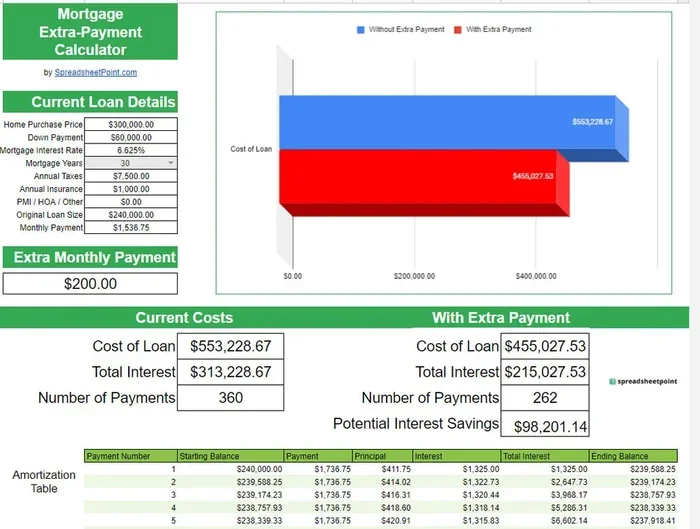
Even simple strategies have pitfalls. You want your extra money to work hard. Avoid these common errors to protect your progress. First, never assume the lender knows your intent. Always specify that the payment goes to principal. Otherwise, they might treat it as an early payment for next month. This does not save you interest. It just shifts the timing.
Visual guide about extra mortgage payment concept
Image source: public-files.gumroad.com
Second, check for prepayment penalties. Most modern loans do not have these. But some older loans or specific products might. Read your loan documents carefully. You do not want to pay a fee for paying off debt. That defeats the whole purpose. If you are unsure, call your servicer. Ask directly about any restrictions on extra payments.
Third, do not skip your emergency fund. Paying down debt is good. But you need cash available for surprises. A broken car or medical bill happens. If you put every extra dollar into the house, you might need high-interest credit later. Balance your mortgage payoff with savings. Keep three to six months of expenses in the bank. Then use surplus cash for the loan.
Expert Insights on Debt Reduction
Financial experts agree on one thing. High-interest debt should go first. If you have credit card debt, tackle that before the mortgage. Mortgage rates are usually lower. Credit cards charge much more. However, if your mortgage rate is high, extra payments make sense. They give a guaranteed return. You save the interest rate amount on every dollar.
Some advisors suggest investing extra money instead. The stock market might return more than your loan interest. This is true for some people. But paying off debt gives a guaranteed peace of mind. It reduces risk. You own your home sooner. That psychological benefit is valuable. Choose the path that helps you sleep better. Both approaches have merit. The best choice depends on your comfort with risk.
Long-Term Benefits Beyond the Numbers
Saving money is the obvious win. But there are other rewards too. Paying off your mortgage early frees up cash flow. Imagine having no house payment in your fifties. That money can go to retirement. It can fund travel or hobbies. You gain flexibility in your later years. This reduces stress significantly.
Home equity also grows faster. If you need to sell or refinance, you have more options. You build a stronger financial foundation. This protects you if home values dip. You owe less than the house is worth. This position gives you security. It also improves your net worth on paper. Lenders look favorably on lower debt loads too.
There is also the emotional benefit. Debt can feel heavy. Watching your balance drop brings joy. You feel more in control of your life. Every extra payment is a step toward freedom. You are building ownership, not just paying a bill. This mindset shift matters. It motivates you to keep going. You start seeing your home as an asset you are conquering.
When to Reconsider This Strategy
This strategy is not perfect for everyone. Sometimes your money works better elsewhere. If you have very low interest rates, investing might win. If you plan to move soon, the savings are less. You might not stay long enough to reap the full benefit. Also, if cash is tight, prioritize essentials. Do not stress your budget to pay extra. Stability comes first.
Life changes too. You might have children or career shifts. Flexibility is valuable. Keeping cash liquid can be smarter sometimes. You can always start extra payments later. The option remains open. Just know that starting early maximizes the compound effect. The sooner you begin, the more you save. But it is never too late to start.
Conclusion: Take Control of Your Financial Future
Your mortgage is likely your biggest bill. It shapes your monthly budget for decades. But you have the power to change that timeline. If you make 1 extra mortgage payment a year, you take control. You slash interest costs and own your home sooner. The math is clear. The strategy is simple. You just need consistency.
Start small if you need to. Use tax refunds. Round up your payments. Automate the process. Check with your lender to ensure proper application. Avoid common mistakes like ignoring emergency savings. Remember that this is a marathon, not a sprint. Every extra dollar counts. You will feel the difference over time.
Think about your goals. Do you want freedom from debt? Do you want to retire earlier? This strategy supports those dreams. It turns a heavy obligation into a manageable path. You build equity and peace of mind. Take the first step today. Calculate your potential savings. Then make a plan that fits your life. Your future self will thank you for the freedom you create now.
Frequently Asked Questions
How much money do I save with one extra payment?
The savings depend on your loan size and interest rate. Typically, you can save tens of thousands of dollars in interest over the life of the loan. You also shorten the loan term by several years.
Can I make extra payments at any time during the year?
Yes, you can make extra payments whenever you want. Some people save up and pay once a year. Others add a little extra to every monthly payment. Both methods reduce your principal balance effectively.
Will my lender charge me a fee for paying early?
Most modern mortgages do not have prepayment penalties. However, you should check your loan documents to be sure. Some specific loan types or older contracts might still include fees for early payoff.
Does an extra payment reduce my monthly bill?
No, an extra payment does not lower your required monthly payment. It reduces the principal balance and total interest. You can request recasting to lower payments, but that is a different process.
What is the best way to track my extra payments?
Keep your own records of every extra payment you make. Note the date and amount in a spreadsheet or app. This helps you verify the lender applies the funds correctly to your principal balance.
Should I pay extra on my mortgage or invest instead?
It depends on your interest rate and risk tolerance. Mortgage payoff gives a guaranteed return equal to your rate. Investing might offer higher returns but comes with market risk. Choose the option that fits your financial goals and comfort level.