
Yes, you can lock a mortgage rate before an appraisal, but lenders often tie the lock to your loan application and verified property details. Understanding mortgage rate lock timing helps you avoid surprises. You should compare lender policies and ask about float-down options early. This guide explains locking rates before appraisal so you can plan with confidence.
If you are buying a home, you may wonder, can I lock a mortgage rate before an appraisal? The short answer is yes, but the details matter. Lenders usually allow a rate lock once your application is far enough along. Still, the appraisal can change the final picture. This guide breaks down how it works in plain language.
Buying a home comes with moving parts. You have your search, your offer, your loan paperwork, and the property evaluation. It is normal to feel rushed when rates shift. That is why many buyers ask about locking rates before appraisal. You want stability, but you also want flexibility if the property value changes.
In this article, you will learn when a lock is possible, what lenders look for, and how to protect yourself. You will also see common timing mistakes and smart questions to ask. By the end, you should feel ready to talk with your loan officer about mortgage rate lock timing with confidence.
Key Takeaways
- Rate locks can start before appraisal: Many lenders let you lock once your loan file is complete, even if the appraisal is pending.
- Appraisal affects final approval: The property value must support the loan amount, so lenders may hold conditions until the report arrives.
- Lock terms vary by lender: Some offer short locks, others provide longer windows with fees or float-down features.
- Timing matters for cost: Locking too early can mean higher fees, while waiting may expose you to rate changes.
- Ask about expiration and extensions: Know what happens if the appraisal or underwriting takes longer than expected.
- Get everything in writing: Confirm the locked rate, points, closing costs, and any conditions tied to the appraisal.
📑 Table of Contents
Can I Lock a Mortgage Rate Before an Appraisal
Many buyers want to secure their rate as soon as they find a home. That makes sense. Rates can move day to day. If you are asking, can I lock a mortgage rate before an appraisal, the answer is often yes, but it depends on your lender and your file. Some lenders will lock once your application, income documents, and initial property details are in place. Others prefer to wait until the appraisal report is complete.
The reason for the difference is simple. The appraisal helps confirm the home’s market value. Lenders use that value to calculate the loan-to-value ratio and final risk. If the property value comes in lower than expected, the loan terms may change. For that reason, some lenders wait. Others are comfortable locking early and adjusting later if needed.
A good way to think about it is this: a rate lock is a promise from the lender about the interest rate and points for a set period. It does not always guarantee final loan approval. It guarantees the pricing if the loan closes within the lock window and meets the lender’s conditions. That is why you should understand the full picture before you lock.
When Lenders Typically Allow a Lock
Lenders usually consider a lock once the core loan file is ready. That often means you have submitted your application, provided income and asset documents, and shared the property address. At that stage, the lender can often quote a locked rate even if the appraisal is still scheduled.
Some lenders may ask for a purchase contract first. Others may want a signed loan disclosure set. A few may wait for the appraisal to avoid locking a rate on a property that may not support the loan. The exact timing depends on the lender’s process and the loan program.
If you are working with a responsive loan officer, ask directly. You can say, “Can I lock a mortgage rate before an appraisal, and what do you need from me first?” That question helps you understand the steps and avoid surprises.
Why the Appraisal Still Matters
Even if you lock early, the appraisal can affect your final loan. If the value supports the purchase price, the loan can move forward as planned. If the value comes in low, the lender may recalculate the loan amount, your down payment, or your pricing. In some cases, the loan may need a different structure.
This is why a lock is not the same as final approval. A lock protects your rate for a period. The appraisal protects the lender’s collateral position. Both matter. You can lock early and still have conditions to clear. That is normal in many purchase transactions.
How Mortgage Rate Locks Work
A rate lock is a written agreement that sets your interest rate and often your points and fees. It also sets a time window. During that window, your rate should stay the same if your loan closes and meets the terms. Outside that window, the rate may change.
Visual guide about mortgage rate lock document
Image source: 1unitedmortgage.com
Locks can come with different features. Some are simple and fixed. Others include a float-down option, which may let you capture a lower rate if market rates drop before closing. These options can be helpful, but they often cost more. It is worth asking how each feature works before you decide.
Here is a simple way to compare lock types:
Standard lock: Rate stays fixed for a set period. Usually best when rates are stable or when you want certainty.
Extended lock: Longer window for closing. Useful if your timeline is uncertain, but it may carry a fee.
Float-down lock: Lets you benefit if rates fall before closing. Helpful in moving markets, but often more expensive.
When people ask, can I lock a mortgage rate before an appraisal, they usually want to know whether the lock will still be valid if the appraisal takes time. In many cases, yes, as long as the lock window is long enough and the loan conditions are met.
What a Lock Usually Covers
A lock typically covers the interest rate and sometimes the points. It may also cover certain closing cost assumptions. Read the details carefully. Some quotes look like locks but are only estimates. A true lock should be documented and specific.
You should also check whether the lock is tied to a specific property, loan amount, or loan program. If the appraisal changes the value enough to affect the loan, the lender may need to review the lock terms. That is another reason to ask about conditions upfront.
Timing Your Rate Lock Wisely
Timing is one of the biggest factors in mortgage rate lock timing. Lock too early, and you may pay for an extended window you do not need. Lock too late, and you may face rate changes while waiting for closing. The right timing depends on your contract, your closing date, and the market.
Visual guide about mortgage rate lock document
Image source: mortgageright.com
A practical approach is to match your lock window to your expected closing timeline. If you expect to close in 30 days, a 30-day lock may make sense. If the appraisal or underwriting could take longer, ask about a longer lock or an extension option. It is better to plan for a little extra time than to rush at the end.
You should also think about the market. If rates are volatile, locking earlier may give you peace of mind. If rates are trending down, you might weigh the cost of a float-down option. There is no perfect answer for everyone. The best choice is the one that fits your timeline and risk comfort.
Common Timing Mistakes
One common mistake is assuming a verbal quote is a lock. It is not. Another mistake is locking without checking the expiration date. If your closing gets delayed, you could face extension fees or a rate change. A third mistake is not asking what happens if the appraisal is delayed.
Also, some buyers lock before they are fully ready with their documents. That can create pressure if the lender needs more information. It is usually better to have your file organized first. Then you can lock with confidence.
What Lenders May Require Before Locking
Lenders want to reduce risk. Before they lock, they often want a complete enough file to judge the loan. That may include your application, pay stubs, bank statements, tax documents, contract, and property details. Some lenders may also want an initial review of the loan scenario.
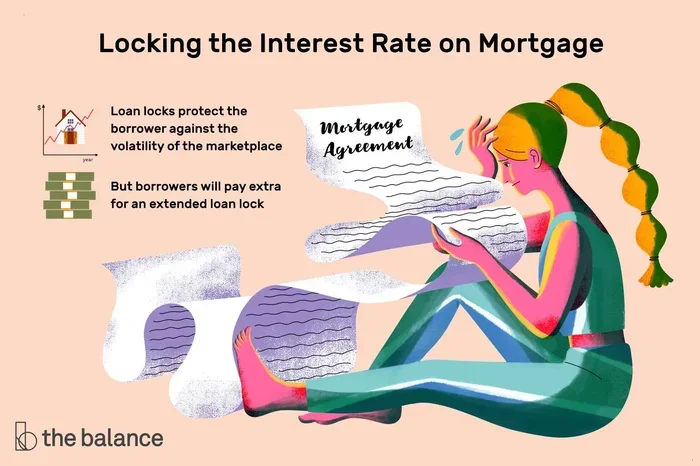
Visual guide about mortgage rate lock document
Image source: thebalancemoney.com
When the question is can I lock a mortgage rate before an appraisal, the lender may say yes if the rest of the file is strong. They may still note that the appraisal is a condition. In other words, the lock can exist, but final approval may still depend on the property value and underwriting.
This is why communication matters. Ask your loan officer what they need before they will lock. Ask whether the lock is contingent on the appraisal value, loan amount, or program guidelines. Clear answers help you avoid false certainty.
Questions Worth Asking
Here are a few practical questions to ask early:
- When can I lock my rate in this loan scenario?
- Is the lock tied to the appraisal results?
- What is the lock period, and what happens if I need more time?
- Are there fees for locking, extending, or float-down options?
- What conditions must be met for the lock to hold?
These questions may feel detailed, but they save trouble later. They also help you compare lenders more fairly.
Risks and Protections to Consider
Every lock has trade-offs. If you lock and rates rise, you are protected. If you lock and rates fall, you may miss out unless you have a float-down option. If your closing is delayed, you may need an extension. Each choice has a cost and a benefit.
Another risk is assuming the lock guarantees the loan. It does not. The appraisal, title, insurance, and underwriting all still matter. A low appraisal can change the loan structure. A documentation issue can slow things down. A lock helps with rate risk, not every type of risk.
Still, a lock can be a smart tool. It gives you a clearer picture of your monthly payment and total closing costs. That helps you budget and make decisions with less uncertainty. For many buyers, that stability is worth a careful lock strategy.
Smart Ways to Reduce Risk
You can lower stress by staying organized. Submit documents quickly. Respond to lender requests fast. Keep your financial profile steady while the loan is in progress. Avoid large purchases or new debt unless your loan officer says it is safe.
You can also keep a buffer in your timeline. If possible, choose a lock window that gives you some breathing room. If your closing date shifts, you will have more flexibility. That can be especially helpful when the appraisal schedule is uncertain.
Practical Tips for Buyers
If you are asking, can I lock a mortgage rate before an appraisal, here are some practical steps to take now. First, get your loan file organized. Gather income, asset, and contract documents early. A clean file makes it easier to lock when the time is right.
Second, compare lender policies. Some lenders are comfortable locking earlier. Others prefer to wait. Some charge for extensions or float-down features. Compare the full package, not just the rate. A slightly higher rate with better lock terms may be a better fit.
Third, write down your timeline. Know your expected closing date and any possible delays. If you are dealing with a tight schedule, tell your loan officer. The more they know, the better they can suggest a lock window.
Fourth, read the lock details carefully. Confirm the rate, points, expiration, and any conditions. If something is unclear, ask before you sign. A few extra minutes now can prevent confusion later.
Quick Tips
- Ask for a written lock, not just a quote.
- Match the lock period to your expected closing timeline.
- Check whether the lock allows extensions or float-downs.
- Confirm if the appraisal can affect the locked terms.
- Keep your financial profile stable during the process.
Key Takeaways
To bring it all together, can I lock a mortgage rate before an appraisal is a question with a practical yes, but with important details. Many lenders will lock once the loan file is ready, even if the appraisal is still pending. The appraisal still matters because it supports the property value and final loan terms. The best move is to understand your lender’s process, choose a lock window that fits your timeline, and get every detail in writing.
If you want stability, lock carefully and early enough to protect yourself from rate changes. If you want flexibility, ask about float-down options and extension terms. Either way, clear communication with your loan officer is the key. That way, you can move forward with confidence and less stress.
The home buying process has many steps, and rate locking is one of them. When you know how mortgage rate lock timing works, you can make smarter choices. You can also avoid last-minute surprises. That is the goal: a smoother path from offer to closing.
Frequently Asked Questions
Can I lock a mortgage rate before an appraisal is completed?
Yes, many lenders allow a rate lock once your loan file is sufficiently complete, even if the appraisal is still pending. However, the lender may still treat the appraisal as a condition for final approval.
Does a rate lock guarantee my loan will be approved?
No, a rate lock protects your interest rate and pricing for a set period, but it does not guarantee final loan approval. The appraisal, underwriting, and other conditions still need to be met.
What happens if the appraisal comes in lower than expected after I lock?
If the value is lower, the lender may recalculate the loan-to-value ratio and adjust the loan terms or pricing. In some cases, you may need a different down payment, loan amount, or program.
Should I choose a float-down option if rates might drop?
A float-down option can help if rates fall before closing, but it often costs more. It is worth considering if your closing timeline is long or if rates are highly volatile.
How long should my rate lock period be?
Your lock period should match your expected closing timeline, with some extra room if delays are possible. If the appraisal or underwriting may take longer, ask about an extended lock or extension options.
What should I ask my lender before locking my rate?
Ask when the lock starts, how long it lasts, whether it depends on the appraisal, and what fees apply for extensions or float-down features. Also ask what conditions must be met for the lock to remain valid.