
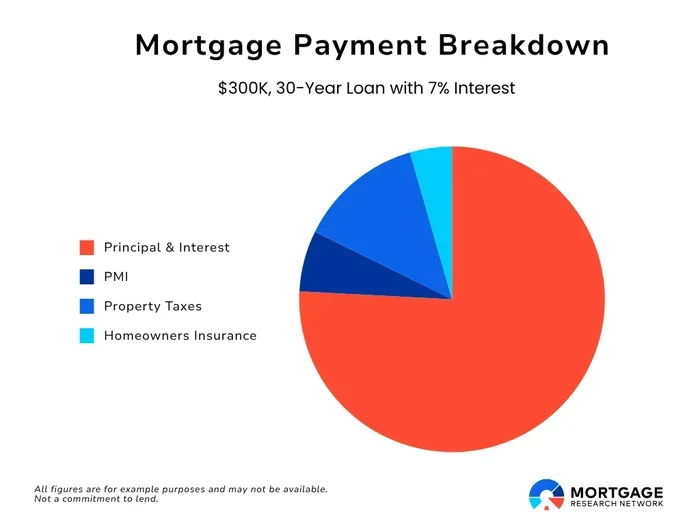
When you ask how much of my mortgage payment goes towards principal, the answer depends on your loan balance, interest rate, and term length. In the early years, most of your payment covers interest, not principal. Over time, this shifts, and more money builds your home equity. Understanding this split helps you plan better and save thousands.
Key Takeaways
- Early payments focus on interest: In the beginning, most of your monthly payment covers interest charges, not the loan balance.
- Principal grows over time: As the loan matures, a larger portion of each payment reduces the principal amount.
- Extra payments accelerate equity: Adding even small extra amounts directly to principal cuts interest costs and shortens the loan term.
- Amortization schedules show the split: Reviewing your amortization table reveals exactly how each payment divides between interest and principal.
- Refinancing changes the ratio: A lower rate or shorter term can shift more of your payment toward principal sooner.
- Tracking equity matters: Knowing your principal balance helps you understand your true home equity and financial progress.
📑 Table of Contents
- Understanding How Much of My Mortgage Payment Goes Towards Principal
- The Basic Breakdown of a Mortgage Payment
- Why Interest Takes Most of the Payment at First
- How the Principal Portion Grows Over Time
- Ways to Push More Money Toward Principal
- Common Mistakes When Tracking Principal vs Interest
- How to Check Your Own Payment Split
- Expert Insights on Building Equity Faster
- Final Thoughts on Your Mortgage Principal Journey
Understanding How Much of My Mortgage Payment Goes Towards Principal
Buying a home is one of the biggest financial steps you will ever take. You sign the papers, get the keys, and start making monthly payments. But if you have ever looked at your mortgage statement and asked how much of my mortgage payment goes towards principal, you are not alone. Many homeowners feel confused about where their money actually goes each month. The truth is simple once you break it down. Your payment covers two main things: interest and principal. Interest is the cost of borrowing money. Principal is the actual loan balance you owe. At first, the interest portion feels much larger. Over time, the balance shifts. More of your money starts chipping away at the loan itself. This change happens slowly, but it makes a huge difference in your financial life. Let us walk through exactly how this works and what you can do about it.
The Basic Breakdown of a Mortgage Payment
Your monthly mortgage payment is not just one simple number. It usually includes a few different parts. The largest pieces are principal and interest. Some payments also cover property taxes and homeowners insurance. These extra costs often go into an escrow account. The lender holds that money and pays the bills for you. But when people ask how much of my mortgage payment goes towards principal, they usually mean the core loan payment. That core payment follows a fixed schedule called amortization. Amortization is just a fancy word for a payment plan that spreads your loan over many years. Each month, the lender calculates how much interest has built up on your remaining balance. Then, the rest of your payment goes toward lowering that balance. The process repeats every single month. Because the balance gets smaller, the interest charge also gets smaller. That is why the principal portion grows over time. It is a slow but steady shift.
Why Interest Takes Most of the Payment at First
At the start of your loan, your balance is at its highest point. A large balance means a large interest charge. Think of interest as a fee for using the lender money. The fee is calculated as a percentage of what you still owe. So when you owe a lot, the fee is big. When you owe less, the fee shrinks. This is why early payments feel like they do not reduce the loan much. You might pay a thousand dollars and see only a small drop in the balance. The rest covers the interest cost. This can feel frustrating, but it is completely normal. Every standard fixed-rate mortgage works this same way. The lender designed the schedule to collect interest first. That is just how the math works. The good news is that this changes. As you keep paying, the balance drops. The interest charge drops too. More of your payment starts going toward the principal. You are building equity without even noticing it at first.
How the Principal Portion Grows Over Time
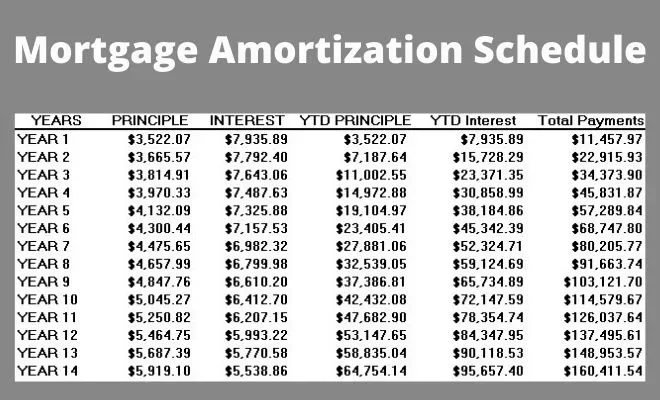
The shift from interest to principal happens gradually. You will not wake up one day and see a sudden jump. Instead, it is a slow climb. Each payment reduces the balance by a little more than the month before. That smaller balance creates a smaller interest charge. Then, the next payment has even more room to attack the principal. This cycle keeps repeating for the life of the loan. If you have a thirty-year mortgage, the first ten years might feel very interest-heavy. The middle years start to balance out. The final years are mostly principal. This pattern is why patience matters. Homeowners who understand this timeline stay motivated. They know their money is working, even when the balance seems stuck. If you want to see this shift clearly, look at your amortization schedule. It shows every payment from start to finish. You can watch the principal column grow month by month. That visual proof helps you stay focused on the long game.
A Simple Example to Show the Split
Let us use a simple example to make this clear. Imagine you borrow three hundred thousand dollars at a fixed rate. Your monthly principal and interest payment stays the same for the life of the loan. In the first month, a large chunk of that payment covers interest. Only a small part reduces the loan balance. Fast forward ten years. Your balance is much lower now. The interest charge has dropped. Now a bigger share of your payment goes toward principal. By the final years, most of your payment is reducing the loan. The payment amount never changed, but the split did. This is the heart of amortization. The same dollar amount does different work over time. Understanding this helps you answer the question of how much of my mortgage payment goes towards principal at any stage of your loan.
Ways to Push More Money Toward Principal
You do not have to wait for the slow shift to happen on its own. You can take control and speed things up. The easiest method is to make extra payments. Even a small extra amount each month can make a big difference. The key is to tell your lender that the extra money should go toward principal. If you do not specify this, the lender might just apply it to next month’s payment. That does not help you save on interest. When you direct extra funds to principal, you lower the balance right away. A lower balance means less interest in the future. That creates a snowball effect. Your extra payment today saves you money for years to come. You can also make one extra payment each year. Some people use a bonus, a tax refund, or a side income stream for this. Another option is to switch to biweekly payments. Instead of twelve payments a year, you make twenty-six half payments. That adds up to one full extra payment annually. All of these strategies help you attack the principal faster.
Quick Tips for Extra Principal Payments
- Label your extra payment: Always mark additional funds as principal-only so the lender applies them correctly.
- Start small: Even fifty dollars extra per month can shorten your loan and save interest.
- Use windfalls wisely: Put tax refunds, bonuses, or gift money toward the loan balance.
- Check for prepayment penalties: Some loans charge a fee for early payoff, so read your contract first.
- Track your progress: Review your balance each year to see how much extra principal you have built.
Common Mistakes When Tracking Principal vs Interest
Many homeowners make simple mistakes when they try to understand their payments. One common error is assuming the payment split stays the same. It does not. The ratio changes every single month. Another mistake is forgetting to direct extra payments to principal. Lenders often apply extras to future interest or escrow unless you say otherwise. That wastes your effort. Some people also confuse principal with equity. Principal is the loan balance you owe. Equity is the value of your home minus what you owe. Paying down principal increases equity, but home value changes too. A rising market can boost equity even if your principal stays the same. On the flip side, a falling market can shrink equity. That is why you should watch both numbers. Another frequent mistake is ignoring refinancing costs. A new loan can reset your amortization clock. You might get a lower rate, but you could also go back to a heavy interest phase. Always compare the total cost before you refinance. Finally, some homeowners skip reviewing their statements. Your monthly statement shows the exact split. Taking five minutes to read it keeps you informed and in control.
How to Check Your Own Payment Split
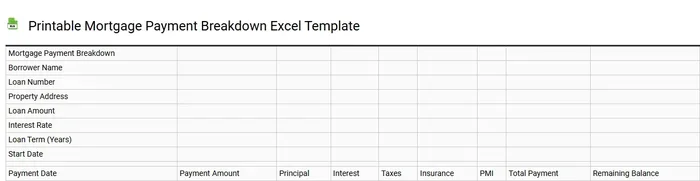
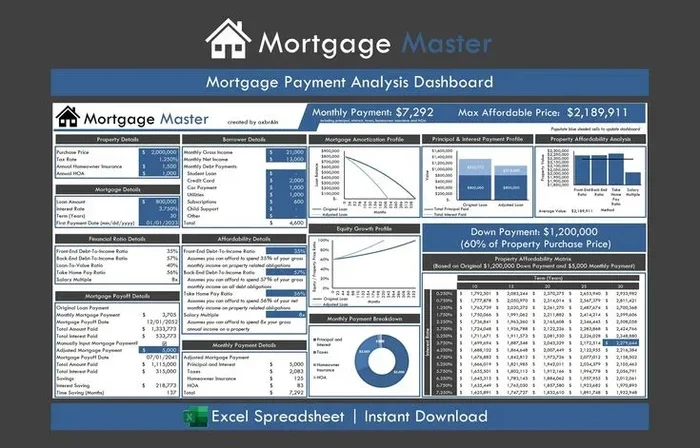
You can find your exact principal and interest split with a few easy steps. Start with your monthly mortgage statement. Most statements show a breakdown of where each dollar goes. Look for lines that say principal, interest, escrow, and fees. If your statement is unclear, log into your lender online portal. Many portals show a payment history and a current balance. You can also ask for an amortization schedule. This document lists every payment from the first month to the last. It shows the exact split for each payment. You can even build a simple spreadsheet to track it yourself. Just list the payment amount, the interest charge, and the principal reduction. Update it each month. This hands-on approach helps you see the pattern clearly. It also helps you plan extra payments with confidence. When you know the numbers, you can make smarter choices. You will no longer wonder how much of my mortgage payment goes towards principal. You will know the answer down to the dollar.
Comparing Payment Strategies
Here is a quick look at how different approaches affect your principal progress:
Visual guide about Mortgage payment breakdown chart
Image source: dreamhomefinancing.com
Visual guide about Mortgage payment breakdown chart
Image source: xlstemplate.com
Visual guide about Mortgage payment breakdown chart
Image source: i.pinimg.com
- Standard monthly payments: Follows the normal amortization schedule with a slow early principal build.
- Extra principal payments: Lowers the balance faster and reduces total interest over the loan life.
- Biweekly payments: Adds one extra full payment each year, which speeds up principal reduction.
- Shorter loan term: A fifteen-year loan usually has higher payments but much faster principal growth.
- Refinancing to a lower rate: Can lower interest costs, but may reset the amortization timeline.
Expert Insights on Building Equity Faster
Financial experts agree on one simple idea: the sooner you reduce principal, the better. Lower principal means less interest charged over time. That frees up money for other goals. Some experts suggest treating your mortgage like a long-term wealth tool. You do not need to rush to pay it off if the rate is very low. But if your rate is high, extra principal payments can act like a guaranteed return. That is because every dollar of principal you remove saves you interest at your loan rate. No stock or savings account can promise that. Other experts focus on balance. They warn against draining your emergency fund just to attack the mortgage. You should always keep some cash for surprises. A balanced approach works best for most families. Pay extra when you can, but keep a safety net. This way, you build equity without risking your financial stability. If you want more guidance on making smart relationship and life decisions while managing money stress, you may find helpful perspectives in articles about how to stop being afraid of everything. Money worries can feel heavy, and a calm mindset helps you make better choices.
Key Takeaways for Homeowners
- Know your split: Check your statement or amortization schedule to see the exact principal and interest breakdown.
- Direct extras to principal: Always specify that additional payments should reduce the loan balance.
- Think long term: Small extra payments add up to big interest savings over time.
- Keep a safety net: Do not empty your savings to pay down the loan faster.
- Review your rate: If your rate is high, extra principal payments offer a strong return.
- Stay consistent: Regular extra payments work better than random large ones.
Final Thoughts on Your Mortgage Principal Journey
Understanding how much of my mortgage payment goes towards principal gives you power over your financial future. You no longer have to guess where your money goes. You can see the interest cost shrink as your balance falls. You can also take action to speed up the process. Extra payments, biweekly plans, and careful tracking all help. The key is to stay informed and consistent. Your mortgage is a long-term commitment, but it does not have to feel mysterious. Break it down, watch the numbers, and make choices that fit your goals. Over time, you will build more equity and pay less interest. That is a win worth working for.
Frequently Asked Questions
What percentage of my mortgage payment goes to principal in the first year?
In the first year, a smaller portion of your payment goes to principal, often around ten to twenty percent, while the rest covers interest. The exact split depends on your loan amount, interest rate, and term length. Over time, this percentage grows as your balance decreases.
Can I make extra payments to reduce the principal faster?
Yes, you can make extra payments, but you should specify that the additional funds go toward principal only. This lowers your balance immediately and reduces future interest charges. Always check your loan terms for any prepayment penalties before you start.
Does my total monthly payment change as more goes toward principal?
Your principal and interest payment usually stays the same on a fixed-rate loan, even though the split changes over time. The total may change if your taxes, insurance, or escrow amounts change. But the core loan payment remains level throughout the term.
How can I see exactly how much of my payment goes to principal?
You can check your monthly mortgage statement or log into your lender online portal for a payment breakdown. You can also request an amortization schedule, which shows the exact principal and interest split for every payment. A simple spreadsheet can also help you track the numbers yourself.
Will refinancing help more of my payment go toward principal?
Refinancing can lower your interest rate, which may reduce the interest portion of each payment. However, it can also reset your amortization schedule, bringing you back to a more interest-heavy phase. Always compare the total costs and timeline before deciding to refinance.
Is it better to pay down principal or invest extra money instead?
It depends on your mortgage rate, your other debts, and your financial goals. If your loan rate is high, extra principal payments offer a guaranteed savings on interest. If your rate is low, you might earn more by investing elsewhere. A balanced plan often works best for most people.
