
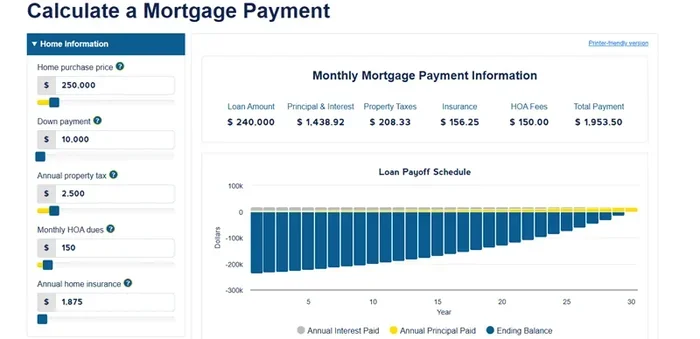
When you make a monthly home loan payment, only a small portion goes toward reducing your actual debt. In the early years, most of your money pays interest, but the principal portion grows steadily over time. Understanding this split helps you build equity faster, plan extra payments wisely, and save thousands in total interest.
Key Takeaways
- Early payments are interest-heavy: In the first few years, most of your monthly payment covers interest, not the loan balance.
- Principal share grows gradually: Each payment shifts slightly more toward reducing your actual debt as the balance drops.
- Amortization schedules show the exact split: Your lender provides a clear breakdown of how every payment divides between interest and principal.
- Extra payments accelerate equity: Even small additional amounts applied directly to principal can shorten your loan term and cut interest costs.
- Refinancing changes the payment structure: A new loan resets the amortization curve, which can lower monthly costs but delay principal growth.
- Biweekly payments boost progress: Splitting your payment in half twice a month adds one extra full payment yearly, speeding up debt reduction.
- Track your balance regularly: Watching your principal drop keeps you motivated and helps you adjust your payoff strategy.
📑 Table of Contents
- How Much of Your Mortgage Payment Goes to Principal
- Understanding the Amortization Schedule
- How Lenders Calculate Principal vs Interest
- The Early Years: Why Principal Feels Slow
- How Extra Payments Change the Principal Split
- Biweekly Payments and Other Smart Strategies
- Tracking Principal Growth and Measuring Progress
- Expert Insights on Principal Growth
How Much of Your Mortgage Payment Goes to Principal
Paying a home loan feels simple at first. You send the same amount every month, and the balance slowly drops. But the math behind that process is more interesting than it seems. In the beginning, a large slice of your payment covers interest. Only a smaller slice actually reduces what you owe. Over time, that split flips. The interest portion shrinks, and the principal portion grows. This natural shift is called amortization, and it shapes your entire repayment journey.
Understanding this breakdown gives you real power. You can see exactly where your money goes. You can plan extra payments with confidence. You can also avoid costly surprises when you refinance or sell your home. If you have ever wondered how much of your mortgage payment goes to principal, you are not alone. Many homeowners assume the split stays the same, but it changes every single month. The good news is that you can work with this system instead of fighting it. Let us walk through the details in plain language.
Understanding the Amortization Schedule
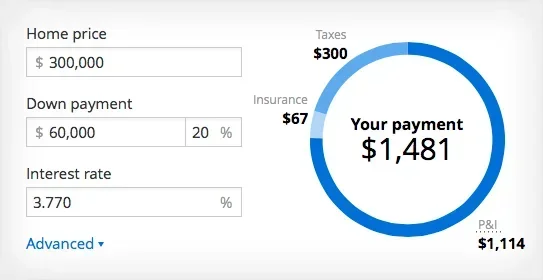
Visual guide about home mortgage payment calculator
Image source: zillowstatic.com
An amortization schedule is simply a roadmap for your loan. It shows how each payment divides between interest and principal from month one until the balance reaches zero. Lenders create this schedule when they approve your loan. You can also build one yourself using a basic calculator or an online tool. The schedule matters because it reveals the true cost of borrowing and the pace of your equity growth.
When you first start paying, the loan balance is at its highest. Interest is calculated on that full amount, so the interest charge is also high. That means your early payments lean heavily toward interest. As you keep paying, the balance drops. A lower balance means less interest each month. The payment amount usually stays the same, so the extra room goes straight to principal. This is why the principal portion grows slowly at first, then picks up speed in the later years.
What the Schedule Shows
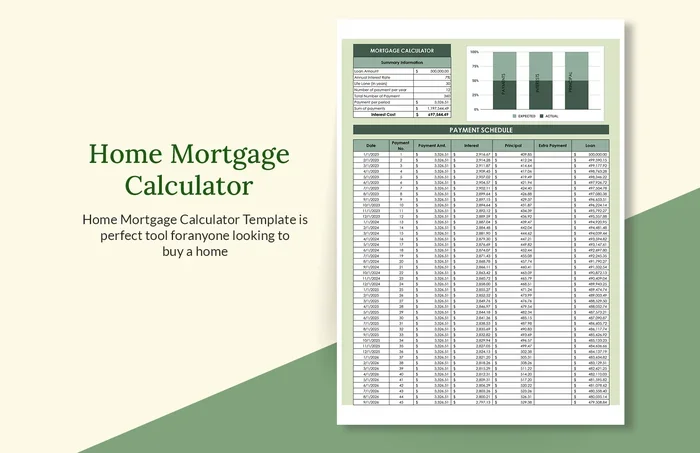
A clear schedule lists several key details for every payment. You will see the payment number, the total amount due, the interest portion, the principal portion, and the remaining balance. This breakdown helps you track progress without guessing. You can also spot milestones, like when the principal share finally overtakes the interest share. That moment usually arrives halfway through a standard thirty-year term, but it varies based on your rate and loan size.
Why the Split Changes Over Time
The split changes because interest is always tied to the current balance. Think of it like a sliding scale. When the balance is high, the interest charge is high. When the balance falls, the interest charge falls too. Your total payment stays fixed in most fixed-rate loans, so the math automatically redirects more money toward principal as time goes on. This design keeps your monthly cost predictable while still paying off the debt on schedule.
How Lenders Calculate Principal vs Interest
Visual guide about home mortgage payment calculator
Image source: images.template.net
Lenders use a straightforward formula to split each payment. They first calculate the interest for that month based on the remaining balance and your interest rate. Then they subtract that interest from your total payment. The leftover amount goes to principal. This process repeats every month with a slightly smaller balance, which means a slightly smaller interest charge, which means a slightly larger principal payment. The cycle continues until the loan is fully paid.
Your interest rate plays a huge role in this calculation. A higher rate means more of your early payment goes to interest. A lower rate means more goes to principal from the start. Loan term matters too. A longer term spreads payments out, which keeps the monthly amount lower but slows down principal growth. A shorter term pushes more money toward principal each month, even though the payment is higher. If you want to know how much of your mortgage payment goes to principal, start by looking at your rate and term together.
The Role of Your Interest Rate
Interest rates act like a thermostat for your payment split. When the rate climbs, the interest portion heats up. When the rate drops, the interest portion cools down. Even a small rate difference can change the early payoff pace by a noticeable amount. That is why shoppers compare rates carefully before locking in a loan. A better rate does not just lower the monthly bill. It also helps you build ownership faster.
Fixed Rate vs Adjustable Rate Loans
Fixed-rate loans keep the same interest rate for the life of the loan. That makes the payment split easier to predict. You know exactly how the principal portion will grow each year. Adjustable-rate loans can change after an initial period. When the rate shifts, the payment split can change too. Sometimes the payment goes up, and sometimes the principal portion shrinks temporarily. If you choose an adjustable loan, it helps to review the adjustment schedule and plan for possible changes.
The Early Years: Why Principal Feels Slow
Visual guide about home mortgage payment calculator
Image source: image.wordlayouts.com
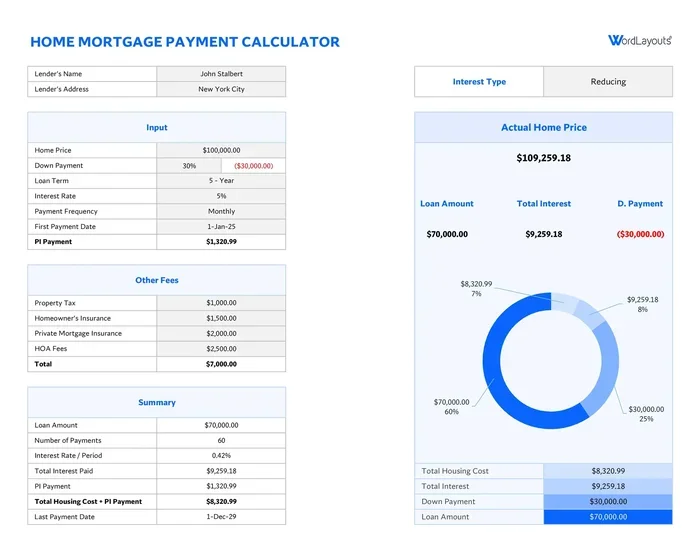
Many homeowners feel frustrated in the first few years. They send in payments for months and see only a small drop in the balance. That feeling is completely normal. In a standard long-term loan, the early payments are heavily weighted toward interest. You are not doing anything wrong. The math is simply working through the largest balance first. Once you understand this pattern, it becomes much easier to stay patient and keep a long-term view.
This slow start is also why extra payments can make such a big difference early on. When you add even a little extra toward principal in the first years, you reduce the balance sooner. A lower balance means less interest in every future month. That creates a ripple effect that speeds up the whole process. If you are wondering how much of your mortgage payment goes to principal during the first five years, the answer is usually a modest share that grows a little each month.
Why the Balance Drops Slowly at First
The balance drops slowly because interest eats up a big share of the early payments. The loan is designed to cover that interest first, then apply the remainder to principal. Since the balance is largest at the start, the interest charge is also largest. As the years pass, the balance shrinks, the interest charge shrinks, and the principal portion gets a bigger slice of the same payment. The process is steady, not random.
How to Stay Motivated During the Slow Phase
Staying motivated helps you keep going when progress feels invisible. One useful habit is to review your amortization schedule once or twice a year. Seeing the numbers on paper makes the growth feel real. Another helpful habit is to mark small wins, like reaching a lower balance threshold or completing a full year of on-time payments. You can also set a simple goal, such as making one extra principal payment each year. Small actions add up, and they remind you that you are moving forward.
How Extra Payments Change the Principal Split
Extra payments are one of the most effective tools for speeding up principal growth. When you pay more than the required amount, you can ask your lender to apply the excess directly to principal. That lowers the balance immediately. A lower balance means less interest next month, which means more of your regular payment goes to principal too. The effect compounds over time, and the payoff date moves earlier.
You do not need a huge budget to benefit from extra payments. Even a small amount helps. Some homeowners add a little each month. Others make one extra full payment each year. Some use windfalls like tax refunds or work bonuses. The best approach is the one you can stick with consistently. If you want to know how much of your mortgage payment goes to principal after you start paying extra, the answer is simple: more than before, every single month.
Applying Extra Funds Directly to Principal
Make sure the extra money goes to the right place. Some lenders apply overpayments to the next month automatically, which does not help you save interest. Tell your lender clearly that you want the extra amount applied to principal. Keep records of every additional payment. A quick email or written note can prevent confusion later. Clear communication ensures your extra effort actually reduces the debt.
One Extra Payment Per Year Strategy
This strategy is simple and powerful. You take your regular monthly payment, divide it by twelve, and add that amount to each monthly payment. Over a year, you end up making one extra full payment without feeling a big monthly strain. Another version of this idea is to make a full extra payment whenever you can, like in December or during a bonus month. Both methods lower the balance faster and shorten the loan term.
Biweekly Payments and Other Smart Strategies
Biweekly payments are another popular way to boost principal growth. Instead of paying once a month, you pay half the amount every two weeks. Because there are fifty-two weeks in a year, this creates twenty-six half-payments, which equals thirteen full payments. That extra payment slips in quietly and reduces the balance faster. Many people like this method because it lines up well with paycheck schedules.
There are other useful strategies too. Some homeowners round up their payment to the nearest hundred. Others put any small surplus toward principal whenever they can. Some combine methods, like biweekly payments plus an annual extra payment. The key is consistency. A modest plan you follow is better than an aggressive plan you abandon. If you are tracking how much of your mortgage payment goes to principal, these habits can noticeably change the answer over time.
How Biweekly Payments Accelerate Principal
Biweekly payments work because they shrink the balance more often. Each half-payment reduces the loan a little sooner than the monthly schedule would. That means interest is calculated on a slightly smaller balance more frequently. The result is a faster drop in the total balance and a quicker shift toward principal dominance. It is a gentle but effective way to stay ahead without restructuring your loan.
Rounding Up and Small Habits That Help
Small habits matter when they happen regularly. Rounding up your payment creates a little extra principal reduction every month. Setting aside spare change or using a small automatic transfer can also build momentum. The goal is not perfection. The goal is steady progress. Over many months, these tiny additions can save interest and help you own more of your home sooner.
Tracking Principal Growth and Measuring Progress
Tracking your progress keeps you informed and motivated. You do not need complicated tools to do this. Start with your amortization schedule and compare it to your actual payments. Note the remaining balance after each payment. Watch how the principal portion grows month by month. If you make extra payments, update your numbers to see the new trajectory. This simple habit turns a vague goal into a clear picture.
You can also use a spreadsheet or a basic loan tracker. List the payment number, the total paid, the interest amount, the principal amount, and the remaining balance. Update it after each payment. Over time, you will see the pattern clearly. The interest line will fall, and the principal line will rise. That visual progress is encouraging, and it helps you make smarter decisions about refinancing, selling, or paying extra.
Simple Ways to Monitor Your Loan Balance
Check your statement each month and compare the balance to your records. Look for the principal reduction line and confirm it matches your expectations. If your lender offers an online portal, use it to view the current balance and payment breakdown. A quick monthly review takes only a few minutes, but it keeps you connected to your progress. You will know exactly where you stand instead of guessing.
When to Reconsider Your Payoff Plan
Life changes, and your plan can change with it. If your income rises, you may want to increase extra payments. If your expenses grow, you may need to pause and keep the regular schedule. If rates drop significantly, refinancing might make sense, though it can reset the amortization clock. Review your plan once or twice a year and ask whether it still fits your goals. A flexible approach keeps you in control.
Common Mistakes to Avoid
One common mistake is assuming all overpayments automatically reduce principal. Another is ignoring the amortization schedule and losing sight of the payment split. Some people also chase payoff too aggressively and drain their emergency savings. That can create stress if an unexpected expense appears. A balanced plan protects your cash flow while still moving you forward. Smart progress is steady progress.
Expert Insights on Principal Growth
Financial professionals often remind homeowners that consistency beats intensity. A small extra payment every month can outperform a large one-time payment that never gets repeated. They also suggest keeping a healthy emergency fund before speeding up payoff too aggressively. Your home is a major asset, but liquidity still matters. The best plan usually combines regular payments, modest extra principal contributions, and a clear view of your long-term goals.
Experts also note that the true value of principal growth goes beyond math. Each dollar applied to principal is a dollar of ownership you keep. That builds financial flexibility. It can also reduce stress because the debt shrinks on a visible timeline. When you understand how much of your mortgage payment goes to principal, you can make choices that fit your life instead of following a vague routine.
Key Takeaways for Homeowners
Focus on the long game. The principal portion starts small, but it grows reliably. Extra payments and biweekly schedules can speed that growth without requiring a complete lifestyle overhaul. Track your balance, communicate clearly with your lender, and keep your plan realistic. These habits turn a standard loan into a manageable path toward full ownership.
Final Thoughts on Your Payment Split
Your monthly payment is doing more than keeping the loan current. It is slowly converting interest cost into real ownership. In the beginning, the principal share is modest. Over time, it becomes the larger piece of the puzzle. If you want to move faster, you can. If you prefer a steady pace, that works too. Either way, knowing how much of your mortgage payment goes to principal gives you clarity, confidence, and control. Use that knowledge to shape a payoff plan that feels right for your household and your future.
Frequently Asked Questions
How much of my mortgage payment goes to principal in the first year?
In the early months, only a small portion goes to principal because most of the payment covers interest on the large initial balance. The exact amount depends on your loan size, interest rate, and term. Over time, the principal portion grows each month as the balance shrinks.
Why does so little of my payment go to principal at first?
Interest is calculated on the full remaining balance, which is highest at the start of the loan. That means the interest charge takes up most of the early payment. As you pay down the balance, the interest charge drops and more of your payment goes to principal.
Can I make extra payments to increase the principal portion?
Yes, extra payments can reduce the balance faster and increase the principal portion of future payments. Make sure your lender applies the extra amount directly to principal rather than advancing the due date. Even small additional payments can create meaningful savings over time.
Do biweekly payments really help pay down principal faster?
Biweekly payments can help because they create one extra full payment each year. That extra payment lowers the balance sooner, which reduces future interest and shifts more of each payment toward principal. This method works best when you keep it consistent.
Does refinancing change how much of my payment goes to principal?
Refinancing usually resets the amortization schedule, which can change the payment split. A new loan may lower your monthly payment, but it can also slow principal growth in the early years. Review the new amortization breakdown before deciding if refinancing fits your goals.
How can I track how much of my mortgage payment goes to principal each month?
You can check your lender statement, amortization schedule, or online loan portal for a monthly breakdown. These tools show the interest amount, principal amount, and remaining balance. Updating a simple spreadsheet also helps you see the trend over time.