

If you are asking can a bank switch currency on a mortgage contract, the short answer is yes, but only under specific conditions. Banks usually need your written consent before changing the currency of your home loan. This guide explains the rules, your protections, and smart steps to protect your finances.
Key Takeaways
- Consent matters: A bank generally cannot change your mortgage currency without your signed agreement.
- Contract terms rule: Your original loan agreement defines whether currency changes are allowed.
- Legal protections exist: Many regions require clear disclosure and fair treatment during currency switches.
- Risk changes: Switching currency can alter your interest costs, repayment amounts, and exchange rate exposure.
- Negotiation is possible: You can often ask for better terms, fees waivers, or alternative solutions.
- Professional advice helps: A mortgage broker or legal expert can review your contract and options.
- Document everything: Keep records of all communications, forms, and updated loan statements.
📑 Table of Contents
- Can a Bank Switch Currency on a Mortgage Contract
- Understanding Mortgage Currency Basics
- Can a Bank Switch Currency on a Mortgage Contract Without Permission
- Legal and Contractual Rules to Watch
- Risks and Benefits of Switching Mortgage Currency
- Steps to Take If Your Lender Proposes a Currency Switch
- Practical Tips to Protect Your Mortgage Terms
- Expert Insights on Mortgage Currency Changes
- Final Thoughts on Can a Bank Switch Currency on a Mortgage Contract
Can a Bank Switch Currency on a Mortgage Contract
Buying a home is one of the biggest money decisions you will ever make. When your loan paperwork is in order, you expect the terms to stay steady. But sometimes life changes, and lenders may suggest adjustments. One question that comes up surprisingly often is can a bank switch currency on a mortgage contract. The answer depends on your loan agreement, local laws, and whether you agree to the change.
People ask this for many reasons. Maybe you moved to a new country. Maybe your income is now in a different money type. Maybe the bank says a switch could lower your costs. Whatever the reason, you deserve a clear explanation. This article breaks down how currency switches work, what rights you have, and what steps you can take to protect yourself.
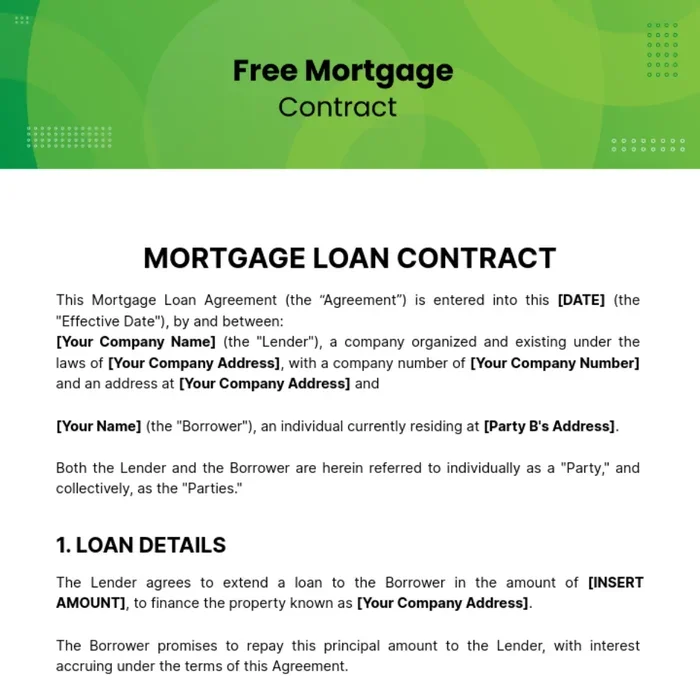
Let’s start with the basics. A mortgage contract is a legal promise between you and your lender. It lists the loan amount, interest rate, repayment schedule, and the currency used for payments. If the currency changes, the value of your payments can change too. That is why lenders must follow strict rules and usually need your permission.
Understanding Mortgage Currency Basics
Your mortgage currency is simply the money type used to calculate your payments. Most home loans use the local currency where the property sits. That makes sense because your income and property value are usually tied to that same money. When everything matches, budgeting feels easier and more predictable.
Visual guide about mortgage contract currency exchange
Image source: images.template.net
Sometimes, though, a loan may be set up in a foreign currency. This can happen if you earn money abroad or if you bought property in a different country. In those cases, your payments may rise or fall based on exchange rates. That adds a layer of risk that many borrowers do not expect at first.
Here are a few key points to know:
- Local currency loans usually offer more stability for homeowners living in the same country.
- Foreign currency loans can create exchange rate risk, which may increase your payment burden.
- Contract language decides whether the lender can propose a currency change later.
- Disclosure rules often require the bank to explain risks before you sign.
If you are unsure which currency your loan uses, check your original agreement. Look for the section that lists the payment currency and exchange terms. If the wording feels confusing, ask your lender for a plain language explanation. You have the right to understand what you signed.
Why Currency Type Matters for Home Loans
Currency choice affects more than just the numbers on a statement. It can change your monthly budget, your long-term costs, and even your stress level. If your income is in one currency and your mortgage is in another, you may face extra uncertainty. A shift in exchange rates could make your payments feel much heavier.
That is why borrowers often want stability. They want to know that their repayment plan will not suddenly change because of money market movements. When a bank talks about switching currency, it is not just a paperwork update. It can reshape the entire cost of the loan.
Can a Bank Switch Currency on a Mortgage Contract Without Permission
This is the heart of the question. In most cases, a lender cannot force a currency change on a mortgage contract without your consent. Your loan agreement is a binding document. If it says payments will be made in a specific currency, the bank usually must honor that term.

Visual guide about mortgage contract currency exchange
Image source: thumbs.dreamstime.com
There are some exceptions, but they tend to be limited. A bank may have the right to adjust certain terms if the contract clearly allows it. Even then, the lender must follow the rules written in the agreement and any applicable laws. Hidden changes are not acceptable. You should not wake up to a new payment currency without explanation.
A few common situations can lead to a currency discussion:
- Moving abroad: Your income may change currency after a relocation.
- Property use changes: A lender may review the loan if the home is no longer your main residence.
- Refinancing: A new loan may come with a different currency structure.
- Bank policy updates: Some lenders may offer currency options during renewal.
If your lender wants to switch the currency, ask why. Ask what changes in cost, risk, and repayment terms. Most importantly, ask for the request in writing. Verbal suggestions are not enough when money and contracts are involved.
When a Currency Switch May Be Allowed
A currency switch may be allowed when you agree to it in writing. It may also be allowed if your original contract includes a clear clause permitting such changes. In some refinancing situations, a new contract replaces the old one, which can create a new currency arrangement.
Even when a switch is allowed, it should be transparent. You should understand the new interest rate, payment schedule, and any fees. You should also know whether the switch affects penalties or early payoff terms. A change in currency can come with a change in overall loan conditions.
Legal and Contractual Rules to Watch
Mortgage contracts are legal documents, so the rules matter. The exact protections depend on where the property is located and which laws apply. Still, a few common principles show up in many places. Lenders usually must act fairly, explain changes clearly, and respect the signed agreement.
Visual guide about mortgage contract currency exchange
Image source: analystprep.com
If a bank wants to modify your loan, it may need to provide notice. It may also need your signature on a modification form. In some cases, you can refuse the change and keep the original terms. In other cases, the lender may say the loan will be reviewed at renewal time.
Important items to review include:
- Modification clauses: These sections explain whether terms can change later.
- Notice requirements: These define how much warning you should receive.
- Consent rules: These show whether your signature is required.
- Consumer protections: These may limit unfair changes or unclear practices.
If you feel unsure, read the document slowly. If needed, ask a legal professional or housing advisor to review it. A second set of eyes can help you spot risky language.
Key Contract Terms That Affect Currency Changes
Some phrases in your loan agreement carry extra weight. For example, a clause may mention “currency conversion,” “payment currency,” or “exchange rate adjustments.” Another clause may explain how the lender handles international payments. These details can shape your options.
Also look for sections about loan modifications, renewals, and default. A currency switch might be tied to a broader contract update. If the lender bundles several changes together, make sure you understand each one before signing.
Risks and Benefits of Switching Mortgage Currency
A currency switch is not automatically good or bad. It depends on your situation. For some borrowers, moving to a local currency brings peace of mind. For others, it may reduce flexibility or create new costs. The key is to compare the old setup with the new one very carefully.
Possible benefits may include:
- Simpler budgeting if your income and mortgage use the same currency.
- Less exchange rate stress if you no longer rely on foreign money movements.
- Easier banking if payments move through a local account.
Possible risks may include:
- Higher costs if the new currency comes with less favorable terms.
- Conversion fees that reduce the value of the switch.
- Unclear long-term impact if exchange rates or rates change later.
Before agreeing, ask for a side-by-side comparison. Look at the monthly payment, total interest, fees, and flexibility. A switch should make sense for your finances, not just for the bank’s convenience.
How to Compare the Old and New Currency Terms
A simple comparison can save you from costly surprises. Start with the payment amount. Then check the interest rate and loan term. Next, review any fees for conversion, processing, or early repayment. Finally, think about your future income and currency exposure.
If the new terms look similar on paper, dig deeper. Ask how the bank calculates payments after the switch. Ask whether the rate is fixed or variable. Ask what happens if exchange rates move again. Small details can make a big difference over time.
Steps to Take If Your Lender Proposes a Currency Switch
If your bank brings up a currency change, do not rush. Take a breath and gather information. A careful approach helps you avoid pressure decisions. Here is a practical process you can follow:
- Read the request carefully. Look for what is changing and why.
- Check your current contract. Confirm the existing currency terms.
- Ask for a written explanation. Do not rely on casual comments.
- Compare costs. Review payment amounts, rates, and fees.
- Check your income situation. Make sure the new currency matches your cash flow.
- Seek advice if needed. A broker, advisor, or legal expert can help.
- Respond in writing. Keep a clear record of your decision.
If you agree to the switch, make sure the final documents match what you were told. If you disagree, say so clearly and keep copies of everything. A calm, documented response is often the best protection.
Questions to Ask Before You Agree
Good questions can reveal a lot. Ask how the switch affects your monthly payment. Ask whether any fees apply. Ask if the interest rate changes. Ask whether the loan term changes. Ask what happens if you want to pay off the loan early.
Also ask how the bank will handle future exchange movements if the new currency still carries that risk. If the answer feels vague, pause and get clarification. You are making a long-term commitment, so the details should be clear.
Practical Tips to Protect Your Mortgage Terms
The best defense is preparation. When you understand your contract, you are less likely to be surprised. Keep your loan documents in one place. Review them before you move, refinance, or change jobs. If something feels off, ask questions early.
A few smart habits can help:
- Keep copies of your original mortgage agreement and any updates.
- Track communication with your lender, including emails and letters.
- Review statements each month to confirm the payment currency.
- Ask for plain language whenever a term feels confusing.
- Compare options before signing any modification or refinance.
If you are dealing with cross-border income or property, it may also help to learn more about related money and relationship decisions. For example, some readers also explore topics like how to manage shared expenses carefully when money is tight. Others look at budget-friendly planning when balancing costs. These are different topics, but they reflect the same idea: clear planning helps reduce stress.
If your mortgage situation is tied to a bigger life change, it may be useful to read about pausing major decisions when you need more time. Big financial choices often feel easier when you slow down and think clearly.
Common Mistakes to Avoid
Some borrowers agree too quickly because they feel pressured. Others assume a currency switch is harmless because it sounds simple. Both reactions can create problems. Take your time and verify the details.
Another common mistake is ignoring fees. A switch may look attractive until you add conversion costs, administrative charges, or new interest terms. Also, do not rely on verbal promises. If a lender says something important, ask for it in writing.
Expert Insights on Mortgage Currency Changes
Experts usually say the same thing: read the contract first. The document tells you what is allowed, what is not allowed, and what process the lender must follow. If the contract is unclear, ask for clarification before making a decision.
Advisors also recommend comparing the full cost, not just the monthly payment. A lower payment may not mean a better deal if fees or rate terms change. They also suggest matching the loan currency to your income whenever possible. That can make your finances more stable and easier to manage.
If your situation is complex, professional help can be worth it. A mortgage advisor, financial planner, or legal consultant may spot issues you missed. That extra review can give you confidence before you sign anything.
When to Get Professional Help
Get help if the contract language is hard to understand. Get help if the lender is changing several terms at once. Get help if the currency switch affects your long-term budget in a major way. And get help if you feel unsure about your rights.
You do not need to handle everything alone. A second opinion can help you avoid mistakes and ask better questions. That is especially true when a loan has cross-border elements or unusual terms.
Final Thoughts on Can a Bank Switch Currency on a Mortgage Contract
So, can a bank switch currency on a mortgage contract? In most cases, it cannot do that without your agreement or a clear contractual right. Even when a switch is possible, it should be explained honestly and documented properly. Your mortgage is too important to leave to guesswork.
The safest approach is simple: read your contract, ask for written details, compare the costs, and get advice if anything feels unclear. If the new currency makes your loan easier to manage and the terms are fair, it may be worth considering. If it adds risk or confusion, you can slow down and ask more questions.
Money decisions are easier when you understand them fully. Take your time, keep records, and protect your interests. A careful borrower is a stronger borrower.
Frequently Asked Questions
Can a bank change my mortgage currency without asking me?
Usually, no. Most lenders need your consent or a clear clause in your contract before changing the payment currency. If you receive such a request, ask for it in writing and review the terms carefully.
What should I check before agreeing to a currency switch?
Check the new payment amount, interest rate, fees, loan term, and any exchange rate risks. Compare the new terms with your current loan so you can see the full impact on your budget.
Can a currency switch increase my monthly payment?
Yes, it can. A switch may change your interest costs, fees, or exchange exposure, which can affect what you owe each month. That is why a side-by-side comparison is so important.
Is it better to have a mortgage in the same currency as my income?
Often, yes. Matching your loan currency to your income can make budgeting simpler and reduce exchange rate stress. Still, the best choice depends on your full financial picture and loan terms.
What if my lender says the currency change is automatic?
Ask for the contract language that allows it. If the agreement does not clearly support an automatic change, you can question the request and request a written explanation of the process.
Should I get professional advice before signing a currency modification?
If the change affects your long-term costs or feels confusing, yes. A mortgage advisor, legal professional, or financial expert can help you understand the risks and confirm that the new terms are fair.
