
Finding what is considered a good interest rate on a mortgage can save you thousands over the life of your loan. Rates change based on your credit score, the economy, and the type of loan you choose. You should compare offers from multiple lenders before you sign any papers. A lower rate means smaller monthly payments and less money paid in interest over time.
Buying a home is one of the biggest money decisions you will ever make. The price of the house matters, but the cost of borrowing money matters just as much. Many buyers focus only on the home price and forget to look closely at the loan costs. That can lead to paying far more than needed over the years.
If you are asking what is considered a good interest rate on a mortgage, you are already asking the right question. A good rate depends on your personal finances, the current market, and the type of loan you pick. This guide will help you understand how rates work, what numbers to watch, and how to compare offers with confidence.
Key Takeaways
- Market rates vary: What is considered a good interest rate on a mortgage changes with the economy and Federal Reserve policies.
- Credit score matters: Higher credit scores usually qualify for lower rates and better loan terms.
- Loan type affects cost: Fixed-rate loans offer stability while adjustable-rate mortgages may start lower but can increase later.
- Compare multiple lenders: Shopping around helps you find the best deal and avoid overpaying on your home loan.
- Watch the APR: The annual percentage rate includes fees and gives a clearer picture of the true cost of borrowing.
- Lock your rate: Rate locks protect you from increases while your loan is being processed and approved.
- Consider points: Paying upfront points can lower your rate, but you should calculate how long it takes to break even.
📑 Table of Contents
- What Is Considered a Good Interest Rate on a Mortgage Today
- Key Factors That Affect Your Mortgage Rate
- How to Compare Mortgage Offers Like a Pro
- Common Mistakes When Shopping for a Mortgage Rate
- Practical Tips to Secure a Better Rate
- Expert Insights on Choosing the Right Mortgage
- Common Mistakes to Avoid
- Key Takeaways
- Conclusion
What Is Considered a Good Interest Rate on a Mortgage Today
Rates move up and down based on many factors. There is no single number that stays good forever. What looks great in one year may feel high in another year. The best way to judge a rate is to compare it with the current average for similar loans.
A good rate is usually one that sits at or below the national average for your loan type and credit profile. It should also fit your budget and long-term plans. If the payment feels comfortable and the total cost of the loan is fair, you are likely looking at a solid offer.
You should also remember that the headline rate is only part of the story. Fees, closing costs, and points can change the real price of the loan. That is why many experts suggest looking at the annual percentage rate, or APR, before you decide. The APR includes some of the extra costs and gives a clearer view of what you will actually pay.
How Lenders Set Mortgage Rates
Lenders do not pick rates at random. They look at the risk of lending to you and the cost of getting the money they will lend. Your credit score, income stability, debt level, and down payment all play a role. The stronger your financial profile, the better your chances of getting a lower rate.
The broader economy also matters. When inflation rises, rates often rise too. When the economy slows, rates may drop to encourage borrowing. Government bonds, investor demand, and monetary policy all influence the market. You cannot control these bigger forces, but you can control how ready you are when you apply.
Fixed-Rate vs. Adjustable-Rate Mortgages
A fixed-rate mortgage keeps the same interest rate for the life of the loan. That means your principal and interest payment stay steady. Many people like this predictability because it makes budgeting easier. If you plan to stay in the home for a long time, a fixed rate can be a smart choice.
An adjustable-rate mortgage, or ARM, usually starts with a lower rate for a set period. After that period ends, the rate can change based on the market. This can be helpful if you plan to move or refinance before the rate adjusts. It can also be risky if rates rise sharply later. You should always ask how much the payment could increase and when it could happen.
Key Factors That Affect Your Mortgage Rate
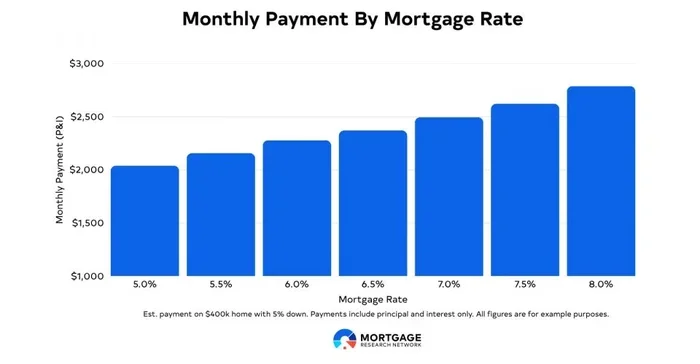
Your rate is not just about the market. It is also about you. Lenders want to know whether you are likely to repay the loan on time. The more confident they feel, the better the rate they may offer. Understanding these factors can help you prepare before you apply.
Visual guide about mortgage interest rate concept
Image source: storage.googleapis.com
Some factors are within your control. Others are not. You can work on your credit, pay down debt, and save for a larger down payment. You cannot control national interest rates or inflation. Still, improving your personal profile can make a real difference in what you are offered.
Credit Score and Payment History
Your credit score is one of the biggest drivers of your rate. Higher scores usually lead to better offers. Lenders see a strong score as a sign that you handle debt responsibly. A lower score can signal more risk, which may lead to a higher rate.
Payment history matters too. Late payments, collections, and other negative marks can hurt your profile. If your credit is not where you want it to be, take time to fix errors, pay bills on time, and reduce balances before applying. Even small improvements can help you qualify for better terms.
Debt-to-Income Ratio and Down Payment
Lenders also look at how much debt you already carry compared with your income. This is called your debt-to-income ratio. A lower ratio usually looks better because it suggests you have room in your budget for a mortgage payment. If your ratio is high, paying down credit cards or other loans may help.
Your down payment matters as well. A larger down payment reduces the amount you need to borrow. It can also show lenders that you have skin in the game. In some cases, a bigger down payment can help you avoid extra costs like private mortgage insurance. That can make the overall loan more affordable.
How to Compare Mortgage Offers Like a Pro
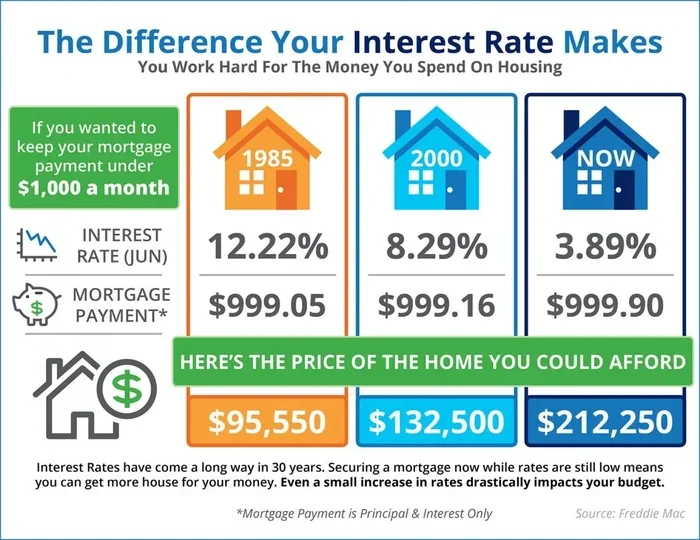
Comparing loan offers can feel confusing because each lender presents information a little differently. One lender may highlight a low rate, while another may focus on low fees. To make a fair comparison, look at the full picture instead of chasing the lowest number on the page.
Visual guide about mortgage interest rate concept
Image source: d8yi0qr1xsq5x.cloudfront.net
Start by collecting the same basic details from each lender. Ask for the interest rate, the APR, the monthly payment, and the estimated closing costs. Write everything down so you can compare side by side. A simple spreadsheet can help you spot the true cheapest option.
Look Beyond the Interest Rate
A low rate can be attractive, but it does not always mean the loan is cheaper. Some lenders charge higher origination fees, processing fees, or discount points. These costs can offset the benefit of a slightly lower rate. That is why the APR is so useful. It helps you compare the total cost more fairly.
You should also ask about rate locks. A rate lock can protect your offer while the loan is being processed. If rates rise during that time, a lock can save you money. Ask how long the lock lasts and whether there are any fees if the closing gets delayed.
Questions to Ask Lenders
Good questions can reveal a lot. Ask how long the rate is valid and what could change it. Ask whether the loan has prepayment penalties. Ask what documents you will need and how long approval usually takes. Clear answers often signal a smoother process.
You can also ask about discount points. Points are upfront fees that may lower your rate. They can make sense if you plan to keep the loan for a long time. If you may move or refinance soon, points may not be worth it. Run the numbers carefully before you decide.
Common Mistakes When Shopping for a Mortgage Rate
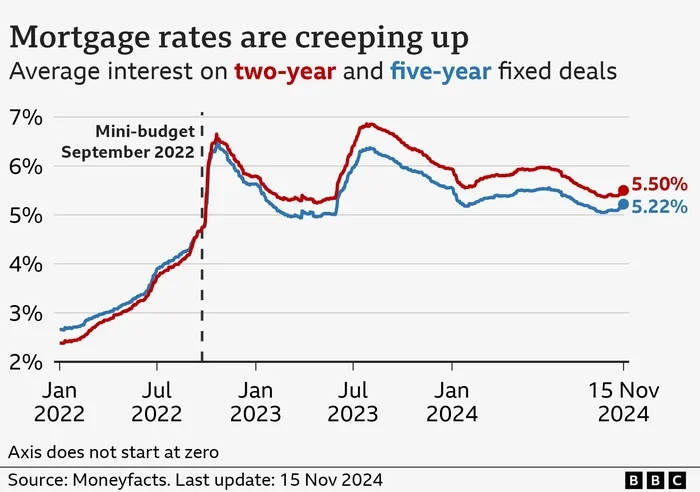
Many borrowers make the same mistakes when they search for a loan. Some focus only on the monthly payment and ignore the total cost. Others apply with only one lender and assume the first offer is the best one. These habits can cost you money.
Visual guide about mortgage interest rate concept
Image source: ichef.bbci.co.uk
Another common mistake is changing your financial picture during the process. Opening new credit cards, making large purchases, or changing jobs can affect your approval. Try to keep your finances steady while your loan is being reviewed. Small changes can sometimes create delays or new conditions.
Not Shopping Around
Some people feel awkward asking multiple lenders for quotes. In reality, shopping around is one of the best ways to protect your budget. Different lenders may offer different rates, fees, and service levels. A little extra effort at the start can pay off in a big way later.
You do not have to choose the first lender you speak with. Compare at least a few offers before you commit. Look for a balance of competitive pricing and reliable service. A smooth process can be just as valuable as a slightly lower rate when stress is high.
Ignoring Closing Costs and Fees
Closing costs can add a lot to your upfront expenses. These may include appraisal fees, title fees, lender fees, and more. If you forget to plan for them, you may feel surprised at the closing table. Ask for a written estimate early so you can budget properly.
Some borrowers also overlook the cost of mortgage insurance when applicable. This can increase the monthly payment and the total loan cost. If you can put more money down or choose a different loan structure, you may be able to reduce or avoid it. Always ask how the full payment is calculated.
Practical Tips to Secure a Better Rate
If you want a stronger rate, preparation is key. The more organized and stable you appear, the better your position may be. You do not need perfect finances, but you do want to show that you are a careful borrower.
Start by checking your credit report. Fix any mistakes you find and pay down high balances if you can. Then gather your income documents, bank statements, and tax records before you apply. When lenders can see a clear picture quickly, the process often goes more smoothly.
Improve Your Financial Profile Before Applying
Paying bills on time is one of the simplest ways to build trust with lenders. Reducing credit card balances can also help your utilization ratio. If you have extra debt, consider paying it down before applying for a mortgage. A cleaner profile can open the door to better offers.
Saving for a larger down payment can help too. It lowers the loan amount and may improve your terms. If a bigger down payment is not possible right now, look for programs that may fit your situation. Some buyers qualify for assistance or special loan options they did not expect.
Time Your Application Wisely
Timing can matter. If rates are trending down, you may want to watch the market closely. If rates are rising, locking in a good offer sooner may make sense. You do not need to guess perfectly, but staying informed can help you make a calmer decision.
It also helps to be ready before you find the home you want. When you are preapproved and organized, you can move faster when the right property appears. That can reduce stress and give you more confidence during negotiations.
Expert Insights on Choosing the Right Mortgage
Many financial professionals suggest focusing on the total cost of the loan, not just the rate. A slightly higher rate with very low fees may be cheaper than a low rate with heavy charges. The right choice depends on how long you plan to keep the loan and how much cash you have available upfront.
Experts also recommend being honest about your future plans. If you expect to move in a few years, an ARM or a shorter-term loan might fit better. If you want stability for many years, a fixed-rate loan may be the safer path. The best mortgage is the one that matches your life, not just the one with the lowest number on the page.
When to Choose Stability Over the Lowest Rate
Sometimes the safest choice is not the cheapest choice at first glance. If you value predictable payments, a fixed rate can give you peace of mind. If you worry about future rate changes, stability may be worth a small premium. Your comfort matters because a mortgage is a long-term commitment.
If you are comparing two offers, ask yourself which one feels easier to live with. Look at the payment, the fees, and the chance of changes later. A loan that fits your budget and your plans is often better than one that only looks good on paper.
Quick Tips for Mortgage Rate Shopping
- Check your credit early: Fix errors and improve your score before you apply.
- Get multiple quotes: Compare at least three lenders to find a fair deal.
- Compare APR, not just rate: The APR reflects more of the true loan cost.
- Ask about points: Make sure any upfront cost makes sense for your timeline.
- Lock when ready: Use a rate lock if you want protection during processing.
- Keep finances steady: Avoid major credit changes while your loan is pending.
Common Mistakes to Avoid
- Chasing only the lowest rate: Fees and terms can make a cheap-looking loan more expensive.
- Skipping comparisons: One quote is rarely enough to know what is available.
- Overlooking closing costs: Upfront costs can add up quickly.
- Making big financial changes: New debt or job changes can complicate approval.
- Forgetting your timeline: The best loan depends on how long you plan to stay in the home.
Key Takeaways
- Understand the market: What is considered a good interest rate on a mortgage depends on current averages and your personal profile.
- Strengthen your application: Better credit, lower debt, and a larger down payment can improve your offer.
- Compare the full cost: Look at APR, fees, and monthly payment together.
- Match the loan to your plans: Choose stability or flexibility based on how long you expect to keep the home.
- Ask clear questions: Good lenders explain locks, points, and potential changes in simple terms.
- Stay financially steady: Avoid major changes while your loan is being processed.
Conclusion
If you are still wondering what is considered a good interest rate on a mortgage, the answer is simple: it is the rate that fits your budget, your credit profile, and your long-term plans without hiding extra costs. A good rate is not just a low number. It is a fair deal that helps you buy a home with confidence.
Take your time, compare several offers, and look at the full cost of each loan. Improve your credit where you can, save where possible, and ask lenders the right questions. With a little preparation, you can find a mortgage that supports your goals instead of straining your finances.
Frequently Asked Questions
What is considered a good interest rate on a mortgage in 2026?
A good rate is usually one that is at or below the current average for your credit profile and loan type. It should also come with reasonable fees and a payment you can comfortably afford.
How much does my credit score affect my mortgage rate?
Your credit score can have a major impact on the rate you are offered. Higher scores often lead to lower rates, while lower scores may bring higher costs because lenders see more risk.
Should I choose a fixed-rate or adjustable-rate mortgage?
Choose a fixed-rate loan if you want steady payments over time. Consider an adjustable-rate mortgage only if you understand the risks and plan to move or refinance before the rate can change.
Why is the APR important when comparing mortgage offers?
The APR includes some fees along with the interest rate, so it gives a clearer picture of the total loan cost. Comparing APRs can help you spot offers that look cheap but actually cost more.
Can I negotiate my mortgage rate?
You may be able to improve your offer by shopping around and asking lenders to match a better quote. A strong credit profile, a larger down payment, and a lower debt load can also help you qualify for better terms.
When should I lock my mortgage rate?
You should consider locking your rate when you have a solid offer and want protection from market increases during processing. Ask the lender how long the lock lasts and whether there are any fees if the closing date changes.
