
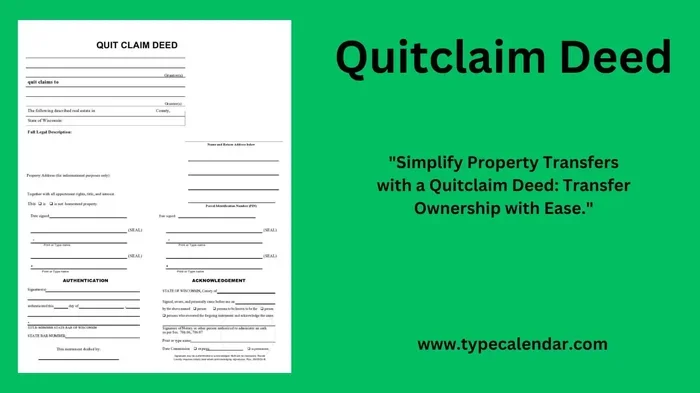
You can do a quit claim deed with a mortgage, but it does not remove the loan. The original borrower stays responsible for payments unless the lender agrees otherwise. Always check your loan terms and talk to a professional before transferring title.
Many people ask the same question when they want to transfer a home: can you do a quit claim deed with a mortgage? The short answer is yes. You can sign a quit claim deed even if the home still has a mortgage. But the deed only changes who owns the property on paper. It does not erase the loan. The original borrower usually stays on the hook for the debt. That is the big catch.
This matters because a mortgage is a contract between the borrower and the lender. A deed is a separate document that moves ownership. These two things work together, but they do not cancel each other out. If you want to add a spouse, remove an ex, or pass a house to a family member, you need to understand both the deed and the loan. Otherwise, you could face surprise fees, credit issues, or even a lender calling the loan due.
In this guide, we will break it down in plain English. You will learn how a quit claim deed works, why the mortgage still matters, what lenders often require, and the smart steps to take before you sign anything. We will also cover common risks, simple examples, and a few questions people ask all the time. By the end, you should feel clear on your options and ready to move forward with confidence.
Key Takeaways
- The mortgage stays with the original borrower. Transferring title does not erase the debt.
- Lenders may have a due-on-sale clause. Some loans require full payoff if ownership changes.
- Quit claim deeds only transfer interest. They do not guarantee clear title or pay off the loan.
- Always review your loan documents first. Know your rights and obligations before signing.
- Get professional help. A real estate attorney or title company can prevent costly mistakes.
- Keep records and communicate. Document every step and keep all parties informed.
📑 Table of Contents
Can You Do a Quit Claim Deed with a Mortgage?
Yes, you can. A quit claim deed transfers whatever ownership interest the current owner has to someone else. It does not check the title, and it does not pay off the mortgage. The deed and the loan are two separate pieces. So you can sign the deed, record it, and change the name on the title even if the house still has a loan.
But here is the key point. The mortgage does not disappear. The lender still expects payments. If the original borrower signed the loan, that person usually stays responsible for it. The new owner may agree to make the payments, but that private promise does not change the loan contract. Only the lender can change the loan contract.
This is why people often feel confused. They think transferring the deed also transfers the debt. It usually does not. If you want the loan to follow the new owner, you need the lender to agree. That process is different from just filing a deed. It often involves a loan assumption, a refinance, or a formal release. Those options depend on the loan type and the lender’s rules.
What a Quit Claim Deed Actually Does
A quit claim deed is simple. It says the current owner gives up any claim to the property and passes that interest to the new owner. It is fast, common, and often used between family members or trusted people. It does not promise that the title is clean. It does not protect the new owner from hidden problems. It only moves the interest the grantor has at that moment.
Because it is so simple, it is also easy to misuse. People sometimes use it when they should use a different tool. For example, if you want a clean title and strong protections, you may need a warranty deed instead. If you only want to add a spouse to the title, a quit claim deed can work, but you still need to check the loan. If you want to remove someone, the same rule applies. The deed changes the title, not the debt.
Why the Mortgage Still Matters
The mortgage is a promise to repay money. That promise is tied to the person who borrowed the funds. When you transfer the deed, the lender does not automatically release that person. The original borrower often stays liable for the full balance. This is the most important thing to remember when you ask, can you do a quit claim deed with a mortgage.
If the new owner stops paying, the lender can still go after the original borrower. Late payments can hurt the original borrower’s credit too. That is true even if the new owner agreed to pay every month. Private agreements do not override the loan contract. Only the lender can change who is responsible.
How the Mortgage and Deed Work Together
Think of the house as two layers. One layer is the title, which shows who owns the property. The other layer is the loan, which shows who owes the money. A quit claim deed changes the title layer. It does not automatically change the loan layer. Both layers matter when you sell, gift, or transfer a home.
This is why the process can feel tricky. You may record the deed and feel done. But the lender may still show the old borrower on the account. The payment history, the balance, and the due-on-sale rules all stay in play. If you want a clean break, you need to deal with the loan too, not just the deed.
The Due-on-Sale Clause
Many mortgages include a due-on-sale clause. This clause lets the lender demand full repayment if the property transfers without the lender’s approval. In plain terms, the lender can say the loan is due now because ownership changed. That does not happen in every case, but it is a real risk. Some transfers are allowed, like transfers to a spouse or a trust, depending on the loan and the law. Other transfers may trigger the clause.
This is another reason to read your loan documents. If your mortgage has this clause, you want to know before you file a deed. You also want to know what transfers the lender may allow. A quick call to the lender or a review with a professional can save you from a big surprise later.
Liability and Payment Responsibility
Liability means who must pay if the loan goes unpaid. With most mortgages, the person who signed the note stays liable. A deed transfer does not erase that. So if you quit claim a house to someone else, your name may still be on the loan. You may also stay on the hook for the full balance if the lender enforces the due-on-sale clause.
This can affect your credit and your finances. If the new owner pays on time, you may be fine. If payments are late or stop, your credit could take a hit. That is why many people choose to refinance or formally assume the loan when they want a true change in responsibility. Those steps involve the lender and create a cleaner break.
Common Reasons People Use a Quit Claim Deed with a Mortgage
People usually use a quit claim deed for simple, personal transfers. They are not always trying to hide anything. Often, they just want to change the names on the title quickly. Here are some common situations where this comes up.
- Adding a spouse. A newly married partner may be added to the title.
- Removing an ex. After a divorce, one person may take over the property.
- Gifting to family. Parents may transfer a home to a child.
- Transferring to a trust. Some people move the property into a living trust.
- Fixing a title issue. Sometimes a name was left off and needs to be added.
In each case, the mortgage still exists. The question is not only can you do a quit claim deed with a mortgage. The real question is whether the transfer makes sense for your loan and your goals. A deed may solve the title problem, but it may not solve the debt problem.
Adding or Removing a Spouse
This is one of the most common uses. After marriage, a partner may want to be on the title. After separation, one partner may want the other removed. A quit claim deed can handle the title change. But the loan may still list both names. If both people signed the mortgage, both may remain responsible. That is why some couples also refinance or speak with the lender about next steps.
If you are adding a spouse, make sure the lender knows what you plan to do. If you are removing a spouse, ask whether the loan can be refinanced in one name only. That may be the cleaner path if the goal is to end financial responsibility for the other person.
Gifting a Home to a Family Member
Some parents want to pass a home to a child without a sale. A quit claim deed can move the title. But the mortgage stays with the original borrower unless the lender agrees to let the child take over the loan. The child may make the payments, but the parent may still be legally responsible. This can be risky if the child runs into money trouble later.
Also, gifting a home can have tax and estate effects. You do not need to become a tax expert today, but you should know that a simple deed may not solve every issue. A quick review with a professional can help you avoid surprises.
What Lenders Usually Require
Lenders care about risk. They want to know who owns the property and who owes the money. When ownership changes, they may ask questions. Some lenders are flexible. Others are strict. Much depends on the loan type, the contract, and the situation. If you are wondering can you do a quit claim deed with a mortgage, the lender’s rules are a big part of the answer.
In many cases, you can record the deed without the lender’s permission. But that does not mean the lender will ignore it. The lender may still enforce the loan terms. If the loan has a due-on-sale clause, the lender may have the right to call the loan due. Some transfers are exempt, but you need to check the details.
Refinancing as a Cleaner Option
Refinancing is often the cleanest way to change responsibility. With a refinance, the new owner gets a new loan in their name. The old loan is paid off, and the old borrower is released. This can be a smart move if the goal is to remove liability and keep the loan current. It is not always cheap or fast, but it can create a cleaner break.
Refinancing also gives the new owner a fresh start with the title and the debt aligned. That is useful when one person will truly own and pay for the home. If refinancing is not possible, the parties may need a written agreement and careful planning. Even then, the original loan may still remain in the background.
Loan Assumption and Lender Approval
Some loans can be assumed by another person. This means the new owner takes over the existing loan with the lender’s approval. Not every loan is assumable. Conventional loans often are not. Some government-backed loans may allow it under certain rules. If assumption is possible, the lender will review the new owner’s credit and income. This is a formal process, not just a deed filing.
If you want the loan to follow the new owner, ask the lender directly. Do not guess. A simple conversation can clarify whether assumption is allowed and what steps are needed. That can save time and prevent a situation where the deed changes but the loan does not.
Risks and Mistakes to Avoid
A quit claim deed is easy to file, but easy does not always mean safe. The biggest mistake is assuming the mortgage goes away. It usually does not. Another common mistake is forgetting to check the loan terms. A third mistake is relying on a handshake deal instead of a clear written plan. These errors can create stress, credit damage, and legal headaches.
When people ask can you do a quit claim deed with a mortgage, they often want a quick fix. Sometimes a quick fix is fine. Sometimes it is not. The right choice depends on the loan, the relationship, and the long-term plan for the home. A few careful checks can prevent big problems later.
Risk of Hidden Title Problems
A quit claim deed does not guarantee a clean title. It only transfers the interest the grantor has. If there are liens, boundary disputes, or other claims, the new owner may inherit those issues. That is why title research matters. Even a simple family transfer can uncover surprises. A title search or title insurance may be wise, especially if the home has had multiple owners or past disputes.
This is not about fear. It is about clarity. A little diligence now can protect everyone later. If the goal is a smooth transfer, check the title as well as the deed and the loan.
Credit and Legal Exposure
If the original borrower stays on the loan, late payments can affect that person’s credit. If the loan goes into default, the lender may pursue the original borrower too. This can happen even if the new owner promised to pay. The lender is not bound by that private promise. Legal exposure can also come from unclear agreements. If money disputes arise later, a vague arrangement can turn into a bigger conflict.
A written agreement can help. It should spell out who pays, who owns the property, and what happens if plans change. It cannot override the lender, but it can reduce confusion between the people involved. Clear expectations are a simple way to lower risk.
Smart Steps Before You Sign
Before you file a quit claim deed, pause and check a few things. Start with the loan documents. Look for the due-on-sale clause and any transfer rules. Then think about the goal. Do you want to change only the title, or do you also want to change who pays the loan? The answer will guide your next move.
Next, talk to the people involved. Make sure everyone understands the deed and the debt. If the new owner will make payments, write that down. If the original borrower wants to be released, explore refinance or assumption options. If the transfer is part of a divorce or family plan, keep the bigger picture in mind. A small amount of planning can prevent a lot of regret.
Check the Loan and the Title
Read the mortgage note and the deed of trust if you have them. Look for language about transfers, assumptions, and due-on-sale rules. Then check the title. See if there are other names, liens, or issues that could affect the transfer. This is basic homework, but it is very important. It helps you answer the real question behind can you do a quit claim deed with a mortgage. You can do it, but should you do it this way?
If anything looks unclear, ask for help. A title company, a real estate attorney, or a knowledgeable professional can explain the details in plain language. You do not need to guess. A little guidance can keep the process smooth.
Write Down the Plan
Even a simple transfer works better with a written plan. List who will pay the mortgage, who will handle taxes and insurance, and what happens if someone wants to sell later. If money is changing hands, note that too. A clear written plan does not replace the loan contract, but it helps the people involved stay on the same page.
Keep copies of everything. Save the deed, the loan statements, and any written agreements. Good records make future questions easier to answer. They also help if the property is sold later or if ownership changes again.
Conclusion
So, can you do a quit claim deed with a mortgage? Yes, you can. The deed can move the title, but the mortgage usually stays with the original borrower. That is the heart of it. The loan contract does not vanish just because the ownership changed. If you want a cleaner break, you may need the lender’s help through refinancing, assumption, or a formal release.
The best move is to look at the whole picture. Check the loan, check the title, and decide what you really want to accomplish. If you only need to change the name on the title, a quit claim deed may be enough. If you also want to change who is responsible for the debt, you will likely need more than a deed. Take your time, ask clear questions, and keep every agreement in writing. That simple approach can protect everyone involved.
Frequently Asked Questions
Can you do a quit claim deed with a mortgage on the house?
Yes, you can sign and record a quit claim deed even if the home still has a mortgage. The deed changes the title, but it does not remove the loan or the original borrower’s responsibility.
Does a quit claim deed remove the mortgage?
No. A quit claim deed only transfers ownership interest. The mortgage remains in place until it is paid off, refinanced, or formally assumed with the lender’s approval.
What happens to the original borrower after a quit claim deed?
The original borrower usually stays responsible for the loan if their name is still on the mortgage. Late payments or default can still affect that person’s credit and finances.
Can a lender call the loan due after a quit claim deed?
It is possible if the mortgage has a due-on-sale clause and the transfer is not allowed under the loan terms. Some transfers may be exempt, so it is important to review the loan documents.
Is a quit claim deed better than a warranty deed for a mortgaged home?
It depends on the goal. A quit claim deed is simpler and often used between trusted parties, but it offers less title protection. A warranty deed gives more guarantees about the title, though it still does not remove the mortgage.
Should I refinance instead of using a quit claim deed?
Refinancing may be a better choice if you want the new owner to take over the debt and the old borrower to be released. A quit claim deed changes the title, but refinancing can also change who is legally responsible for the loan.