
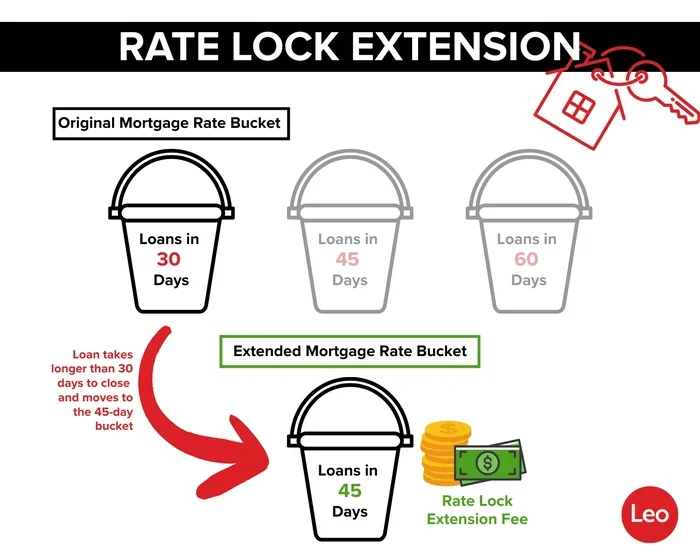
Can you lock in a mortgage rate for 30 years? The short answer is yes, but the details matter. Most lenders offer rate locks for 30 to 60 days, though some extend longer for a fee. A rate lock protects you from rising interest rates during the loan processing period. However, if rates drop, you might miss out on a better deal unless you have a float-down option. Understanding how rate locks work helps you make smarter financial decisions when buying a home.
Buying a home is one of the biggest financial steps you will ever take. Interest rates play a huge role in how much you pay each month. Even a small change in your rate can add up to thousands of dollars over the life of your loan. That is why many homebuyers ask the same question: can you lock in a mortgage rate for 30 years? The answer is yes, but the process is not as simple as it sounds. Let us break it down in plain language.
A mortgage rate lock is a promise from your lender. They agree to hold a specific interest rate for a set period of time. During that window, market rates can go up or down, but your rate stays fixed. This gives you peace of mind while your loan moves through underwriting and closing. The catch is that locks come with time limits. Most standard locks last 30 to 60 days. Some lenders offer longer locks, but they usually cost extra. Understanding these details helps you avoid surprises and keep more money in your pocket.
Key Takeaways
- Rate lock duration varies: Most lenders offer 30 to 60 day locks, but some extend to 90 days or more for a fee.
- Locking guarantees your rate: Once locked, your interest rate stays the same even if market rates rise.
- Float-down options exist: Some lenders let you capture a lower rate if rates drop before closing.
- Extended locks cost more: Longer lock periods often come with higher fees or slightly higher rates.
- Lock expiration matters: If your loan does not close before the lock expires, you may lose the locked rate.
- Talk to your lender early: Discuss lock options before you apply so you can plan your timeline wisely.
- Market conditions influence decisions: In a rising rate environment, locking early can save you money.
📑 Table of Contents
- What Is a Mortgage Rate Lock and How Does It Work?
- Can You Lock in a Mortgage Rate for 30 Years?
- How Long Can You Lock a Mortgage Rate?
- What Does a Rate Lock Cost?
- Float-Down Options and Other Lock Features
- Common Mistakes When Locking a Mortgage Rate
- When Should You Lock Your Mortgage Rate?
- Final Thoughts on Locking Your Mortgage Rate
What Is a Mortgage Rate Lock and How Does It Work?
A mortgage rate lock is a contractual agreement between you and your lender. Once you lock your rate, the lender guarantees that exact interest rate until your loan closes or the lock period ends. This protection matters because mortgage rates change daily based on economic data, bond markets, and lender policies. If rates rise while your loan is being processed, a lock keeps your payment stable.
Rate locks typically include three main parts. First is the interest rate itself. Second is the lock period, which is the number of days the rate stays guaranteed. Third is any associated fee or cost. Some lenders charge a flat fee for the lock. Others build the cost into a slightly higher rate. You should always ask your lender to explain the full terms before you sign anything.
Why Lenders Offer Rate Locks
Lenders use rate locks to manage risk. They need time to process your application, verify your finances, order appraisals, and prepare closing documents. During that time, market rates can shift. A lock protects both you and the lender from sudden changes. It also helps lenders plan their pipeline more accurately. When you understand this, you can see why lock terms vary from one company to another.
Common Lock Periods You Will See
Most borrowers encounter standard lock periods of 30, 45, or 60 days. These windows usually cover the typical time it takes to close a home purchase or refinance. If your transaction needs more time, some lenders offer extended locks of 90 days or longer. These longer locks often come with higher costs. You might pay an upfront fee or accept a slightly higher rate in exchange for the extra time.
Can You Lock in a Mortgage Rate for 30 Years?
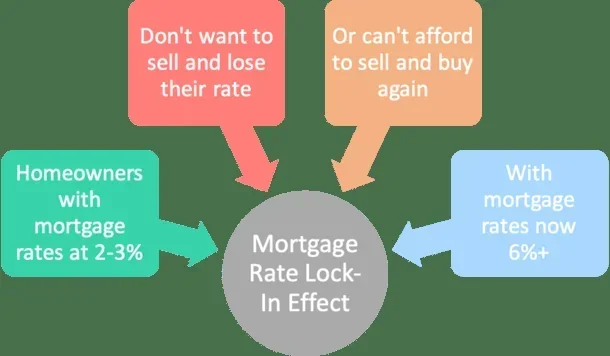
Many people wonder if they can lock a rate for the entire life of a 30 year mortgage. The short answer is that you lock the rate for a specific period before closing, not for the full 30 year term. Once your loan closes, the rate becomes part of your permanent mortgage contract. From that point on, your rate stays fixed for the full term if you have a fixed rate mortgage. So the lock covers the processing window, while the loan agreement covers the decades ahead.
Visual guide about mortgage rate lock contract
Image source: thetruthaboutmortgage.com
This distinction matters because the lock is about timing, not the loan term. You lock the rate while your file is being prepared. After closing, your rate is set for the life of the loan unless you choose to refinance later. If you are asking can you lock in a mortgage rate for 30 years, what you really want is a fixed rate mortgage with a long term guarantee after closing. The lock is just the bridge that gets you there safely.
The Difference Between a Lock and a Fixed Rate Mortgage
A rate lock protects you during the application and underwriting phase. A fixed rate mortgage keeps your interest rate the same for 15, 20, or 30 years after closing. These are two different protections that work together. The lock gets you to the closing table with the rate you expected. The fixed rate loan then carries that rate forward for decades. Knowing the difference helps you ask better questions when you talk to your lender.
What Happens After the Lock Period Ends?
If your loan closes before the lock expires, your rate is locked in for the life of the loan. If the lock expires before closing, you may lose the guaranteed rate. In that case, the lender might offer a new rate based on current market conditions. This new rate could be higher or lower. That is why timeline planning is so important. You want to make sure your closing date aligns with your lock period.
How Long Can You Lock a Mortgage Rate?
Lock lengths vary by lender, loan type, and market conditions. Standard locks usually run 30 to 60 days. Some lenders offer 90 day locks for purchase transactions or complex refinances. Longer locks are less common because they carry more risk for the lender. If you need extra time, you should ask about extended lock options early in the process. This gives you time to compare costs and choose the best fit for your situation.
Visual guide about mortgage rate lock contract
Image source: img.paperform.co
Several factors influence how long you can lock. These include the type of loan, the complexity of the transaction, the lender’s policies, and current interest rate volatility. In a stable market, lenders may offer more flexible lock terms. In a volatile market, they may shorten lock windows or increase fees. Being aware of these factors helps you plan your home buying timeline more realistically.
Typical Lock Periods at a Glance
Here is a simple comparison to help you understand common options.
| Lock Period | Typical Use | Cost Impact |
|---|---|---|
| 30 days | Standard purchases with quick closings | Low or no extra fee |
| 45 days | Moderate timeline purchases | Small fee or slight rate adjustment |
| 60 days | Longer closings or complex loans | Moderate fee or higher rate |
| 90 days or more | New construction or extended timelines | Higher fee or noticeable rate increase |
When Longer Locks Make Sense
Longer locks help when your closing date is uncertain. New construction loans often need more time because the home must be completed before closing. Some purchase deals also face delays due to inspections, repairs, or title issues. If you expect delays, an extended lock can protect you from rate increases. Just remember that extra time usually costs extra money. You need to weigh the risk of rising rates against the cost of a longer lock.
What Does a Rate Lock Cost?
Rate lock costs depend on the lender and the length of the lock. Some lenders include the lock in their overall pricing. Others charge a separate fee. The fee might be a flat amount or a percentage of the loan. In some cases, the cost appears as a slightly higher interest rate rather than a direct charge. You should always ask for a clear breakdown of lock costs before you commit.
Visual guide about mortgage rate lock contract
Image source: i.ytimg.com
A common pricing approach is the lock extension fee. If your closing gets delayed and your lock is about to expire, you may pay to extend it. Extension fees vary widely. Some lenders charge a flat fee, while others adjust the rate. This is another reason to keep your timeline realistic and communicate closely with your loan officer.
Ways Lock Costs Show Up
Lock costs can appear in different forms. Here are the most common ones you might see:
- Upfront lock fee: A one time charge for guaranteeing your rate.
- Rate adjustment: A slightly higher rate to cover the cost of the lock.
- Extension fee: A charge if you need more time after the original lock expires.
- Float-down fee: A cost for an option that lets you capture a lower rate if markets improve.
Is a Rate Lock Worth the Cost?
In many cases, yes. If rates are rising, a lock can save you a lot of money. Even a small rate increase can raise your monthly payment and total interest over time. If rates are falling, you might prefer a float-down option or a shorter lock. The right choice depends on market trends and your personal risk tolerance. Talking through the numbers with your lender can help you see the potential savings or costs clearly.
Float-Down Options and Other Lock Features
A float-down option gives you flexibility. It allows you to lock your rate but still benefit if rates drop before closing. If the market improves, you can take the lower rate instead of staying with your original lock. This feature usually costs more, but it can be valuable in a declining rate environment. Not every lender offers float-down options, so you should ask early if this matters to you.
Some lenders also offer lock and shop programs. These let you lock a rate before you find a home, within certain limits. This can be helpful if you want to secure a rate while you continue your home search. These programs often come with specific rules about property type, lock length, and expiration. Reading the fine print helps you avoid confusion later.
Questions to Ask About Lock Features
When you compare lenders, ask clear questions about their lock terms. Here are some good ones to start with:
- How long is the standard lock period?
- What happens if my closing is delayed?
- Do you offer a float-down option?
- What does the lock cost, and how is it charged?
- Can I lock before I find a property?
- What rate will I get if the lock expires?
Expert Insight on Lock Timing
Many mortgage professionals suggest locking when you feel confident about your closing timeline and market direction. If rates are trending upward, locking earlier can reduce stress and protect your budget. If rates are falling, you might wait closer to closing or choose a float-down feature. The best timing depends on your situation, not just the market. A good lender will help you weigh the trade-offs without pushing you in one direction.
Common Mistakes When Locking a Mortgage Rate
Rate locks are helpful, but they can also create problems if you do not understand the terms. One common mistake is assuming the lock lasts forever. It does not. Another mistake is ignoring the expiration date. If your closing slips past the lock window, you may face a new rate or an extension fee. A third mistake is not comparing lock costs across lenders. Small differences in fees or rate adjustments can add up.
Some borrowers also forget to communicate changes in their loan scenario. If your credit, down payment, or property details change, your locked rate might be affected. Lenders need accurate information to keep the lock valid. Staying transparent and responsive helps the process go smoothly.
Quick Tips to Avoid Lock Problems
Here are some simple habits that can save you trouble:
- Confirm your lock expiration date in writing.
- Track your closing timeline closely.
- Ask about extension policies before you need them.
- Compare lock costs, not just interest rates.
- Keep your financial documents ready to avoid delays.
- Tell your lender immediately if your timeline changes.
Key Takeaways for Smart Lock Decisions
A rate lock is a tool, not a guarantee of perfect timing. Use it to reduce uncertainty, but stay engaged in the process. Ask questions, read the terms, and plan for possible delays. The more you understand about locking, the easier it is to make a confident choice. That is especially true when you are trying to answer a big question like can you lock in a mortgage rate for 30 years, because the real goal is protecting your rate from application to closing and beyond.
When Should You Lock Your Mortgage Rate?
Timing your lock is part strategy and part comfort level. Some borrowers lock as soon as they have a property and a solid loan estimate. Others wait until they are closer to closing. There is no single right answer. The best timing depends on rate trends, your closing schedule, and how much rate movement would affect your budget. If a rate increase would stretch your finances, locking earlier may make sense. If you can absorb some fluctuation, you might wait and keep your options open.
You should also think about the type of loan you are getting. Some loans have more predictable timelines, while others need extra processing time. Purchase loans with quick closings may fit a standard 30 day lock. Refinances or new construction loans may need more flexibility. Matching your lock period to your real world timeline reduces the chance of expiration and extra fees.
Signs It May Be Time to Lock
Here are a few signs that locking your rate could be a smart move:
- Rates have been rising steadily in recent weeks.
- Your closing date is set and unlikely to change.
- Your budget is tight and a higher rate would matter.
- You want peace of mind during underwriting.
- Your lender offers a favorable lock term with low cost.
Signs You Might Wait
Waiting can also make sense in some situations. You might delay locking if rates are falling, your closing date is uncertain, or you have a float-down option that protects you. You might also wait if you are still comparing lenders and want to lock with the best overall offer. Just remember that waiting always carries some risk. The key is to balance that risk against the cost of locking too early.
Final Thoughts on Locking Your Mortgage Rate
So, can you lock in a mortgage rate for 30 years? You can lock a rate for a set period before closing, and then your fixed rate mortgage can carry that rate for the full 30 year term after closing. The lock protects you during the processing window, while the loan agreement protects you for the long haul. That distinction is the key to making a smart decision.
The best approach is to understand your lock terms, compare costs, and align the lock period with your closing timeline. Ask about float-down options if you want flexibility. Keep your documents ready and communicate openly with your lender. These steps help you avoid delays, expiration issues, and unnecessary fees. Most importantly, they help you move forward with confidence.
Buying a home is a big moment, and interest rates deserve careful attention. A well chosen rate lock can give you stability when it matters most. Take your time, ask clear questions, and choose the option that fits your budget and timeline. That way, you can focus on the excitement of homeownership instead of worrying about market swings.
Frequently Asked Questions
Can you lock in a mortgage rate for 30 years before closing?
You can lock a mortgage rate for a specific period before closing, but most locks last 30 to 60 days rather than the full loan term. Once your loan closes, a fixed rate mortgage can keep that rate for 30 years.
What happens if my rate lock expires before closing?
If your lock expires, your guaranteed rate may no longer be valid. The lender may offer a new rate based on current market conditions, and you might also face an extension fee if you need more time.
Do longer rate locks cost more money?
Yes, longer locks often cost more. Lenders may charge a higher fee or offer a slightly higher interest rate to cover the extra risk of holding the rate for a longer period.
What is a float-down option on a mortgage rate lock?
A float-down option lets you keep your locked rate but still capture a lower rate if market rates drop before closing. This flexibility usually comes with an added cost.
Can I lock a mortgage rate before I find a home?
Some lenders offer lock and shop programs that let you lock a rate before you have a property. These programs usually have specific rules about lock length, property type, and expiration.
Is it better to lock early or wait when rates are changing?
It depends on your risk tolerance and market direction. If rates are rising, locking early can protect your budget. If rates are falling, you may prefer to wait or use a float-down option.
