
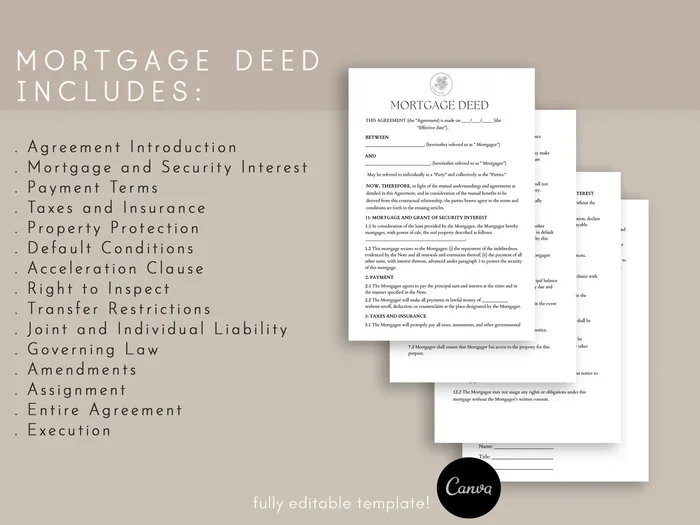
Do I have a deed if I have a mortgage? The short answer is yes. Your deed proves ownership, while your mortgage is just a loan secured by the property. Understanding how these two documents work together helps you protect your investment and avoid common real estate confusion.
Buying a home feels exciting until the paperwork starts piling up. You hear words like deed, title, mortgage, lien, and closing. Then you start asking simple questions that do not get simple answers. One of the most common questions is about ownership. People want to know if they truly own their home when they still owe money on it.
The confusion makes sense. You sign a lot of documents at closing. Some papers transfer ownership. Other papers create a loan. It is easy to mix them up. The good news is that the difference is actually straightforward once you break it down. You do not need a law degree to understand the basics.
In this guide, we will clear up the confusion around property ownership and home loans. We will explain what a deed really does, how a mortgage fits into the picture, and why both documents matter for your financial future. By the end, you will know exactly how ownership works and what to watch for as a homeowner.
Key Takeaways
- You own the deed: A mortgage is a loan, not a transfer of ownership. You still hold the deed.
- The deed proves title: This legal document shows who owns the property and how title is held.
- The mortgage secures the loan: Your lender places a lien on the property until the debt is paid.
- Both documents matter: Keep your deed safe and track your mortgage statements carefully.
- Closing combines both: You sign the deed transfer and mortgage paperwork at the same time.
- Paying off the mortgage releases the lien: Once the loan is gone, the lender removes their claim.
- Store documents securely: Use a fireproof safe or a trusted digital backup for both papers.
📑 Table of Contents
Do I Have a Deed If I Have a Mortgage
The quick answer is yes. Having a mortgage does not take away your deed. In fact, the two documents serve completely different purposes. Your deed shows that you own the property. Your mortgage shows that you borrowed money to buy it. One is about ownership. The other is about debt.
This is one of the most important real estate basics to understand. Many first-time buyers think the bank owns the home until the loan is paid off. That is not how it works in most cases. The bank has a security interest in the property, but you still hold the title. That means you hold the deed too.
Think of it this way. When you buy a car with a loan, you still own the car. The lender just has a lien on it. If you stop making payments, the lender can take steps to recover the money. The same idea applies to a house. Your name is on the deed. The lender’s name is on the mortgage lien.
Understanding this difference helps you feel more confident as a homeowner. It also helps you answer other common questions about property rights, refinancing, and selling. Once you know how the deed and mortgage work together, the whole process feels much less mysterious.
What a Deed Actually Does
A deed is a legal document that transfers ownership of real estate from one person to another. It is the paper that proves you hold title to the property. When you buy a home, the seller signs the deed over to you. After that, the deed is recorded with the local government so the transfer becomes part of the public record.
The deed usually includes important details. It lists the grantor, which is the person transferring the property. It lists the grantee, which is the person receiving it. It also describes the property in a way that clearly identifies it. In many places, the deed includes the legal description, the parcel number, and the signatures needed to make it valid.
There are different types of deeds, and the wording matters. Some deeds offer more protection than others. A warranty deed, for example, usually gives the buyer stronger guarantees about the title. Other deeds may only transfer whatever interest the seller has. That is why buyers often rely on title searches and title insurance during the purchase process.
The deed is not just a piece of paper to file away. It is the foundation of your ownership rights. If you ever sell the home, gift it, or pass it on, the deed plays a central role. It also helps establish your right to use, improve, and enjoy the property within local laws and restrictions.
How a Mortgage Fits Into the Picture
A mortgage is a loan used to buy real estate. It is also the document that creates a lien on the property. That lien gives the lender a legal interest in the home until the loan is repaid. If you default, the lender can use that interest to start foreclosure proceedings, depending on state law and the loan terms.
This is where many people get tangled up. They hear that the bank has an interest in the home and assume the bank owns it. In reality, the lender has a secured interest, not full ownership. You still own the home and hold the deed. The mortgage simply connects the loan to the property.
The mortgage agreement also sets the rules for repayment. It explains the interest rate, the monthly payment, the loan term, and what happens if you miss payments. It may also include details about taxes, insurance, and maintenance. These requirements protect the lender because the property is the collateral for the loan.
When you make your payments on time, the mortgage is simply a financial obligation. It does not take away your ownership rights. You can live in the home, remodel it, sell it, or refinance it, as long as you follow the loan terms and local laws. That is why the deed and mortgage can exist side by side without conflict.
Why the Deed and Mortgage Are Not the Same Thing
The easiest way to separate these two documents is to think about their purpose. The deed answers one question: who owns the property? The mortgage answers a different question: how is the property tied to the loan? They work together, but they do not mean the same thing.
Ownership gives you control over the property within the law. The mortgage gives the lender a way to protect its loan. If the loan is paid off, the mortgage lien is released. The deed remains with you because ownership did not disappear. Only the lender’s security interest ended.
This distinction matters during big life events. If you want to sell the home, the deed helps prove you have the right to transfer it. If you want to refinance, the new lender will look at both the title and the existing mortgage. If you want to pass the home to family, the deed and the loan both need attention.
It also matters when people search for answers online. Some readers ask broader relationship or life questions while trying to understand personal security and stability. For example, some people explore topics like how do I know if someone is a good person when they are trying to figure out who they can trust with major life decisions. Homeownership can feel just as personal. You want to know what you own, what you owe, and who has a claim on your property.
What Happens to the Deed at Closing
Closing is where the deed and mortgage come together in practice. Before closing, the buyer usually does a title search to check for problems. This helps confirm that the seller has the right to transfer the property and that there are no unexpected claims on the home. Title insurance may also be used to reduce risk.
At closing, the seller signs the deed to transfer ownership to the buyer. The buyer signs the mortgage documents to create the loan and the lien. The lender then records the mortgage, and the deed is recorded as well. Recording puts both documents into the public record so the transfer and the lien are officially documented.
This step is important because it creates a clear chain of ownership. It also helps protect the buyer and the lender. Once the paperwork is recorded, the buyer can usually receive the keys and move in. The deed is then held by the buyer, and copies are kept by the title company, the lender, and the local recording office.
If you are the buyer, you should receive a copy of the closing documents. Keep those copies in a safe place. You may also want to store digital backups. A fireproof safe, a secure cloud folder, or a trusted attorney’s office can all be good options, depending on your situation.
What Happens When the Mortgage Is Paid Off
When the mortgage is fully paid, the lender should release its lien on the property. This is often done through a payoff statement and a release document, such as a satisfaction of mortgage or a reconveyance, depending on the state and loan type. That release tells the public that the lender no longer has a security interest in the home.
Paying off the loan does not erase the deed. Your ownership continues. What changes is that the property is no longer tied to the loan. This can make future transactions simpler because there is one less document to deal with during a sale or transfer.
Some homeowners like to celebrate this milestone because it means the home is fully theirs from a debt perspective. Others use the moment to review their broader financial plan. For some people, paying off a mortgage is part of a larger reset in life. They may be adjusting their budget, planning for retirement, or looking for a fresh start. In that sense, it can feel similar to doing a mid year reset for your life, except this one is about long-term stability instead of a calendar change.
Either way, the main point stays the same. The deed proves ownership. The mortgage proof of payment shows the lender’s interest has ended. Both documents still matter, but the loan no longer controls the property.
Common Mistakes Homeowners Make With Deeds and Mortgages
One common mistake is assuming the lender owns the home. That belief can lead to unnecessary fear. You do not lose your deed just because you have a mortgage. You still own the property, subject to the loan terms.
Another mistake is losing track of important documents. Homeowners sometimes forget where they stored the deed, the title policy, or the mortgage statements. When that happens, it can be harder to verify ownership, answer questions during a sale, or resolve paperwork issues later.
Some people also confuse the deed with the title. The deed is the physical document that transfers ownership. Title is the legal concept of ownership itself. You can hold title without holding the original deed in your hand, especially once the document has been recorded. Still, keeping copies is smart.
A few homeowners forget to check their closing package carefully. If something looks wrong, it is better to ask questions before the documents are recorded. Small errors in names, property descriptions, or loan details can create headaches later. It is much easier to fix problems early than after the fact.
Here are a few practical habits that help:
- Keep copies of your deed and mortgage documents in a safe place.
- Review your closing package before you sign.
- Track your loan balance and payment history.
- Store digital backups of important papers.
- Ask for clarification if any document wording feels unclear.
Quick Tips for Protecting Your Ownership Documents
You do not need a complicated system to protect your paperwork. A simple, consistent approach usually works best. The goal is to make sure you can find what you need without stress.
Start by creating one secure location for your home documents. That could be a labeled folder in a fireproof box or a protected digital folder with strong passwords. Include the deed, the mortgage paperwork, the title policy, and any release documents you receive later.
Next, make sure you know where the original records are filed. In most cases, the deed and mortgage are recorded with the county or local recorder’s office. If you ever need an official copy, you can usually request one from the recording office or access it through an online portal, depending on your area.
It also helps to review your documents after major life changes. If you refinance, sell, inherit property, or add a name to the title, the paperwork may change. Keeping your records updated can save time and reduce confusion later.
If you are ever unsure about a document, ask a professional. A real estate attorney, title company representative, or trusted lender can usually explain the basics. It is better to ask a simple question than to guess and miss something important.
Final Thoughts on Deeds and Mortgages
So, do you have a deed if you have a mortgage? Yes, you do. The deed shows that you own the home. The mortgage shows that the home is tied to a loan. Those are separate roles, and both matter. Once you understand that, the whole home buying process becomes much easier to follow.
Ownership and debt are not the same thing. A mortgage does not cancel your deed. It simply gives the lender a secured interest until the loan is paid. When the loan ends, the lien is released, but your ownership stays in place. That is the basic structure behind most home purchases.
If you are buying a home, focus on understanding your closing documents. If you already own a home, keep your deed and mortgage paperwork safe and organized. If you are paying off your loan, celebrate the progress and make sure the lien release is properly recorded. Small habits now can prevent big headaches later.
Homeownership comes with a lot of paperwork, but the core idea is simple. You own the property. The lender has a lien. The deed proves title. The mortgage secures the loan. Once you keep those roles straight, you can make smarter decisions and feel more confident about your home.
Frequently Asked Questions
Do I still own my home if I have a mortgage?
Yes, you still own your home. The mortgage is a loan secured by the property, but it does not take away your ownership. You hold the deed, and the lender holds a lien until the loan is repaid.
Where is my deed kept after I buy a house?
Your deed is usually recorded with the local government office that handles property records. You should also keep a copy for yourself in a safe place. The title company, lender, and recorder’s office may all have copies as well.
Does paying off my mortgage mean I get a new deed?
No, paying off the mortgage does not usually give you a new deed. What changes is that the lender releases its lien on the property. Your ownership and original deed remain in place.
Can the bank take my deed if I miss payments?
The bank cannot simply take your deed because you miss a payment. However, if you default on the loan, the lender may start foreclosure proceedings under the terms of the mortgage and state law. That process is separate from physically taking the deed.
What is the difference between title and a deed?
Title is the legal concept of ownership, while the deed is the document that transfers that ownership. You can hold title to a property even if the original deed has been recorded and stored elsewhere. Both matter in real estate transactions.
Should I keep my mortgage documents after the loan is paid off?
Yes, it is smart to keep your important home documents even after the loan is paid off. You may need them later for taxes, sales, inheritance, or proof of the lien release. Storing copies securely can save time and stress in the future.
