
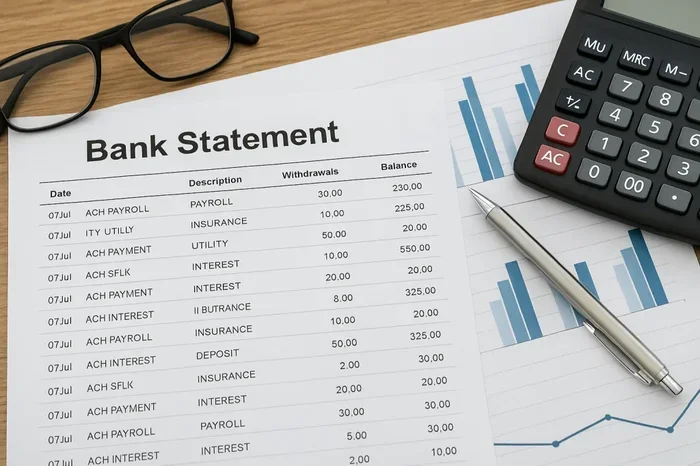
How far back do mortgage lenders look at bank statements depends on your loan type, but most require two to three months of recent records. Some programs may ask for longer history if you have large deposits, self employment income, or past credit issues. Lenders review these documents to verify your financial stability, confirm available funds, and spot any red flags before closing. Understanding what they want helps you organize paperwork, avoid delays, and improve your approval chances.
This is a comprehensive guide about How Far Back Do Mortgage Lenders Look At Bank Statements.
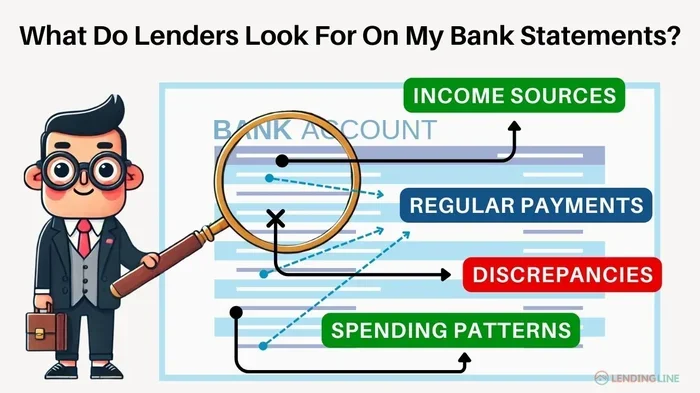
Visual guide about mortgage lender reviewing bank statements
Image source: lendingline.co.uk
Visual guide about mortgage lender reviewing bank statements
Image source: mmshull.co.uk
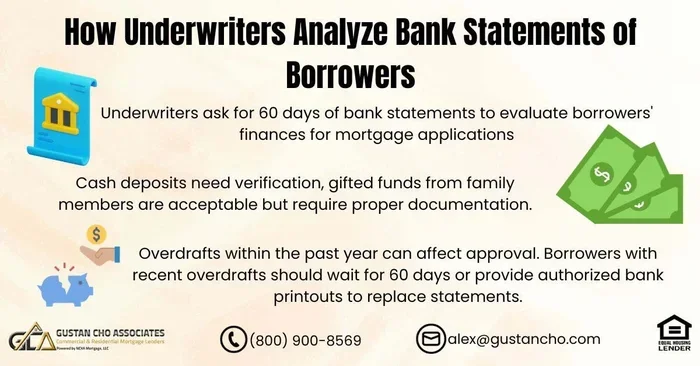
Visual guide about mortgage lender reviewing bank statements
Image source: b9v9j8r7.delivery.rocketcdn.me
Key Takeaways
- Standard requirement: Most lenders ask for two to three months of bank statements to verify your current financial picture.
- Larger deposits matter: Big transfers or unusual deposits often trigger extra documentation and source verification.
- Loan type changes the timeline: Conventional, FHA, VA, and jumbo loans may have different document expectations.
- Self employed borrowers face more review: Business and personal accounts may need deeper analysis and longer history.
- Consistency builds trust: Regular balances, steady income, and responsible spending help your application.
- Avoid last minute moves: Shifting large sums right before applying can slow approval or raise questions.
- Preparation prevents delays: Organized records, clear explanations, and honest disclosures keep the process moving.
[FEATURED_IMAGE_PLACEHOLDER]
Understanding How Far Back Do Mortgage Lenders Look at Bank Statements
When you apply for a home loan, your finances get a careful review. One of the first documents lenders request is your bank history. Many people ask the same question: how far back do mortgage lenders look at bank statements? The short answer is usually a few months, but the full picture depends on your situation. Lenders want to see where your money comes from, how you manage it, and whether you have enough for the down payment and closing costs.
This review is not meant to judge your spending habits. It is meant to confirm that your funds are real, available, and not borrowed in a way that creates hidden risk. A clear paper trail helps the underwriter say yes faster. A messy trail can create questions, even if you are a strong candidate overall.
In this guide, we will break down what lenders typically want, why they ask for it, and how you can prepare without stress. You will also learn what triggers extra scrutiny and how to handle common situations like large deposits, gift funds, and self employment income.
Why Lenders Request Bank Statements in the First Place
Bank statements give lenders a snapshot of your financial behavior. They show deposits, withdrawals, balances, and account activity over time. That information helps confirm several important parts of your application.
First, lenders want to verify that the money you say you have is actually in your accounts. A strong income alone does not guarantee you can close. You also need verified funds for the down payment, prepaid items, and reserves if required.
Second, they look for stability. Regular deposits and sensible spending patterns suggest reliable money management. Sudden changes, unexplained transfers, or large cash deposits can raise questions because they make your financial picture harder to verify.
Third, they check for hidden obligations. Sometimes a statement reveals recurring payments, overdrafts, or unusual activity that may affect your ability to repay the loan. This is why the review is part of the broader underwriting process, alongside credit, income, and debt analysis.
If you want a smoother experience, think of your statements as a story. The story should be clear, consistent, and easy to follow. When the narrative makes sense, the lender can move forward with confidence.
The Standard Timeline Most Lenders Expect
For many borrowers, the typical request covers the most recent two to three months of statements. That window gives underwriters enough information to confirm current balances and recent activity without asking for a deep historical audit in simple cases.
Some lenders may ask for a longer period if your file needs more context. For example, they might want to see a fuller trail when you have recent job changes, large transfers, or deposits that need explanation. In those situations, they are not trying to make things difficult. They are trying to connect the dots.
Here is a simple way to think about it:
- Two months: Common for straightforward applications with steady income and clean account activity.
- Three months: Often used when the underwriter wants a little more visibility into recent transactions.
- Longer periods: May appear when there are large deposits, unusual withdrawals, or a need to verify the source of funds.
The exact timeline can also depend on the lender’s own guidelines. Some companies are more flexible, while others follow stricter internal rules. That is why it helps to ask early and provide what is requested without delay.
What Underwriters Are Really Looking For
Underwriters usually focus on a few core items when they review your statements. They are not reading every line like a detective novel, but they do scan for patterns and anomalies.
Common things they check include:
- Available funds: Do you have enough for the down payment and closing costs?
- Source of deposits: Did money come from payroll, transfers, gifts, or somewhere else?
- Large or unusual transactions: Are there big moves that need explanation?
- Overdrafts or negative balances: Do they suggest cash flow stress?
- Consistency: Do the statements align with the income and employment information on your application?
If something stands out, the underwriter may ask for a letter of explanation or supporting documents. That is normal. A clear answer often resolves the question quickly.
What Can Trigger a Deeper Financial History Review
Even when the standard request is short, certain situations can lead to a longer look. The goal is not to complicate your application. It is to verify that the money is legitimate and that your financial behavior supports the loan.
A few common triggers include:
- Large deposits: A sudden influx of money can prompt questions about where it came from.
- Gift funds: If someone is helping with the purchase, lenders may want proof that the money is a true gift and not a loan.
- Cash deposits: Cash can be harder to trace, so it often receives extra attention.
- Recent account changes: New accounts or transferred balances may need more context.
- Self employment income: Business and personal accounts may be reviewed together to understand your cash flow.
- Past credit or underwriting issues: If your file has other risk factors, the lender may dig deeper.
If you know a deposit might look unusual, it is better to explain it early. A simple, honest explanation with the right backup documents can prevent back-and-forth later.
Large Deposits and Source of Funds
One of the most common reasons for extra questions is a large deposit. A deposit that is much bigger than your normal payroll or transfer pattern can stand out quickly. Lenders want to know whether the money belongs to you and whether it is truly available for the purchase.
Examples of deposits that may need explanation include:
- Money from selling a vehicle or other asset
- A transfer from another account you own
- Gift money from a family member
- A bonus, commission, or tax refund
- Funds from an inheritance or legal settlement
In many cases, a clear paper trail solves the issue. That may mean showing the originating account, providing a gift letter, or sharing documentation that proves the source. The key is to show that the funds are legitimate and not a hidden loan that could affect your debt load.
Self Employment and Business Accounts
Borrowers who are self employed often face a more detailed review. Income may come from multiple sources, and business cash flow can move in cycles. Because of that, lenders may look at both personal and business accounts to understand the full picture.
They may compare deposits to reported income, check for recurring transfers, and verify that the money is stable enough to support mortgage payments. If your business and personal finances mix often, it can help to separate them clearly and provide organized records.
A well-documented file can make a big difference here. If you can show consistent income patterns and explain any unusual movement, the review becomes much easier.
How Different Loan Programs May Affect Documentation
Loan programs do not always require the same level of scrutiny, though many of the core principles stay similar. Conventional loans, government-backed loans, and jumbo loans can each have different expectations based on risk, loan size, and lender rules.
For example:
- Conventional loans: Often focus on standard verification of funds and clear source-of-deposit documentation.
- Government-backed loans: May follow specific program guidelines that shape what evidence is needed.
- Jumbo loans: Because the loan amount is larger, lenders may be more cautious and request more detail.
The main idea is that the larger or more complex the loan, the more carefully the financial trail may be examined. That does not mean the process is impossible. It simply means preparation matters more.
Gift Funds, Assets, and Reserves
If you are receiving help from family or using assets you have held for a while, the documentation should match the story. Gift funds usually need a clear gift letter and evidence of the transfer. Asset accounts may need to show that the money is accessible and not tied up in a way that makes it unavailable.
Reserves can also matter. Some lenders like to see extra funds left over after closing, especially if the file has other risk factors. Those reserves can come from savings, investments, or other verified accounts.
When you present these details cleanly, you reduce friction. The lender can see that the money is real, the source is clear, and the loan is supported.
How to Prepare Your Bank Records Before Applying
A little preparation can save a lot of time. Before you submit your application, take a practical look at your accounts and make sure your paperwork tells a clear story. You do not need to be perfect. You just need to be organized.
Helpful steps include:
- Gather recent statements: Have the most recent months ready, and make sure they show full account details.
- Highlight large transactions: If something stands out, be ready to explain it.
- Avoid unnecessary movement: Try not to shuffle large sums right before applying unless you have a clear reason.
- Keep funds steady: If possible, let the money settle into the account well before the application.
- Save backup documents: Keep records for gifts, transfers, sales, bonuses, or other major deposits.
- Use consistent accounts: If you can, avoid switching accounts or moving money between many places at once.
This kind of preparation helps the underwriter see a clean, stable pattern. It also reduces the chance of last-minute document requests.
Common Mistakes That Slow Down Approval
Some delays come from avoidable issues. Knowing what those are can help you stay ahead of them.
Common mistakes include:
- Unexplained large deposits: If you do not know a deposit will catch attention, be ready to explain it.
- Moving money at the last minute: Sudden transfers can create confusion about where funds came from.
- Incomplete statements: Missing pages or cut-off account details can lead to repeated requests.
- Mixing personal and business money without clarity: That can make it harder to trace income and assets.
- Overlooking recurring obligations: If your statements show payments that affect your budget, be ready to address them.
- Waiting too long to respond: Quick replies to document requests keep the file moving.
Most of these issues are manageable. The key is to be proactive instead of reactive.
Expert Insights for a Smoother Mortgage Review
The best approach is simple: make your finances easy to understand. Lenders are not looking for perfect people. They are looking for verifiable information and a reliable pattern.
A few practical insights can help:
- Tell the truth early: If you know a transaction looks unusual, explain it before it becomes a problem.
- Keep explanations short and specific: A clear sentence with supporting documents is better than a long guess.
- Use organized files: Label statements, letters, and backup documents so they are easy to find.
- Ask what your lender wants upfront: Different lenders may have slightly different preferences.
- Stay consistent: A steady financial pattern is easier to approve than a chaotic one.
If you are ever unsure, ask your loan officer what they need and why. That conversation can save time and reduce stress.
Key Takeaways for Your Application
When you think about how far back do mortgage lenders look at bank statements, remember that the answer is usually a few months, but the real goal is verification. Lenders want to see that your funds are real, your activity makes sense, and your financial story supports the loan.
To move forward with confidence:
- Keep your statements organized and current.
- Be ready to explain large or unusual deposits.
- Avoid unnecessary money movement before applying.
- Provide clear backup documents when needed.
- Respond quickly to requests so the file stays on track.
A clean, transparent application is one of the easiest ways to improve your experience. When your paperwork is in order, the review can focus on what matters most: your ability to buy and keep the home.
Conclusion
If you are asking how far back do mortgage lenders look at bank statements, the answer is usually short, but it can stretch when your file needs more context. Most borrowers should expect a review of recent months, with extra attention to large deposits, source of funds, and overall consistency. That is why preparation matters so much.
A well-organized application helps lenders verify your funds quickly and move your loan toward closing. Keep your records clear, explain unusual activity honestly, and avoid last-minute financial changes when possible. With the right preparation, the process becomes much smoother and far less stressful.
How many months of bank statements do lenders usually want?
Most lenders ask for two to three months of recent statements, though some situations may require a longer look. The exact timeframe depends on your loan type, account activity, and whether any deposits need explanation.
Why do lenders care about large deposits on my statements?
Large deposits can affect your verified funds and may need a clear source. Lenders want to know whether the money is truly yours, whether it is a gift, or whether it came from another account or asset.
What if I have cash deposits in my account?
Cash deposits can be harder to trace, so they may receive extra review. If you have them, be ready to explain the source and provide any supporting documents that show where the money came from.
Do self employed borrowers need to provide more bank records?
Often yes, because income can be less predictable and may come from multiple accounts. Lenders may review personal and business statements together to understand your cash flow and verify stability.
Can moving money between accounts cause problems?
It can, especially if the movement looks sudden or unexplained. Try to keep funds in place long enough to show a clear trail, and be ready to document any transfers if asked.
What should I do if the lender asks for a letter of explanation?
Write a short, clear explanation and attach any documents that support it. A direct answer with proof is usually enough to resolve the question and keep your application moving.
Frequently Asked Questions
What is How Far Back Do Mortgage Lenders Look At Bank Statements?
How Far Back Do Mortgage Lenders Look At Bank Statements is an important topic with many practical applications.
