
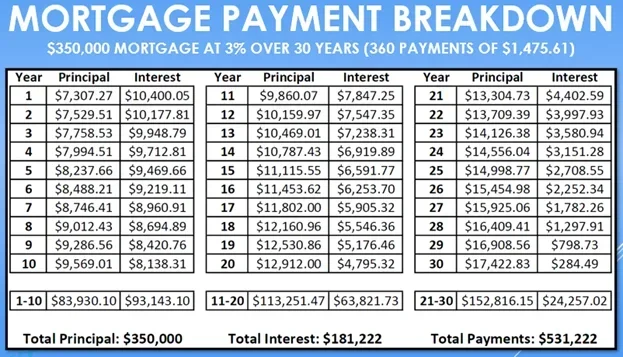
Understanding how much of my mortgage payment is going to principal helps you build home equity faster and save thousands in interest. In the early years, most of your payment covers interest, but over time, more money goes toward the loan balance. By learning how mortgage amortization works, you can make smarter financial choices and even pay off your mortgage early. This guide breaks down the numbers, shows you how to track your progress, and shares proven tips to reduce your total interest costs.
Buying a home is one of the biggest financial steps you will ever take. You sign the papers, get the keys, and start making monthly payments. But if you look at your first few statements, you might notice something strange. The balance does not drop as fast as you expected. That happens because how much of my mortgage payment is going to principal changes over time. In the beginning, most of your money goes toward interest. Later, more of it pays down the actual loan balance.
This shift is completely normal. It is built into the way lenders structure home loans. The system is called amortization. It ensures the lender gets paid interest first while slowly reducing what you owe. Understanding this process gives you power. You can plan better, save money, and even speed up your path to owning your home outright. Let us break it down in simple terms.
Key Takeaways
- Early payments focus on interest: In the first few years, most of your monthly payment covers interest, not the principal balance.
- Amortization shifts over time: As your loan matures, a larger portion of each payment goes toward reducing the principal.
- Extra payments accelerate equity: Adding even small amounts to your principal each month can save you thousands in interest.
- Loan term matters: Shorter terms like 15-year mortgages build equity faster than 30-year loans.
- Track your amortization schedule: Reviewing your loan statement helps you see exactly where your money goes each month.
- Refinancing can change the ratio: A new loan resets the amortization clock, so weigh the pros and cons carefully.
- Small changes add up: Biweekly payments or rounding up your payment can significantly shorten your loan term.
📑 Table of Contents
Understanding How Mortgage Payments Work
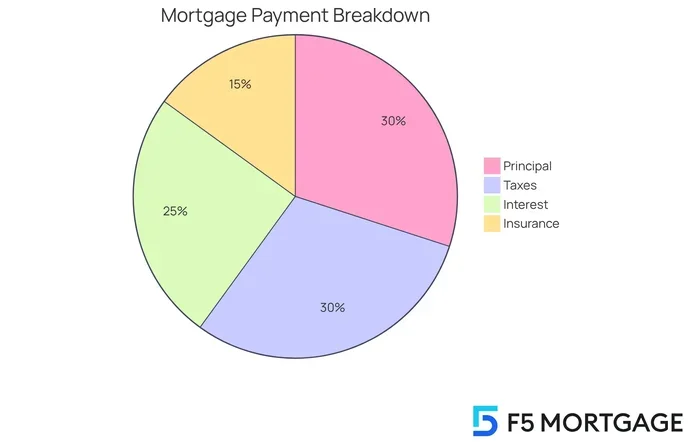
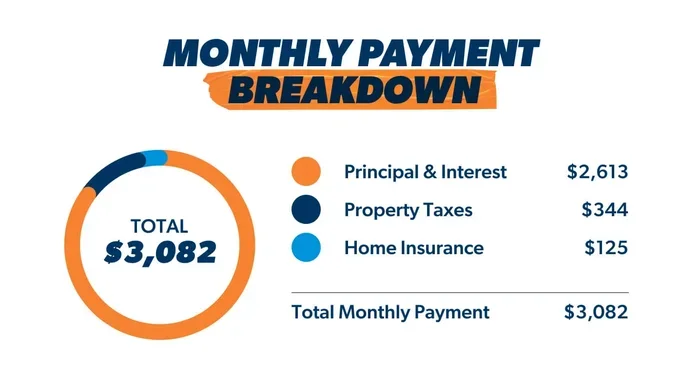
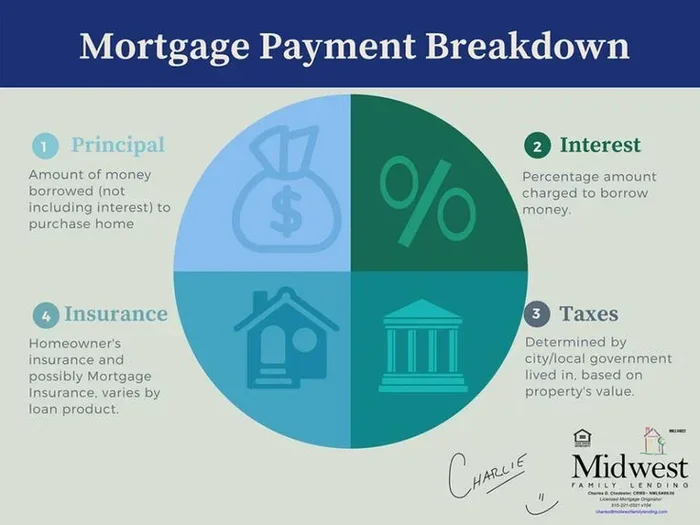
Every month, you send a payment to your lender. That single payment actually covers several things at once. It usually includes principal, interest, taxes, and insurance. Together, these make up your total monthly housing cost. But only two parts affect your loan balance directly. Those are the principal and the interest.
The principal is the original amount you borrowed. The interest is the fee the lender charges for lending you that money. Your interest rate stays fixed or adjustable, depending on your loan type. The payment amount usually stays the same each month. But the split between principal and interest keeps changing. This is the core of mortgage amortization.
Think of it like a seesaw. At first, the interest side is heavy. Your payment covers most of the interest charge. Only a small slice goes to the principal. As years pass, the interest portion shrinks. The principal portion grows. By the end of the loan, almost all of your payment reduces the balance. Knowing how much of my mortgage payment is going to principal at each stage helps you plan ahead.
The Role of Interest Rates
Your interest rate plays a huge role in this split. A higher rate means more of your early payments go to interest. A lower rate means more goes to the principal from the start. Even a small rate difference can change your total cost by thousands of dollars. That is why shopping for the best rate matters so much.
Fixed-rate loans keep the same interest rate for the entire term. This makes your payment predictable. Adjustable-rate mortgages can change after a set period. When the rate shifts, your payment split changes too. Always read the fine print before signing. Understanding these details helps you answer how much of my mortgage payment is going to principal with confidence.
Principal vs. Interest Breakdown
Lenders use a formula to split each payment. The formula looks at your remaining balance, your interest rate, and your loan term. It calculates exactly how much interest accrues that month. The rest of your payment goes to the principal. This process repeats every single month.
Here is a simple example. Imagine you borrow $300,000 at a 6% interest rate for 30 years. Your monthly principal and interest payment stays around $1,800. In the first month, roughly $1,500 covers interest. Only about $300 reduces the principal. Fast forward to year 15, and the split looks very different. Now, more than half of your payment goes to the principal. This gradual shift is exactly what mortgage amortization does.
How Amortization Shapes Your Payment Split
Amortization is the engine behind your payment schedule. It spreads your loan into equal monthly payments over the term. The goal is to pay off both interest and principal by the end date. But the schedule is not a straight line. It starts interest-heavy and ends principal-heavy. This design protects the lender while still giving you a clear payoff path.
Visual guide about mortgage payment breakdown chart
Image source: images.tely.ai
Many people feel frustrated when they see slow progress early on. They ask how much of my mortgage payment is going to principal and feel discouraged by the answer. The truth is, this is normal. You are not losing money. You are simply following the math. As your balance drops, the interest charge drops too. That frees up more of each payment for the principal.
Reading Your Amortization Schedule
Your lender should provide an amortization schedule. This document shows every payment from start to finish. It lists the payment number, the amount applied to interest, the amount applied to principal, and the remaining balance. Reviewing this schedule is one of the best ways to track your equity growth.
You can also find free calculators online. Plug in your loan amount, rate, and term. The tool will generate a full schedule for you. Look at the first year, then jump to year ten. You will see the shift clearly. This visual proof helps you understand how much of my mortgage payment is going to principal at any point in time.
Why the Split Changes Over Time
The change happens because interest is calculated on the remaining balance. When your balance is high, the interest charge is high. As you pay down the principal, the balance shrinks. The interest charge shrinks with it. That leaves more room for the principal portion to grow. It is a snowball effect in your favor.
This is why patience matters. You cannot force the early years to look like the later years. But you can influence the timeline. Making extra payments or choosing a shorter term changes the math. Those choices speed up the shift and help you build equity faster.
Factors That Change How Much Goes to Principal
Several things affect your payment split. Some you control. Others you do not. Knowing the difference helps you make smarter decisions. Here are the main factors that change how much of my mortgage payment is going to principal each month.
Visual guide about mortgage payment breakdown chart
Image source: cdn.ramseysolutions.net
- Loan term: Shorter terms mean higher monthly payments but faster principal reduction.
- Interest rate: Lower rates reduce the interest portion and increase the principal portion.
- Extra payments: Any amount you add beyond the minimum goes straight to the principal.
- Payment frequency: Biweekly payments add one extra full payment per year, speeding up payoff.
- Refinancing: A new loan resets the amortization clock, which can change your split overnight.
- Escrow changes: Taxes and insurance do not affect principal, but they change your total payment.
Your loan type also matters. Conventional loans, FHA loans, and VA loans all follow amortization. But their fees, insurance costs, and rate structures can differ. Always compare the full picture, not just the monthly number. A slightly higher payment with a lower rate might save you more in the long run.
The Impact of Loan Term
A 30-year mortgage feels affordable because the monthly payment is lower. But you pay interest for three decades. A 15-year mortgage has higher payments. However, you pay far less interest overall. More of each payment hits the principal from day one. If you can handle the higher payment, a shorter term builds equity much faster.
Many buyers choose the 30-year option for flexibility. That is fine. You can always make extra payments on a 30-year loan. This gives you the best of both worlds. You keep the lower required payment but still accelerate your principal reduction when you can.
How Extra Payments Accelerate Principal
Extra payments are the easiest way to change your amortization timeline. When you pay more than the minimum, you tell the lender to apply the surplus to the principal. This drops your balance immediately. A lower balance means less interest next month. That creates a positive cycle.
Even small amounts help. Adding $50 or $100 each month can shave years off your loan. Lump-sum payments from bonuses or tax refunds work too. Just make sure your lender applies the extra money to the principal, not to future payments. Always confirm this in writing.
Practical Examples and Real Numbers
Numbers make the concept clear. Let us walk through a realistic scenario. Suppose you take out a $250,000 loan at 5.5% for 30 years. Your monthly principal and interest payment is about $1,420. In month one, roughly $1,145 goes to interest. Only $275 goes to principal. That is less than 20% of your payment.
Visual guide about mortgage payment breakdown chart
Image source: i.pinimg.com
Now look at year 10. Your balance has dropped to around $205,000. The interest portion is now about $935. The principal portion is about $485. You are now paying more than 34% toward the principal. By year 20, the split flips. The principal portion becomes the larger share. This is the natural path of mortgage amortization.
Sample Payment Breakdown Table
Here is a quick comparison to show the shift over time. These numbers are approximate but illustrate the pattern clearly.
| Loan Year | Interest Portion | Principal Portion | Remaining Balance |
|---|---|---|---|
| Year 1 | About 81% | About 19% | Around $244,000 |
| Year 10 | About 66% | About 34% | Around $205,000 |
| Year 20 | About 43% | About 57% | Around $145,000 |
| Year 30 | About 5% | About 95% | Near $0 |
This table shows why patience matters. The early years feel slow. But the later years move quickly. Knowing how much of my mortgage payment is going to principal at each stage helps you stay motivated. You are building equity every single month, even when the balance drop looks small.
Quick Tips for Tracking Your Progress
You do not need to be a math expert to stay on top of this. A few simple habits keep you informed. Check your monthly statement. Look at the principal and interest lines. Compare them to last month. You should see the principal number grow slightly each time.
- Download your amortization schedule from your lender portal.
- Use a free online calculator to project future balances.
- Set a calendar reminder to review your loan once a year.
- Track your home equity separately from your loan balance.
- Keep an eye on your interest rate if you have an adjustable loan.
Smart Strategies to Pay More Toward Principal
If you want to speed things up, you have options. You do not need to wait for the natural shift. You can take action now. These strategies help you put more money toward the principal and reduce your total interest costs.
Make Biweekly Payments
Instead of paying once a month, pay half your payment every two weeks. This adds up to 26 half-payments per year. That equals 13 full payments instead of 12. The extra payment goes straight to the principal. Over time, this simple change can cut years off your loan. Many lenders offer biweekly plans automatically. Ask if yours does.
Round Up Your Payment
Rounding up is easy and painless. If your payment is $1,427, pay $1,500 instead. That extra $73 each month adds up fast. Over a year, it equals nearly $900 in extra principal reduction. You barely feel it in your budget, but your loan balance notices.
Apply Windfalls to the Principal
Tax refunds, work bonuses, and gift money are perfect for this. Instead of spending the whole amount, put a portion toward your mortgage. Even one extra payment per year makes a real difference. Just confirm with your lender that the money goes to the principal balance.
Refinance to a Shorter Term
If your income has grown, consider refinancing. Moving from a 30-year to a 15-year loan increases your payment. But it also forces more money toward the principal every month. You will pay off the loan much faster and save heavily on interest. Run the numbers first to make sure the new payment fits your budget.
Common Mistakes to Avoid
Trying to pay down your mortgage faster is great. But some mistakes can slow you down or cost you money. Watch out for these pitfalls.
- Not specifying principal application: Extra money may go to future payments unless you request otherwise.
- Ignoring prepayment penalties: Some loans charge fees for early payoff. Check your contract first.
- Draining your emergency fund: Always keep savings intact before making extra payments.
- Forgetting about escrow: Taxes and insurance are not part of the principal balance.
- Refinancing without running the math: Closing costs can erase your savings if you move too soon.
Key Takeaways for Building Equity Faster
Building home equity is a marathon, not a sprint. But you can control your pace. Understanding how much of my mortgage payment is going to principal gives you a clear roadmap. You know when the interest heavy years end. You know when the principal heavy years begin. You also know how to speed up the process if you want to.
Start by reviewing your amortization schedule. Track your balance each year. Make small extra payments when you can. Consider biweekly payments or rounding up. Keep your emergency fund safe. Avoid prepayment penalties. These simple steps put you in charge of your loan, not the other way around.
Homeownership is about more than monthly payments. It is about building something that belongs to you. Every dollar that hits the principal brings you closer to full ownership. Stay consistent, stay informed, and let the math work for you.
Frequently Asked Questions
How much of my mortgage payment goes to principal in the first year?
In the first year, usually only 15% to 25% of your principal and interest payment goes to the principal. The rest covers interest. This is normal and changes as your balance drops over time.
Does paying extra reduce my principal or interest?
Extra payments reduce your principal first. A lower principal balance then reduces the interest charged in future months. Always confirm with your lender that the extra amount applies to the principal.
How can I find out how much of my payment is going to principal?
Check your monthly mortgage statement or request an amortization schedule from your lender. You can also use a free online calculator to see the exact split for any payment date.
Will refinancing change how much goes to principal?
Yes, refinancing creates a new loan with a new amortization schedule. This resets the clock, so early payments will again focus more on interest. A shorter term can help you put more toward the principal faster.
Is it better to make biweekly payments or one extra payment per year?
Both work well and produce similar results. Biweekly payments spread the extra amount across the year, while one lump sum is simpler. Choose the option that fits your budget and cash flow best.
Can I lose progress on principal if I miss a payment?
Missing a payment does not erase your previous principal progress, but it adds late fees and can delay payoff. It may also increase your total interest costs if the loan terms allow interest to accrue during delinquency.