
Many people ask, do you own your house if you have a mortgage, and the short answer is yes, but with a twist. You hold the title and enjoy the benefits of ownership, while your lender holds a lien as security for the loan. This means you can live in, improve, and sell the home, but you must keep up with payments to protect your equity. Understanding this balance helps you feel confident about your homeownership journey and avoid common mortgage misconceptions.
Key Takeaways
- You hold the title: do you own your house if you have a mortgage? Yes, you are the legal owner with your name on the deed.
- Lenders hold a lien: The bank has a security interest, not ownership, until the loan is fully paid.
- Equity grows over time: Every payment increases your home equity and reduces the lender’s risk.
- You can sell anytime: You can sell your home before paying off the mortgage, as long as the loan is settled at closing.
- Refinancing changes terms: refinancing a mortgage can adjust your rate or term, but ownership stays with you.
- Foreclosure is a risk: Missing payments can lead to foreclosure process, which threatens your ownership rights.
- Know your documents: Understanding the deed vs mortgage difference helps you make smarter financial choices.
📑 Table of Contents
- Understanding the Big Question: Do You Own Your House If You Have a Mortgage
- The Deed vs. the Mortgage: What Each One Really Means
- What the Lender Actually Owns (Spoiler: It Is Not Your House)
- How Equity and Ownership Work Together
- Can You Sell or Refinance Before the Mortgage Is Paid Off?
- What Happens If You Stop Paying? The Foreclosure Reality
- Common Myths About Mortgages and Ownership
- Quick Tips for Confident Homeownership
- Expert Insights: What First-Time Buyers Should Remember
- Common Mistakes to Avoid
- Final Thoughts on Ownership and Mortgages
Understanding the Big Question: Do You Own Your House If You Have a Mortgage
Many new homeowners feel confused about property ownership when a bank is involved. It is easy to think the lender owns the home because they hold the money. The truth is simpler. You own the home, and the lender has a legal claim until you finish paying. This claim is called a lien. It protects the lender if you stop paying. It does not give them the right to live in your house or make daily decisions. You keep the keys, the deed, and the freedom to use the space. You also take on the duties of homeownership, like repairs, taxes, and insurance. Knowing this distinction clears up a lot of stress. It also helps you see why building home equity matters so much.
The Deed vs. the Mortgage: What Each One Really Means
Visual guide about house with mortgage paperwork
Image source: cdn.outrank.so
People often mix up the deed vs mortgage conversation. These two documents serve different roles. The deed shows who owns the property. The mortgage shows who has a financial claim on it. Here is a simple way to think about it. The deed is your proof of ownership. The mortgage is the loan that uses the home as security. You can have a deed without a mortgage if you buy with cash. You can also have a mortgage without giving up your ownership. The lender does not hold the deed in most cases. They hold a lien on the property. This lien stays in place until the balance reaches zero.
What the Deed Does
The deed transfers ownership from the seller to you. It lists your name as the new owner. It also describes the property lines and any rights that come with the land. Once the deed is recorded, the public record shows you as the owner. This matters because it proves your right to sell, lease, or improve the home. It also shows that you hold title ownership, which is a key part of real estate ownership.
What the Mortgage Does
The mortgage is a contract between you and the lender. It outlines the loan amount, interest rate, and repayment schedule. It also explains what happens if you miss payments. The mortgage creates a lien on the property. That lien gives the lender a way to recover their money if needed. This is a normal part of mortgage basics and does not mean you are just renting. You still make the choices about how to live in and care for the home.
What the Lender Actually Owns (Spoiler: It Is Not Your House)
Visual guide about house with mortgage paperwork
Image source: chatsworthmortgage.co.uk
A common mortgage misconception is that the bank owns your home until the loan is gone. That is not how it works. The lender owns a security interest, not the house itself. This interest is a legal right to be paid from the property if you default. It is a safeguard, not a transfer of ownership. You still control the home. You decide when to paint, renovate, or sell. You also decide when to refinance or pay extra each month. The lender only steps in if you break the contract by not paying. Even then, the process follows strict rules and timelines.
The Lien Explained in Plain Language
A lien is a claim on the property. It tells the world that a lender has a financial interest in the home. This claim stays on the title until the loan is paid in full. It can affect your ability to sell or refinance if the lien is not cleared. That is why paying down the balance matters. As the balance drops, the lien becomes less risky for everyone. Your home equity grows, and your financial position improves.
Why This Matters for Your Daily Life
You do not need permission to live your life in the home. You can host guests, change the locks, and decorate as you like. You also handle the upkeep. The lender does not inspect your home each month. They do not choose your furniture or your routine. They simply wait for payments and watch the loan balance. This is why homeownership feels like ownership, even with a loan attached.
How Equity and Ownership Work Together
Visual guide about house with mortgage paperwork
Image source: indylegal.com
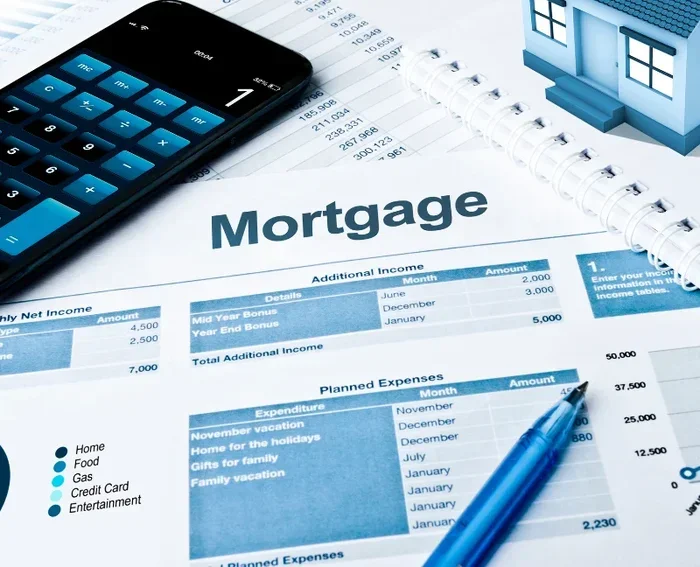
Equity is the part of the home you truly own. It is the value of the home minus what you still owe. As you make payments, your equity rises. As the market changes, your equity can also rise or fall. This is the heart of home equity growth. It is also why people see a mortgage as a path to building wealth. You are not just paying a bill. You are buying a share of the property over time. Each payment reduces the lender’s claim and increases your stake.
Principal, Interest, and Your Growing Stake
Every payment splits into two main parts. One part covers interest. The other part reduces the principal. Early on, more of your money goes to interest. Later, more goes to principal. This is a normal part of mortgage basics. It means your ownership stake grows slowly at first, then faster over time. Making extra payments can speed this up. Even small extra amounts can shorten the loan and build equity faster.
Market Value and Your Real Ownership Share
Your equity also depends on the home’s market value. If the value goes up, your equity can grow even if the loan balance stays the same. If the value drops, your equity can shrink. This is why people watch local market trends. It also shows why a mortgage is tied to both your payments and the property’s value. You own the home, but the value of that ownership can change with the market.
Can You Sell or Refinance Before the Mortgage Is Paid Off?
Yes, you can. You do not have to wait until the loan is gone to make a move. You can sell the home and use the sale proceeds to pay off the mortgage at closing. You can also refinancing a mortgage to get a better rate, change the term, or tap into equity. These options are common and practical. They show that ownership is in your hands, not the lender’s. The key is to make sure the loan is handled correctly during the transaction.
Selling With a Mortgage Still in Place
When you sell, the title company usually pays the lender first. The remaining money goes to you after fees and costs. If the home sells for less than the loan balance, things get more complex. This is called a short sale, and it needs lender approval. Most sales, though, are straightforward. You own the home, so you can list it, negotiate, and close the deal. The mortgage is just a final detail at closing.
Refinancing and Why Homeowners Do It
People refinance for many reasons. Some want lower monthly payments. Some want a shorter term. Some want to switch from an adjustable rate to a fixed rate. Others want cash out for repairs or other needs. Refinancing replaces your current loan with a new one. It does not change the fact that you own the home. It only changes the loan terms. That is why it is a useful tool in real estate ownership planning.
What Happens If You Stop Paying? The Foreclosure Reality
This part is serious, so it is worth understanding clearly. If you miss payments, the lender can start the foreclosure process. This does not happen overnight. There are missed payment notices, grace periods, and chances to catch up. The exact rules depend on your state and loan type. The point is simple. The lender has a lien, so they have a path to recover their money if the contract is broken. This is why staying current matters so much.
The Difference Between Default and Foreclosure
Default means you broke the loan contract by missing payments. Foreclosure is the legal process that follows if the default is not fixed. Default can sometimes be cured with a repayment plan or other options. Foreclosure is more severe. It can lead to the sale of the home to pay the debt. This is the risk side of mortgage basics. It is not the norm, but it is the reason the lien exists.
Protecting Your Ownership Through Smart Habits
The best protection is a solid payment routine. Set up autopay if it helps you stay on track. Keep an emergency fund for tough months. Communicate early if you hit a rough patch. Lenders often prefer to work with you rather than move toward foreclosure. This is practical homeownership advice that can save your home. It also protects the equity you have worked to build.
Common Myths About Mortgages and Ownership
There is a lot of noise out there, so let us clear up a few mortgage misconceptions. Some people think the bank can show up and take the house whenever they want. That is not true. The lender must follow the law and the loan contract. Some people think they do not truly own the home until the last payment. That is also not true. You own it now, with the lien in place. Some people think a mortgage is the same as renting. It is not. You carry the risks and rewards of ownership, even with a loan.
Myth: The Lender Controls Your Home
The lender does not decide how you live. They do not pick your repairs or your guests. They do not manage your daily use of the property. They only have a financial claim. This claim matters if payments stop, but it does not control your life. You remain the owner with real rights and real responsibilities.
Myth: You Own Nothing Until the Loan Is Gone
You own the home from the moment the deed is in your name. The lien does not erase that ownership. It simply sits in the background as security. Your title ownership is real. Your equity is real. Your ability to sell or refinance is real. The loan is a financial tool, not a barrier to ownership.
Myth: A Mortgage Is Only a Burden
A mortgage can feel heavy, but it can also be a useful building block. It lets you buy a home without saving the full price first. It can help you build equity over time. It can also offer tax benefits in some situations, depending on your location and situation. This is why many people see a mortgage as a step toward long-term stability, not just a cost.
Quick Tips for Confident Homeownership
- Read your closing documents carefully. Know what the deed says and what the mortgage promises.
- Track your equity. Watch your loan balance and local home values over time.
- Pay on time, every time. Consistency protects your ownership and your credit.
- Consider extra payments. Even small add-ons can reduce interest and build equity faster.
- Keep insurance active. Lenders require it, and it protects your investment.
- Ask questions before refinancing. Make sure the new terms truly help your goals.
- Plan for repairs. Ownership means you handle the upkeep, so budget for it.
Expert Insights: What First-Time Buyers Should Remember
Experts often say the same thing: understand the loan before you sign. Do not focus only on the monthly payment. Look at the interest rate, the term, and the total cost over time. Ask how extra payments are applied. Ask what fees exist and when they apply. These details shape your ownership experience. They also help you avoid surprises later. A mortgage is a long-term relationship, so it pays to start with clarity.
Think in Years, Not Just Months
A mortgage is a multi-year commitment. That means small choices matter. A slightly lower rate can save a lot over time. A shorter term can build equity faster. A longer term can lower monthly pressure. There is no single best choice for everyone. The right path depends on your income, your goals, and your comfort level. Thinking in years helps you see the full picture.
Keep Your Goals in View
Some people want the lowest payment. Others want the fastest payoff. Others want flexibility to move sooner. Your goal should guide your loan choices. If you plan to stay long term, a stable fixed rate may feel best. If you expect changes soon, flexibility may matter more. When your loan matches your goals, ownership feels smoother and more intentional.
Common Mistakes to Avoid
- Ignoring the fine print. Small clauses can affect your options later.
- Stretching your budget too far. A payment that feels tight can become stressful fast.
- Forgetting about taxes and insurance. These costs belong in your monthly plan.
- Skipping emergency savings. A repair or job change can hit suddenly.
- Assuming the lender owns the home. This myth can cloud your decisions.
- Refinancing without a clear reason. A new loan should solve a real need.
Final Thoughts on Ownership and Mortgages
So, do you own your house if you have a mortgage? Yes, you do. You hold the title, you live in the home, and you build equity with every payment. The lender holds a lien as security, not ownership. That lien protects their loan, but it does not take away your rights. It also does not turn your home into a rental. You still make the choices, handle the upkeep, and enjoy the benefits of property ownership. The mortgage is simply the path you chose to get there. Once you see it that way, the whole process feels clearer and more empowering.
Frequently Asked Questions
Do I legally own my home if the bank has my mortgage?
Yes, you legally own the home if your name is on the deed. The mortgage gives the lender a lien as security, but it does not transfer ownership to the bank.
Does the lender own my house until the mortgage is paid off?
No, the lender does not own your house. They hold a security interest in the property, which means they can claim proceeds if you default, but you remain the owner.
Can I sell my home if I still owe money on the mortgage?
Yes, you can sell a home with an outstanding mortgage. At closing, the sale proceeds are used to pay off the loan, and you receive any remaining funds after costs.
What is the difference between the deed and the mortgage?
The deed proves ownership, while the mortgage is the loan secured by the property. You can own the home through the deed and still owe money through the mortgage.
How does equity change if I have a mortgage?
Equity grows as you pay down the loan and as the home’s value changes. It represents the portion of the home you truly own beyond what you still owe.
What happens to my ownership if I miss mortgage payments?
Missing payments puts your ownership at risk because the lender can start foreclosure if the default continues. Early communication and catch-up options can often help you protect your home.