
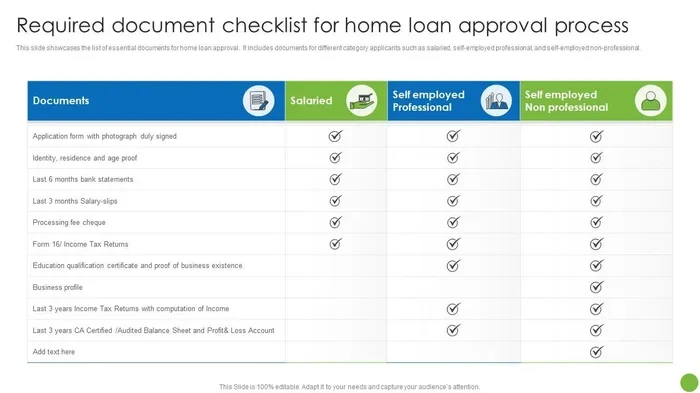
Wondering how much income do I need for a 200k mortgage? You typically need an annual salary between $50,000 and $60,000, depending on your debts and down payment. Lenders look at your debt-to-income ratio and credit score to approve your loan. This guide breaks down the numbers so you can plan your budget with confidence.
Buying a home is one of the biggest steps you can take in life. It feels exciting but also a bit scary. You might be asking yourself, how much income do I need for a 200k mortgage? This is a very common question. Many people dream of owning a house but worry about the money part. The good news is that you do not need to be rich to buy a home. You just need to understand the numbers.
Lenders look at several things before they say yes. They check your salary, your debts, and your credit history. They want to make sure you can pay them back every month. If you earn enough to cover the payment and your other bills, you have a good chance. This article will help you figure out the math. We will talk about monthly payments, debt ratios, and tips to get approved. You will learn what to expect so you can walk into a bank feeling ready.
Key Takeaways
- Income Requirement: You generally need $50,000 to $60,000 per year for a $200,000 mortgage.
- Debt-to-Income Ratio: Keep your DTI below 43% to improve approval chances.
- Credit Score Matters: A higher score can lower your interest rate and monthly payment.
- Down Payment Helps: Putting 20% down reduces monthly costs and avoids PMI.
- Monthly Payment Estimate: Expect to pay around $1,200 to $1,500 monthly including taxes and insurance.
- Budget Wisely: Factor in maintenance and utilities, not just the loan payment.
- Shop Around: Different lenders offer different rates and terms for the same income level.
📑 Table of Contents
Understanding the 200k Mortgage Basics
When you look at a $200,000 loan, you are not just paying back that amount. You also pay interest. Interest is the fee the bank charges for lending you money. The rate depends on the market and your credit score. A lower rate means you pay less over time. A higher rate means your monthly bill goes up. You need to know this before you apply.
The loan term also matters. Most people choose a 30-year fixed mortgage. This means you pay the same amount every month for 30 years. Some people choose 15 years. The payments are higher, but you pay less interest overall. For a $200k loan, the 30-year option is popular because the monthly cost is lower. This makes it easier on your budget. You should think about what fits your life best.
Principal and Interest Breakdown
Let us look at the numbers. If you get a 30-year loan at 7% interest, your principal and interest payment is about $1,330. This is just for the loan itself. It does not include taxes or insurance. If the rate drops to 6%, the payment goes down to around $1,199. That is a big difference. A small change in interest rate saves you money every month.
You should also think about the down payment. If you put 20% down, you only borrow $160,000. This lowers your monthly payment significantly. If you put less down, you borrow more. You might also have to pay for private mortgage insurance. This is extra protection for the lender. It adds to your monthly cost. Saving up for a bigger down payment is a smart move.
Property Taxes and Insurance
Your monthly bill is not just the loan payment. You also pay property taxes. These go to your local government. They pay for schools and roads. The amount depends on where you live. Some areas have high taxes. Others have low taxes. You need to check the local rates before you buy.
Homeowners insurance is also required. This protects your house from fire or storms. Lenders want to know your home is safe. This cost varies based on the home value and location. When you add taxes and insurance to your principal and interest, your total monthly payment goes up. For a $200k home, you might pay $200 to $400 extra per month. This is important for your budget.
Calculating Your Income Needs
So, how much income do I need for a 200k mortgage? There is no single number. It depends on your debts. Lenders use a rule called the debt-to-income ratio. They call it DTI for short. This ratio compares your monthly debt payments to your gross monthly income. Gross income is the money you earn before taxes. Most lenders want your DTI to be below 43%. Some want it even lower, like 36%.
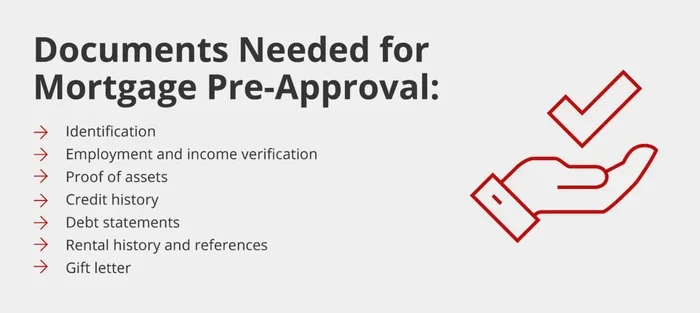
Visual guide about home loan approval documents
Image source: griffinfunding.com
Let us do some math. If your total monthly debt payments are $1,500, including the new mortgage, you need an income of about $4,500 per month. That is $54,000 per year. If you have no other debts, like car loans or credit cards, you need less income. You might qualify with $40,000 a year. But if you have lots of debt, you need more money. The lender wants to see that you have enough left over for living expenses.
The 28/36 Rule Explained
Many lenders follow the 28/36 rule. This is a common standard. The 28 part means your housing costs should not be more than 28% of your gross income. The 36 part means your total debt should not be more than 36%. This includes the mortgage, car payments, and credit cards. This rule helps keep you safe. It ensures you are not house poor.
If you earn $60,000 a year, your monthly gross income is $5,000. Twenty-eight percent of that is $1,400. This is the max you should spend on housing. If your mortgage payment is $1,300, you are within the limit. But if you have a car payment of $500, your total debt is $1,800. That is 36% of your income. You are right at the edge. You might need a higher income to be safe.
Gross Income vs. Net Income
It is important to know the difference between gross and net income. Gross is what you earn before taxes. Net is what hits your bank account. Lenders look at gross income. They do not care about your take-home pay as much. This can be confusing. You might feel like you earn enough, but after taxes, you have less. You need to budget based on your net income. Make sure you can afford the payment after taxes are taken out.
If you are self-employed, things are different. Lenders look at your tax returns. They average your income over two years. If your income goes up and down, it might be harder to qualify. You need to show stable earnings. Keep good records of your business income. This helps prove you can pay the mortgage.
Factors That Affect Your Approval
Your income is not the only thing that matters. Your credit score plays a huge role. A high credit score tells lenders you are responsible. It shows you pay bills on time. This can get you a better interest rate. A better rate means a lower monthly payment. This means you need less income to qualify. A low score can hurt your chances. It might make the loan too expensive.
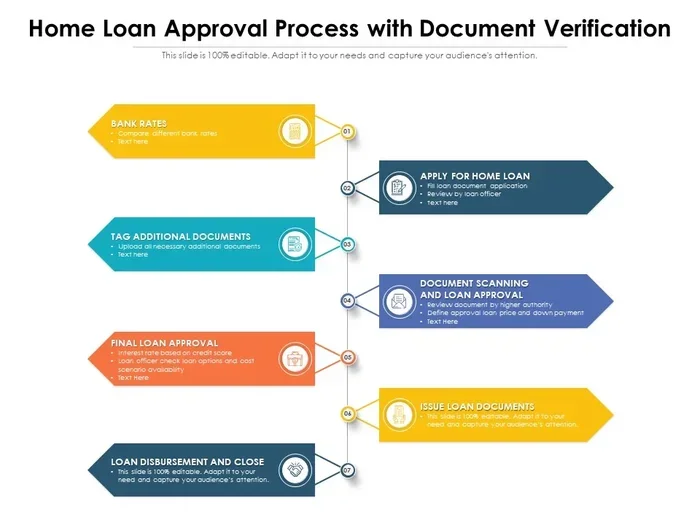
Visual guide about home loan approval documents
Image source: slidegeeks.com
Your employment history is also key. Lenders like stability. They want to see that you have been at the same job for a while. If you change jobs often, they might worry. They want to know your income is secure. If you are on probation at a new job, it might be harder. Try to stay steady before you apply. This builds trust with the lender.
Debt-to-Income Ratio Impact
Your existing debts matter a lot. Do you have student loans? Do you have a car payment? Do you carry credit card balances? All of these count against you. High debts lower the amount you can borrow. They also raise the income you need. If you have high debts, try to pay them down first. This improves your DTI. It makes you look better to the lender.
For example, if you pay off a $300 car loan, you free up that money. Now you can use that income for the mortgage. This might lower the income requirement. You do not need to earn as much if your other bills are gone. Clearing debt is a great way to prepare for a home purchase. It shows you can manage your money well.
Down Payment and PMI
The size of your down payment changes everything. If you put 20% down, you avoid PMI. PMI stands for Private Mortgage Insurance. It protects the lender if you stop paying. It costs extra every month. If you put less than 20% down, you usually have to pay it. This adds to your monthly cost. It means you need more income to cover the bill.
Saving for a 20% down payment is hard. It takes time. But it saves you money in the long run. You pay less interest on a smaller loan. You also skip the PMI cost. If you cannot save that much, look for programs that help. Some loans allow less down. Just know the costs will be higher. You need to weigh the pros and cons.
Budgeting for Homeownership Costs
Buying the house is just the start. You need to budget for upkeep. Homes need repairs. Things break. The water heater might leak. The roof might need fixing. You should save money for these things. A good rule is to save 1% of the home value each year. For a $200k home, that is $2,000 a year. This helps you handle surprises.
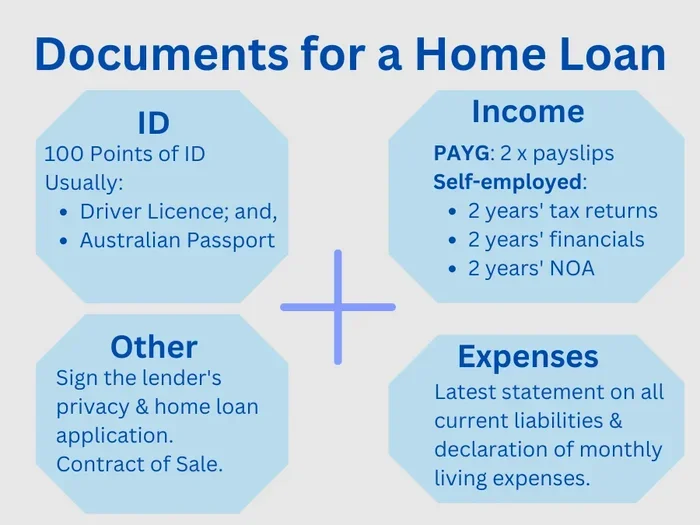
Visual guide about home loan approval documents
Image source: comparemortgagebrokers.com.au
Utilities are another cost. Renting often includes some utilities. Owning means you pay for everything. Water, electricity, gas, and trash service all add up. These bills can be higher than you expect. You need to factor this into your monthly budget. Make sure your income covers these extra costs too. Do not stretch yourself too thin.
Maintenance and Emergency Funds
You should also have an emergency fund. This is cash saved for hard times. If you lose your job, you still need to pay the mortgage. Having three to six months of expenses saved is wise. This gives you peace of mind. It protects you from foreclosure. It is a safety net for your family.
Think about the long term. Will your income go up? Will your family grow? These things change your needs. A bigger family might need more space. But it also means more expenses. Plan for the future. Make sure the house fits your life for years to come. Do not just buy for today. Think about tomorrow.
Tips to Improve Your Qualification Chances
If you worry about your income, there are ways to help. You can improve your credit score. Pay your bills on time. Keep your credit card balances low. Check your credit report for errors. Fixing mistakes can boost your score quickly. A higher score gets you better rates. This lowers the income you need.
You can also look for down payment assistance. Many programs help first-time buyers. They offer grants or low-interest loans. This helps you get more money for the down payment. It reduces the loan amount you need. This makes the monthly payment smaller. It is worth looking into local programs. They vary by state and city.
Shopping for the Best Rates
Do not just go to one bank. Shop around. Different lenders offer different rates. One bank might charge 7%. Another might charge 6.5%. That small difference saves you money. It also lowers your monthly payment. Compare offers from at least three lenders. Look at the fees too. Some loans have high closing costs. You want the best deal overall.
Get pre-approved before you shop. This shows sellers you are serious. It also tells you exactly what you can afford. You will know your price range. This stops you from looking at homes that are too expensive. It saves you time and stress. You can focus on homes you can actually buy. It is a smart first step.
Common Mistakes to Avoid
Many people make mistakes when buying a home. One big mistake is buying too much house. They stretch their budget to the limit. This leaves no room for error. If something goes wrong, they struggle. It is better to buy less than you can afford. This gives you breathing room. You can save more and live comfortably.
Another mistake is changing your finances during the process. Do not open new credit cards. Do not buy a car on loan. Do not quit your job. Lenders check your credit again before closing. If things change, you might lose the loan. Keep everything stable. Wait until after the sale to make big changes. This protects your approval.
Ignoring Hidden Costs
People often forget about closing costs. These are fees paid at the end. They can be 2% to 5% of the loan amount. On a $200k loan, that is thousands of dollars. You need cash for this. You cannot usually roll it into the loan. Save up for closing costs too. Do not spend all your savings on the down payment. Keep some for the fees.
Property taxes can also go up. They are not always fixed. If your home value rises, taxes might rise too. Your payment could increase over time. Plan for this possibility. Do not assume the payment stays the same forever. Build a flexible budget. This helps you handle future increases without stress.
Key Takeaways
Buying a home is a big decision. You need to be ready. Here are the main points to remember.
- Income Goal: Aim for $50,000 to $60,000 annually for a $200k mortgage.
- DTI Ratio: Keep your debt-to-income ratio under 43% for better approval.
- Credit Score: A high score gets you lower rates and less income pressure.
- Down Payment: Saving 20% down reduces monthly costs and avoids extra insurance.
- Total Costs: Remember taxes, insurance, and maintenance when budgeting.
- Shop Around: Compare lenders to find the best rate for your income level.
- Stay Stable: Keep your job and finances steady during the application process.
Knowing how much income do I need for a 200k mortgage helps you plan better. It takes the fear out of the process. You can see the numbers clearly. You know what to save and what to pay off. This puts you in control. You are not guessing anymore. You are making informed choices. This leads to a happier home buying experience.
Take your time. Do not rush into a loan you cannot afford. Talk to lenders. Ask questions. Make sure you understand every cost. Your future self will thank you. A home should be a place of comfort, not stress. With the right plan, you can make it happen. You can own your piece of the world.
Frequently Asked Questions
What income do I need for a 200k mortgage?
You typically need an annual income between $50,000 and $60,000. This depends on your existing debts and the interest rate. Lenders want to see that you can cover the monthly payment comfortably.
Can I get a 200k mortgage with bad credit?
It is possible but harder. You might face higher interest rates. This increases your monthly payment. You would need a higher income to qualify with bad credit.
How much is the monthly payment on a 200k mortgage?
The payment is around $1,300 to $1,500. This includes principal, interest, taxes, and insurance. The exact amount depends on your rate and location.
Does a larger down payment reduce income needs?
Yes, a larger down payment lowers the loan amount. This reduces your monthly payment. You need less income to qualify for the smaller loan.
What is the debt-to-income ratio for a mortgage?
Most lenders prefer a DTI below 43%. This ratio compares your debt payments to your gross income. A lower ratio improves your chances of approval.
How can I improve my chances of approval?
Pay down your debts and improve your credit score. Save for a larger down payment. Get pre-approved by multiple lenders to compare offers.